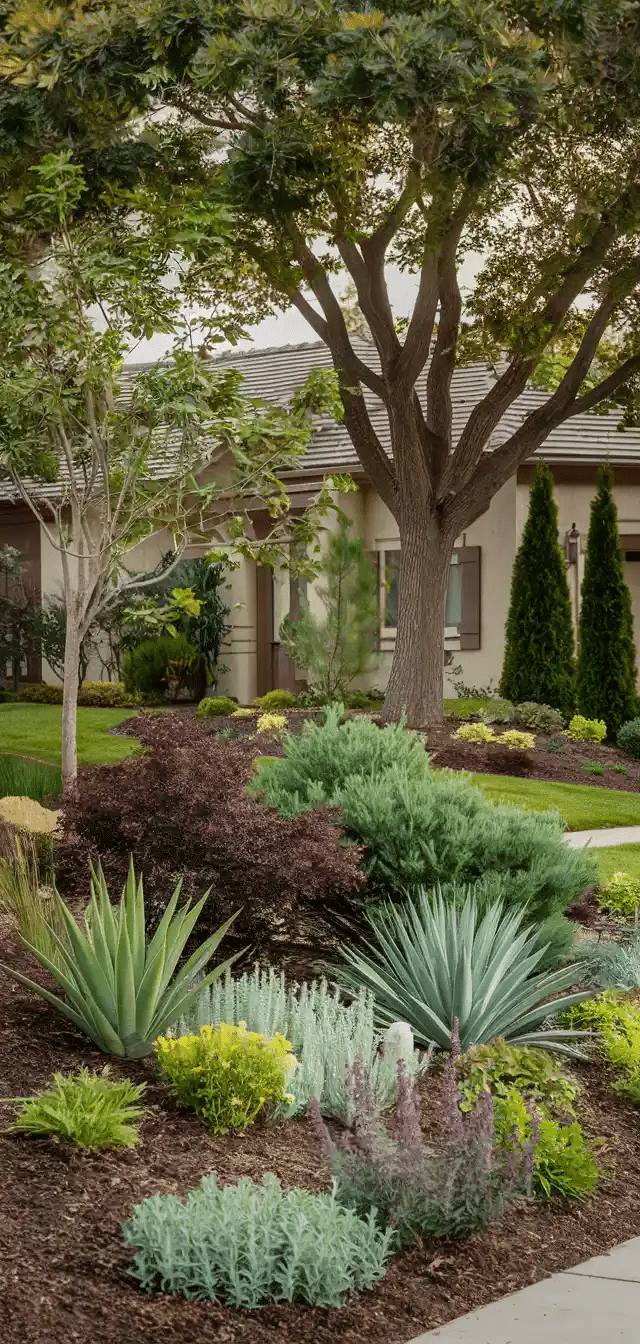

You know that feeling when you pull up to a house and just… stop? It’s not always the biggest mansion on the block. Sometimes, it’s the one with the crisp, clean lines. The one where the mulch looks fresh and the front door actually invites you in. That’s the power of curb appeal. It’s not about vanity. It’s about psychology. And in 2026, with housing markets still feeling a bit tight and unpredictable, that first impression matters more than ever.
Most folks think fixing up the outside of their home is a money pit. They imagine tearing out old bushes or repaving the driveway. But here’s the secret nobody tells you: you don’t need a contractor to make a massive difference. In fact, some of the best returns on investment come from projects that cost less than a nice dinner out. Research from the University of Texas at Arlington backs this up, showing homes with strong curb appeal sell for roughly 7% more on average. Seven percent. That’s not chump change.
So, how do you get that return without emptying your savings account? You focus on the basics. You clean. You paint. You light things up. It sounds simple because it is. But doing it right makes all the difference. This isn’t about flipping a house to trick someone. It’s about respecting the property you live in and making sure it shows its best self to the world. Whether you’re planning to sell next month or just want to feel proud when you drive home, these ideas are your roadmap. They are proven. They are cheap. And yes, they basically pay for themselves.
The Power of Pressure and Paint
Let’s start with the easiest win. Dirt. Grime. Mildew. Over time, our houses just get dirty. We don’t notice it because we see it every day. But a buyer? Or a neighbor? They see the streaks on the siding and the green tint on the walkway. A good power washing is the single most cost-effective thing you can do. You can rent a machine for maybe $50 to $75 for a day. Or, if you’re handy, you might already own one. Spend a Saturday morning blasting away years of buildup. The transformation is instant. It’s like magic. Your house literally looks new again.
But cleaning is only half the battle. Paint is the other half. And I’m not talking about painting the whole house. That’s expensive and messy. I’m talking about the front door. Think about it. The front door is the handshake of your home. If it’s peeling, faded, or just a boring beige, it says "meh." But slap on a coat of bold, glossy paint? Suddenly, you have personality. Red, navy blue, or even a cheerful yellow. These colors pop against neutral siding. A gallon of high-quality exterior paint costs around $40 to $60. Add a new handle set if yours is scratched up—maybe another $30. For under $100, you’ve created a focal point that draws the eye right where you want it.
Don’t forget the trim, either. If your window frames or shutters are looking tired, a quick refresh works wonders. You don’t need to be a professional painter. Just take your time. Use good tape. Clean the surfaces first. The goal isn’t perfection; it’s freshness. When the sun hits that clean siding and bright trim, the whole structure feels cared for. And care translates to value. Buyers subconsciously assume that if the outside is pristine, the inside must be too. It’s a mental shortcut they take, and you want to help them take it.
Landscaping on a Dime
Plants can be expensive. Landscapers are even more so. But you don’t need a designer garden to have great curb appeal. You need strategy. Start with mulch. Old, gray, compacted mulch makes a yard look neglected. Fresh, dark brown or black mulch makes everything else pop. It’s like putting a frame around a picture. A bag of mulch runs about $3 to $5. Depending on your bed size, you might spend $50 to $100 total. Spread it evenly. Keep it away from the foundation to prevent moisture issues. The contrast between the dark earth and your green plants is visually striking. It looks intentional. It looks expensive.
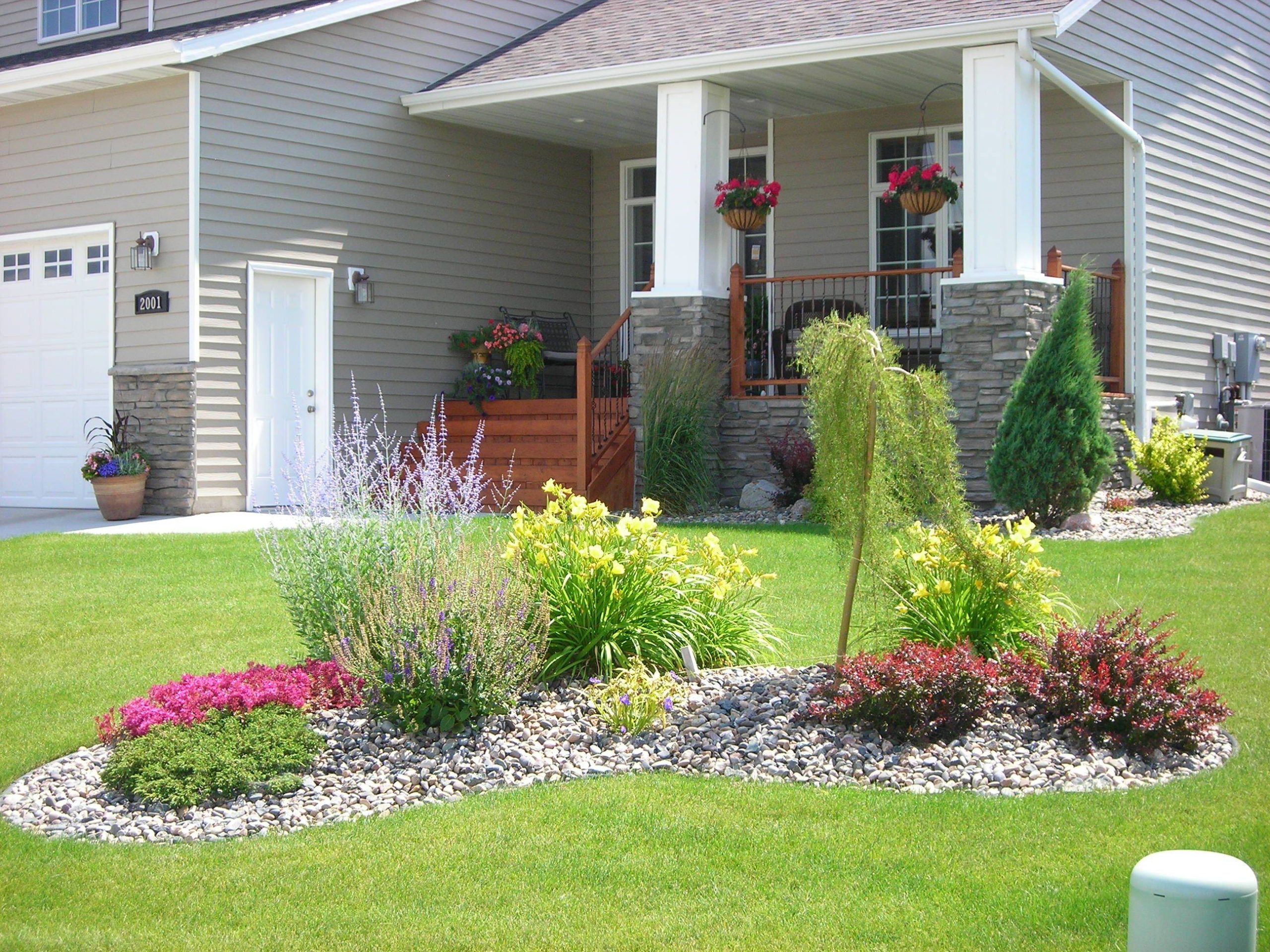
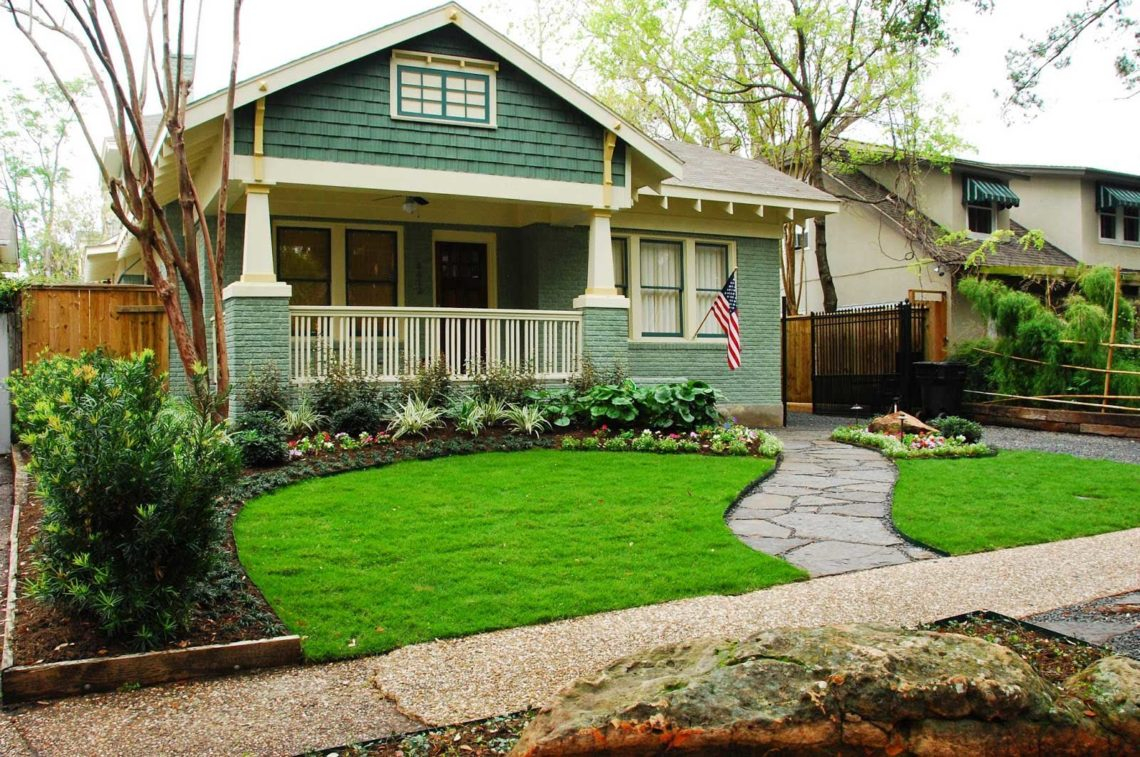
Next, look at your existing plants. Are they overgrown? Wild? Take a pair of shears and tame them. Trim back anything blocking windows or the path to the door. Define the edges of your garden beds. A crisp edge between the grass and the mulch is a sign of quality. You can buy a simple edging tool for $20. Or use a shovel. It takes elbow grease, but it’s free labor. If you have bare spots, don’t rush to fill them with pricey shrubs. Try perennials that divide easily. Ask a neighbor for a clipping. Hostas, daylilies, and sedums are tough, cheap, and spread fast.
If you have a budget for a few new plants, go for impact, not quantity. One large, healthy specimen tree or a cluster of three matching shrubs looks better than ten tiny, scattered ones. Symmetry is pleasing to the human eye. Flank your front steps with two identical pots. Fill them with seasonal flowers. In spring, think tulips or pansies. In summer, petunias or geraniums. These cost $5 to $10 each. Swap them out when they fade. It keeps the look fresh throughout the selling season or just the year. It shows you’re present. You’re attentive. And that matters.
Light It Up
Darkness hides flaws. But it also hides beauty. At night, your house disappears. Or worse, it looks spooky. Adding lighting is a game-changer for both safety and aesthetics. And thanks to LED technology, it’s cheaper and easier than ever. You don’t need an electrician running new wires. Solar lights have come a long way. They aren’t the weak, flickering things they used to be. Today’s solar path lights are bright, durable, and cost about $10 to $15 each. Place them along your walkway. Stick them in the flower beds. They charge during the day and glow at night. It guides visitors to your door. It feels welcoming.
For a bigger punch, look at your porch light. Is it an old, dusty fixture from the 90s? Replace it. Modern fixtures are affordable. You can find stylish, weather-resistant options for $50 to $80 at any hardware store. Choose one that matches the style of your home. Farmhouse, modern, traditional—it doesn’t matter. Just make sure it’s clean and bright. Use a warm white bulb, not a harsh blue-white. Warm light feels cozy. It invites people in. Harsh light feels clinical. It pushes them away.
Consider accent lighting for architectural features. Do you have a nice tree? A stone pillar? A small spotlight aimed upward can create drama. Again, solar options exist for this. Or use low-voltage kits that plug into an outdoor outlet. These kits often come with multiple heads and are easy to install yourself. The key is layering. Don’t just flood the yard with one big light. Use pockets of light to highlight the best parts of your property. It adds depth. It adds dimension. And when a buyer drives by at evening, your home will stand out in the dark. It’ll be the one that looks warm and alive.
Hardware and House Numbers
Details matter. Tiny things add up. Think about the hardware on your home. The house numbers, the mailbox, the door knocker. Are they mismatched? Rusty? Hard to read? Updating these small elements creates a cohesive look. It’s like jewelry for your house. Start with your house numbers. Make sure they are visible from the street. If they are small or faded, replace them. Large, modern numbers in black or brass look sleek. They cost maybe $20 to $40. Mount them properly. Don’t let them hang crooked. It sounds picky, but straight lines signal order.
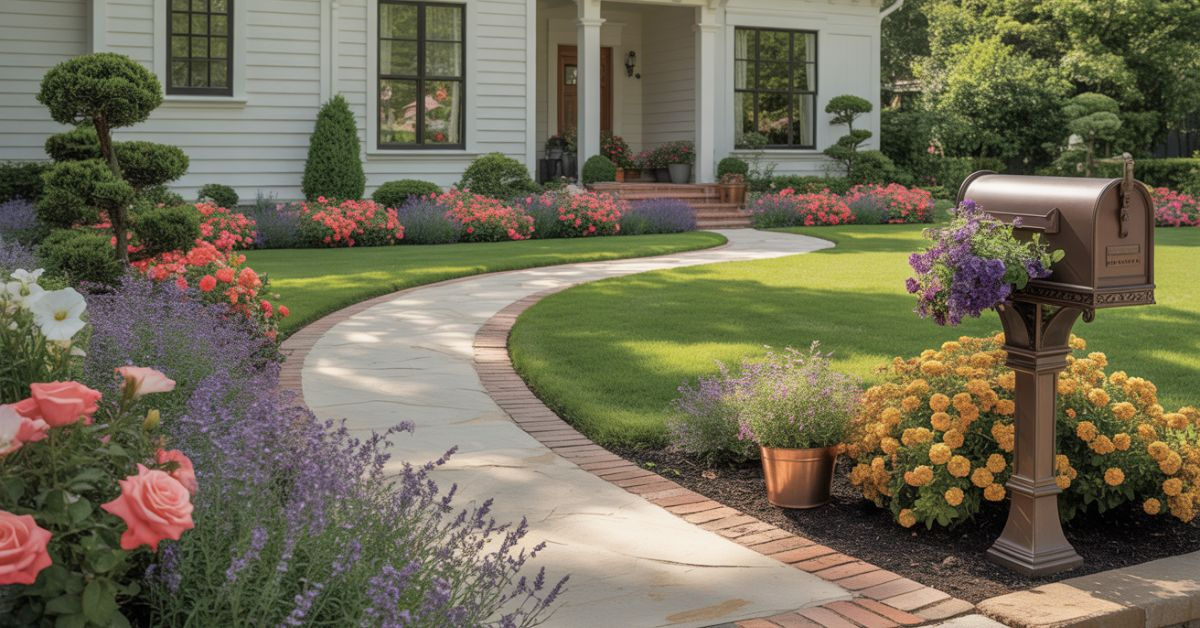
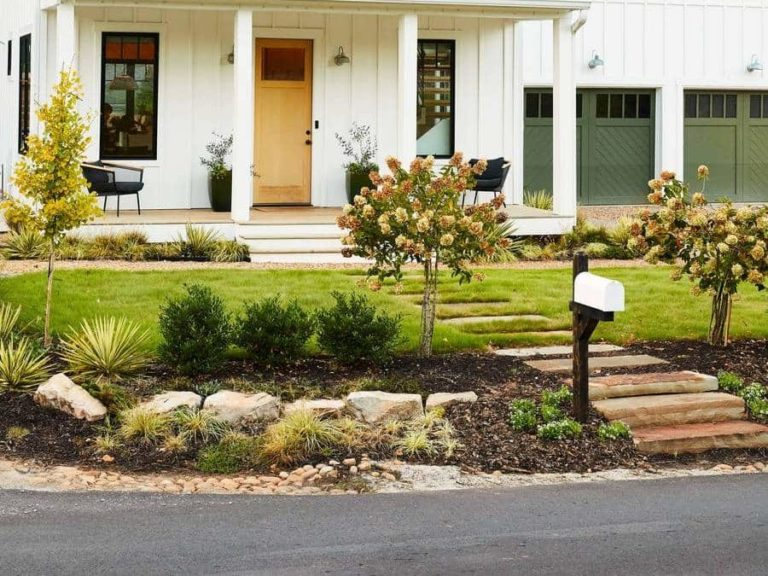
Your mailbox is another often-overlooked spot. If it’s leaning, fix it. If it’s rusted, paint it or replace it. A new mailbox post and box can be had for under $100. Choose a style that complements your home. If you have a modern home, go for clean lines. If you have a cottage, maybe something with a bit of charm. Add a planter box to the post if it fits. Flowers spilling out of a mailbox post are a classic, charming touch. It softens the hardscape. It adds color at eye level for drivers passing by.
Don’t ignore the door hardware either. If your lockset is loose or scratched, swap it out. A new deadbolt and handle set can cost $30 to $50. Pick a finish that matches your new light fixture. Consistency is key. If your light is bronze, your door handle should be bronze. If your light is black, go black. This coordination makes the entryway feel designed, not accidental. It’s a subtle cue that tells people this home has been thoughtfully maintained. And thoughtful maintenance suggests fewer hidden problems. It builds trust before anyone even steps inside.
The Clean Sweep Approach
Sometimes, the best improvement is subtraction. Clutter kills curb appeal. Look at your front yard with fresh eyes. What’s lying around? Garden hoses coiled messily? Toys? Tools? Bikes? Hide them. Store them. If you don’t have a shed, use a decorative box or keep them in the garage. The front yard should look spacious. It should look open. When a buyer sees clutter, they feel stressed. They wonder where else stuff is hiding. Clear spaces feel larger. They feel calmer. And calm is what people want when they’re making a huge financial decision.
Check your windows. Are they streaky? Clean them. Inside and out. It costs nothing but a bucket, some vinegar, and a rag. Sparkling windows let in more light. They make the interior look brighter from the outside. They also suggest that the inside is clean. It’s a proxy for hygiene. If the windows are dirty, people assume the carpets are too. Don’t give them that excuse. Wipe down the screens too. Dust accumulates there and blocks the view. A clear view into a bright, tidy living room is a powerful sales tool.
Look at the roof and gutters. You don’t need to replace the roof. But if there are branches hanging over it, trim them. If the gutters are full of leaves, clean them out. Sagging gutters look bad. They also cause water damage. Fixing a loose gutter bracket costs pennies. Taking an hour to clear debris prevents bigger issues. It also makes the roofline look sharp. While you’re up there, check for missing shingles. If you see one or two, replace them. It’s a small repair that prevents leaks and looks much better than a patchwork of missing pieces. Attention to these structural details shows you’ve protected the asset. And that’s reassuring.
Finally, think about the experience of arriving. What does it feel like to walk up to your door? Is the path cracked? If so, consider a simple fix. You don’t need to repave. Use a concrete crack filler. It’s a tube of sealant you squeeze into the cracks. Smooth it out. It’s not perfect, but it stops weeds from growing through and looks neater. If the steps are uneven, check for safety. Trip hazards are a liability. Fixing them is crucial. But beyond safety, think about comfort. Add a new doormat. Not a ratty old one. A fresh, clean mat in a neutral color or a fun pattern. It wipes shoes. It welcomes guests. It costs $15.
Add seating if you have space. A small bench or two chairs on the porch can create a vignette. It suggests lifestyle. It says, "Imagine sitting here with your morning coffee." You don’t need expensive furniture. Thrift stores often have solid wood pieces that just need a sanding and a coat of paint. Add a cushion for comfort. Keep it simple. Too much furniture clutters the space. The goal is to invite, not to obstruct. Let people see the door. Let them see the windows. But give them a hint of how life is lived here.
Seasonal decor is the cherry on top. A wreath on the door. A pumpkin in the fall. A string of lights in the winter. These touches show personality. They make the house feel like a home, not a museum. But keep it tasteful. Avoid inflatable lawn ornaments or excessive plastic. Go for natural materials. Wood, straw, fresh greens. These elements age well. They blend with the landscape. They add warmth without looking tacky. In 2026, buyers are looking for authenticity. They want a home that feels real. These small, human touches provide that connection. They bridge the gap between a building and a sanctuary.
Wrapping it all up, remember that curb appeal isn’t about spending thousands. It’s about seeing what’s already there and polishing it. It’s about cleaning the grime, trimming the wildness, and adding a splash of color. It’s about making sure the lights work and the numbers are straight. These tasks are small. They are manageable. Most can be done in a weekend. Many cost under $100. But together, they create a narrative. They tell a story of care. Of pride. Of value.
When you invest in these low-cost improvements, you aren’t just fixing up a house. You’re boosting its marketability. You’re tapping into that 7% value increase researchers talk about. You’re making your home stand out in a crowded field. And even if you aren’t selling, you’re improving your daily life. You’re coming home to a place that looks good. That feels welcoming. That reflects your effort. So grab a hose. Buy a pot of flowers. Paint that door. The return on investment isn’t just financial. It’s emotional. And that’s priceless.