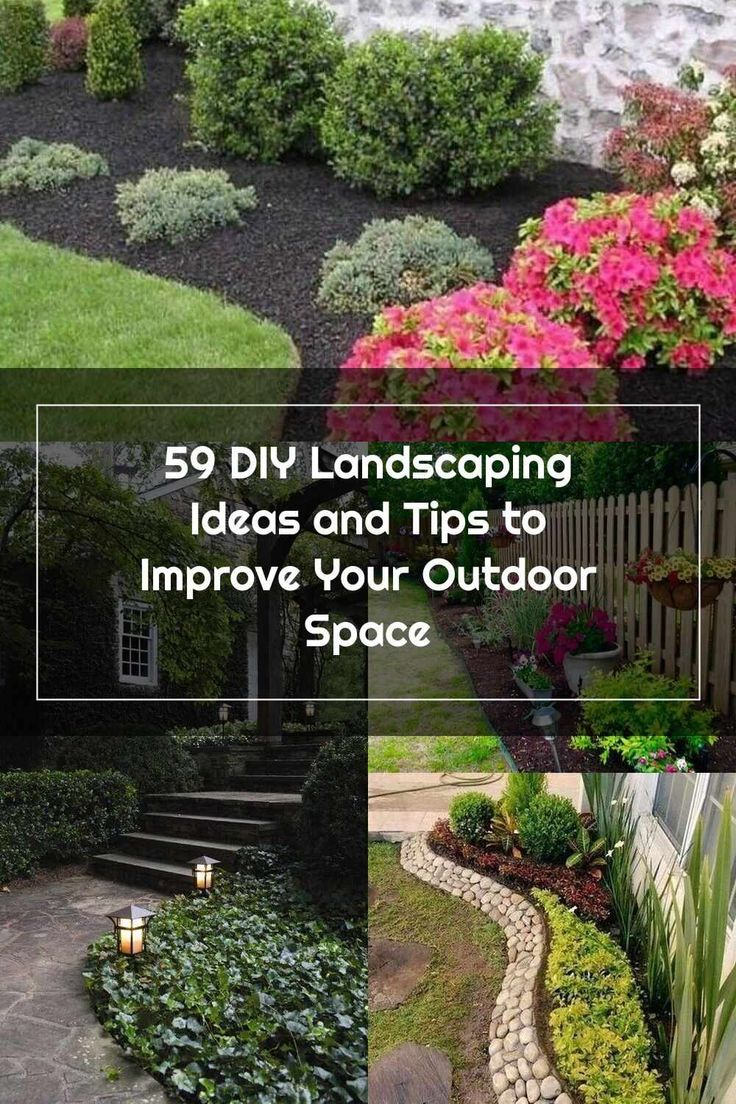

Ever looked at your backyard and felt a pang of guilt? Maybe it’s the patchy grass that refuses to grow, or the empty corner that just stares back at you, begging for attention. We’ve all been there. In 2026, with inflation still lingering in our memories and the cost of living being what it is, dropping hundreds on landscaping feels like a luxury few can afford. But here’s the secret the industry doesn’t always shout from the rooftops: style isn’t bought. It’s curated. And often, the most stunning gardens are the ones built on sweat equity, creativity, and a keen eye for what’s already around us.
You don’t need a green thumb the size of a shovel to make this work. You just need to shift your perspective. Instead of seeing an overgrown lot as a burden, see it as a blank canvas filled with free materials. The trend toward "rewilding" and low-maintenance spaces has peaked this year, not just because it’s eco-friendly, but because it’s liberating. Imagine stepping outside not to chore-list your way through weeds, but to sip coffee in a space that feels intentional, wild, and uniquely yours. It’s possible. And it costs exactly zero dollars if you’re willing to put in the legwork.
Let’s be real for a second. Most of us think landscaping means buying mulch, hiring a crew, and installing expensive hardscaping. That’s the old way. The new way—the smart way—is about resourcefulness. It’s about looking at a pile of broken concrete and seeing a rustic path. It’s about spotting a neighbor’s discarded shrub and seeing the centerpiece of your new border. This guide isn’t about cutting corners; it’s about cutting out the noise and focusing on what truly makes a garden feel alive. Ready to dig in? Let’s explore how to turn nothing into something beautiful.
The Treasure Hunt in Your Own Neighborhood
The first step to a free landscape is changing how you walk down the street. Seriously. Stop looking at houses and start looking at curbs. In many communities, bulk trash days are essentially free gardening supply stores. People throw away incredible things every week. Old wooden pallets, broken terracotta pots, even mature plants that have outgrown their current spot. I’ve seen people pull entire rose bushes out of the ground because they wanted to remodel, leaving perfectly healthy root balls sitting by the curb. If you ask nicely, or just grab them before the truck comes, you’ve got instant maturity in your garden for free.
But it’s not just about plants. Look for hardscape materials too. Broken bricks, chunks of concrete, and old stones are gold mines for creating pathways or edging. A jagged piece of concrete can be turned upside down to create a rugged, industrial-chic stepping stone. Stack some old bricks vertically, and you have a modern border that defines your space without costing a cent. The key is to clean them up. A little wire brush and some water can make discarded debris look like intentional design choices. It’s about vision. Where others see trash, you see texture.
Don’t forget to check online community groups either. Platforms like Nextdoor or local Facebook buy-nothing groups are buzzing in 2026 with people giving away soil, mulch, and even large trees. Someone might be tearing out a deck and offering the wood for free. Another might have extra compost from their city pickup. By tapping into these local networks, you’re not just saving money; you’re building community. Plus, there’s a certain pride in saying, “Oh, this bench? Found it.” It adds a story to your space that money can’t buy. Just be sure to inspect anything organic for pests before bringing it into your yard.
Embracing the Wild: Native Plants and Seed Swapping
If you want a garden that thrives without constant watering or fertilizing, you need to stop fighting nature and start working with it. Native plants are the ultimate free landscaping hack because they are adapted to your specific region. They survive on rainwater alone once established. But how do you get them for free? Seed swapping. This practice has exploded in popularity recently. Local gardening clubs, libraries, and even schools often host seed exchanges in the spring. You bring what you have (even if it’s just saved beans from your kitchen), and you leave with packets of native wildflowers, grasses, and shrubs.
Propagating is another powerful tool. Do you have a friend with a gorgeous hydrangea or a sprawling hosta? Ask for a division. Most perennials love being split; it actually helps them grow better. With a sharp shovel and a little know-how, one plant becomes three. Take cuttings from woody shrubs like willow or dogwood. Stick them in damp soil, and more often than not, they’ll root. It’s like magic, but it’s just biology. By sharing plants with neighbors, you create a network of greenery that ties the whole neighborhood together aesthetically. It’s communal landscaping.
Also, consider letting go of the perfect lawn ideal. Grass is thirsty, needy, and expensive to maintain. In 2026, the "no-mow" movement is mainstream. Replace turf with native ground covers like creeping thyme, clover, or moss. These spread naturally, suppress weeds, and require zero mowing. You can often find these growing wild in nearby wooded areas or parks (where permitted) or get divisions from friends. A mossy yard feels lush, soft, and ancient. It invites you to sit down and relax rather than demanding you push a mower. It’s a stylistic choice that says, “I value peace over perfection.”
Repurposing the Discarded: DIY Hardscaping
Hardscaping usually eats up the biggest chunk of a landscaping budget. Stones, pavers, gravel—it adds up fast. But you can mimic these high-end looks using reclaimed materials. Old windows, for instance, make fantastic cold frames for starting seeds or protecting tender plants in early spring. An old ladder can become a vertical garden for trailing vines. Even broken mirrors, placed strategically among foliage, can create the illusion of depth and light in shady corners. Just be careful with glass; ensure edges are smoothed or hidden to avoid injury.
Wood is another abundant free resource. Pallets are everywhere. Disassemble them carefully, sand down the rough spots, and use the planks to build raised beds, compost bins, or even simple seating. Untreated wood ages beautifully, turning a silvery-gray that blends seamlessly with natural surroundings. If you can’t find pallets, look for fallen branches after storms. Large logs can be arranged to create rustic retaining walls or borders for garden beds. They decompose slowly, adding nutrients to the soil as they break down, which helps your plants grow stronger.
Concrete rubble, often left over from construction sites, can be used to create "crazy paving" paths. Arrange the irregular pieces with gaps in between, then plant creeping thyme or moss in the cracks. This softens the hard lines and makes the path feel integrated into the landscape. It’s durable, drains well, and looks incredibly sophisticated despite being made of waste. The trick is consistency. Use materials of a similar color palette or texture to keep the look cohesive. Chaos is charming, but random chaos looks like a mess. Intentional randomness looks like art.
The Power of Pruning and Editing
Sometimes, the best thing you can do for your landscape is subtract, not add. Overgrown spaces feel small and chaotic. By pruning back unruly branches, clearing out dead undergrowth, and defining edges, you instantly create structure. This costs nothing but time and elbow grease. Start by identifying the "bones" of your yard. What are the strongest features? A large oak tree? A interesting rock formation? Clear the view to these elements. Remove anything that competes for attention or blocks light.
Editing also means being ruthless about what stays. If a plant is struggling, diseased, or just in the wrong spot, move it or compost it. Don’t cling to plants out of sentimentality if they aren’t thriving. A sparse garden with healthy, well-placed specimens looks far more stylish than a crowded jungle of mediocre plants. Use the clippings! Chopped branches can be woven into informal fences or used as mulch. Leaves can be raked into piles to create leaf mold, a fantastic soil conditioner. Nothing goes to waste in a truly sustainable garden.
Light plays a huge role here too. By thinning out dense canopy trees, you allow dappled sunlight to reach the forest floor. This opens up new planting opportunities for shade-loving natives like ferns and woodland flowers. Suddenly, that dark, muddy corner becomes a vibrant, textured vignette. It’s about managing the environment you have. You’re not just gardening; you’re sculpting light and space. And since light is free, why not use it to your advantage? It changes throughout the day, giving your yard different moods from morning to evening.
Creating Zones with Natural Materials
A large, open yard can feel impersonal. To make it feel cozy and inviting, create "rooms" or zones. You don’t need walls to do this. Use plants, changes in elevation, or different textures to define spaces. For example, a cluster of tall ornamental grasses can screen off a seating area, creating a sense of privacy. A simple ring of stones can define a fire pit zone. These boundaries guide the eye and the foot, making the space feel larger and more organized.
Use what you have on hand to mark these transitions. A row of upright logs can separate a vegetable patch from a flower bed. A line of smooth river rocks (collected from dry creek beds or given by friends) can edge a pathway. The goal is to create flow. How do you want to move through the space? Do you want a winding path that encourages slow exploration? Or a direct route to the back porch? Map it out with sticks or hose pipes first. Walk the path. Does it feel right? Adjust until it does. This iterative process costs nothing but ensures the final result feels natural.
Don’t underestimate the power of vertical space either. If you’re short on square footage, go up. Train vines up existing fences, trees, or even makeshift trellises made from fallen branches. This adds layers to your view and draws the eye upward, making the space feel grander. Hanging baskets made from woven twigs or recycled containers can add pops of color at eye level. It’s about filling the voids without cluttering the ground. A layered garden feels lush and abundant, regardless of its actual size.
Finally, let’s talk about the mindset. Traditional landscaping views maintenance as a battle against nature. Mow, blow, spray, repeat. Free landscaping views maintenance as a partnership. When you choose native plants and repurposed materials, the upkeep shifts from labor-intensive to meditative. Pulling a few weeds becomes a chance to observe the bees. Pruning becomes a way to connect with the growth cycles of your plants. It’s slower. It’s quieter. And frankly, it’s more rewarding.
In 2026, we’re seeing a shift away from the manicured suburban ideal toward spaces that reflect personal values. Sustainability, frugality, and connection to nature are top of mind. A garden that costs nothing to build but everything to care for in terms of attention is the ultimate luxury. It requires you to be present. You notice when the first crocus blooms. You hear the birds nesting in the shrubs you propagated. You feel the change in seasons in your bones because you’re out there, engaged with the earth.
So, don’t worry if it’s not perfect. Imperfection is part of the charm. A slightly crooked path made of broken concrete tells a story. A patch of clover mixed with grass shows you care more about ecology than aesthetics alone. Let your garden evolve. It’s a living thing. It will change, grow, and surprise you. And every time you step outside, you’ll know that you created this haven not with your wallet, but with your hands and your heart. That’s a style that never goes out of fashion.
There’s a profound freedom in realizing you don’t need to buy beauty. It’s already here, waiting to be uncovered. Whether it’s a rescued plant, a repurposed stone, or simply the decision to let the grass grow long, every choice you make shapes a space that is authentically yours. So grab those pruning shears, hit the curb on trash day, and start looking at your yard with new eyes. The possibilities are endless, and the price tag is zero. Happy gardening.