
You stand there in the middle of your raised bed, hose in hand, watching the water pool on top of the soil while the roots underneath stay bone dry. It’s frustrating, isn’t it? We’ve all been there. You want your tomatoes to thrive, not just survive, but you also don’t want to spend a fortune on water bills or complex plumbing. In 2026, with water conservation becoming more critical than ever, choosing the right delivery system matters more than just picking a pretty nozzle.
The debate usually comes down to two contenders: the humble soaker hose and the precision-engineered drip line. One is basically a porous pipe that sweats water; the other is a network of tubes with tiny emitters that drip exactly where you want. Both claim to save water. Both promise easier gardening. But which one actually saves you money and headache in the long run? Let’s dig into the dirt and find out.
The Basics: How They Actually Work
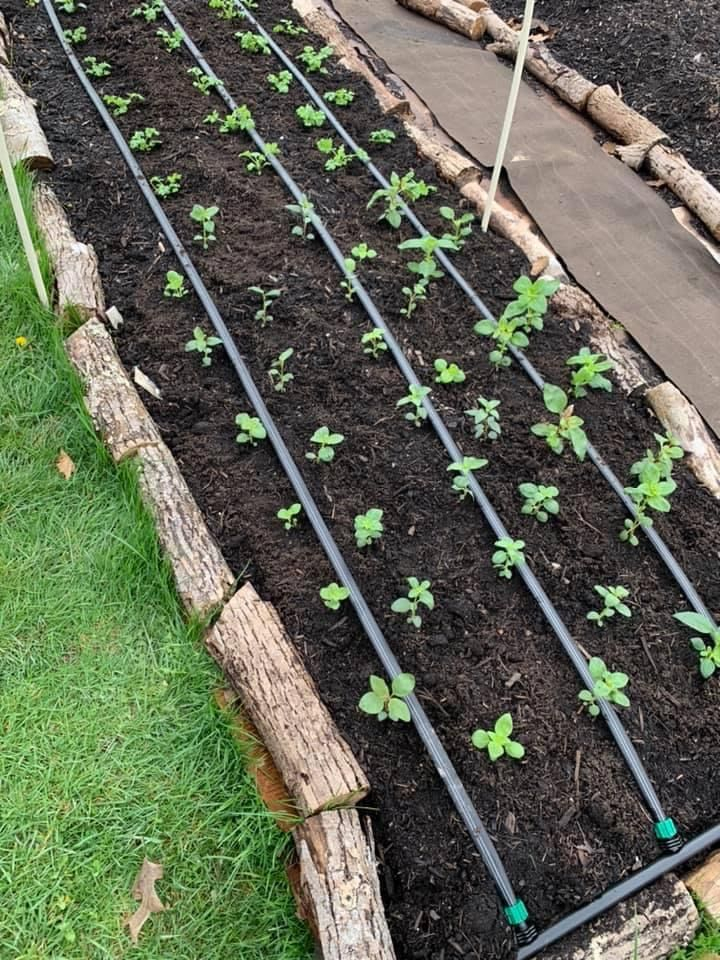
Soaker hoses are deceptively simple. Imagine a garden hose made of recycled rubber or porous material that lets water seep out along its entire length. You lay it on the soil, turn on the tap, and it "sweats" moisture into the ground. It’s low-tech, low-pressure, and generally low-stress. You don’t need a degree in engineering to set it up. You just snake it around your plants, cap the end, and let it run. It’s great for uniform rows of crops like carrots or beans where every plant needs roughly the same amount of love.
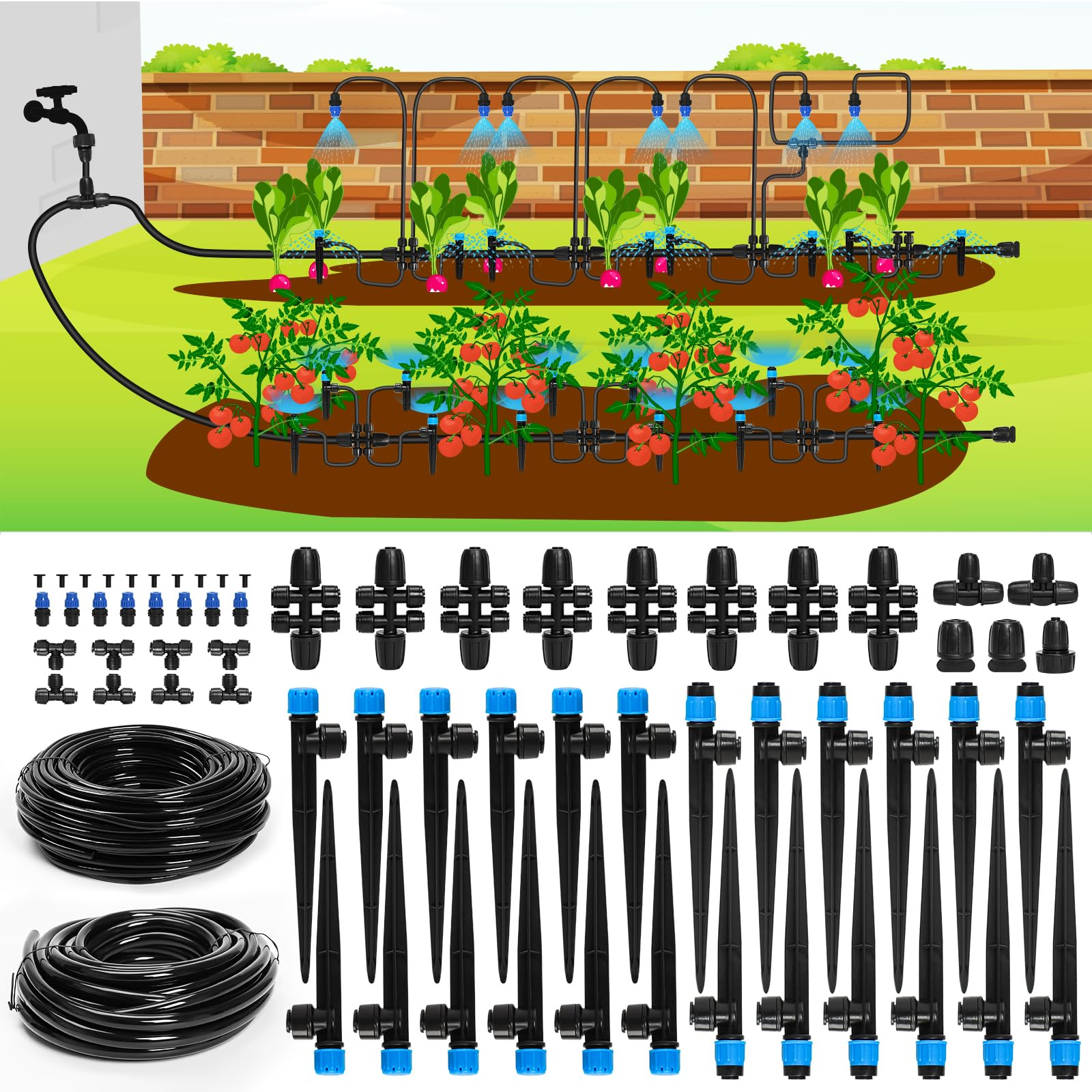
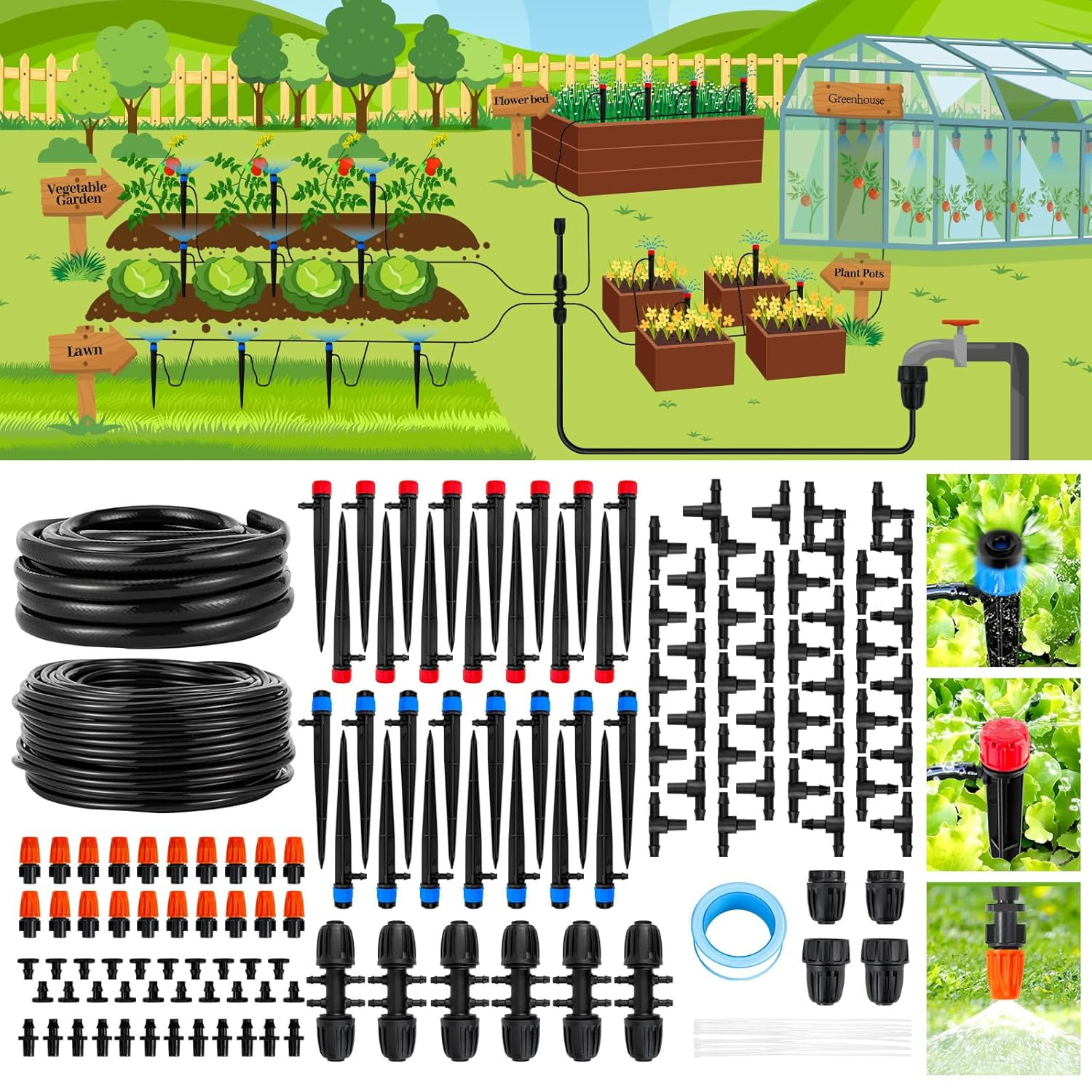
Drip irrigation, on the other hand, is a bit more like a surgical instrument. It uses solid polyethylene tubing with specific emitters placed at intervals—usually every 6, 12, or 18 inches. These emitters release water drop by drop, directly at the base of the plant. This system requires a bit more planning. You have to think about pressure regulators, filters, and maybe even a timer. But the payoff is precision. If you have a mix of thirsty peppers and drought-tolerant lavender in the same bed, drip lines let you customize the flow for each. It’s not just watering; it’s targeted hydration.
The core difference lies in control. Soaker hoses are a blanket approach; they wet everything in their path. Drip lines are a sniper approach; they hit specific targets. For a beginner, the soaker hose feels friendlier. But as your garden grows in complexity, that simplicity can become a limitation. You might find yourself overwatering some plants just to ensure others get enough. With drip, you avoid that waste from the start.
Upfront Costs: What Hits Your Wallet First
Let’s talk cash. When you walk into the garden center, the price tag on a soaker hose is undeniably attractive. You can pick up a 50-foot soaker hose for anywhere between $15 and $30. That’s it. No extra parts needed, really. Maybe a connector if your faucet is weird. For a small raised bed or a single flower border, this is the budget king. You’re looking at under $50 to get the whole thing running. It’s hard to beat that initial entry point.
Drip irrigation kits tell a different story. A basic starter kit might run you $60 to $100. But here’s the catch: those kits often don’t cover everything. You’ll likely need to buy additional tubing, more emitters, goof plugs (because you will make mistakes), and possibly a better filter. By the time you’ve customized a system for three or four large beds, you could easily spend $150 to $200. The components are cheaper individually—a roll of tubing is $20, a bag of emitters is $10—but the accumulation adds up fast. It’s an investment, not just a purchase.
However, don’t let the sticker shock scare you off completely. The cost of drip systems has come down significantly in recent years. In 2026, you can find high-quality, UV-resistant tubing that lasts longer than the cheap stuff from five years ago. While the soaker hose wins the sprint on price, the drip system is playing a different game. It’s about scalability. If you plan to expand your garden next year, adding another zone to a drip system is often cheaper and cleaner than buying three new soaker hoses and trying to manifold them together.
Water Efficiency and Plant Health
Efficiency isn’t just about saving money on the bill; it’s about keeping your plants alive. Soaker hoses are efficient compared to sprinklers, sure. They don’t spray water into the air where it evaporates. But they aren’t perfect. Because they seep along the whole length, the water pressure drops as you go further from the source. The beginning of the hose might be soggy, while the end is barely damp. This uneven distribution can lead to inconsistent growth. Plus, if you lay them on top of the soil, surface evaporation still happens. Burying them helps, but then they’re harder to inspect for clogs.
Drip lines are the gold standard for efficiency. With pressure-compensating emitters, every plant gets the exact same amount of water, whether it’s at the start or the end of the line. This consistency is huge for plant health. You’re delivering water directly to the root zone, minimizing loss to evaporation or runoff. Studies consistently show that drip systems can use 30% to 50% less water than soaker hoses because there’s zero waste. In dry climates or during drought restrictions, this isn’t just a nice-to-have; it’s essential.
There’s also the disease factor. Wet foliage is a magnet for fungal issues like powdery mildew or blight. Soaker hoses, if not carefully managed, can splash soil onto leaves or create a humid microclimate around the stems. Drip lines keep the foliage completely dry. By keeping the leaves crisp and the roots moist, you’re naturally reducing the risk of disease. Fewer diseases mean less time treating plants and more time enjoying them. It’s a subtle benefit, but one that pays off in healthier harvests.
Installation and Maintenance Hassles
If you hate fiddling with tiny parts, soaker hoses are your best friend. Installation is literally unrolling and connecting. You can do it in ten minutes. Maintenance is mostly visual: check for leaks, move it if you’re rotating crops, and replace it every few years when the pores get clogged with mineral deposits or algae. They are disposable tools, essentially. When they stop working well, you toss them and buy a new one. It’s simple, but it creates waste.
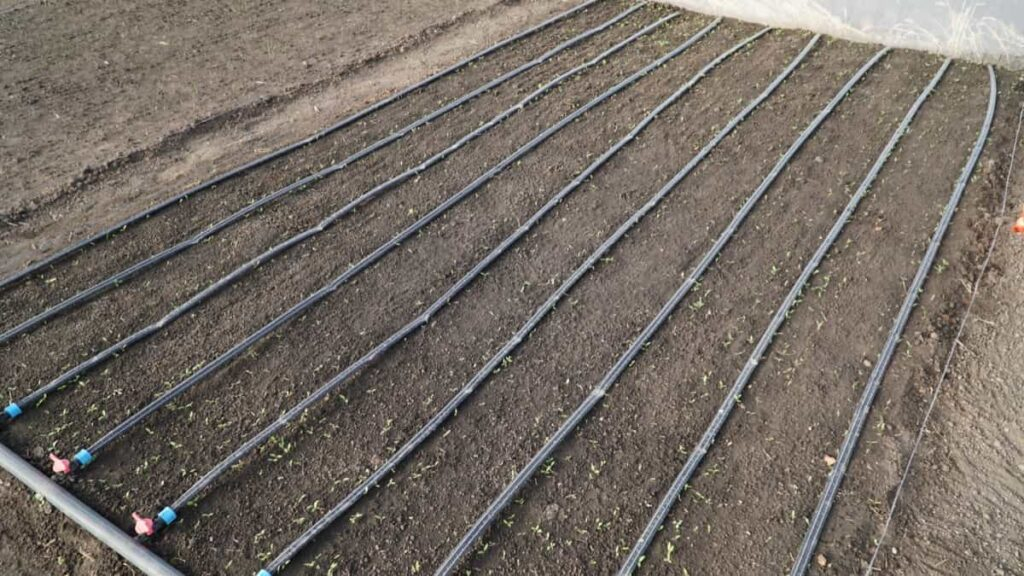
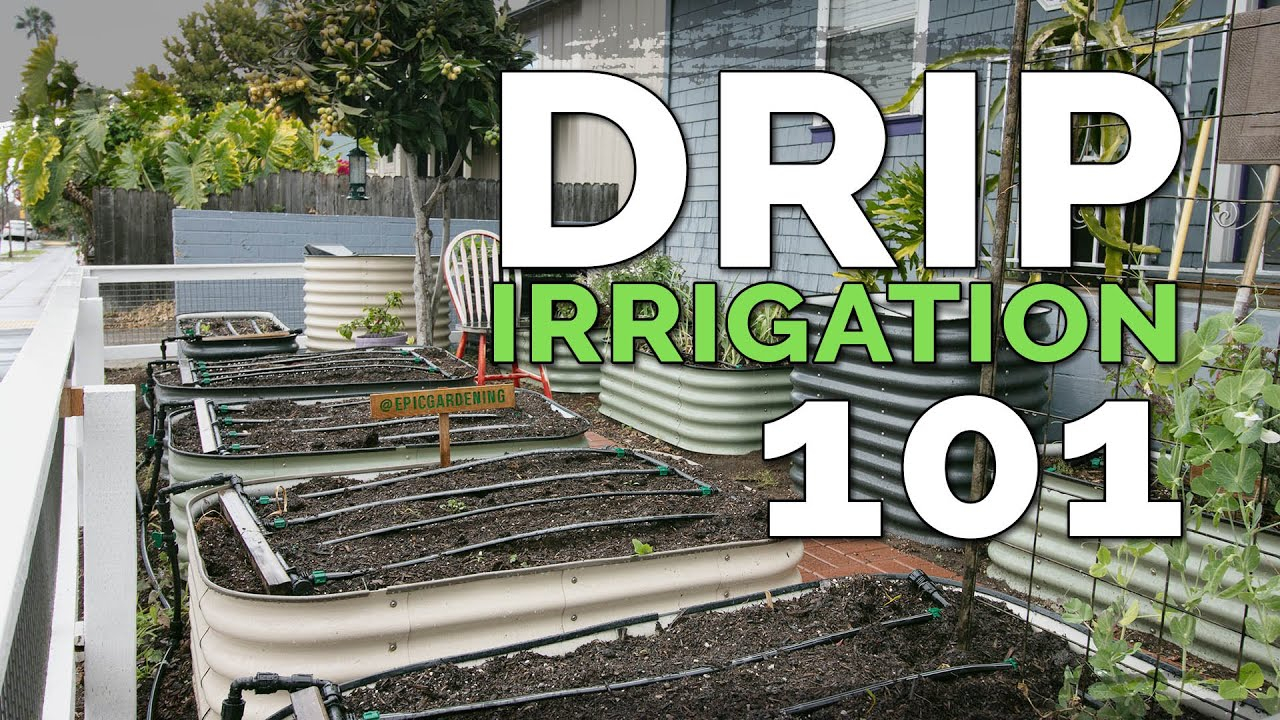
Drip irrigation requires a Saturday afternoon of your life. You’ll need to cut tubing, punch holes, insert emitters, and secure lines with stakes. It feels like crafting. But once it’s done, it’s incredibly durable. High-quality drip lines can last 5 to 10 years if protected from the sun. Maintenance involves flushing the system once a season to clear out sediment and checking for clogged emitters. If an emitter gets blocked, you pop in a new one for pennies. You don’t replace the whole line.
The trade-off is clear: soaker hoses offer low effort upfront but higher replacement frequency. Drip lines demand high effort upfront but offer low maintenance later. Think about your patience level. Do you want to spend a day setting it up right, or do you want to spend ten minutes now and deal with uneven watering later? Also, consider your water quality. If you have hard water, soaker hoses clog faster. Drip systems with good filters handle hard water much better, extending their lifespan significantly.
Long-Term Value and Durability
Let’s look at the five-year horizon. A soaker hose might cost $20, but it likely needs replacing every 2-3 years, especially if left in the sun. Over five years, you might buy two or three hoses. That’s $40-$60. Plus, the inconsistent watering might cost you in lost plants or lower yields. It’s a recurring expense that nibbles at your budget. They are also prone to cracking in freezing temperatures if not drained properly, which is a common oversight.
A drip system might cost $150 initially. But in five years, you’re still using the same mainlines. You’ve maybe replaced a few emitters or added a new zone. The total cost might be $160. The difference is negligible financially, but the performance gap is massive. The drip system has delivered consistent, precise water for five years. The soaker hose has given you variable results and required multiple trips to the store. When you factor in the value of your time and the health of your garden, the drip system often wins on long-term value.
Durability also ties into environmental impact. Soaker hoses are often made from recycled tires, which is great, but they aren’t easily recyclable again. They end up in landfills. Drip tubing is polyethylene, which is more durable and, in some areas, recyclable. By investing in a system that lasts longer, you’re reducing plastic waste. In 2026, sustainability is a key part of cost-effectiveness. It’s not just about dollars; it’s about resource use. A system that lasts twice as long is inherently more cost-effective in the broader sense.
So, which one should you pick? It depends on your specific situation. If you have a small, simple garden with uniform plants—like a single bed of lettuce or marigolds—and you’re on a tight budget, go with the soaker hose. It’s quick, easy, and gets the job done. Don’t overcomplicate it. Just make sure to bury it under mulch to protect it from the sun and reduce evaporation. It’s a solid choice for the casual gardener who values simplicity over precision.
But if you have mixed planting, valuable perennials, or a larger garden space, invest in drip irrigation. The upfront learning curve is worth it for the control and efficiency you gain. It’s particularly crucial if you’re growing high-value crops like tomatoes or peppers where consistent moisture prevents issues like blossom end rot. The ability to tailor water delivery to each plant’s needs is a game-changer. Plus, adding a timer to a drip system automates your watering, freeing up your weekends.
Ultimately, both methods are vastly superior to overhead sprinklers. They both save water and promote healthier roots. The "best" choice is the one you’ll actually use and maintain. If a complex drip system intimidates you into not watering at all, it’s useless. If a soaker hose frustrates you with its unevenness, it’s not worth the savings. Start small. Maybe try a soaker hose in one bed and a drip line in another. See which one fits your rhythm. Gardening is personal, and your watering system should be too.
In the end, the most cost-effective system is the one that keeps your plants thriving without draining your wallet or your spirit. Whether you choose the sweat of the soaker or the drip of the emitter, you’re making a smart move for your garden. Just remember to check your connections, watch your pressure, and enjoy the process. After all, the goal isn’t just efficient watering; it’s a flourishing garden that brings you joy. And that’s priceless.