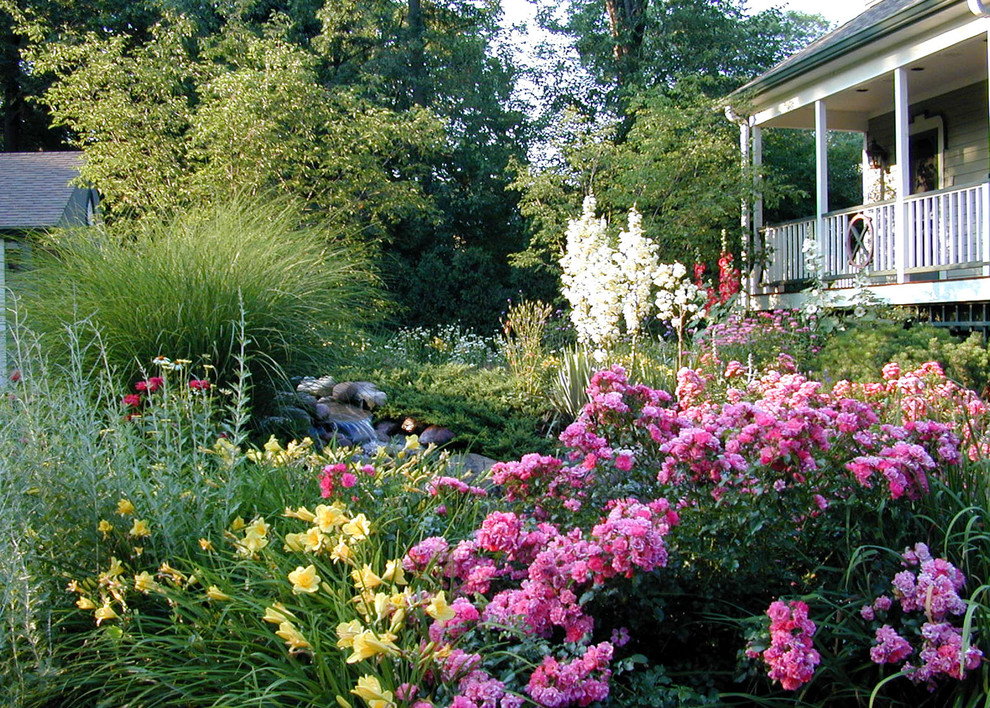

Have you ever walked into a garden that felt… stiff? Like it was holding its breath, waiting for you to notice how perfectly aligned the hedges were on either side of the path. It’s impressive, sure. But does it make you want to kick off your shoes and stay awhile? Probably not. There is a quiet revolution happening in backyards across the globe, and it’s all about letting go. Letting go of the ruler. Letting go of the need for everything to match. In 2026, we are seeing a massive shift away from those cookie-cutter, mirrored landscapes toward something far more alive. Something that breathes.
Asymmetry isn’t just about being messy or random. It’s actually harder to get right than symmetry, but the payoff is huge. It tricks the eye. It makes a small space feel bigger and a large space feel more intimate. When you stop trying to force nature into a grid, you start working with it. You begin to see the beauty in a lone, gnarled tree offset by a cluster of soft grasses. You realize that balance doesn’t mean equal weight on both sides. It means feeling right. And honestly? That feels a lot more like home.
The Psychology of Letting Go
Why do we crave symmetry in the first place? Our brains are wired to recognize patterns. It’s a survival thing. Symmetry signals safety, order, and control. But gardens aren’t meant to be controlled entirely. They are living, breathing ecosystems. When we impose strict symmetry, we are fighting against the inherent chaos of nature. Recent trends in landscape psychology suggest that spaces which mimic natural environments—those with irregular shapes and varied textures—lower our cortisol levels more effectively than formal, manicured ones. It’s the difference between standing in a museum and walking through a forest. One demands respect; the other invites relaxation.
Embracing asymmetry is also an act of creative freedom. For years, homeowners felt pressured to maintain that "perfect" look, often at the expense of their own enjoyment. You couldn’t plant that weird, wonderful shrub because it didn’t have a partner on the other side. Now, designers are encouraging people to break those rules. It’s about expressing personality. If you love bold, architectural plants, you don’t need two of them flanking a door. You might place one large specimen near a seating area to create a focal point, and let the rest of the garden flow around it. This approach allows the garden to feel uniquely yours, rather than like a page torn from a catalog.
There is also a practical side to this psychological shift. Life is messy. Kids leave toys out. Dogs dig holes. Leaves fall where they please. A symmetrical garden highlights every imperfection. If one boxwood hedge dies, the whole axis is thrown off. In an asymmetrical design, these little accidents blend in. They become part of the narrative. This reduces the anxiety of maintenance. You aren’t constantly battling to keep things identical. Instead, you are observing how things grow and change. It’s a more forgiving way to garden, and that forgiveness extends to yourself, too.
Understanding Visual Weight and Balance
So, if you aren’t mirroring things, how do you keep the garden from looking like a disaster zone? The secret lies in visual weight. Think of your garden as a set of scales. On one side, you might have a single, large, heavy element—like a mature oak tree or a stone boulder. On the other side, you don’t need another oak tree. You can balance that heavy weight with several lighter elements. Maybe a cluster of three medium-sized shrubs, or a swath of tall ornamental grasses. The goal is equilibrium, not equality. It’s a subtle distinction, but it changes everything.
Color plays a huge role in this balancing act, too. Dark colors feel heavier than light ones. A deep purple foliage plant carries more visual weight than a pale yellow flower. Texture matters as well. Rough, dense textures feel heavier than soft, airy ones. If you place a dense, dark-leafed rhododendron on the left, you might balance it on the right with a larger area of light, feathery ferns. The ferns take up more space, but they feel lighter. This interplay creates a dynamic tension that keeps the eye moving. It’s engaging. Your brain has to work a little bit to process the scene, which makes the experience more memorable.
Space is another tool in your kit. Negative space—the empty areas—is just as important as the plants. In symmetrical designs, space is often used uniformly. In asymmetrical ones, you can use open lawn or gravel patches to offset dense planting beds. Imagine a heavy border of perennials along one fence line. To balance it, you might leave the opposite side mostly open, perhaps with just a single, sculptural bench or a solitary pot. This prevents the garden from feeling cluttered. It gives the eye a place to rest. As noted by experts at Longwood Gardens, this technique makes the overall effect look balanced even though the number of plants on each side is vastly different.
Working With Awkward Spaces
Let’s be real. Not everyone has a perfect rectangular backyard. Many of us are dealing with odd angles, narrow side yards, or slopes that seem impossible to tame. Symmetry hates these spaces. It fights them. Asymmetry, on the other hand, embraces them. It is the ultimate problem-solver for awkward sites. If your yard narrows significantly toward the back, a symmetrical layout will highlight that pinch point, making it feel like a dead end. An asymmetrical design can use diagonal lines or curved paths to draw the eye away from the boundaries, creating an illusion of depth and mystery.
Consider the L-shaped patio. A symmetrical approach might try to force square planting beds into the corner, leaving awkward gaps. An asymmetrical approach would likely use rounded, organic shapes that flow into the corner, softening the hard angles. You might place a tall screen of bamboo on the short leg of the L to provide privacy, and balance it with a low, spreading groundcover on the longer leg. This responds to the site conditions rather than ignoring them. It turns a limitation into a feature. The garden feels like it belongs there, as if it grew naturally out of the architecture.
This flexibility is particularly valuable in urban settings where space is at a premium. Small city gardens often have multiple viewing angles—from the kitchen window, the living room, and the street. A symmetrical design usually has one main axis, which means it only looks good from one direction. Asymmetrical layouts can be designed to be appreciated from multiple viewpoints. You can create different vignettes that reveal themselves as you move through the space. A water feature might tuck into one corner, visible from the dining table, while a vibrant flower bed sits near the entrance. Each view is balanced in its own right, creating a cohesive yet varied experience.
Plant Selection and Texture Play
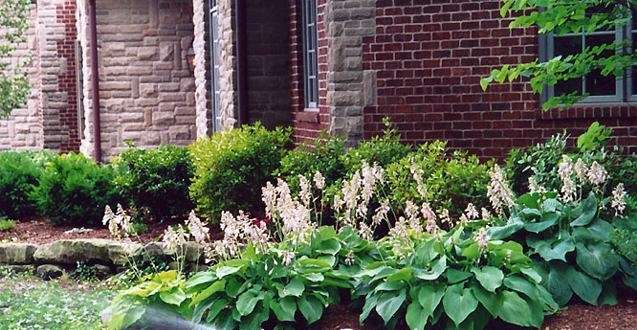
When you ditch symmetry, you open the door to a much wider palette of plants. You aren’t limited to pairs. This is where texture becomes your best friend. Mixing fine-textured plants with coarse ones creates interest without needing color contrasts. Think about pairing the sharp, vertical lines of snake plant or ornamental grasses with the broad, horizontal leaves of hostas or ferns. The contrast in form creates a rhythm. It’s like music. You have the beat of the grasses and the melody of the broad leaves. Together, they create a harmony that feels complete, even if the arrangement is uneven.
Recent insights from horticulturalists suggest that asymmetrical planting can actually lead to healthier plants. In a rigid, symmetrical bed, plants are often spaced evenly, which can lead to competition for resources if they aren’t perfectly matched in growth rate. In an asymmetrical design, you have the freedom to group plants according to their needs. You can cluster moisture-loving ferns in a shady, damp corner, and place drought-tolerant succulents in a sunny, exposed spot. This zoning approach respects the microclimates of your garden. It allows each plant to thrive in its ideal environment, rather than forcing it to fit a geometric pattern.
Don’t be afraid to use odd numbers. The rule of threes, fives, or sevens is a staple of asymmetrical design. A single plant can look lonely. Two plants look like a mistake or an attempt at symmetry. Three plants create a natural-looking group. You can arrange them in a triangle, with varying heights and spreads. This mimics how plants grow in the wild. They rarely stand in rows. They clump and spread. By using odd numbers, you create a sense of movement. The eye travels from one plant to the next, exploring the relationships between them. It’s a simple trick, but it instantly makes a planting scheme look more professional and less contrived.
Hardscaping Without the Mirror
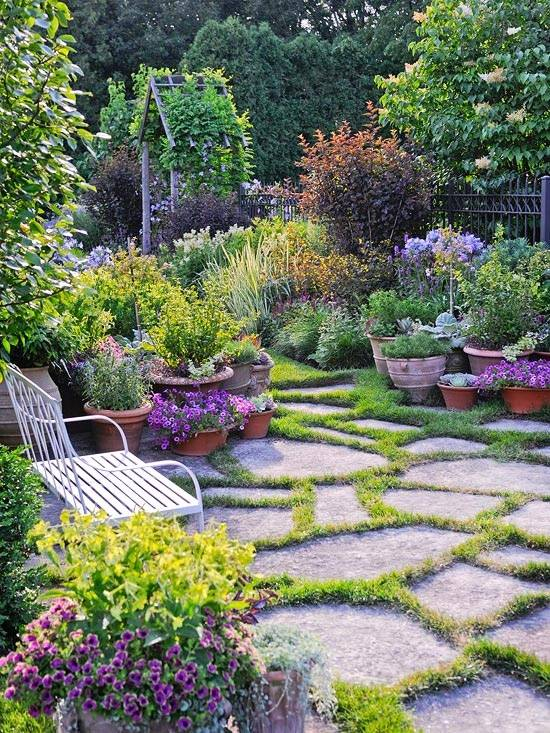
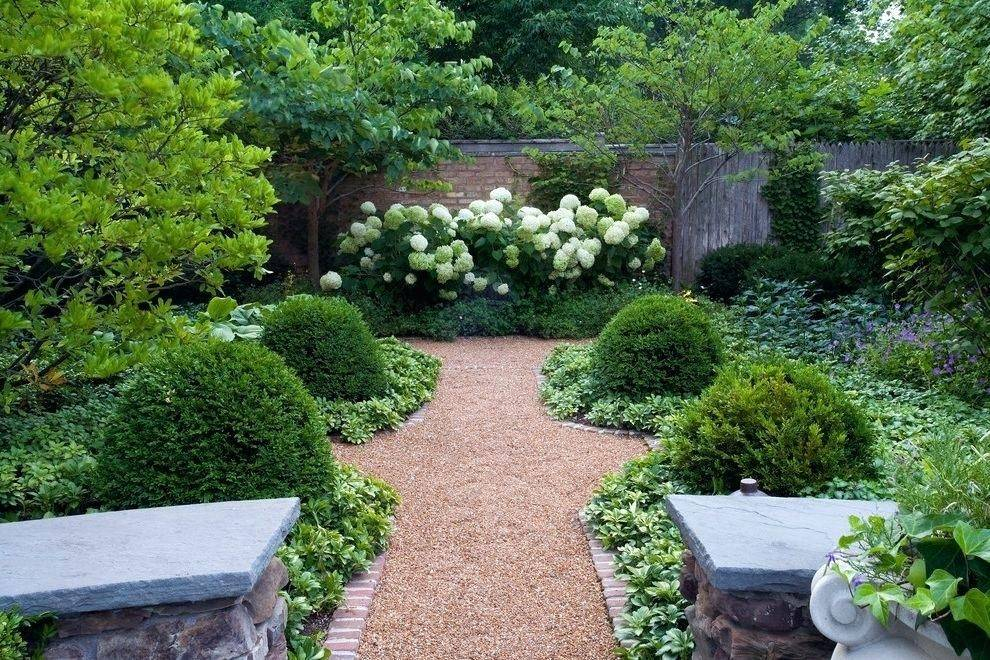
Hardscaping—paths, walls, patios, and decks—often gets locked into symmetrical thinking. We tend to center the patio door and build a square deck. But asymmetry can soften these hard edges. Consider a path that curves gently through the garden, disappearing behind a shrub. It invites exploration. A straight, central path tells you exactly where to go. A curved, off-center path suggests there is more to discover. It slows you down. You can use materials like irregular flagstones or gravel to enhance this natural feel. The key is to avoid perfect lines. Let the edges blur slightly into the planting.
Water features are another fantastic element to use asymmetrically. A formal fountain demands symmetry. But a naturalistic pond or a simple stone basin does not. Place a small waterfall in one corner of the garden, surrounded by mossy rocks and ferns. Balance it with an open, sunny meadow on the other side. The sound of the water draws you in, while the open space provides a counterpoint. This creates a sensory balance. The noise and activity of the water are offset by the silence and stillness of the meadow. It’s a holistic approach to design that engages more than just the eyes.
Lighting also benefits from an asymmetrical approach. Instead of lining a path with identical lanterns, use uplighting to highlight specific trees or architectural features. Cast shadows on one side of a wall to create drama, while leaving the other side softly illuminated. This play of light and dark adds depth and mystery to the garden at night. It extends the usability of the space and creates a different mood after sunset. The goal is to guide the eye and create pockets of intimacy, rather than flooding the entire area with uniform brightness. It’s about setting a scene, not just providing visibility.
One of the biggest misconceptions about asymmetrical gardens is that they are high-maintenance because they look so curated. In reality, they are often easier to care for. Because they mimic natural systems, they are more resilient. Plants are grouped by need, so watering and feeding are more efficient. There is less pressure to prune everything into perfect shapes. You can let a lavender bush grow a bit wild, as long as it fits the overall composition. This relaxed approach to pruning saves time and reduces stress. It allows you to spend more time enjoying the garden and less time fighting it.
However, asymmetry does require a different kind of attention. You need to observe. Since there is no rigid template to follow, you must rely on your eye to determine when something looks off. Does one side feel too heavy? Has a plant grown too large and overwhelmed its neighbors? You might need to move things around occasionally. This is part of the joy. The garden is a living artwork that evolves. In 2026, more gardeners are embracing this dynamism. They see changes not as failures, but as opportunities to tweak and improve. It’s a collaborative process with nature.
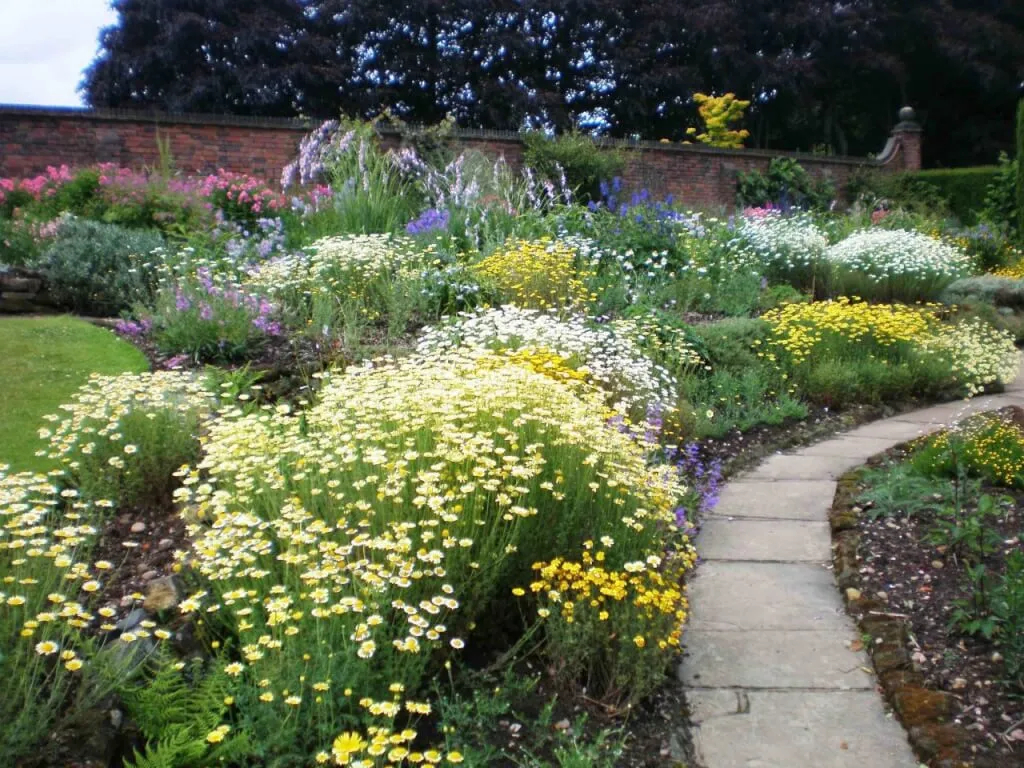
Seasonal changes also play a bigger role in asymmetrical designs. In a symmetrical garden, if one plant fades, the balance is broken. In an asymmetrical garden, the focus shifts. As spring bulbs fade, the emerging foliage of perennials takes over. As summer flowers wane, the structural elements of grasses and shrubs come to the forefront. By choosing plants with different peak seasons, you ensure that the garden always has interest, even if it’s not uniform. This succession of bloom and texture keeps the space feeling fresh and alive throughout the year. It’s a reminder that beauty is transient, and that’s okay.
Stepping back, the move toward asymmetry is really about reconnecting with the natural world. It’s about accepting imperfection and finding beauty in the unexpected. It challenges us to look closer, to feel the weight of a leaf, the curve of a branch, the shadow of a stone. It asks us to trust our instincts rather than following a rigid set of rules. And in doing so, it creates spaces that are not just visually pleasing, but emotionally resonant.
So, where do you start? Look at your garden with fresh eyes. Identify the elements that feel forced. Where are you trying too hard to make things match? Try removing one pair of plants. Replace them with a single, striking specimen. Or maybe shift a path slightly off-center. See how it feels. Experiment. Play. There is no wrong answer, only what feels right to you. The beauty of asymmetry is that it is deeply personal. It reflects your unique perspective and your connection to the land.
In the end, a garden is not a showroom. It’s a sanctuary. It’s a place to breathe, to think, to be. By ditching symmetry, you create a space that welcomes you as you are. Messy hair and all. It’s a space that grows with you, changes with you, and supports you. And isn’t that what a garden should be? So grab your trowel, forget the ruler, and let nature lead the way. You might just find that the most beautiful designs are the ones you never planned.