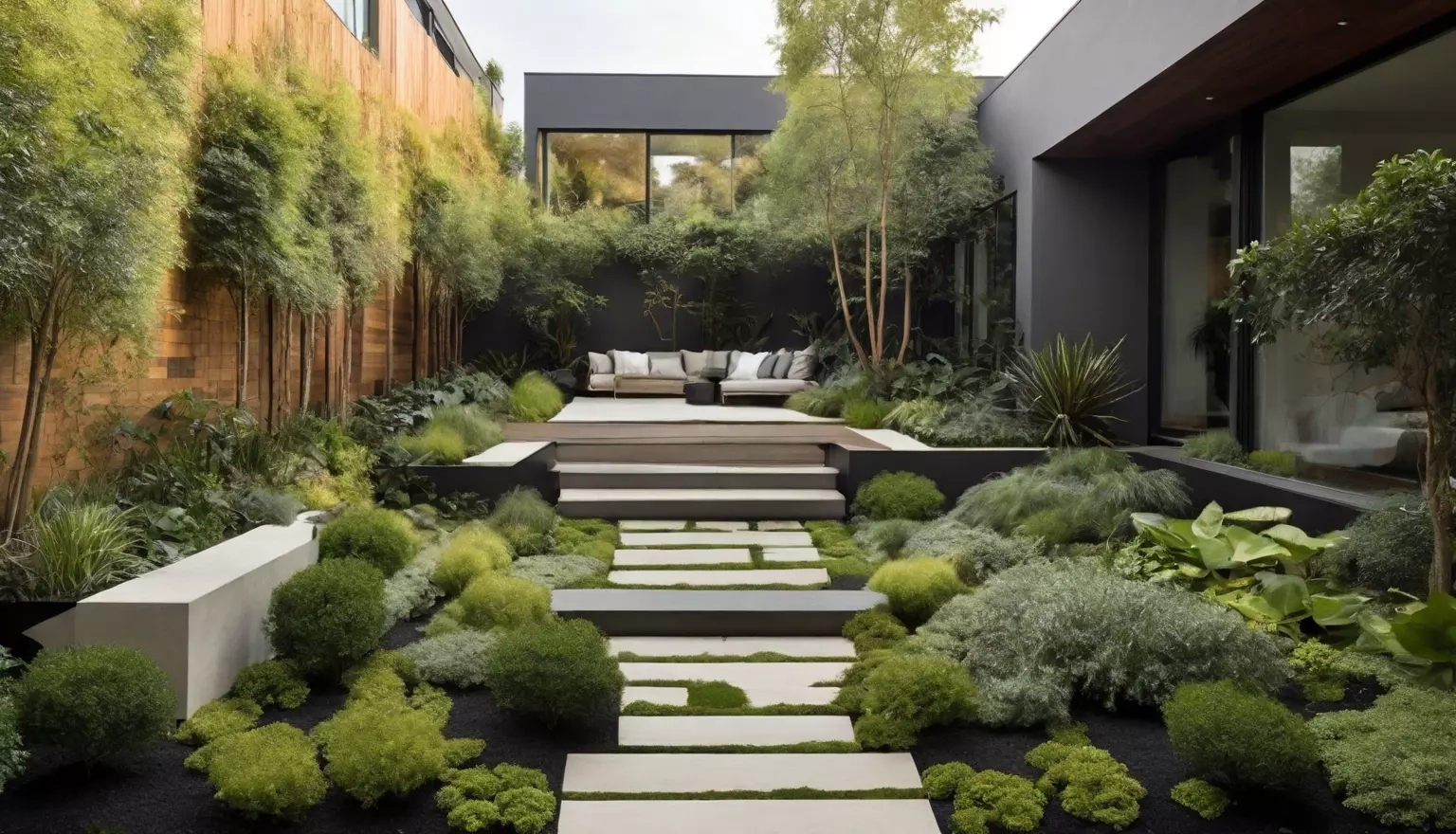

It’s hot out there. Like, really hot. If you’ve stepped outside in a city lately, you’ve probably felt that wall of heat hitting you the moment you leave the air-conditioned bubble of your home or office. It’s not just uncomfortable; it’s dangerous. And then there’s the rain. When it comes, it doesn’t just drizzle; it pours, overwhelming drains and turning streets into rivers. We’re living in a world that feels increasingly volatile, right? The weather isn’t just changing; it’s throwing tantrums. But amidst this chaos, there’s a quiet revolution happening. It’s not being led by tech giants or politicians alone. It’s being led by people who look at a vacant lot, a flooded street, or a scorching parking lot and see something else entirely. They see potential. They see a sponge. They see a forest.
These are landscape architects. For a long time, folks thought their job was just picking out pretty flowers or arranging pavers for a patio. That view is outdated. Today, these designers are on the front lines of climate defense. They are the ones figuring out how to keep our cities from drowning or burning up. It’s a shift from making things look nice to making things work—really work—when the pressure is on. In 2026, this isn’t just a niche interest; it’s the core of the profession. They are redesigning the very ground we walk on to save us from ourselves. It’s messy, complex, and absolutely vital work. And honestly? It’s giving us a lot of hope.
We often talk about climate change in terms of massive, abstract numbers. Gigatons of carbon. Degrees of warming. It’s hard to grasp. But landscape architecture brings it down to earth. Literally. It’s about the tree that shades your bus stop. It’s about the park that absorbs the floodwater so your basement stays dry. It’s about the soil that captures carbon instead of releasing it. This article dives into how these professionals are leading the charge. We’ll look at the tools they use, the promises they’ve made, and the real-world changes happening in neighborhoods across the globe. It’s not just about survival; it’s about thriving in a new reality. Let’s dig in.
The Shift from Decoration to Defense
For decades, the role of the landscape architect was often seen as secondary. You build the building, then you call someone to "soften" the edges with some grass and shrubs. It was an afterthought. A cosmetic fix. But that hierarchy has flipped. Now, landscape architects are being brought in at the very beginning of a project. Why? Because the land itself is the first line of defense against climate impacts. You can’t bolt on resilience later. It has to be baked into the foundation.
This shift is driven by urgency. As noted by leaders in the field, including CEOs of major firms who signed a pledge in late 2024, the profession is committing to becoming zero-emission by 2040. That’s a bold promise. It means they aren’t just designing for clients; they are redesigning their own practices. They are recognizing that because they work so closely with land and water, they have a unique responsibility. They are natural leaders in creating communities that can withstand storms, heat, and rising seas. It’s no longer about aesthetics first; it’s about function, safety, and ecology.
Think about it this way: a building is a static object. It sits there. But a landscape is alive. It grows, it changes, it reacts. By treating the outdoors as a dynamic system rather than a static backdrop, designers can create spaces that adapt. If a storm gets worse, a well-designed wetland can handle more water. If the heat increases, a mature canopy provides more shade. This flexibility is key. It’s why interdisciplinary teamwork is becoming the norm. Landscape architects are now sitting at the head of the table with engineers, planners, and ecologists, ensuring that every decision respects the natural systems underneath. It’s a holistic approach. And it’s changing everything.
Cooling the Concrete Jungles
Let’s talk about heat. It’s the silent killer. In many parts of the US and around the world, extreme heat is the leading cause of weather-related deaths. Cities are particularly vulnerable because of the "urban heat island" effect. All that concrete and asphalt absorbs sunlight during the day and radiates it back at night. It creates a feedback loop of misery. But landscape architects have a powerful tool to break this cycle: vegetation.
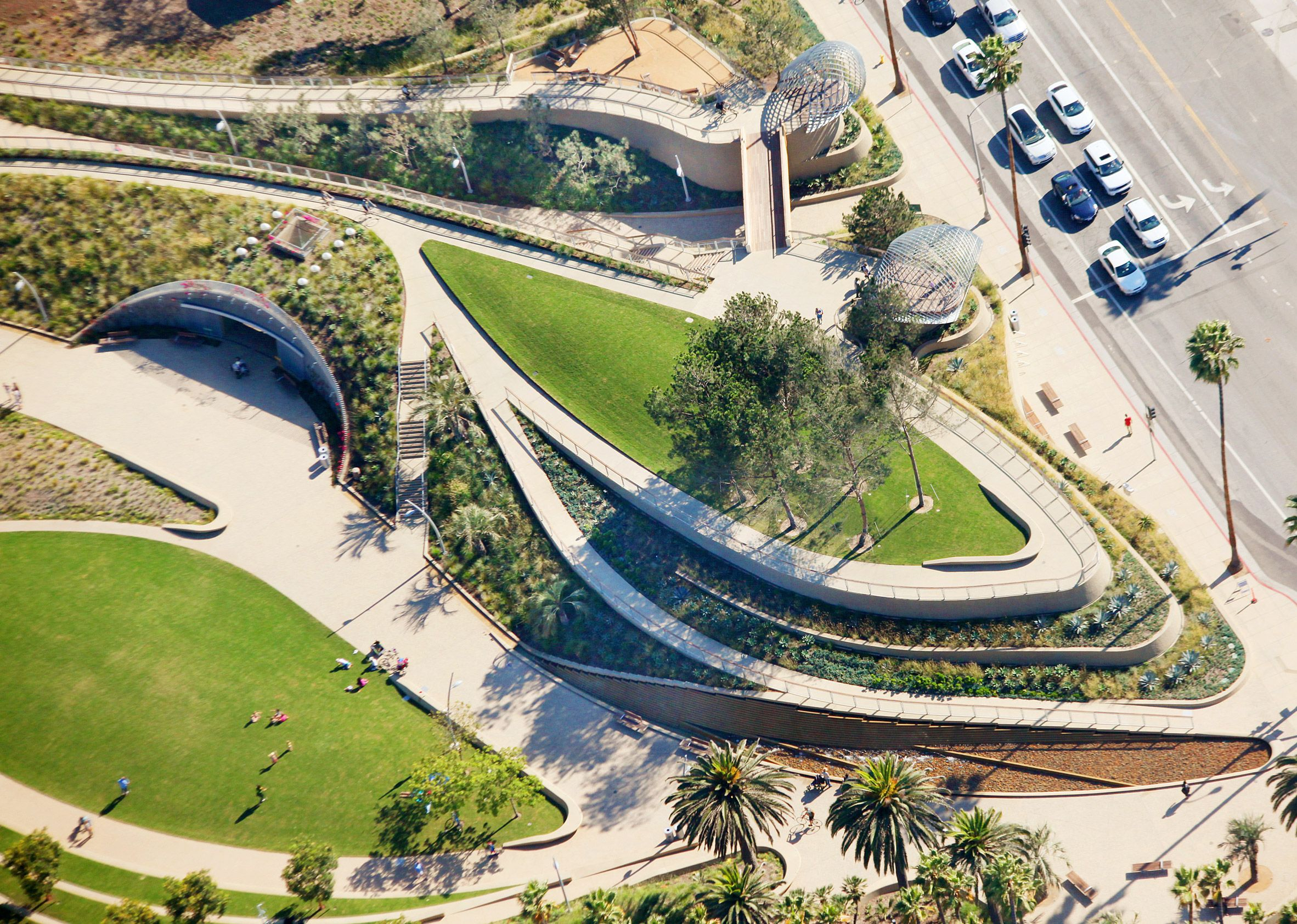
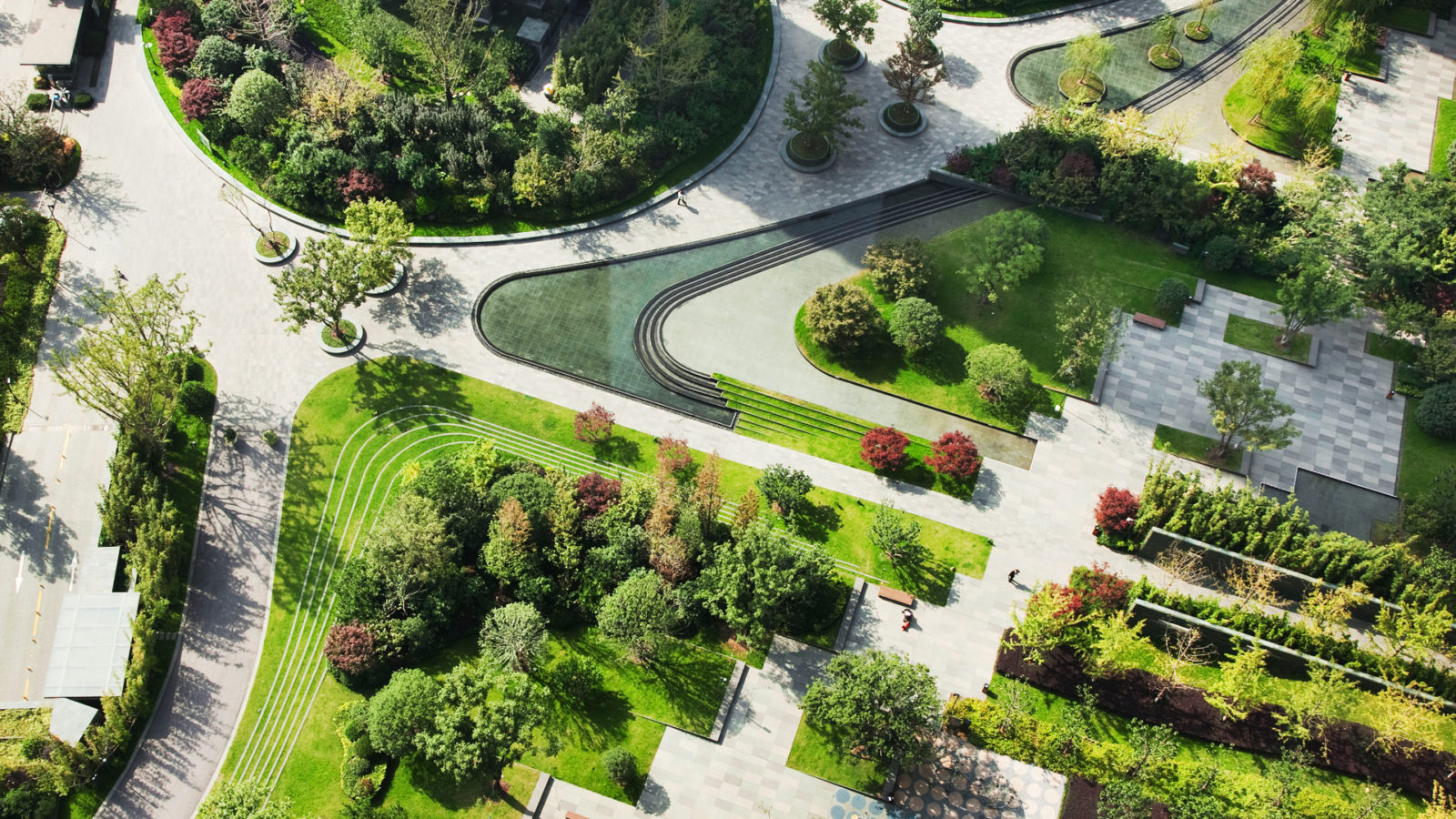
It’s not just about planting a few trees, though that helps. It’s about strategic urban forestry. It’s about designing green roofs that insulate buildings and cool the air above them. It’s about replacing blacktop with permeable pavements and lush ground covers that don’t hold heat. Recent studies and peer-reviewed evidence show that these nature-based solutions can lower local temperatures by several degrees. That might not sound like much, but in a heatwave, it’s the difference between life and death for vulnerable populations. It’s a life-saving intervention.
But there’s a social side to this too. Heat doesn’t affect everyone equally. Poorer neighborhoods often have fewer trees and more pavement. This is where climate justice comes in. Landscape architects are increasingly focused on equity. They are targeting investments in underserved communities, bringing shade and cooling to those who need it most. It’s not just about making a park look nice; it’s about ensuring that a grandmother can walk to the store without risking heatstroke. It’s about creating public spaces that are usable even when the mercury rises. This focus on social resilience—helping communities adapt and thrive—is just as important as the ecological benefits. It’s design with a conscience.
Managing Water Like a Sponge
Water is tricky. Too little, and we have drought. Too much, and we have floods. Climate change is making both extremes more common. Traditional engineering tried to control water by channeling it away as fast as possible. Pipes, drains, concrete channels. It worked for a while, but it’s failing now. The storms are too big, too fast. The old systems can’t keep up. So, what’s the alternative? We need to act like a sponge.
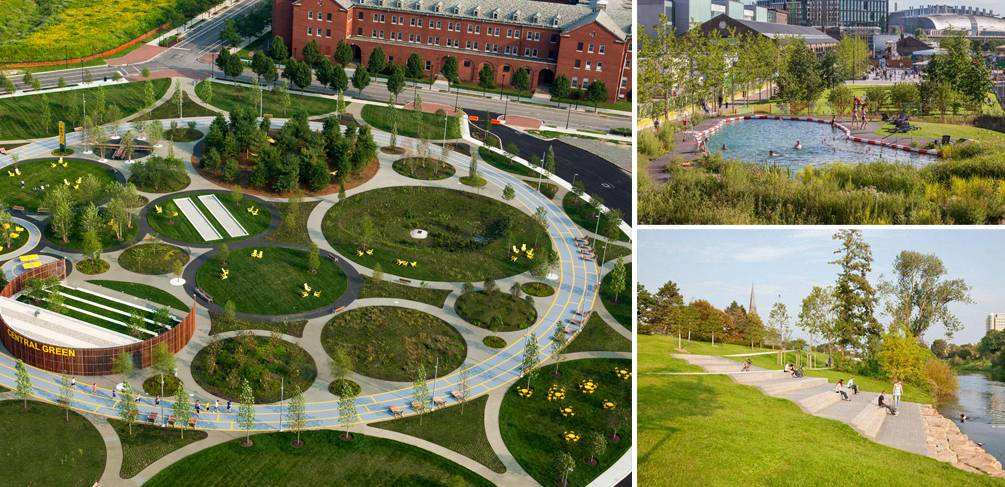
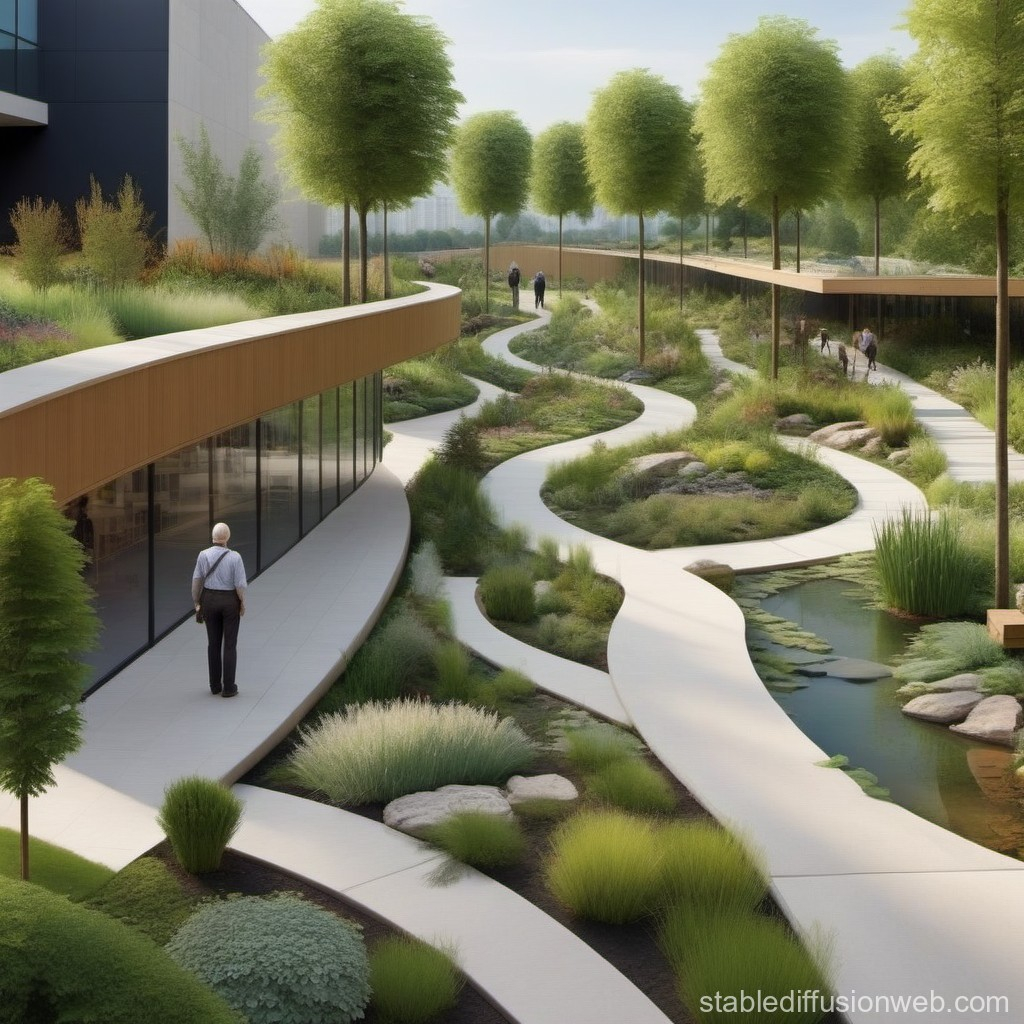
This is where green infrastructure shines. Instead of rushing rainwater into a sewer, landscape architects design landscapes that catch it, hold it, and let it soak in. Rain gardens, bioswales, constructed wetlands—these aren’t just pretty features. They are functional machines. They filter pollutants out of the water before it reaches our rivers. They recharge groundwater supplies. And crucially, they reduce the volume of water hitting the storm drains during a deluge. It’s a decentralized approach. Every park, every street median, every backyard becomes part of the solution.
The scale of this is growing. Municipalities are starting to update their shoreline resilience specifications and zoning laws to require these kinds of features. It’s no longer optional. It’s code. And it’s working. Cities that have embraced this "sponge city" concept are seeing fewer flooded basements and cleaner waterways. It’s a win-win. But it requires a different way of thinking. It requires accepting that water will be present, and working with it rather than fighting it. It’s a humble approach. And in the face of climate change, humility is a smart strategy. We can’t fight nature forever. We have to learn to dance with it.
The Carbon Drawdown Frontier
We spend a lot of time talking about reducing emissions. Stop burning fossil fuels. Drive electric cars. That’s crucial. But it’s not enough. We also need to pull carbon out of the atmosphere. We need drawdown. And guess what? Plants are really good at that. Through photosynthesis, they suck up CO2 and store it in their leaves, branches, and roots. And in the soil. Landscape architects are now positioning themselves as experts in carbon sequestration.
This goes beyond just planting trees. It’s about soil health. Healthy soil is a massive carbon sink. By using regenerative design principles—like minimizing tillage, using native plants, and avoiding synthetic fertilizers—designers can boost the amount of carbon stored in the ground. It’s about selecting materials wisely too. Concrete has a huge carbon footprint. Wood, stone, and recycled materials have much lower impacts. The profession is actively measuring these choices. Tools like carbon impact calculators are becoming standard practice. Designers can now show a client exactly how much carbon a project will save or emit.
The commitment is serious. The American Society of Landscape Architects (ASLA) joined a global coalition in 2021, pledging to limit warming to 1.5°C. They set a goal of net-zero emissions for the profession by 2040. This isn’t just talk. It’s driving research, education, and policy. Universities are training a new generation of "climate warriors," as some call them. These students are learning not just how to design, but how to advocate. They are armed with data and ready to push for transformative action. They understand that every design decision has a carbon cost. And they are determined to lower it. It’s a fundamental shift in the DNA of the profession.
Designing for Justice and Community
Climate change isn’t just an environmental issue; it’s a social one. It exacerbates existing inequalities. The people who contributed least to the problem are often the ones suffering the most from its effects. Landscape architects are waking up to this reality. They are realizing that their work has profound social implications. A park isn’t just a park. It’s a community hub. It’s a place for connection. And if it’s designed wrong, it can exclude people. If it’s designed right, it can heal divisions.
This is the heart of climate justice. It’s about ensuring that the benefits of green infrastructure are shared equitably. It’s about listening to communities. Really listening. Not just coming in with a pre-made plan, but engaging with residents to understand their needs and fears. Maybe a neighborhood needs a space for gatherings more than it needs a decorative fountain. Maybe they need safe paths for walking more than they need manicured lawns. By centering community voices, designers can create spaces that truly serve the people who live there.
And it’s not just about physical space. It’s about economic opportunity. Green projects create jobs. Maintenance, planting, construction. These are local jobs. By prioritizing local hiring and sourcing, landscape architects can help build economic resilience alongside ecological resilience. It’s a holistic view of well-being. The ASLA’s climate action plan explicitly includes advocating for social well-being and climate justice. It’s a recognition that you can’t have a healthy planet without healthy, equitable communities. It’s about dignity. It’s about belonging. And in a fractured world, that matters more than ever.
The Toolkit for a New Era
So, how are they actually doing this? What’s in the toolkit? It’s a mix of old wisdom and new technology. On one hand, there’s a return to traditional ecological knowledge. Learning from indigenous practices about how to manage land and water sustainably. On the other hand, there’s cutting-edge data. Satellite imagery, climate modeling, sensor networks. Designers can now simulate how a site will perform under different climate scenarios. They can test their designs virtually before breaking ground.
Collaboration is key. No one person has all the answers. Landscape architects are working with hydrologists to understand water flow. With botanists to select the right plants. With sociologists to understand community dynamics. It’s a team sport. And it’s happening at every scale. From a small rain garden in a front yard to a massive regional park system. The principles are the same. Work with nature. Prioritize resilience. Think long-term.
There are also policy tools. Designers are advocating for changes in building codes and zoning laws. They are pushing for incentives that reward green infrastructure. They are helping municipalities write better guidelines for development. It’s advocacy as much as it is design. And it’s working. More and more cities are adopting these standards. The momentum is building. It’s a virtuous cycle. Better designs lead to better policies, which lead to more investment in good design. It’s a pathway forward. And it’s paved with green.
We’re standing at a crossroads. The climate crisis is here. It’s not coming; it’s arrived. But we’re not powerless. We have tools. We have knowledge. And we have a group of dedicated professionals who are reimagining our world. Landscape architects are leading the charge not because they want to save the planet in a grand, heroic sense, but because they care about the places where we live. They care about the street corner, the riverbank, the playground. They know that if we get these small places right, the big picture will follow.
The journey to 2040 and beyond won’t be easy. There will be setbacks. There will be failures. But the direction is clear. We are moving towards a world that is greener, cooler, and more resilient. A world where nature is not an enemy to be conquered, but a partner to be respected. It’s a world where our cities breathe. Where our water is clean. Where our communities are strong. It’s a vision worth fighting for. And thanks to the work of these designers, it’s a vision that’s becoming real.
So, next time you walk through a park, or sit under a tree, or watch rain soak into a garden instead of running off the street, take a moment. Notice the design. Notice the intention. It’s not an accident. It’s a deliberate act of hope. It’s a statement that we can adapt. We can survive. And we can thrive. The landscape architects are showing us the way. All we have to do is follow. And maybe, plant a tree or two along the way. It’s a start. A small one, but a start. And sometimes, that’s enough to change everything.