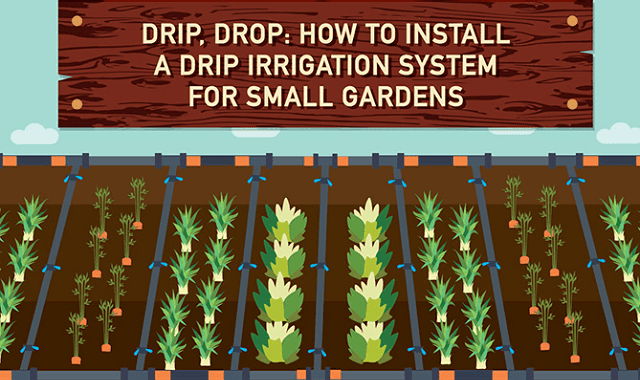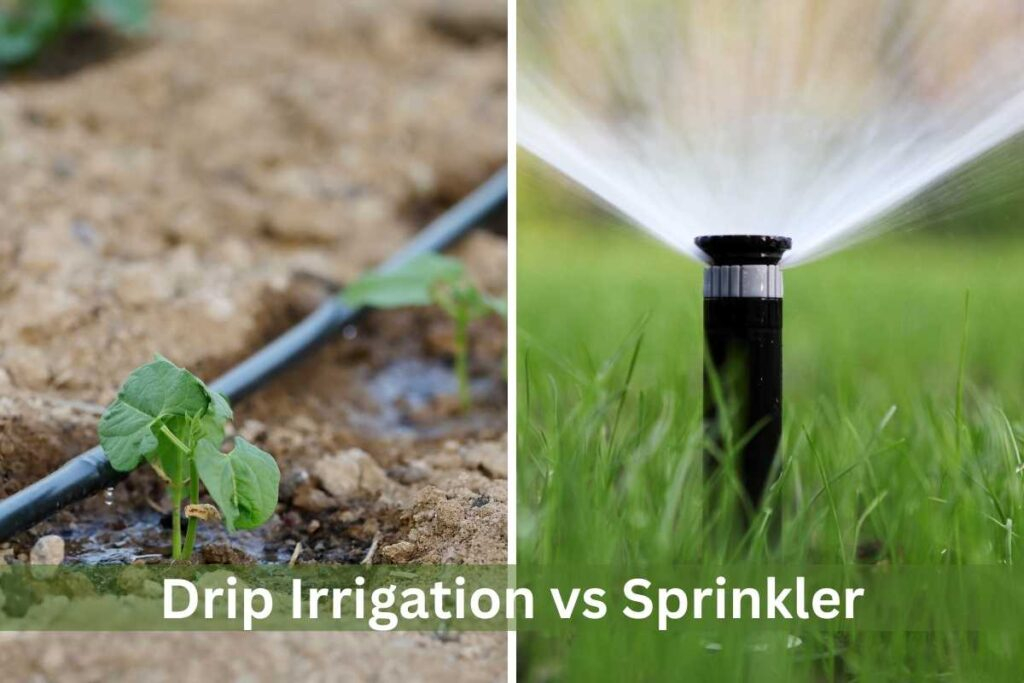

If you are tired of watching your water bill skyrocket every summer while your favorite shrubs barely survive, you are not alone. With changing weather patterns and dropping groundwater levels making traditional sprinklers feel incredibly wasteful, a lot of people are turning to drip systems. It makes total sense because sending water directly to the roots saves a ton of money and keeps plants happy.
But if you start searching online for what it actually costs to put one in, you will get some wildly confusing answers. Some websites claim you can knock it out for the price of a nice dinner, while others hand you an estimate that looks like a down payment on a car. Why is there such a massive gap? Let us pull back the curtain and look at what homeowners are truly spending on drip irrigation in 2026.
The Massive Gap Between DIY Kits and Real Life
Here is the thing. When you see a statistic online saying the average cost of a drip system is only about $310 to $815, that source is usually talking about those basic, small starter kits you buy at a local home improvement store. Those are great if you just want to hydrate a single, 100-to-275 square foot flower bed right next to your house.
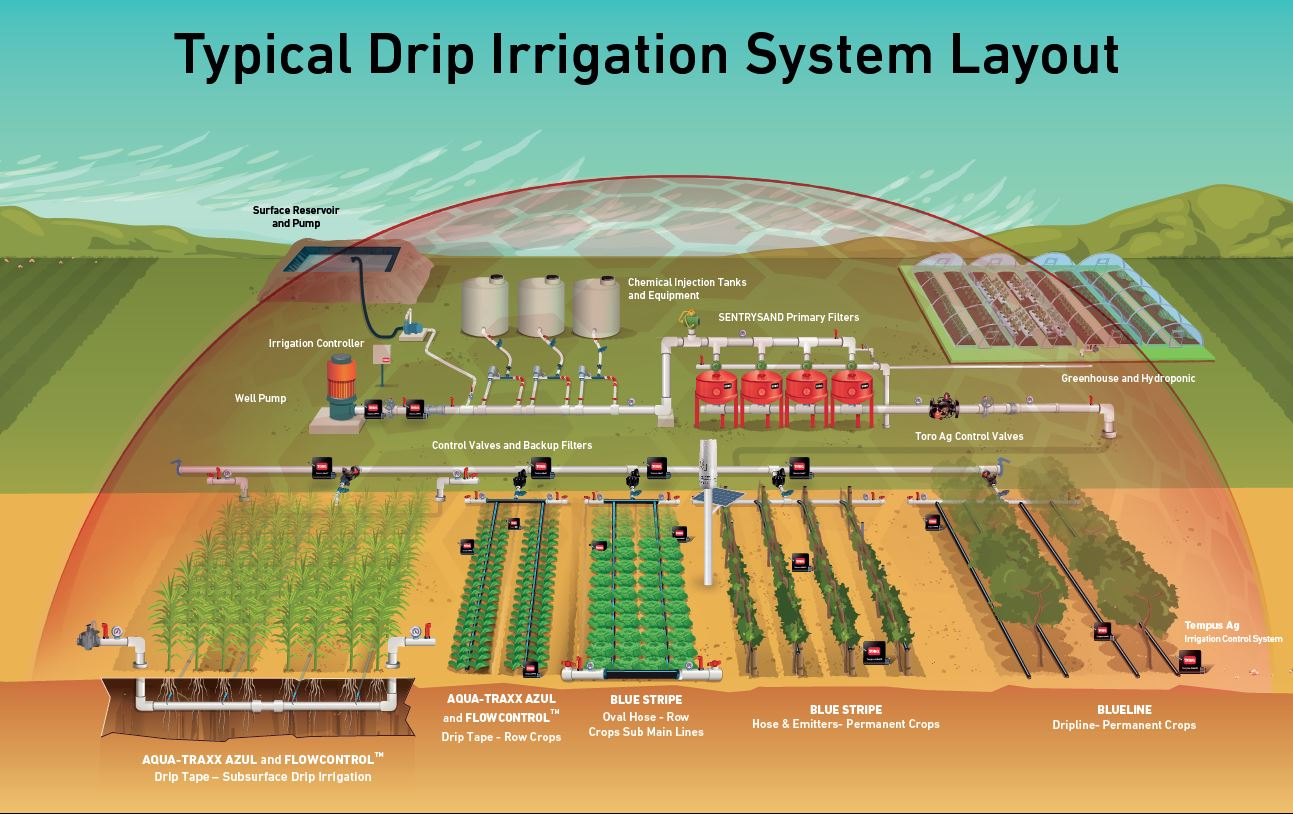
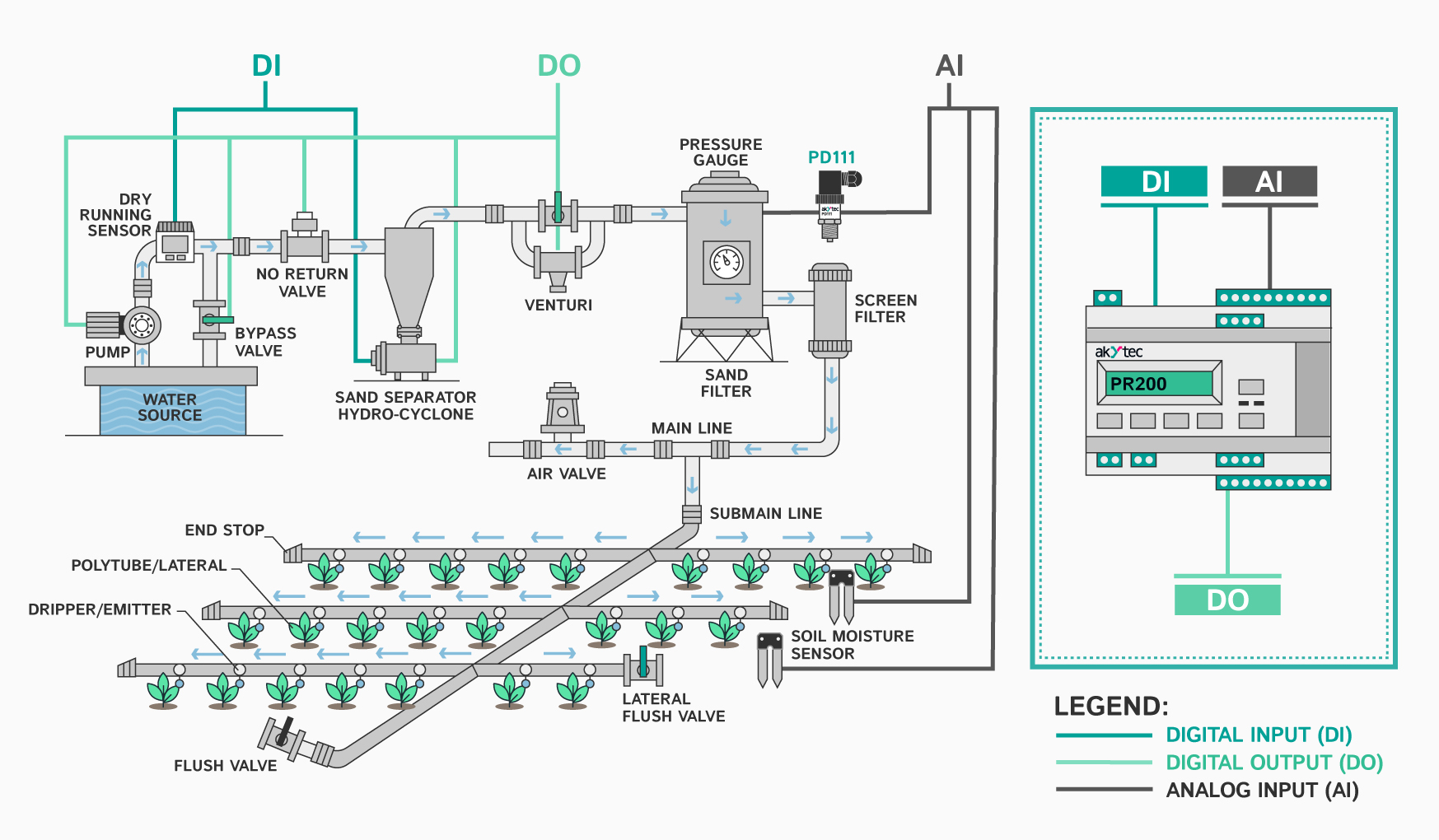
But that is rarely what a homeowner actually ends up doing. Once you decide to upgrade, you usually want to cover the whole front yard bed, the backyard garden, and maybe those potted plants on the deck. Real-world projects that people actually hire pros for involve buried tubes, pressure regulators, and automated controllers. For a full-yard setup with multiple watering zones, most homeowners find themselves spending anywhere from $1,800 to $6,500 for a professional installation.
Breaking It Down by the Square Foot
If you prefer to think about budgeting in terms of your yard’s footprint, the numbers get interesting. For a basic setup in a standard garden plot, you might look at roughly $3.25 per square foot. It sounds cheap until you start sizing up a larger property.
For more complex yards—think hills, tricky soil, or lots of separate plant islands—the price generally runs between $4 and $14 per square foot. The reason for this variation comes down to how dense the emitters need to be. A vegetable patch needs a lot more closely spaced water drops than a few spread-out ornamental trees, which directly impacts how much tubing and labor your project requires.
The Invisible Price Drivers That Catch People Off Guard
It is easy to budget for the plastic hoses and the little plastic nozzles, but the sneaky costs usually involve the parts you cannot see. For example, you cannot just hook a drip line straight to your outdoor faucet and call it a day. High home water pressure will literally blow the lines apart, so you need a dedicated pressure regulator.
Then there is the issue of automation. Nobody wants to walk outside to turn a valve on and off manually every morning. Tying the new drip lines into an existing sprinkler controller or installing a new smart, Wi-Fi-enabled hub adds a few hundred bucks to the bill real quick. Plus, if you want the ugly black tubes hidden beneath the soil or mulch rather than tripping your kids, you have to pay for the trenching labor to conceal everything neatly.
Soil, Slopes, and Regional Labor Quirks
Where you live plays a massive role in the final price tag on your invoice. If you live somewhere with soft, loamy soil, digging those shallow trenches is a breeze, and the job gets done fast. But if you are dealing with heavy clay or rocky earth, the crew has to work twice as hard, and that extra labor time reflects in your final bill.
Local permit laws matter too. Many cities now require backflow preventers to ensure garden water never accidentally siphons back into your home’s drinking supply. Getting those permits and hiring a certified plumber to sign off on the connection can easily add a couple hundred dollars to your project budget before a single drop of water even flows.
Can You Actually Save Money Doing It Yourself?
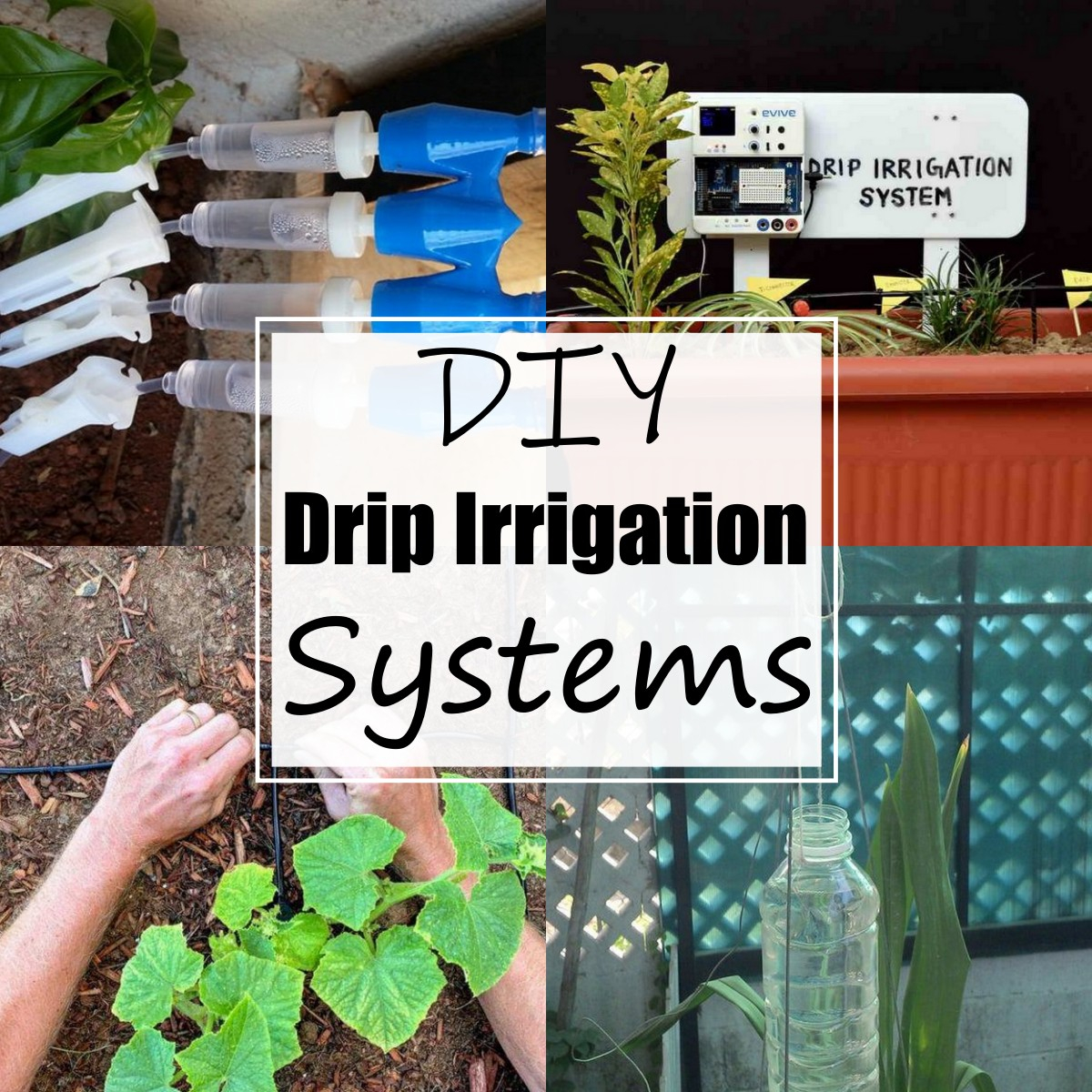
This is the golden question for the weekend warriors out there. Yes, you can absolutely save a bundle on labor if you build it yourself. Since commercial labor makes up a huge chunk of that $1,800 to $6,500 range, buying the raw materials yourself sounds like a no-brainer.
But you have to be honest about your skill level and patience. Designing a system with the proper water flow math so the plants at the very end of the line actually get water is surprisingly tricky. If you mess up the layout, you might end up with clogged lines or drowned roots. Many folks start as a DIY project, get frustrated by leaks, and end up calling a pro to fix it anyway, which ends up costing double.
Maintenance Costs Nobody Tells You About
Once your system is up and running, it is not completely hands-off forever. Drip systems need a little love to keep working right. Every winter, if you live in a place that freezes, you have to blow out the lines so the trapped water doesn’t crack the pipes.
Emitters also get clogged by dirt or mineral buildup from hard water. Expect to spend a weekend every spring walking the lines, flushing out the tubes, and replacing a few broken nozzles. If you hire an irrigation company to do this seasonal startup testing and maintenance, budget an extra $100 to $300 annually to keep things running smoothly.
Ultimately, putting in a drip system is an investment that pays off over time, especially with the rising cost of water in 2026. It stops water from evaporating into the air and puts it exactly where it matters most.
If you are working with a tight budget, start small. You can always have a pro install a main controller and one zone for your primary garden bed this year, then expand the system with extra zones later on when your budget allows. Just make sure to get a few different quotes from local installers, look closely at what parts they are including, and don’t fall for estimates that seem too good to be true.