
You look out the window. What do you see? A patchy mess of brown grass? Weeds that seem to have taken over the world? Maybe just bare dirt that mocks your every attempt at gardening. It’s frustrating. Honestly, it can feel like your home is wearing an old, stained shirt when it should be dressed up. But here is the secret nobody tells you: you don’t need a massive bank account to fix it. Not in 2026.
The idea that beautiful yards cost thousands is outdated. Sure, hiring a crew to haul in mature trees and install stone patios adds up fast. But real transformation? That happens in the details. It happens with sweat equity and smart choices. This year, more than ever, folks are finding ways to make their outdoor spaces shine without going broke. You can do this too. Let’s dig in.
Start With The Dirt Beneath Your Feet
Most people skip this step. They buy pretty flowers and dump them on hard, compacted soil. Then they wonder why everything dies. Stop. Before you spend a dime on plants, look at your soil. It’s the foundation. If the foundation is cracked, the house falls down. Same with your yard. In 2026, soil testing kits are cheaper and easier to find than ever. You can grab one at most hardware stores or even order online for under twenty bucks.
Test for pH levels and nutrients. Is your soil too acidic? Too alkaline? Once you know, you can fix it cheaply. Lime raises pH. Sulfur lowers it. Compost improves structure. Speaking of compost, start a pile. It’s free fertilizer. Toss in kitchen scraps, leaves, and grass clippings. Let nature do the work. After a few months, you have black gold. Spread it over your lawn and garden beds. It helps water soak in and gives roots something to hold onto.
Don’t ignore compaction either. If the ground is hard as rock, roots can’t breathe. Aerating your lawn is a simple fix. You can rent a machine or just use a pitchfork to poke holes every few inches. It looks weird for a day, but the grass will thank you. Healthy soil means healthy plants. And healthy plants mean less money spent replacing dead ones later. It’s basic logic, but so many forget it.
Rethink Your Lawn Strategy
Grass is thirsty. Grass is needy. And let’s be honest, maintaining a perfect green carpet is expensive. Mowing, watering, fertilizing—it all adds up. In 2026, the trend is shifting away from monoculture lawns. Why not mix it up? Consider clover. It stays green, fixes nitrogen in the soil (which means less fertilizer needed), and handles foot traffic well. It’s also drought-tolerant. You can overseed your existing lawn with clover seeds. It’s cheap and easy.
If you have bare patches, stop trying to force grass to grow there. Maybe it’s too shady. Maybe the soil is terrible. Instead, plant ground covers. Creeping thyme, sedum, or even native ferns can fill those spots. They require way less water and mowing. Plus, they look interesting. A yard with texture is more appealing than a flat green sheet. Think of it as adding rugs to a room instead of just painting the floor.
Watering smart is another huge money saver. Install a rain barrel. Catch runoff from your roof. Use that water for your garden. It’s free and better for plants than chlorinated tap water. Also, water deep and infrequently. Shallow watering encourages shallow roots, which dry out fast. Deep watering encourages deep roots, which survive heat waves. Adjust your sprinklers so they aren’t hitting the pavement. Every drop on the sidewalk is money wasted. Simple changes like this keep your bill low and your plants happy.
Use What You Already Have (And Find Free Stuff)
Look around your property. Really look. Do you have piles of branches? Old bricks? Rocks from that digging project three years ago? These aren’t trash. They are resources. Branches can be chipped into mulch. Mulch suppresses weeds and holds moisture. It makes garden beds look finished and professional. You don’t need to buy bags of it. Make your own. Or ask local tree trimming companies if they have free wood chips. They often do.
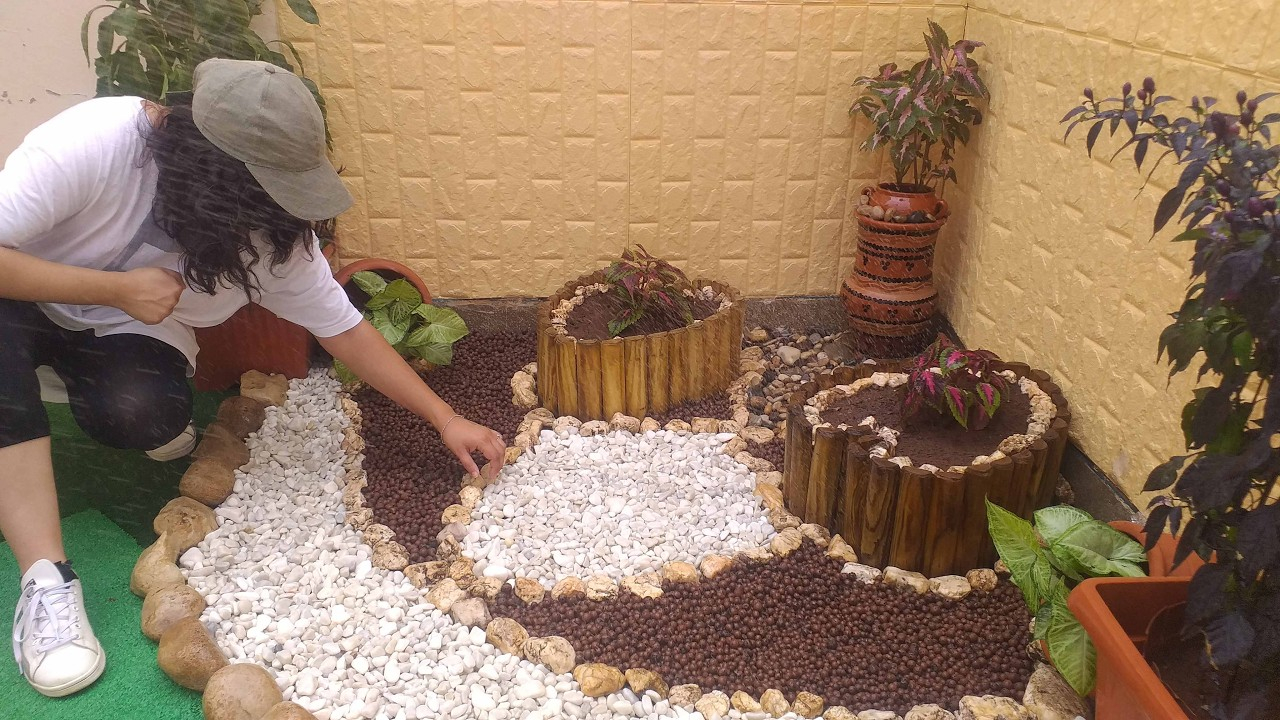
Old bricks and stones can create borders. Edging defines your space. It separates the lawn from the flower beds. It stops grass from creeping into your gardens. You don’t need fancy plastic edging. Lay down those old bricks half-buried in the ground. It looks rustic and charming. Rocks can build small retaining walls or fill in gaps. Get creative. Scavenging is half the fun. Check online community groups too. People give away landscaping materials all the time. One person’s leftover pavers are another person’s patio.
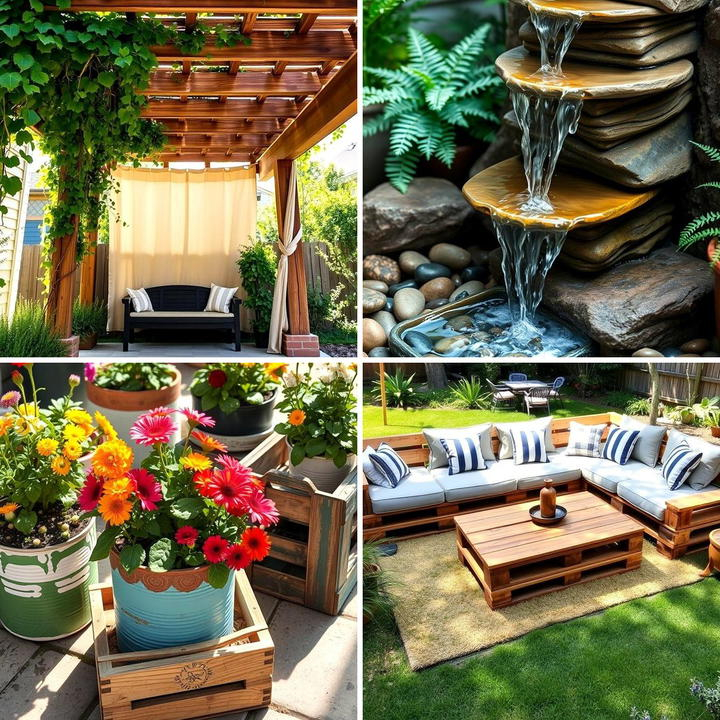
Repurpose household items as planters. An old wheelbarrow? Plant herbs in it. A cracked ceramic pot? Turn it on its side and make a fairy garden. Wooden crates? Stack them for vertical gardening. This adds personality to your yard. It shows effort and thoughtfulness. Guests notice these touches. They talk about them. It makes your space feel unique, not like a catalog copy. And it costs almost nothing. Just a bit of imagination and some elbow grease.
Choose Plants That Fight For Themselves
Stop buying delicate divas. You know the ones. The roses that get black spot immediately. The hydrangeas that wilt if you look at them wrong. In 2026, smart gardeners choose natives. Native plants evolved in your area. They know your weather. They know your soil. They need less help. This is crucial for budget gardening. Less help means less water, less fertilizer, and less pesticide.
Visit a local nursery and ask for native perennials. Perennials come back every year. Annuals die after one season. Buying annuals every spring gets expensive. Perennials are an investment. Divide them after a few years and you have free plants for other spots. Share with neighbors. Build community. Some great low-maintenance options include coneflowers, black-eyed susans, and ornamental grasses. They add height and movement. They attract pollinators too. Bees and butterflies love them.
Group plants with similar needs together. Put thirsty plants near each other. Put drought-tolerant ones in dry spots. This makes watering efficient. You aren’t wasting water on plants that don’t need it. Also, consider size at maturity. Don’t plant a tree that grows thirty feet tall under a power line. It’ll cause problems later. Plan ahead. Sketch a rough map. Know where things will go. This prevents costly mistakes like having to remove a plant because it grew too big. Patience pays off here.
Create Zones With Cheap Materials
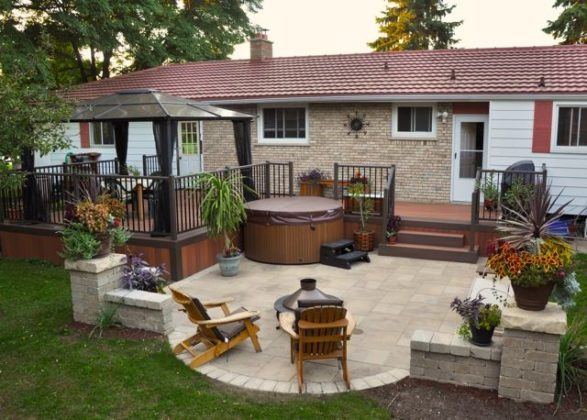
A big empty yard feels overwhelming. It lacks purpose. Break it up. Create zones. A seating area. A dining spot. A play corner. You don’t need expensive decking to define these spaces. Use gravel. It’s cheap and drains well. Lay down landscape fabric first to stop weeds. Then spread gravel. Instant patio. Add some cheap outdoor furniture or even build benches from reclaimed wood. Suddenly, you have a destination in your yard.
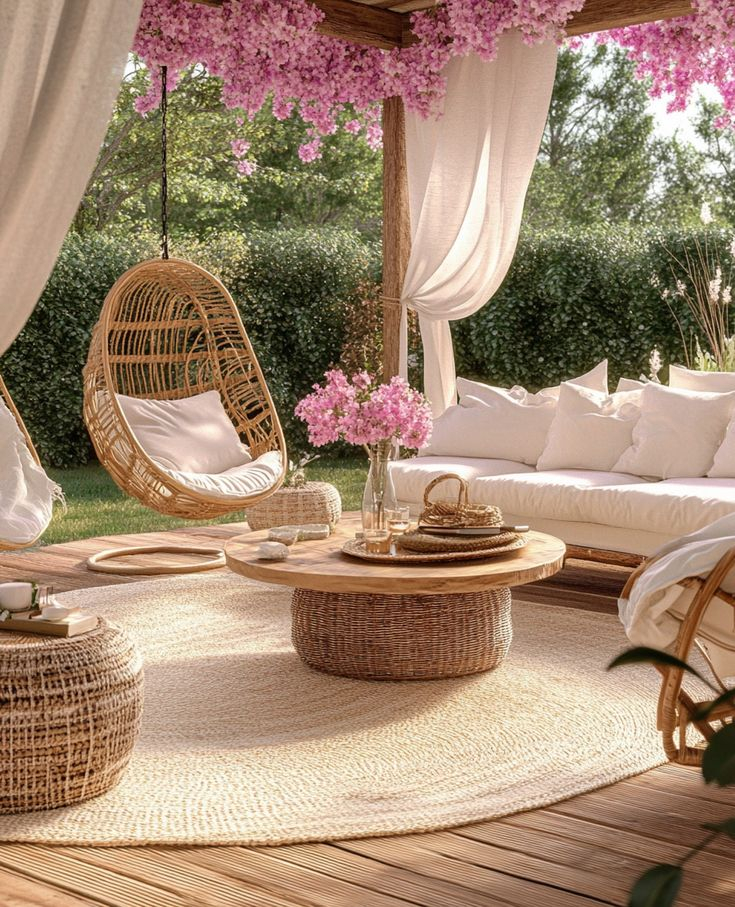
String lights are magic. They cost very little but transform the atmosphere. Hang them overhead between trees or along fences. They create a cozy vibe at night. Solar-powered lights are even better. No wiring needed. Just stick them in the ground. They charge during the day and glow at night. Place them along paths or around seating areas. Safety and style combined.
Use screens for privacy. Tall fences are pricey. Try bamboo rolls or reed fencing attached to existing structures. Grow vines on trellises. Morning glory or jasmine grows fast and smells amazing. It creates a living wall. It blocks ugly views of neighbor’s sheds or AC units. These soft barriers are cheaper than building walls. They also add greenery and life. Making your yard feel like separate rooms makes it feel larger and more intentional. It invites you to stay outside longer.
Here is the truth: yards get messy. Leaves fall. Weeds sprout. Things break. Accept it. Don’t aim for perfection. Aim for consistency. Spend fifteen minutes a day outside. Pick up trash. Pull a few weeds. Water if needed. Small daily actions prevent big weekend chores. It keeps the yard looking cared for. Neglect is what makes a yard look ugly. Not the lack of expensive features.
Clean your tools. Sharpen mower blades. A dull blade tears grass, causing brown tips. A sharp blade cuts clean, promoting health. Clean mower decks prevent disease spread. Oil your shears. Store them properly. Good tools last longer. They work better. This saves money in the long run. You won’t be buying new rakes every year. Take care of what you have. It’s a mindset shift. Respect your equipment.
Finally, enjoy the process. Gardening is therapy. It connects you to the earth. Watch things grow. Celebrate small wins. Did a seedling survive? Win. Did a weed die? Win. Don’t compare your yard to Instagram highlights. Those are curated. Real yards have bugs and mud and uneven growth. Embrace the imperfections. They tell a story. Your story. As you tweak and adjust over time, your yard will reflect your personality. And that is worth more than any professional landscaper could design. Keep going. You’ve got this.