
You step onto the lawn on a crisp spring morning, expecting the satisfying spring of healthy turf under your boots. Instead, your feet hit ground that feels suspiciously like concrete. Water pools in tiny, stubborn puddles after a brief rain shower instead of soaking in, and sparse, struggling patches of grass hint at a subterranean crisis. Beneath the green veneer of your property, a silent killer is choking your ecosystem: soil compaction. Decades of foot traffic, heavy mower weight, and natural clay settlement have squeezed the life out of the earth, sealing off oxygen, moisture, and fertilizer from reaching the root zone.
Restoring that subterranean breath requires mechanical intervention, a process that forces many property owners to ask a pressing financial question as they plan their seasonal maintenance budgets. Understanding what you should pay requires looking past vague ballpark figures and examining actual market rates, square-footage metrics, and regional labor variances. The pricing landscape has shifted, driven by equipment maintenance costs, fuel surcharges, and rising equipment rental rates, making an accurate, data-backed breakdown essential for every homeowner trying to maintain a pristine landscape without overpaying.
For decades, turf management was viewed as a weekend chore involving a rusty hand fork and sheer physical exhaustion. Today, professional landscape operations rely on heavy, gas-powered walk-behind core aerators that pull thousands of plugs of earth from the turf, leaving behind a battlefield of dirt cores that break down naturally within weeks. The stakes involve more than just aesthetic vanity; compacted soil restricts root depth, turning a vibrant green carpet into a fragile system vulnerable to drought, heat stress, and weed invasion. Knowing the financial commitment helps you navigate contractor quotes, evaluate DIY equipment rentals, and determine whether to bundle your aeration with high-end overseeding or fertilization packages.
Unpacking 2026 National Pricing Benchmarks and Square Footage Realities
The cost of hiring a professional to aerate your residential turf typically ranges from $75 to $350, with the vast majority of homeowners paying a national average of roughly $140 for a standard quarter-acre lot. When dealing with specialized contractors, pricing is rarely calculated by a flat emotional rate; it is anchored strictly to square footage. Small urban and suburban lots under 5,000 square feet generally command between $85 and $120. Medium-sized yards ranging from 5,000 to 10,000 square feet—representing the quintessential suburban property—see professional quotes clustering between $110 and $230.
As properties expand into the larger bracket of 10,000 to 15,000 square feet, or roughly a third to a half-acre, the bill climbs into the $220 to $380 range. Estates and sprawling multi-acre properties shift entirely into acreage pricing models, where per-thousand-square-foot rates drop slightly in volume, yet total project costs easily scale past $450 to $700 per visit. Service providers calculate these numbers by factoring in machine transit time, fuel consumption, and operational overhead. If a property features steep inclines, terraced landscaping, or narrow side-yard gates that prohibit commercial-grade walk-behind aerators, manual or compact machines become necessary, triggering a labor-rate markup that catches unprepared homeowners off guard.
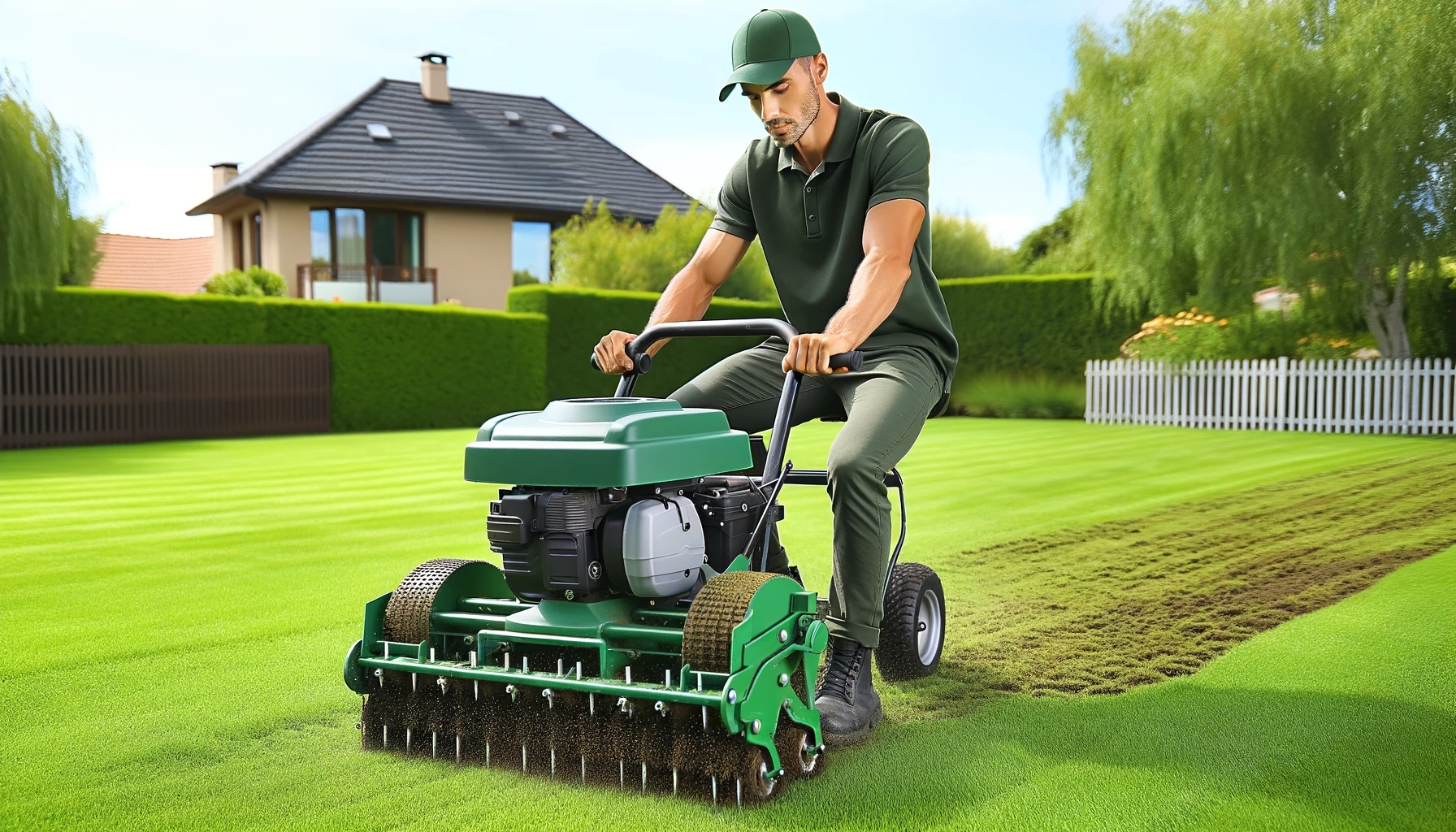
Understanding the mechanics of these price points requires examining the equipment itself. Commercial core aerators feature heavy rotating drums studded with hollow steel tines that punch deep into the dirt, extracting plugs measuring two to three inches in length. This mechanical extraction process requires significant machine investment, daily maintenance, and trailer transport. Consequently, when a local landscaping company quotes you $150 for a medium-sized yard, you are paying for commercial-grade extraction power that outperforms lightweight big-box store rental units. Recognizing the distinction between standard pricing tiers protects you from predatory quotes while ensuring your investment yields actual agronomic benefits.
Core Versus Liquid Aeration Methods and Their Financial Impact
Not all aeration methods are created equal, and the technique deployed on your turf directly dictates the final invoice. Traditional core aeration remains the gold standard endorsed by turfgrass agronomists across the country. It physically removes plugs of soil, instantly relieving severe compaction and creating open channels for water and nutrients. However, an alternative known as liquid aeration has gained significant traction in the market. Liquid treatments utilize organic compounds, humic acids, and specialized surfactants that penetrate the soil profile, breaking surface tension, loosening tightly bound clay particles, and stimulating microbial activity to naturally loosen the earth from the inside out.
Comparing the price tags reveals distinct trade-offs. Liquid aeration is often priced slightly higher per application or bundled into comprehensive year-round organic lawn care packages, typically ranging from $100 to $300 depending on total lot size. While liquid applications require less physical disruption—leaving no messy soil plugs on your pristine lawn—they do not instantly solve extreme, multi-year compaction the way mechanical core extraction does. Homeowners dealing with heavy, dense clay soils usually find that mechanical core aeration delivers superior results for the investment, whereas liquid treatments serve exceptionally well for maintenance programs or properties with delicate underground infrastructure like shallow irrigation lines and invisible dog fences.
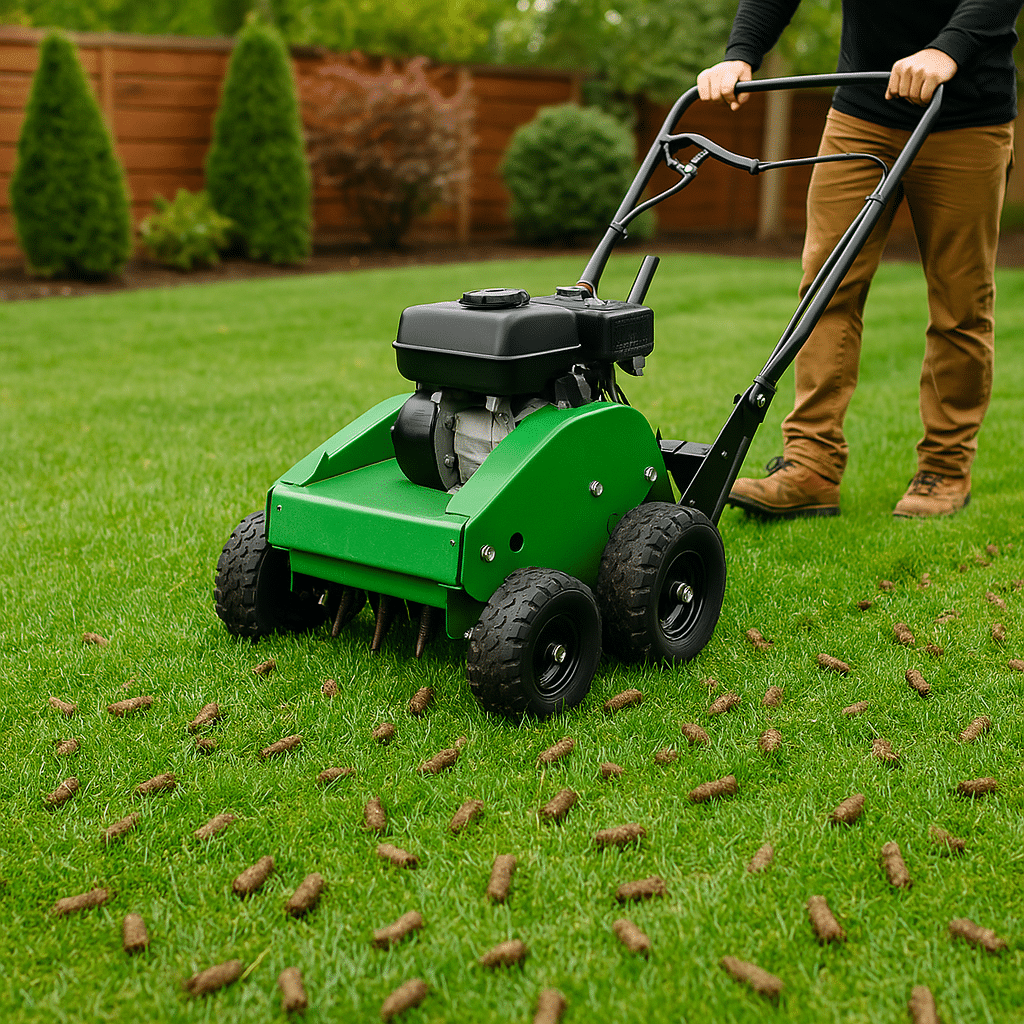
The choice between methods also influences your cleanup budget. Mechanical core aeration leaves behind hundreds of unsightly soil plugs scattered across your grass. While these cores naturally break down within two to three weeks with rainfall or irrigation, homeowners hosting upcoming outdoor events often pay landscapers an additional cleanup fee to drag mats or sweep the debris. Liquid aeration eliminates this aesthetic downtime entirely, making it attractive for urban townhomes or commercial spaces where visual presentation cannot be compromised even for a day. Weighing the upfront cost against the desired visual outcome ensures your dollars are spent on the precise mechanical solution your soil profile demands.
Step-by-Step Guide to Calculating Your True Lawn Aeration Budget
Calculating what your specific project should cost requires a methodical approach that accounts for your exact lot dimensions, regional labor rates, and essential add-on services that transform a basic aeration into a comprehensive lawn rehabilitation project.
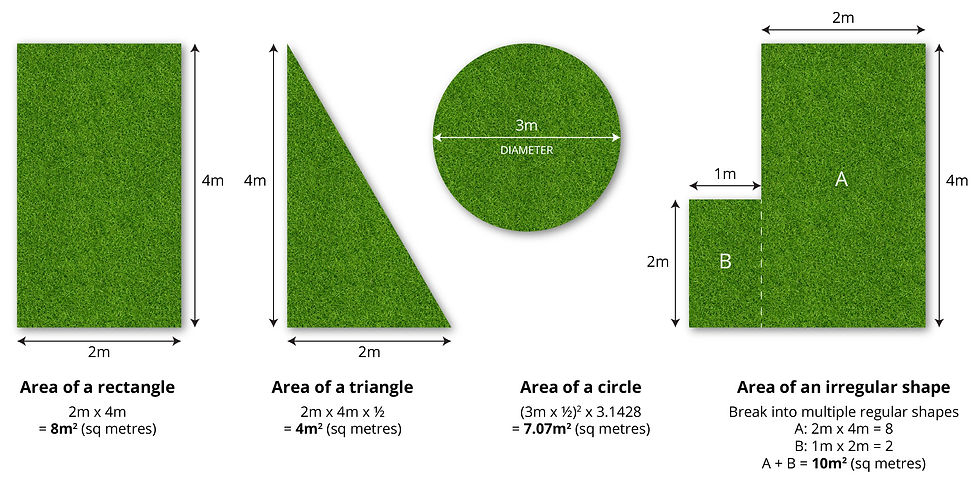
- Step 1 (Measure Your Turf Footprint): Calculate your exact turf square footage by measuring your property dimensions and subtracting the footprint of your home, driveway, patio, and permanent landscape beds to isolate the actual grass area.
- Step 2 (Select Your Aeration Method): Decide between mechanical core aeration for heavy clay and high-traffic yards, or liquid aeration if you have delicate underground lines, steep slopes, or moderate compaction.
- Step 3 (Factor in Essential Add-On Services): Budget for critical complementary treatments such as overseeding for thin patches ($100 to $400 depending on seed grade and lot size), starter fertilizer, or professional weed control applications.
- Step 4 (Account for Site Obstacles and Prep Work): Identify unique yard challenges such as narrow gates, severe slopes, or hidden sprinkler heads, and budget extra time or professional marking fees to prevent costly repair accidents.
- Step 5 (Evaluate DIY Versus Professional Quotes): Compare commercial contractor estimates against the total cost of renting a heavy walk-behind aerator, purchasing safety gear, securing fuel, and investing your own physical labor over a weekend.
Executing this framework prevents the sticker shock that occurs when an initial quote for a basic $120 aeration balloons into a $350 project once overseeding and starter fertilizer are factored into the invoice. Granular cost control starts with knowing every variable that influences the final billing statement before you sign a service agreement.
Common Pitfalls, Pricing Traps, and Field-Tested Workarounds
Navigating the landscape service industry requires vigilance against common pricing traps and operational mistakes that can damage your turf or inflate your project costs.
- Pitfall 1 (Falling for Unusually Low Promotional Rates): Beware of fly-by-night operators offering ultra-cheap $50 aeration specials, which frequently use lightweight spike aerators that actually worsen soil compaction by hammering the earth sideways rather than extracting plugs.
- Pitfall 2 (Failing to Mark Underground Obstacles): Forgetting to flag irrigation heads, shallow landscape lighting wires, and underground dog fence boundaries can result in a punctured line that turns a $150 aeration into a $500 plumbing repair bill.
- Pitfall 3 (Ignoring Seasonal Timing Windows): Scheduling aeration during the peak heat of summer stresses cool-season grasses beyond repair; always align aeration with peak root-growth periods in early autumn or mid-spring.
- Pitfall 4 (Skipping Seed Selection during Overseeding Bundles): Accepting cheap, weed-seeded bargain grass mixes from discount contractors leads to patchy turf invasion; insist on certified turf-type tall fescue or premium Kentucky bluegrass blends.
- Pitfall 5 (Renting Undersized DIY Equipment): Attempting to transport a heavy, 200-pound commercial core aerator in a standard sedan trunk instead of renting a proper trailer or delivery truck risks severe personal injury and vehicle damage.
Mastering these workarounds separates frustrated homeowners dealing with ruined turf from seasoned property managers who extract maximum value and lush aesthetic returns from every dollar spent on seasonal property care.
Holistic Perspectives on Long-Term Soil Health and Economic Value
Viewing lawn aeration merely as a one-time chore misses the broader economic and ecological value of maintaining a thriving, living soil microbiome. Compacted earth acts as a barrier to biological life, suffocating earthworms, beneficial bacteria, and fungal networks that naturally cycle nutrients through the root zone. When you invest in regular aeration—whether annually for high-traffic family yards or biennially for low-impact properties—you fundamentally improve water infiltration rates. This efficiency reduces runoff during heavy downpours, preventing precious topsoil and chemical fertilizers from washing away into local storm drains and municipal water systems.
From a real estate perspective, professional curb appeal directly influences property valuation. A dense, weed-free, emerald-green lawn signals meticulous home maintenance and structural care to prospective buyers before they even step across the threshold. The modest annual investment of $100 to $300 for professional turf aeration pays dividends by protecting your larger landscaping investments. Without proper root aeration, expensive turf installations, seasonal fertilization programs, and automated irrigation systems operate at a fraction of their potential efficiency, wasting water and nutrients on soil that cannot properly absorb them.
Sustainable landscaping practices further emphasize the importance of mechanical and biological soil conditioning. By opening up the earth, you reduce the need for excessive chemical inputs because deep-rooted grass naturally crowds out weeds and resists grub infestations without requiring heavy pesticide interventions. This holistic approach harmonizes manicured aesthetic standards with ecological stewardship, proving that caring for your lawn properly is both an economic investment in your property’s value and a commitment to environmental health in your local community.
Actionable Recommendations and Strategic Framework for Homeowners
Translating this knowledge into a concrete action plan requires defining your specific property goals, evaluating your physical capabilities, and timing your interventions with precision. For homeowners possessing moderate-sized yards under 10,000 square feet, hiring a reputable local lawn care professional for core aeration combined with overseeding generally represents the highest return on investment. The physical strain of wrestling a heavy rental machine combined with equipment transport hassles often outweighs the minor financial savings of a DIY weekend project.
When requesting quotes from local providers, always insist on a transparent, itemized estimate that explicitly distinguishes between the base aeration fee, overseeding material costs, and fertilization add-ons. Verify whether the contractor uses commercial core extraction equipment rather than tractor-mounted spike attachments. If your property features delicate underground utility lines or complex decorative landscaping beds, confirm that the service agreement includes professional marking guarantees or clear liability terms for accidental property damage.
Finally, integrate aeration into a broader, multi-season turf management calendar. Pair your autumn aeration and overseeding program with a balanced pre-emergent weed control schedule in early spring and proper mowing height adjustments throughout the growing season. This comprehensive framework transforms your turf from a high-maintenance headache into a resilient, self-sustaining green sanctuary that enhances your daily quality of life and elevates your property’s long-term market value.
The health of your residential landscape reflects the unseen world operating beneath the surface. When you commit to relieving soil compaction through professional aeration, you are investing in the foundational vitality of your entire property ecosystem. The financial commitment—ranging from modest DIY rental fees to comprehensive professional service packages—pales in comparison to the long-term rewards of vibrant, drought-resistant, emerald-green turf that welcomes family and friends season after season.
As you look toward your upcoming seasonal maintenance schedule, take a proactive approach rather than waiting for your lawn to signal distress through bare patches and standing water. Evaluate your yard size, assess your soil composition, and secure trusted professional quotes early to lock in favorable rates. By treating your soil with the technical precision and care it demands, you lay the groundwork for a stunning landscape that stands strong against the elements for years to come.