
You stand in your backyard, squinting against the midday sun. The contractor has just left, handing you two quotes that look wildly different. One is for a sleek, poured concrete slab. The other is for interlocking pavers. The concrete number is lower. Much lower. It’s tempting to sign on the dotted line right then and there. After all, who doesn’t love saving a few thousand dollars upfront? But here’s the thing about home improvement projects: the initial price tag is rarely the whole story. It’s just the admission fee.
We often forget that hardscaping isn’t a "set it and forget it" deal. It’s a living part of your home that breathes, shifts, and weathers storms. In 2026, with material costs fluctuating and labor rates climbing, understanding what happens after the installation is crucial. I’ve talked to homeowners who swore by their concrete driveways until a tree root lifted a slab, costing them more to fix than the original install. I’ve spoken to others who loved their pavers until they realized the weeds between the joints required a weekly battle. Neither option is perfect. But one might be hiding costs that will sneak up on you when you least expect it.
Let’s pull back the curtain. We aren’t just talking about sweeping leaves. We are talking about structural integrity, aesthetic longevity, and the sheer hassle factor. By the end of this, you’ll know exactly where your money goes over ten, fifteen, or twenty years. You’ll see why the cheaper option today might be the expensive headache tomorrow. And vice versa. It’s time to look at the true cost of ownership.
The Upfront Illusion: Why Initial Quotes Mislead
When you get those bids, the difference is stark. According to recent data from HomeGuide and LatestCost, pouring concrete typically runs between $4 and $15 per square foot. Pavers? They start around $10 and can climb to $30 or more per square foot, depending on the pattern and material quality. On paper, concrete wins. It’s a no-brainer for a tight budget. But this comparison is like buying a cheap car without checking the fuel efficiency or insurance rates. It ignores the complexity of the base work.
Concrete seems simple. You dig, you pour, you smooth. Done. But if the ground isn’t perfectly compacted, or if the soil has high clay content, that slab is ticking time bomb. Pavers, on the other hand, require a much more intensive base preparation. You need layers of gravel, sand, and precise leveling. This labor-intensive process drives up the initial cost. However, that robust base is also what gives pavers their flexibility. Concrete is rigid. It fights the earth. Pavers move with it. That initial extra spend on pavers is essentially an insurance policy against ground movement.
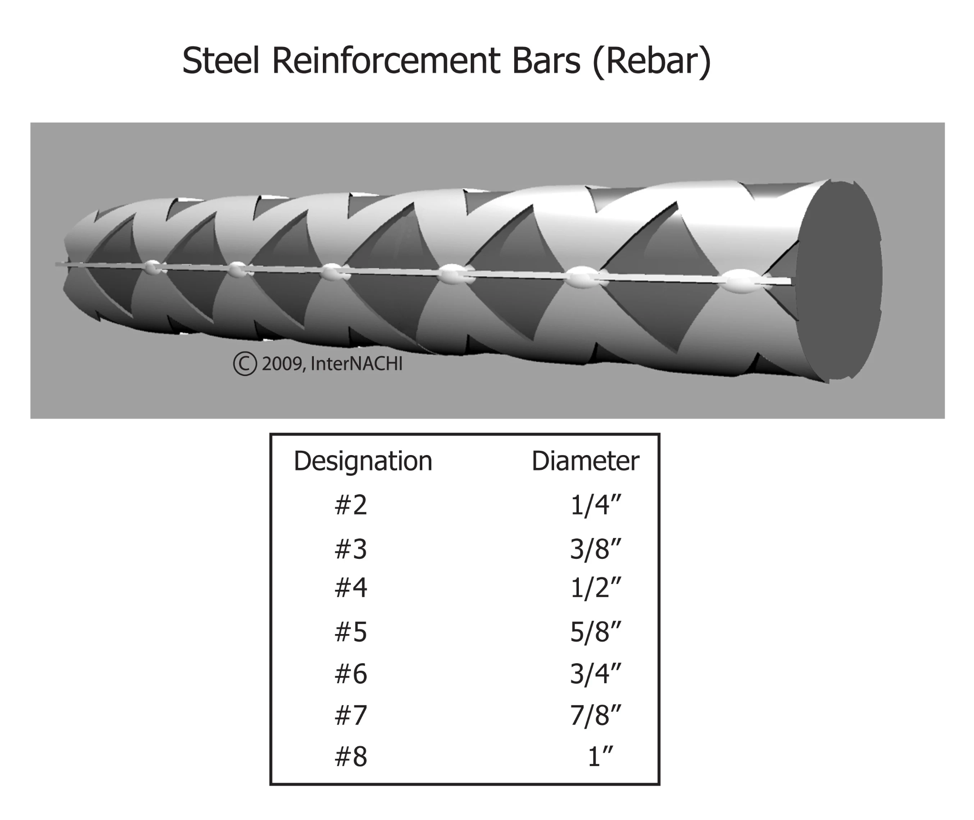
Many homeowners skip the nuance of site preparation to save money. They choose the lowest bidder for concrete, who might skimp on the rebar or the thickness of the slab. This is where the hidden cost begins. A thin slab cracks faster. A poorly prepared base sinks. You think you saved $2,000, but you’ve actually just deferred that cost plus interest. The quote doesn’t tell you how long the surface will last before it looks tired. It doesn’t account for the resale value impact either. A cracked driveway screams "neglect" to potential buyers, while a well-maintained paver patio whispers "care."
The Crack Factor: Repairing Rigid Slabs
Let’s talk about cracks. Because concrete will crack. It’s not a matter of if, but when. Temperature changes, soil settlement, and heavy loads create stress points. In colder climates, the freeze-thaw cycle is brutal. Water seeps into tiny fissures, freezes, expands, and shatters the surface. By year five, many concrete driveways show spiderwebbing or larger structural cracks. Fixing this isn’t easy. You can’t just patch it and hope for the best. Patched concrete always looks like a patch. It’s a scar on your property’s face.
If the damage is severe, you might need to mudjack or slabjack the concrete. This involves pumping a grout mixture under the slab to lift it back into place. It’s cheaper than replacement, sure, but it’s still a few hundred to a thousand dollars depending on the size. And if the slab is shattered? You have to jackhammer it out. The disposal fees alone are hefty. Then you pay for new concrete, new labor, and new curing time. During that week, your driveway is a construction zone. You can’t park there. You can’t walk across it easily. The inconvenience is a hidden cost too.
Compare this to pavers. If a section sinks or cracks, you don’t need heavy machinery. You simply lift the affected pavers, adjust the sand base underneath, and put them back. Or, if a paver is stained or broken, you swap it out for a new one. It’s like replacing a single tile on a floor. The cost? Maybe $50 for materials and an hour of your own time. No contractors needed. No waiting for cure times. This modularity is the secret weapon of pavers. It turns a major repair job into a minor weekend chore. Over ten years, these small fixes add up to significant savings compared to the looming threat of a full concrete replacement.
The Weed and War: Ongoing Aesthetic Maintenance
Aesthetics matter. We want our homes to look good. But keeping them looking good takes work. Concrete is porous. It absorbs oil from cars, rust from fertilizer bags, and dirt from rain. Over time, it turns a dull gray or develops unsightly stains. To keep it looking fresh, you need to pressure wash it annually. Sometimes, you need chemical cleaners for tough stains. These chemicals can run off into your garden, harming plants. It’s a cycle of cleaning and sealing. Speaking of sealing, concrete should be sealed every 2-3 years to protect it from moisture and UV damage. That’s another recurring cost, both for the material and the labor if you hire it out.
Pavers have their own battles, namely weeds and ants. The joints between pavers are filled with sand. Over time, this sand washes away or settles, creating gaps where seeds take root. You’ll find yourself pulling weeds or using herbicides. It’s tedious. Ants also love to nest in the sand beds, pushing piles of grit onto the surface. To combat this, you need to replenish the joint sand every few years. Polymeric sand is a popular choice because it hardens and resists weeds, but it’s more expensive than regular sand and requires careful application. If you don’t maintain the joints, the pavers can shift and become uneven.
So, which is harder? It depends on your tolerance for chores. Concrete requires less frequent but more intensive intervention (sealing, major stain removal). Pavers require more frequent, low-level maintenance (weeding, top-up sand). Many people underestimate the time sink of weeding. Imagine spending every Saturday morning plucking dandelions from your patio. For some, that’s peaceful. For others, it’s a nightmare. If you hate weeds, the cost of hiring a landscaper to treat your pavers annually might tip the scale back toward concrete. But if you enjoy tinkering, pavers offer a manageable, DIY-friendly routine.
Weathering the Storm: Climate Specific Costs
Where you live changes everything. In 2026, climate patterns are more extreme than ever. Heavy rains, intense heatwaves, and unpredictable freezes affect hardscapes differently. In hot, sunny regions like Arizona or Texas, concrete absorbs heat. It gets blazing hot to the touch. This thermal expansion can cause cracking if control joints aren’t cut correctly. Lighter colored concrete helps, but it still retains heat. Pavers, especially lighter ones, can also get hot, but the gaps between them allow for some air circulation. However, dark pavers in direct sun can warp or fade over time. UV stability is a key factor to check when buying pavers. Cheap ones will fade to a chalky white in five years.
In wet, rainy climates like the Pacific Northwest, drainage is king. Concrete slabs, if not pitched correctly, create puddles. Standing water leads to algae growth, making surfaces slippery and dangerous. Cleaning algae off concrete requires strong bleach solutions or specialized cleaners. Pavers, being permeable (if installed with permeable bases), allow water to drain through. This reduces runoff and puddling. But if the base wasn’t installed with proper drainage, pavers can hold water underneath, leading to frost heave in winter. The hidden cost here is the quality of installation. A cheap paver job with poor drainage will fail faster than a well-installed concrete slab.
Snow belt residents face the salt dilemma. De-icing salts eat away at concrete, causing spalling (flaking) on the surface. This ruins the finish and exposes the aggregate underneath. Repairing spalled concrete is difficult and often looks ugly. Pavers are generally more resistant to salt damage, but the joints can erode if washed out by melting snow. You might need to re-sand more frequently in snowy areas. Also, snow plows can catch the edges of pavers if they aren’t tightly locked, popping them out. Concrete handles plows better, provided the edge is reinforced. Knowing your local weather challenges helps you predict which maintenance bills will hit you hardest.
The Resale Reality: Value Perception and Curb Appeal
When it’s time to sell, your hardscape speaks volumes. Real estate agents often note that pavers add a perception of luxury. They look custom, intentional, and high-end. Concrete, unless it’s stamped and colored beautifully, can look generic. A cracked concrete driveway is a red flag for inspectors and buyers. It suggests underlying foundation issues or neglect. Buyers will deduct the cost of replacement from their offer, often exaggerating the estimate to give themselves wiggle room. So, that "cheap" concrete install might cost you thousands in negotiated price reductions later.
Pavers, if well-maintained, boost curb appeal. They signal that the homeowner cares about details. However, if the pavers are overrun with weeds or sinking, they become a liability. Buyers see the work involved and shy away. The key is condition. A pristine paver patio can recoup a significant portion of its installation cost in home value. Concrete rarely adds value beyond functionality unless it’s a high-end decorative finish. But even decorative concrete risks going out of style. Stamped patterns that were trendy in 2010 might look dated in 2026. Pavers have a timeless quality, especially natural stone or classic brick styles.
Consider the longevity too. A well-installed paver system can last 25-30 years or more. Concrete typically lasts 15-25 years before needing major work or replacement. When you amortize the cost over the lifespan, pavers often come out ahead. They are an investment in the long-term equity of your home. Concrete is a functional expense. If you plan to stay in your home for decades, the durability of pavers pays off. If you’re flipping the house in two years, concrete might be the smarter financial move, provided it’s done cleanly. Context is everything.
So, how do you decide? Start by looking at your total budget, not just the install quote. Add 20% for unexpected issues during installation. Then, project out ten years. For concrete, budget for sealing every three years ($0.50-$1.00 per sq ft) and potential crack repairs ($500-$1,000). For pavers, budget for annual weed control ($100/year if DIY, more if hired) and joint sand replenishment every five years ($200-$400). Run the numbers. You might find the gap narrows significantly.
Also, consider your lifestyle. Do you have kids drawing with chalk? Concrete stains easily. Do you host big parties? Spilled wine on pavers can be cleaned by lifting the stone if necessary. Do you have heavy trucks? Concrete handles weight better if thick enough. Pavers can shift under extreme point loads. Think about how you use the space. A driveway needs durability. A patio needs comfort and aesthetics. A walkway needs safety. Different areas of your property might benefit from different materials. You don’t have to choose one for the whole yard.
Finally, hire the right pro. The biggest hidden cost is bad installation. Whether you choose concrete or pavers, a sloppy job will cost you double in repairs. Ask for references. Look at their past work after it’s been there for a few years, not just fresh installs. Check reviews specifically for post-install support. A good contractor stands by their work. They’ll tell you the truth about maintenance. They won’t promise zero upkeep. Listen to them. Your future self will thank you when you’re not staring at a cracked slab or a weed-infested patio, wondering where it all went wrong.
Choosing between concrete and pavers isn’t just about money. It’s about peace of mind. It’s about knowing what you’re signing up for. Concrete offers simplicity and lower entry costs, but demands respect and eventual major repair. Pavers demand attention and higher initial investment, but reward you with flexibility and ease of fix. There is no wrong choice, only the choice that fits your life. Take a deep breath. Look at your yard. Imagine it in ten years. Which version of that future feels right? That’s your answer.