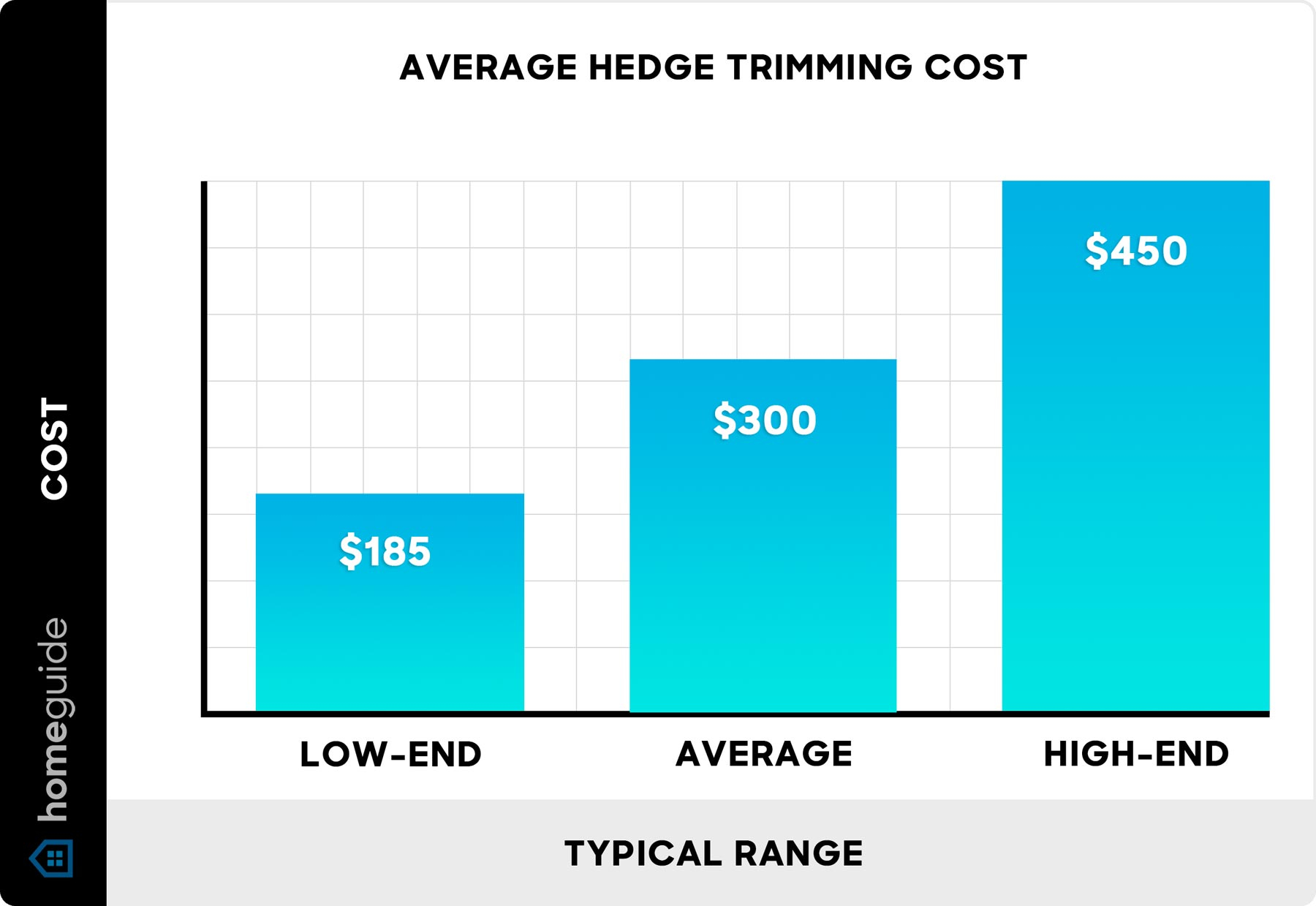

It’s a scenario that plays out on suburban streets every spring. You watch your neighbor, let’s call him Dave, waving casually at the landscaping crew as they pack up their trucks. He looks relaxed. Maybe even a little smug. Later, over the fence, he mentions offhandedly that he only paid ninety bucks to get his privet hedges shaped up. You nod politely, but inside, you’re fuming. Because you just paid three hundred dollars for roughly the same amount of greenery.
Did Dave know a secret handshake? Did he bribe the crew with lemonade? Probably not. But the difference in your bills isn’t random, and it’s rarely just about luck. In 2026, the landscape industry has shifted in ways that make pricing less transparent than ever before. What looks like a simple trim is actually a complex calculation involving access, waste disposal, liability, and even local ordinances. Understanding why your bill was higher isn’t just about saving face; it’s about taking control of your home maintenance budget.
The frustration is real. It feels unfair when the person next door gets a deal while you get stuck with the premium price tag. But once you peel back the layers of how these services are quoted and billed, the picture becomes much clearer. It turns out, Dave didn’t necessarily get a "better" deal. He just fit into a different category of service delivery. Let’s dig into the messy, often unspoken reasons why your invoice looked so different from his.
The Hidden Geometry of Access and Time
When a landscaper gives you a quote, they aren’t just looking at the height of the hedge. They are doing a mental calculus of how long it will take them to do the job, and time is money. Specifically, they are looking at "access friction." If your hedge is tucked behind a narrow gate, surrounded by delicate flower beds, or blocked by a parked car, the crew has to work slower. They might have to hand-carry clippings instead of using a blower. They might need smaller, quieter tools to avoid damaging your prized petunias. All of this adds minutes, and those minutes add up to dollars.
Dave’s hedge, on the other hand, might have been wide open. Maybe his yard is flat, with easy driveway access for a truck-mounted chipper. If the crew can pull up, trim, blow the debris directly into the truck, and leave in twenty minutes, the cost drops significantly. In 2026, labor shortages mean crews are optimizing for speed wherever possible. A job that requires careful maneuvering around obstacles is flagged as "high effort," even if the actual trimming takes the same amount of time. It’s not personal; it’s logistical.
Consider the cleanup phase, which is often where the biggest discrepancies hide. If your municipality has strict rules about leaf litter or if your HOA demands a spotless street, the crew has to spend extra time sweeping and bagging. Dave might live in an area where blowing clippings into the street gutter is tolerated (though increasingly rare), or he might have a large compost pile on-site where the crew can dump everything instantly. If you required them to bag and haul away every single leaf, you effectively paid for a waste removal service on top of the trimming. That’s a huge cost driver that isn’t always itemized clearly on the final bill.
Who Owns the Branches? The Legal Cost Factor
Here is where things get tricky, and often expensive. Property lines are invisible, but hedges are not. If your hedge sits entirely on your property, you are solely responsible for it. But what if the trunk is on your side, but the branches hang over onto Dave’s side? Or worse, what if the hedge is planted right on the boundary line? In many places, including various US states, the law says you have the right to trim branches that cross onto your property, but you must do so at your own expense and without killing the plant.
However, disputes arise when ownership is unclear. If Dave approached you and asked you to pay for trimming the shared boundary, and you hired a pro to do the whole thing, you might have paid for 100% of the work when you were only legally required to do half. Or, perhaps Dave hired someone to trim his side, but because the hedge is shared, the crew charged a premium for the complexity of negotiating who pays for what. Legal ambiguity creates administrative overhead. Crews hate getting involved in neighbor disputes, so they often charge a "dispute premium" or simply quote higher to cover the risk of having to redo work if one neighbor complains.
In 2026, more homeowners are aware of these boundary laws, leading to more nuanced requests. If you didn’t clarify who was paying for which side, the contractor likely defaulted to charging you for the entire job to avoid liability. Dave, meanwhile, might have had a clear agreement with his neighbor to split the cost, or his hedge might be entirely within his own lot lines, making the job straightforward and free of legal gray areas. Always check your survey pins before calling a crew. Knowing exactly where your property ends can save you from paying for someone else’s landscaping.
The Timing Trap and Seasonal Surge Pricing
Timing is everything, not just in comedy, but in landscaping. The demand for hedge trimming spikes dramatically in late spring and early summer. This is the "prime season." If you called your landscaper in May 2026, right when everyone was realizing their hedges had exploded over the winter, you were competing with hundreds of other homeowners. High demand allows companies to charge peak rates. It’s basic supply and demand. Dave, however, might have booked his service in late winter or early fall, during the "shoulder seasons."
Off-season pricing can be significantly lower. Landscapers are eager to keep their crews working during slower months, so they offer discounts or lower base rates to fill their schedules. If Dave scheduled his trim for November, he likely got a better rate because the crew had open slots. You, calling in the heat of the spring rush, paid the premium for immediacy. It’s similar to booking a flight; last-minute tickets during holidays cost more than those booked months in advance during quiet periods.
Furthermore, emergency or "rush" jobs carry hefty surcharges. If your hedge was obstructing a view or causing a safety issue and you needed it done "this week," you paid for that priority. Standard scheduling, which might involve waiting two to three weeks for a slot, is cheaper. Did you ask for a specific date? Did you mention it was urgent? These small conversational cues can trigger higher pricing tiers. Next time, try to plan your maintenance calendar six months out. It feels counterintuitive to think about hedges in the snow, but your wallet will thank you.
The Equipment and Expertise Gap
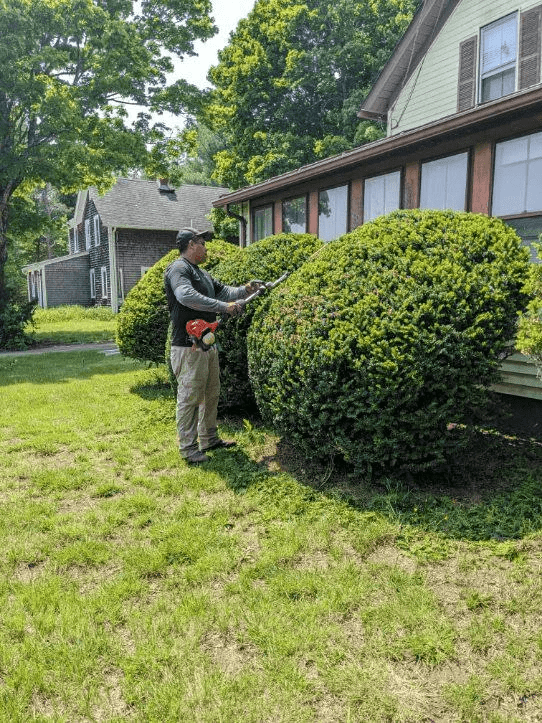
Not all hedge trimmers are created equal. There is a massive difference between a guy with a gas-powered handheld trimmer and a crew arriving with hydraulic lift buckets and professional-grade shears. If your hedge is tall—say, over six feet—it requires ladders or lifts. Working at height involves insurance risks, specialized equipment, and slower, more careful labor. If Dave’s hedges are a modest four feet high, they can be trimmed from the ground quickly and safely. The height difference alone can double or triple the cost.
Additionally, the type of hedge matters. A formal boxwood hedge requires precise, artistic shaping to look good. It’s slow, meticulous work. A loose, naturalistic privet or laurel hedge can be "roughed in" quickly with less attention to detail. If you requested a manicured, geometric look, you paid for artistry. If Dave was okay with a "good enough" trim, he paid for speed. Many homeowners don’t realize that specifying a "formal trim" versus a "maintenance trim" changes the quote entirely.
In 2026, fuel costs and equipment maintenance fees have also risen. Professional crews pass these costs on to customers, but they do so unevenly. Older, established companies with newer, more efficient electric fleets might charge less than smaller operators still relying on expensive gas models. Or, conversely, a high-end boutique landscaping firm might charge a premium for their brand reputation and insured, uniformed staff, while a casual handyman might charge less but lack the same level of finish. You weren’t just paying for the cut; you were paying for the tool, the fuel, the insurance, and the skill level of the person holding the shears.
The Bundle Discount and Relationship Economy
Landscaping companies love retention. It is far cheaper for them to keep an existing customer than to find a new one. If Dave has been with the same company for five years, getting his lawn mowed, leaves blown, and hedges trimmed, he is likely on a "bundle" plan. His hedge trimming might be discounted because it’s part of a larger annual contract. You, perhaps calling as a one-off service request, paid the full retail price for a standalone job. Single-service calls are almost always more expensive per hour than contracted work.
This is the "relationship economy" in action. Contractors prioritize their regulars. They might squeeze Dave in quickly because they know he pays on time and doesn’t complain. For a new customer, they might pad the quote to account for the unknown variables: Will this person be difficult? Will they pay late? Is their yard a nightmare? The initial quote for a new client often includes a buffer for these risks. Once you become a regular, that buffer disappears, and you start getting the "neighbor price."
Moreover, some companies offer referral discounts or neighborhood specials. If Dave referred three other people on your street to the company, he might have earned a credit toward his next service. Did you check if your landscaper had any ongoing promotions? In 2026, digital marketing means deals are often sent via email or app notifications. If you aren’t on their mailing list, you miss out on the coupons that loyal customers get automatically. It’s not fair, but it’s standard business practice. Building a relationship with a provider is the single best way to lower your long-term costs.
The Waste Disposal Wildcard
We touched on this earlier, but it deserves its own spotlight because it is the most common hidden fee. Where did the clippings go? In many municipalities, green waste disposal fees have skyrocketed in 2026. Landfills and composting facilities charge by the ton. If your hedge produced a large volume of waste, the crew had to pay to dump it. Some companies include a certain amount of waste removal in their base price, but charge extra for anything over a specific volume.
If Dave has a large wooded area in his backyard, he might have allowed the crew to leave the clippings there for him to deal with later. This is known as "back-blowing" or "on-site disposal." It saves the crew the trip to the dump and the associated fees. If you insisted on a clean yard with no debris left behind, you paid for the hauling. It’s a trade-off: convenience versus cost. Many homeowners don’t realize they have the option to keep the clippings. If you have a compost bin or a brush pile, asking the crew to leave the trimmings can slash your bill by 20% or more.
Also, consider the method of disposal. Chipping the branches on-site reduces volume significantly compared to leaving them as whole branches. If the crew had to haul away bulky, un-chipped branches, it took up more space in their truck, meaning fewer jobs per day and higher costs for you. Dave’s hedge might have been softer growth that compressed easily, while yours had thick, woody stems that required chipping or careful stacking. The physical nature of the waste dictates the logistics, and the logistics dictate the price.
So, why did your neighbor pay less? It wasn’t magic. It was a combination of easier access, off-season timing, bundled services, and perhaps a willingness to handle his own waste. It might also have been simpler legal ownership and a lower-maintenance hedge type. None of this means you were ripped off, necessarily. You likely paid for convenience, speed, and a higher level of service finish. But knowing these factors empowers you to make different choices next time.
You don’t have to accept the first quote you receive. Ask questions. Can I save money if I clear the access path myself? What if I let you leave the clippings? Do you have a discount for booking in the fall? Are there shared boundary issues we need to clarify? These conversations shift the dynamic from a passive transaction to an active partnership. In 2026, transparency is still a work in progress in the landscaping industry, but informed customers can navigate the gaps.
Ultimately, hedge trimming is about more than just aesthetics; it’s about property value, neighborly relations, and smart home management. By understanding the levers that drive cost, you can align your spending with your priorities. Maybe you value a pristine, manicured look and are willing to pay for it. Maybe you’d rather save fifty bucks and deal with a few stray branches. Either choice is valid. The key is knowing why you’re paying what you’re paying, so you can decide if it’s worth it. And maybe, just maybe, next time you’ll be the one waving casually at the truck, knowing you got the better deal.