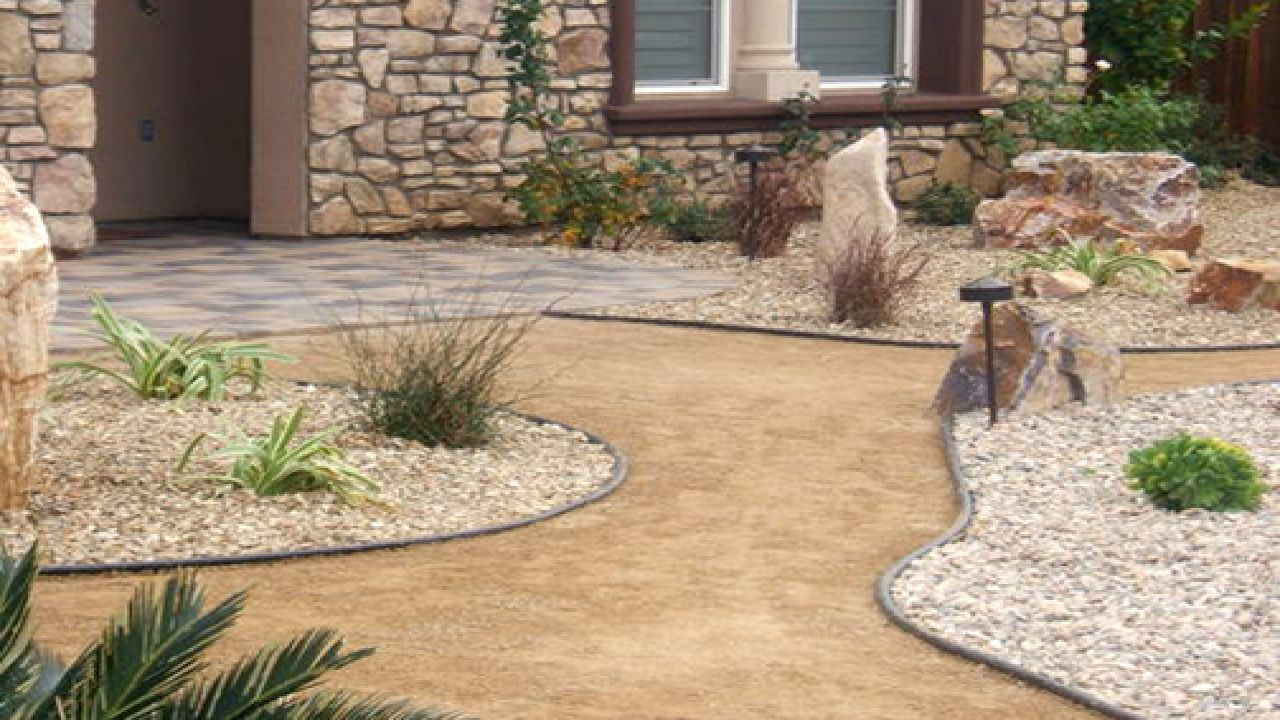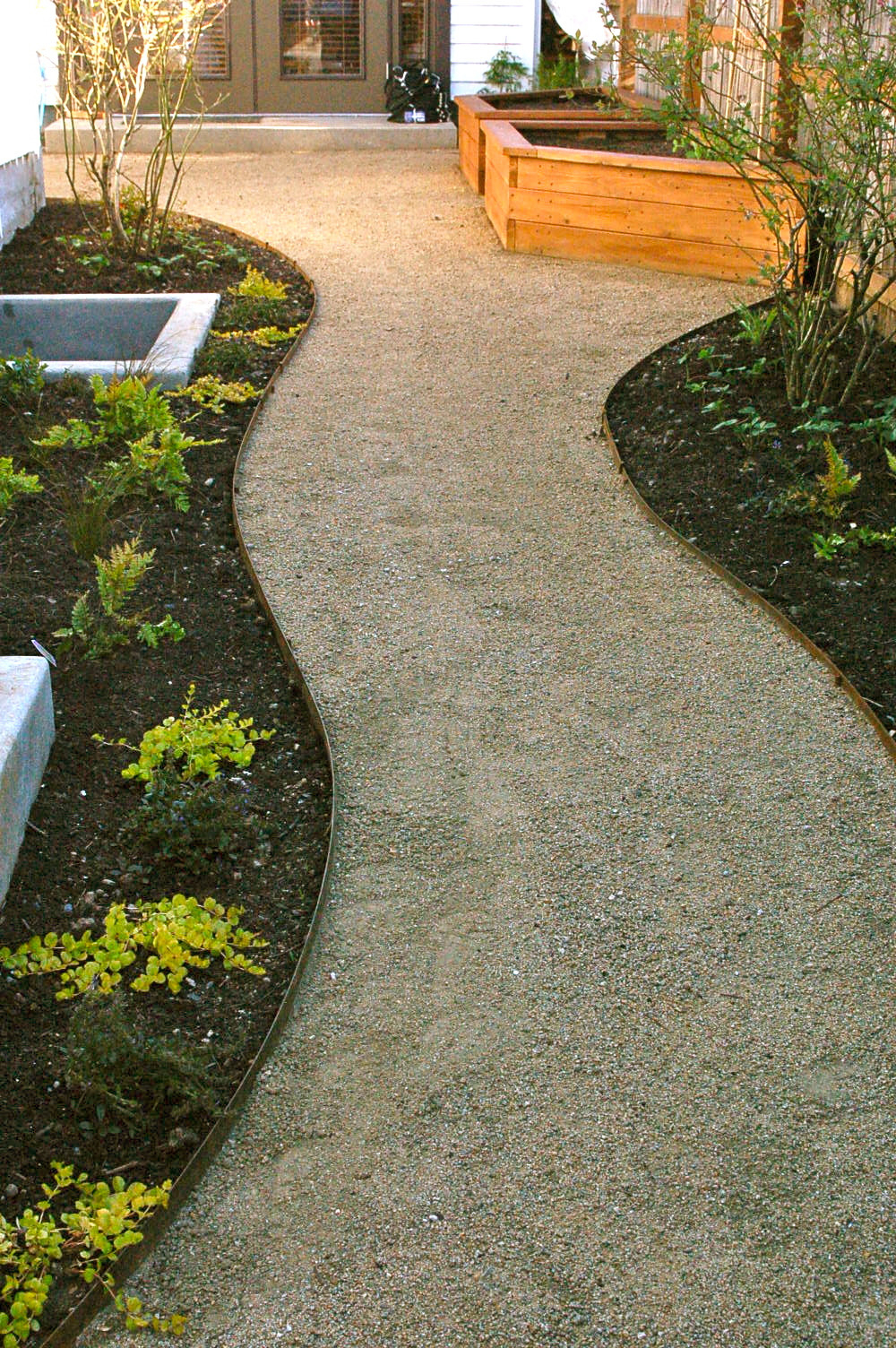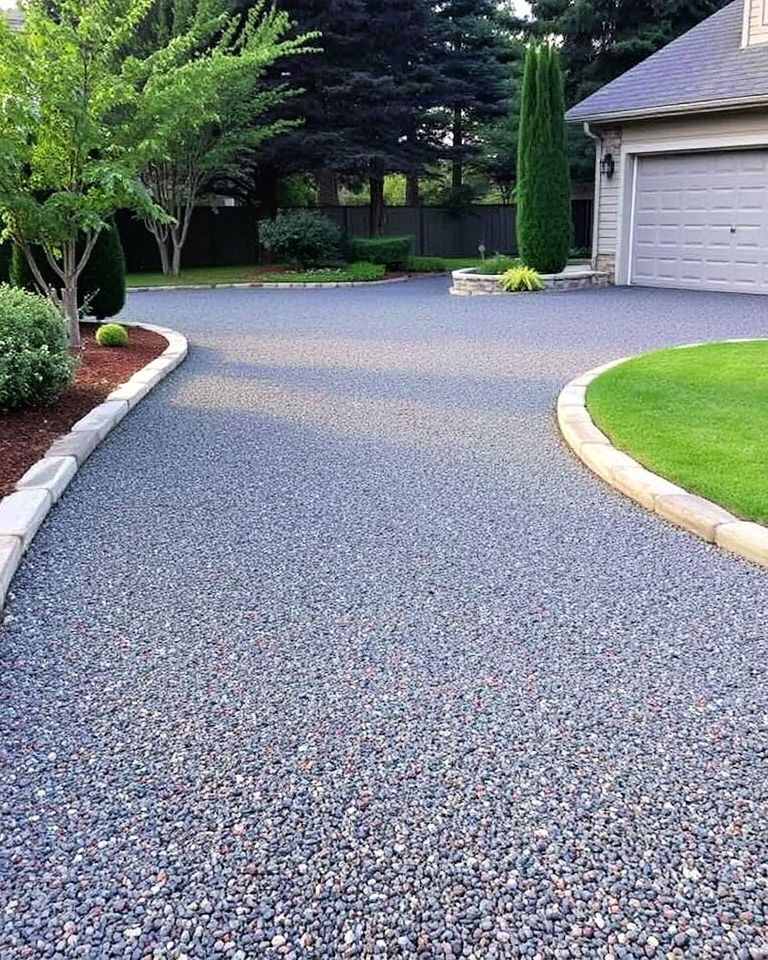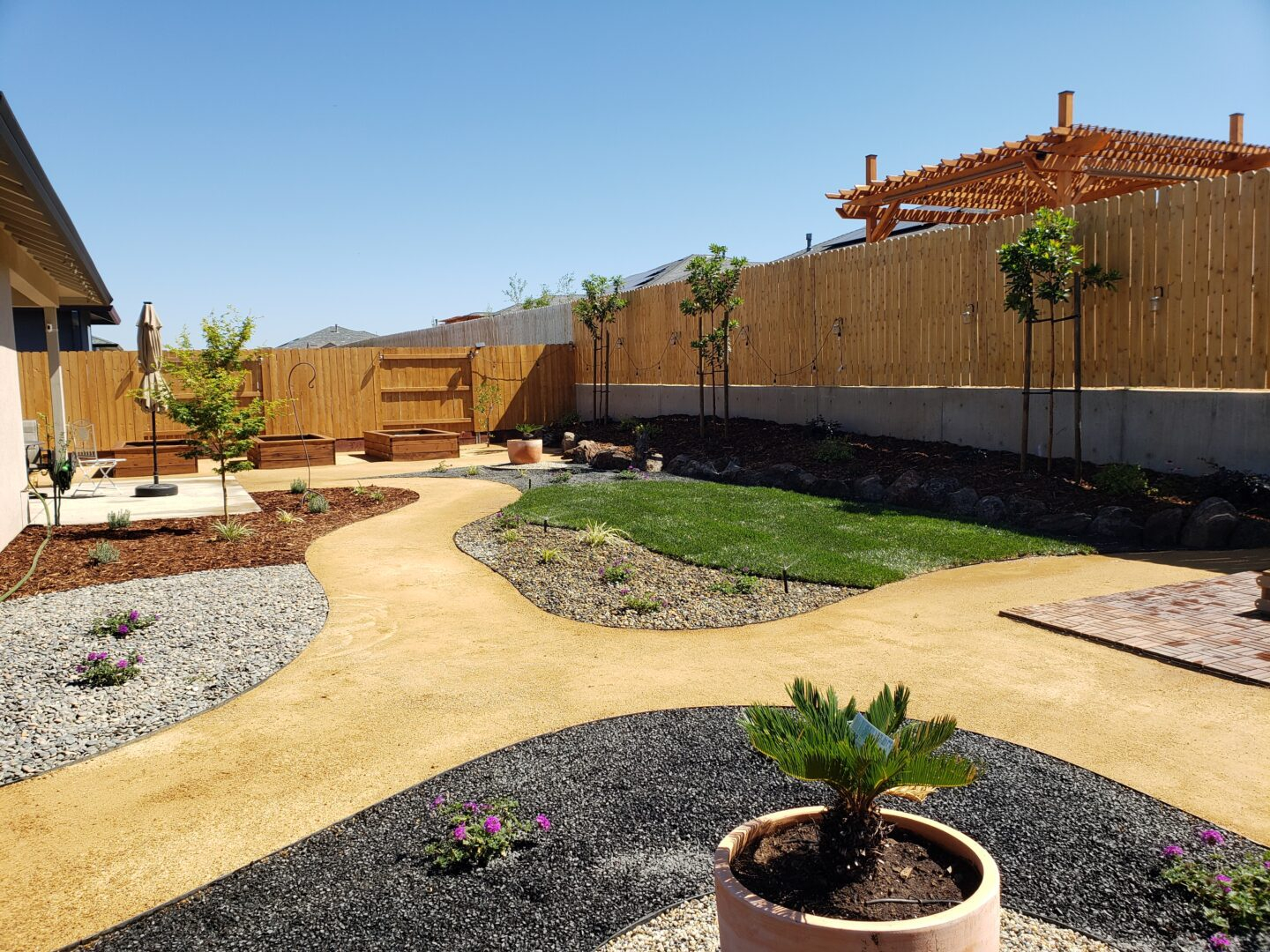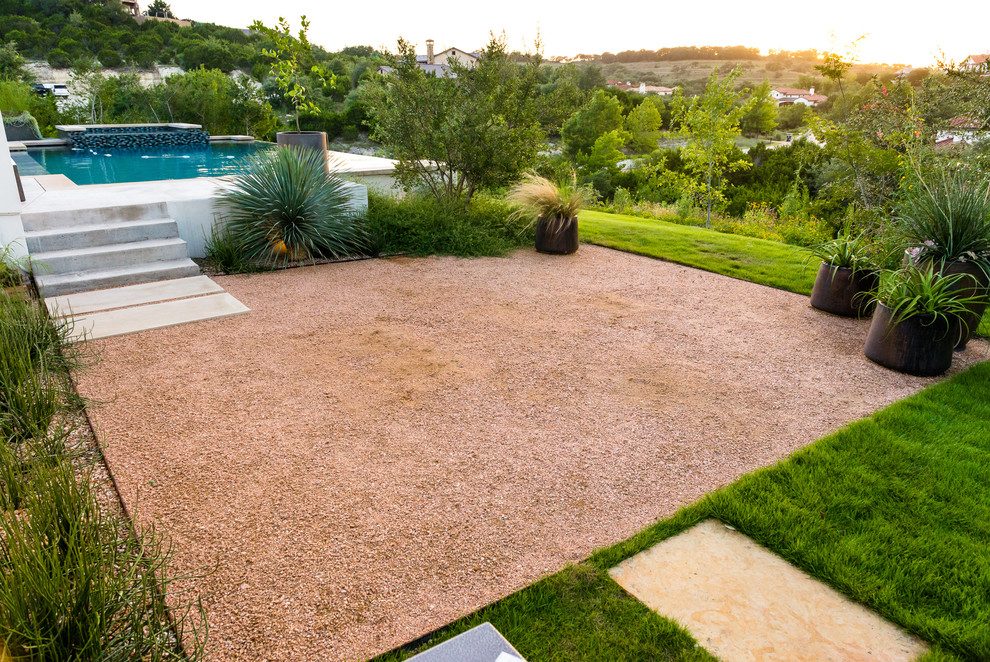

You’ve probably seen it. That warm, earthy path winding through a neighbor’s garden. Or maybe a sleek, modern patio that feels soft underfoot but looks sharp as a tack. It’s decomposed granite, often called DG. It’s everywhere these days. And if you’re planning a project, you’ve likely stared at a quote and wondered, "Wait, why is this so expensive?" or conversely, "Why is that guy’s price half of this one?"
It’s confusing. Really confusing. One supplier says $40 a yard. Another says $100. And then there’s the installer who wants another chunk of change just to spread it out. It feels like a mystery wrapped in a riddle inside an enigma. But it’s not magic. It’s logistics, geology, and a bit of human labor. Let’s break it down. No jargon. Just the real talk on what makes the price tag tick in 2026.
The Material Itself: Not All Dirt Is Created Equal
First things first. You gotta know what you’re buying. Decomposed granite isn’t just one thing. It’s a spectrum. On the low end, you’ve got your standard, natural DG. It’s loose. It’s dusty. It’s basically rock that has been weathered down by nature over millions of years. In 2026, this stuff usually runs between $40 and $80 per cubic yard. It’s the budget-friendly option. Great for rustic paths. But it moves. It washes away in heavy rain if you aren’t careful.
Then there’s the fancy stuff. Stabilized DG. This is mixed with a binder, often a resin or polymer, that locks the particles together. It acts almost like concrete but stays permeable. Water goes through, but the surface stays put. This is pricey. We’re talking $100 to $225 per cubic yard. Why? Because the manufacturing process is more complex. The materials cost more. And let’s be honest, it lasts longer. If you want a driveway that doesn’t turn into a mud pit every winter, you pay for the stabilizer.
Color plays a huge role too. Standard gray or brown? Cheap. It’s abundant. But if you want that rich, golden amber tone or a deep, dark charcoal, you’re paying a premium. These specific color ranges are quarried from specific locations. They aren’t as common. Supply and demand, baby. A finer texture also costs more because it requires more processing to crush and screen the rock down to that perfect, sand-like consistency. So, before you fall in love with a sample, check the price tag. It might sting.
Distance and Delivery: The Hidden Mileage Costs
Here’s a truth nobody likes to admit. Rock is heavy. Really heavy. Moving it around isn’t free. In fact, delivery is often the biggest variable in your final bill. If you live right next to a quarry, you’re laughing. You might pay a flat fee, or maybe even pick it up yourself if you have a truck. But if you’re twenty miles away? That’s where the meters start running.
Most suppliers charge by the mile. In 2026, with fuel prices still bouncing around, those per-mile increments add up fast. Some companies even slap on a fuel surcharge when gas prices spike. It’s annoying, but it’s reality. A load of DG can weigh several tons. A standard dump truck holds about 10 to 14 cubic yards. Hauling that weight burns diesel. Lots of it. So, the further you are from the source, the higher your per-yard cost climbs.
And don’t forget accessibility. Can a big dump truck pull into your driveway? If you live on a narrow street with low-hanging branches, the driver might not be able to get close. They might have to use a smaller truck, which means more trips. More trips mean more money. Or they might need to pump it in, which is a whole other service fee. Always ask about delivery specifics before you sign on the dotted line. It’s better to know now than to get a surprise bill later.
Installation Complexity: Labor Is Not Cheap
So you’ve bought the rock. Now it needs to go on the ground. This is where the budget can blow up. Installing DG isn’t just dumping it and walking away. Well, it can be, but it won’t look good. Proper installation requires prep. You need to clear the area. Remove grass. Roots. Rocks. Then you need to grade the soil so water drains away from your house. This is labor-intensive work.
Site preparation alone can add $150 to $2,000 or more to your project, depending on the size and condition of the land. If your yard is a slope, you might need retaining walls. If the soil is clay-heavy, you might need to bring in a different base material to ensure stability. All of this takes time. And time is money. In 2026, labor rates for skilled landscapers are high. They aren’t just digging holes; they are engineering a surface that will last.
Then comes the compaction. You can’t just rake it flat. You need a plate compactor. Maybe even a steamroller for driveways. This machinery costs money to rent or operate. And it takes skill to get it right. Too little compaction, and your path will develop ruts. Too much, and you might crack the underlying base. The depth matters too. A typical path is 2 to 3 inches deep. A driveway might need 4 to 6 inches. More depth means more material and more labor to spread and compact it. It all adds up.
Regional Market Variations: Location Matters
Where you live changes everything. Seriously. If you’re in California or the Southwest, DG is local. It’s practically in the backyard. The supply chain is short. Prices are generally lower because the transport costs are minimal. You might find natural DG for closer to that $40 mark. But if you’re in the Midwest or the East Coast? You’re importing it.
Shipping rock across the country is insane. It’s inefficient. So, suppliers in non-native regions often charge a premium to cover the long-haul freight costs. In these areas, you might see prices leaning toward the higher end of the spectrum, even for basic material. It’s not gouging; it’s geography. You’re paying for the journey the rock took to get to you.
Local regulations play a part too. Some cities have strict rules about runoff and permeability. They might require specific types of stabilized DG or additional base layers to meet code. These requirements force you into higher-priced materials and more complex installation methods. Always check with your local building department. What works in Arizona might not fly in Seattle. Knowing your local landscape laws can save you from costly re-dos.
Project Scale and Volume Discounts
Size matters. When it comes to DG, bigger is usually cheaper per unit. If you’re doing a tiny little border around a flower bed, you’re likely buying bags. Bags are expensive. You’re paying for the packaging, the handling, and the convenience. A cubic yard is 27 cubic feet. That’s a lot of bags. Buying by the bag can cost two or three times more per yard than buying in bulk.
But if you’re paving a large patio or a long driveway, you’re buying by the truckload. Suppliers love this. It’s efficient for them. One drop-off. One invoice. Because of this efficiency, they often offer volume discounts. Ordering 10 yards might get you a better per-yard rate than ordering 2. It’s worth asking. "Hey, if I bump my order up to a full truck, does the price drop?" Often, the answer is yes.
However, don’t overbuy just to get a discount. DG is heavy and hard to store. If you have leftover material, it’s just sitting there. And if you run short, ordering a second small load will kill your savings with another delivery fee. Measure twice. Buy once. Use a calculator. Remember, a cubic yard covers about 54 square feet at a 6-inch depth. At 2 inches, it covers much more. Do the math before you call the supplier.
DIY vs. Professional Installation: The Trade-Off
Can you do it yourself? Sure. If you’re handy and have a strong back, DIY is an option. You save on labor costs. That’s the big win. You just pay for material and delivery. For a small path, this could save you hundreds. Maybe even a thousand. But be realistic about the work. Digging out sod is hard. Moving wheelbarrows of wet DG is harder. Compacting evenly is tricky.
Professional installation costs more upfront. But it comes with guarantees. Pros know how to handle drainage issues. They know how to mix stabilizers correctly. They have the heavy equipment to get a smooth, hard finish. In 2026, with the rise of high-performance stabilized DGs, proper installation is critical. If you mess up the mix ratio or the compaction, the surface can fail. Cracking. Dusting. Washing out.
Think about the long term. A DIY job might look great for a year. But if it starts to degrade, you’ll spend time and money fixing it. A pro job, done right, can last a decade or more with minimal maintenance. For complex projects like driveways or large patios, the professional route is often safer. For simple garden accents, DIY might be the way to go. Know your limits. And know your budget.
So, what’s the verdict? The price of decomposed granite per cubic yard in 2026 is a moving target. It’s not just about the rock. It’s about the journey. It’s about the labor. It’s about where you live and what you want it to look like. Natural DG might sit around $40 to $80 a yard. Stabilized versions jump to $100 to $225. Add delivery, which varies by mile. Add installation, which varies by complexity.
Don’t let the numbers scare you. Just understand them. Ask questions. Get multiple quotes. Compare not just the bottom line, but what’s included. Does the quote include prep? Compaction? Cleanup? These details matter. A cheap quote that excludes prep is not a cheap quote. It’s a hidden cost waiting to happen.
At the end of the day, DG is a beautiful, versatile material. It brings a natural warmth to any landscape. It’s permeable, which is great for the environment. And with the right planning, it can fit almost any budget. Whether you go DIY or hire a pro, knowing what drives the price helps you make smarter choices. You get the look you want without the financial headache. And isn’t that what we’re all after? A beautiful home that doesn’t break the bank.