
You know that feeling. You step out onto your porch with your morning coffee, expecting crisp air and a view of your lawn. Instead, you’re greeted by a sea of brown, orange, and red. It looks pretty for about ten minutes. Then the reality sets in. Those leaves aren’t going anywhere on their own. And if they stay there too long? They smother your grass. They invite mold. They become a slippery hazard. So, you start thinking about hiring help. But then you check your bank account and wonder: is this going to cost me an arm and a leg?
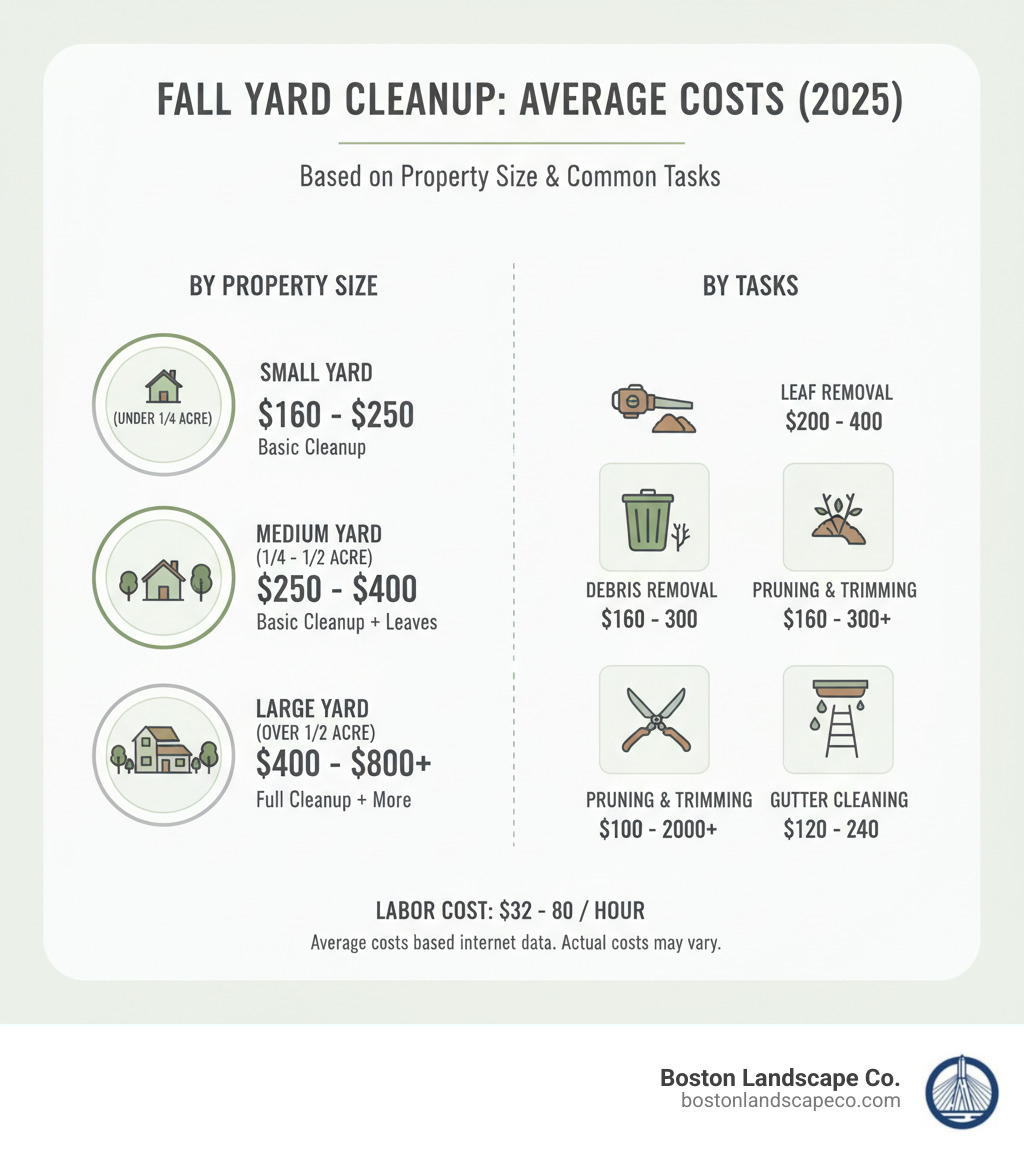
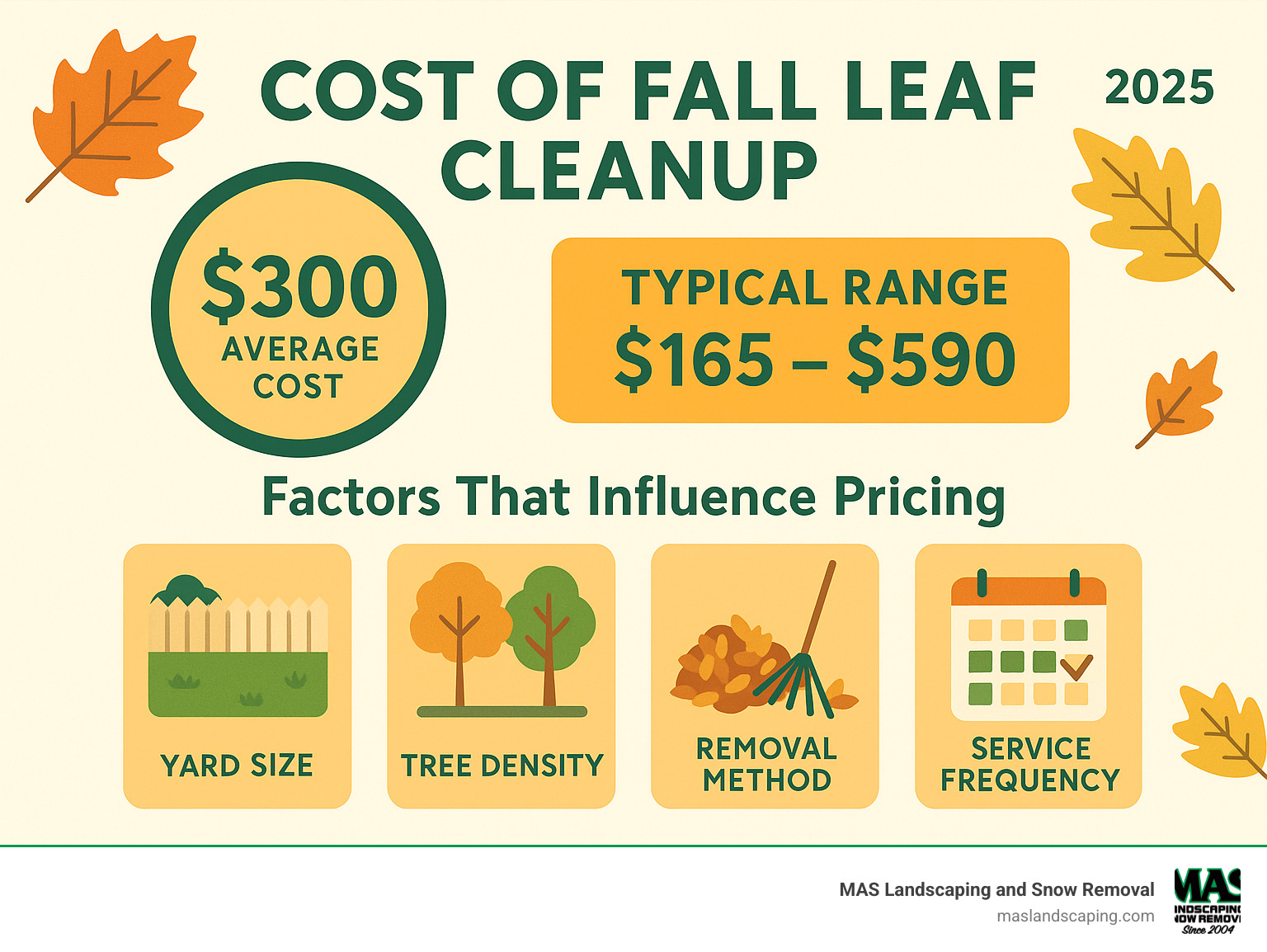
It’s a fair question. In 2026, the price tag for getting rid of autumn debris isn’t one-size-fits-all. It’s messy. Just like the leaves themselves. Some folks pay as little as $60 for a quick tidy-up. Others, with sprawling estates and dense canopies, might see bills closer to $740. Most people land somewhere in the middle, shelling out between $250 and $450 per visit. But why such a huge gap? It mostly comes down to two things: how big your yard is, and how many trees are dropping stuff on it. Let’s break it down so you know exactly what you’re paying for.
The Square Footage Factor
Let’s start with the basics. Size matters. It’s the most obvious driver of cost because it directly correlates to time. A landscaping crew isn’t charging you for the leaves; they’re charging you for the hours it takes to get them off your property. If you have a small urban lot, maybe 1/8th of an acre, the job might take an hour or two. That’s cheap. But if you’ve got half an acre or more? That’s a whole different beast.
In 2026, professionals often quote by the square foot or by a flat rate tied to lot size. You’ll typically see rates hovering between $0.02 and $0.10 per square foot. For a standard 10,000-square-foot lawn, that math puts you right in the $200 to $300 range for a basic cleanup. But here’s the catch: that’s assuming the leaves are just sitting on top of the grass. If your yard is irregular, has lots of nooks, or is hard to access with machinery, that price creeps up. Labor is the biggest expense here. Crews need to walk every inch of that space. Bigger space means more walking, more raking, and more blowing.
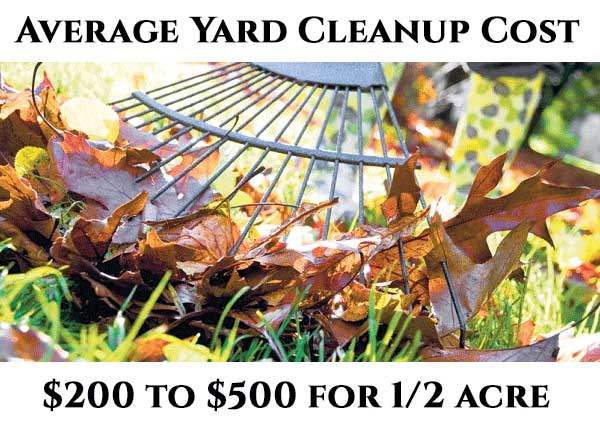
Think about it like painting a room. Painting a small bathroom is quick. Painting a great room with high ceilings takes all day. Leaf removal works the same way. A quarter-acre yard might cost around $150 to $250. Push that to a half-acre, and you’re looking at $300 to $500. Once you hit an acre or more, you’re easily in the $600+ territory, especially if the terrain is tricky. It’s not just about the area; it’s about the effort required to cover that area thoroughly.
Tree Density: The Hidden Multiplier
Now, let’s talk about the trees. This is where things get interesting, and often expensive. You might have a huge yard, but if it’s mostly open field, your leaf volume is low. Conversely, you could have a smaller yard packed with mature oaks, maples, and sycamores. Which one do you think costs more to clean? The wooded one, every time. Tree density is arguably the biggest variable in your final bill.
Why? Because volume. A single large oak can drop thousands of pounds of leaves in a season. When those leaves pile up, they don’t just sit flat. They mound. They get wet and heavy. They tangle in shrubs. A yard with high tree density requires way more labor. Crews can’t just blow everything into a pile. They have to hand-rake under branches. They have to pull leaves out of flower beds. They have to make multiple passes with the blower because the first pass only gets the top layer.
In 2026, companies are acutely aware of this. Many will ask you upfront: "How many trees do you have?" or "Is your property heavily wooded?" If you say yes, expect the higher end of the price spectrum. A lightly treed yard might stick to the $0.02 per square foot rate. A densely wooded one? That jumps to $0.08 or $0.10. It’s not gouging; it’s physics. More leaves mean more bags. More bags mean more trips to the truck. More trips mean more time. And time is money. If you’ve got a canopy that blocks out the sun, you’re paying for the privilege of dealing with the aftermath.
Disposal Methods and Their Price Tags
So, the crew has gathered all the leaves. Now what? Where do they go? This is the part homeowners often overlook until they see the invoice. Disposal isn’t free. In fact, it’s a significant chunk of the cost. There are generally three ways leaves get handled: bagged, curbside pickup, or hauled away. Each has a different price point.
Bagging is the most labor-intensive. Workers stuff leaves into plastic or paper bags, tie them up, and stack them. In 2026, you might pay $5 to $10 per bag, on top of the labor. If you have a lot of leaves, that adds up fast. Fifty bags? That’s $250 to $500 just in disposal fees. Ouch. Curbside pickup is cheaper. The crew blows the leaves to the street, and your municipal waste service picks them up (if they offer that). This saves on hauling fees but still requires careful piling. It’s usually included in the base price or adds a small fee.
Hauling away is the premium option. The crew loads everything into a trailer and takes it to a composting facility or landfill. This is great if you don’t want piles sitting on your curb or if your city doesn’t pick up leaves. But it costs more. You’re paying for the fuel, the trailer wear-and-tear, and the dump fees. Expect to pay a premium for this convenience. Some companies bundle it into a higher flat rate, while others charge by the truckload. Always ask: "Does this price include hauling?" If they hesitate, clarify. You don’t want surprise fees later.
Frequency and Timing Matters
Here’s a secret: waiting until the end of the season is usually more expensive. Why? Because the volume is massive. Imagine trying to drink a glass of water versus a firehose. Cleaning up leaves once in November means dealing with months’ worth of accumulation. The piles are deep. The bottom layers are wet and matted. It takes longer. It’s harder work. Most pros charge more for that final, massive cleanup.
Smart homeowners opt for multiple visits. Maybe once in early October, once in mid-November, and a final touch-up in December. Spreading it out keeps the volume manageable. Each visit is quicker. The leaves are drier and lighter. Blowers work better. Rakes glide easier. While you’re paying for three visits instead of one, the total cost is often lower because the efficiency is higher. Plus, your lawn stays healthier. Smothering grass for weeks isn’t good for it.
In 2026, many companies offer "seasonal packages." These bundle multiple visits at a discounted rate. It’s a win-win. You get consistent service, and they get guaranteed income. If you’re budget-conscious, look for these deals. Booking early also helps. October is busy. Very busy. If you wait until the first snow threat, you’re competing with everyone else. Prices might surge due to demand. Schedule early, lock in a rate, and breathe easy.
DIY vs. Professional: The Trade-Off
Could you just do it yourself? Sure. If you have a small yard and a strong back, why not? Buy a rake. Buy some bags. Spend a few weekends sweating it out. The direct cost is low. Maybe $50 for supplies. But let’s be real. Is your time worth nothing? If you value your weekend at even $20 an hour, and the job takes 10 hours, you’ve "spent" $200. Plus, you’re tired. Your back hurts. You missed out on family time or relaxation.
Professionals bring equipment you probably don’t have. Industrial blowers. Vacuums. Trailers. They work fast. A crew of three can clear a yard in an hour that might take you all day. In 2026, with labor shortages in some areas, professional services are in high demand. But they’re also efficient. For larger yards or dense tree coverage, DIY becomes impractical. The sheer volume is overwhelming. You’d need weeks. By then, winter has arrived.
There’s also the physical toll. Raking is hard work. It’s repetitive strain. If you’re older or have health issues, it’s a risk. Hiring out isn’t just about convenience; it’s about safety and health. Weigh the cost against your own energy levels. If the quote is $300, ask yourself: would I pay $300 to not spend 15 hours raking? For many, the answer is yes. It’s a purchase of freedom, not just a service.
Where you live changes the price, too. Leaf removal in Vermont, where trees are dense and seasons are distinct, costs more than in Arizona, where leaves are scarce. Urban areas with higher living wages charge more than rural spots. In 2026, regional averages vary widely. The Northeast and Midwest tend to be on the higher end ($300-$600) due to heavy leaf fall. The South and West might be lower ($150-$300) unless you have specific ornamental trees that shed heavily.
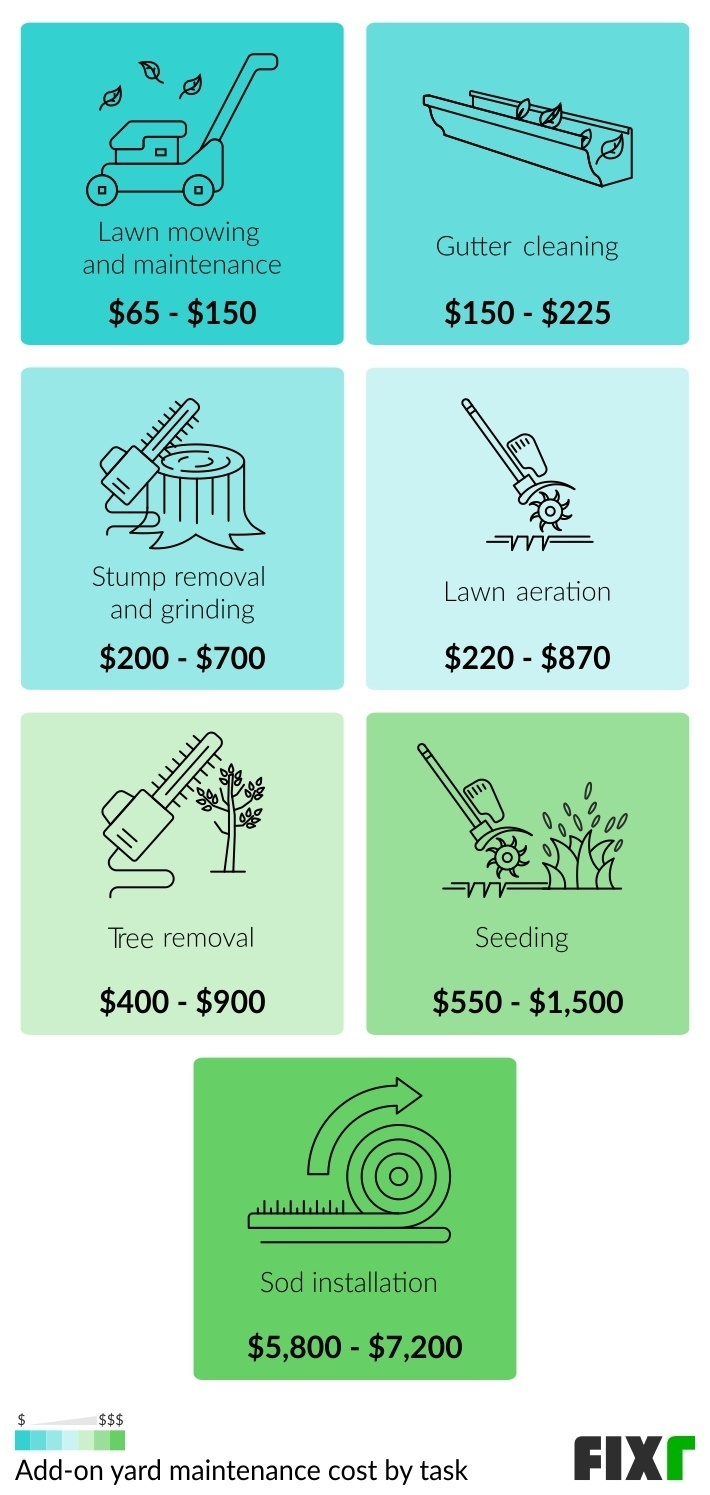
Don’t forget add-ons. Many companies upsell during leaf season. Gutter cleaning is a big one. Leaves clog gutters. Water backs up. Damage happens. Adding gutter cleaning to your leaf removal might cost an extra $100-$200, but it’s often cheaper than hiring a separate gutter guy. Garden bed preparation is another. Blowing leaves out of mulch beds takes time. Some crews charge extra for that detail work.
Always read the fine print. Does the quote include edging? Does it include blowing off the driveway and sidewalks? These seem minor, but they add up. A comprehensive cleanup costs more than a "blow and go." Decide what you need. If you just want the lawn clear, skip the bed detailing. If you want the whole property pristine, budget for the extras. Transparency is key. Ask for a written scope of work. Know what’s included. Avoid surprises.
At the end of the day, leaf removal is a necessary evil. It’s not glamorous. But it protects your investment. Your lawn. Your home’s curb appeal. Your safety. Understanding the costs helps you plan. It helps you avoid sticker shock. Whether you choose DIY or hire a pro, knowing the factors—size, density, disposal, timing—puts you in control. Don’t just accept the first quote. Compare. Ask questions. Look at the tree count. Measure the yard. Be smart about it.
Remember, the cheapest option isn’t always the best. A crew that cuts corners might leave debris behind. That leads to problems later. Pay for quality. Pay for thoroughness. Your future self, staring at a green, healthy lawn in spring, will thank you. And hey, if you can afford it, treat yourself to a hot chocolate while they work. You’ve earned the break.