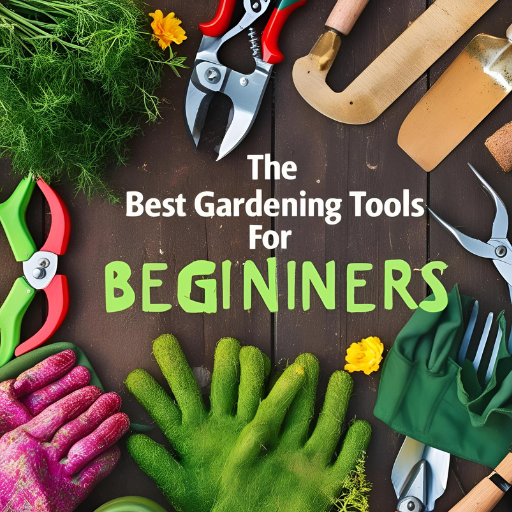

So, you’ve got a patch of dirt. Maybe it’s overgrown with weeds that look like they’re plotting world domination. Or maybe it’s just bare, sad earth staring back at you every time you peek through the blinds. You want it to look nice. You want to sit out there with a cold drink and feel proud. But then you walk into a hardware store, and the prices hit you like a brick. Do you really need a three-hundred-dollar mower? A robotic this? A smart that? Probably not. Not if you’re just starting out.
It’s easy to feel overwhelmed by the gear. The marketing machines are loud in 2026. They tell you that unless your shovel connects to Wi-Fi, you’re doing it wrong. That’s nonsense. Landscaping is ancient. People have been moving dirt and pruning bushes for thousands of years without an app. The truth is, you can build a solid toolkit for less than the cost of a fancy dinner. You just need to know what actually matters and what’s just shiny noise. Let’s cut through the clutter.
The Absolute Non-Negotiables: Start Small
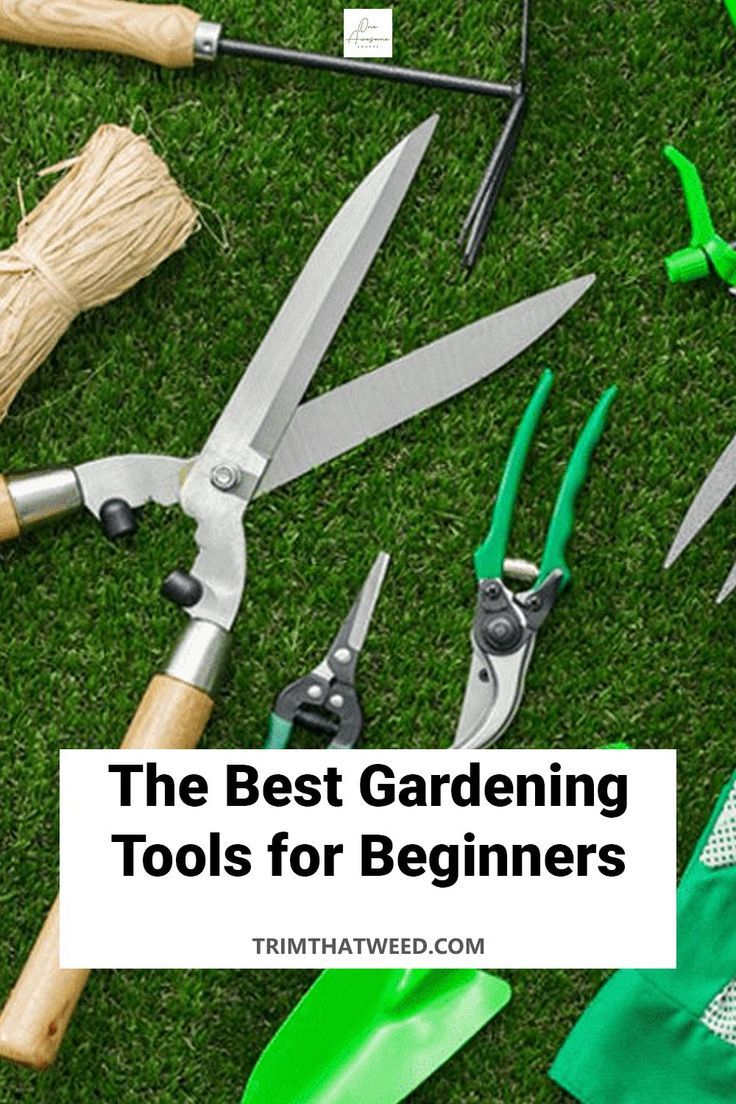
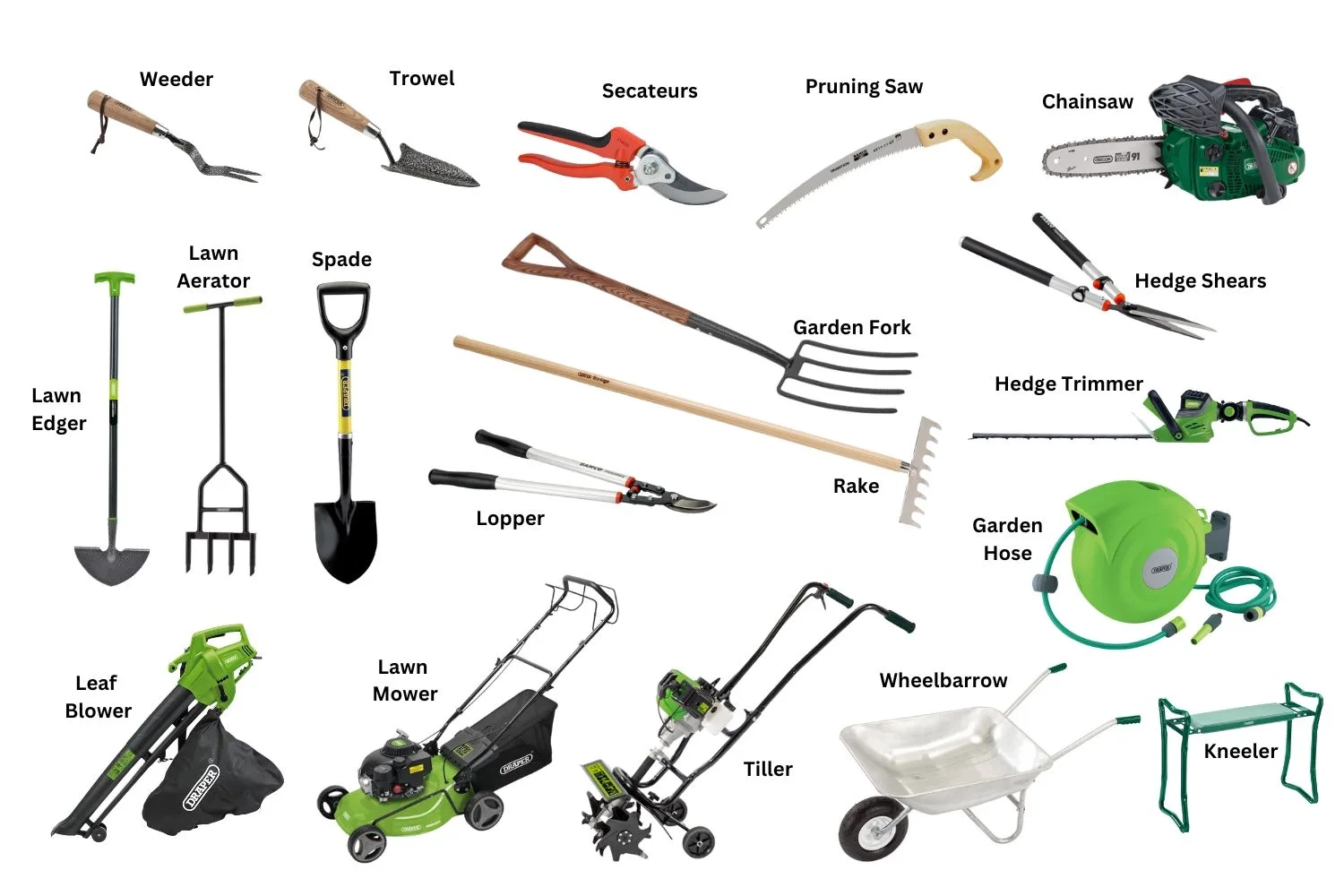
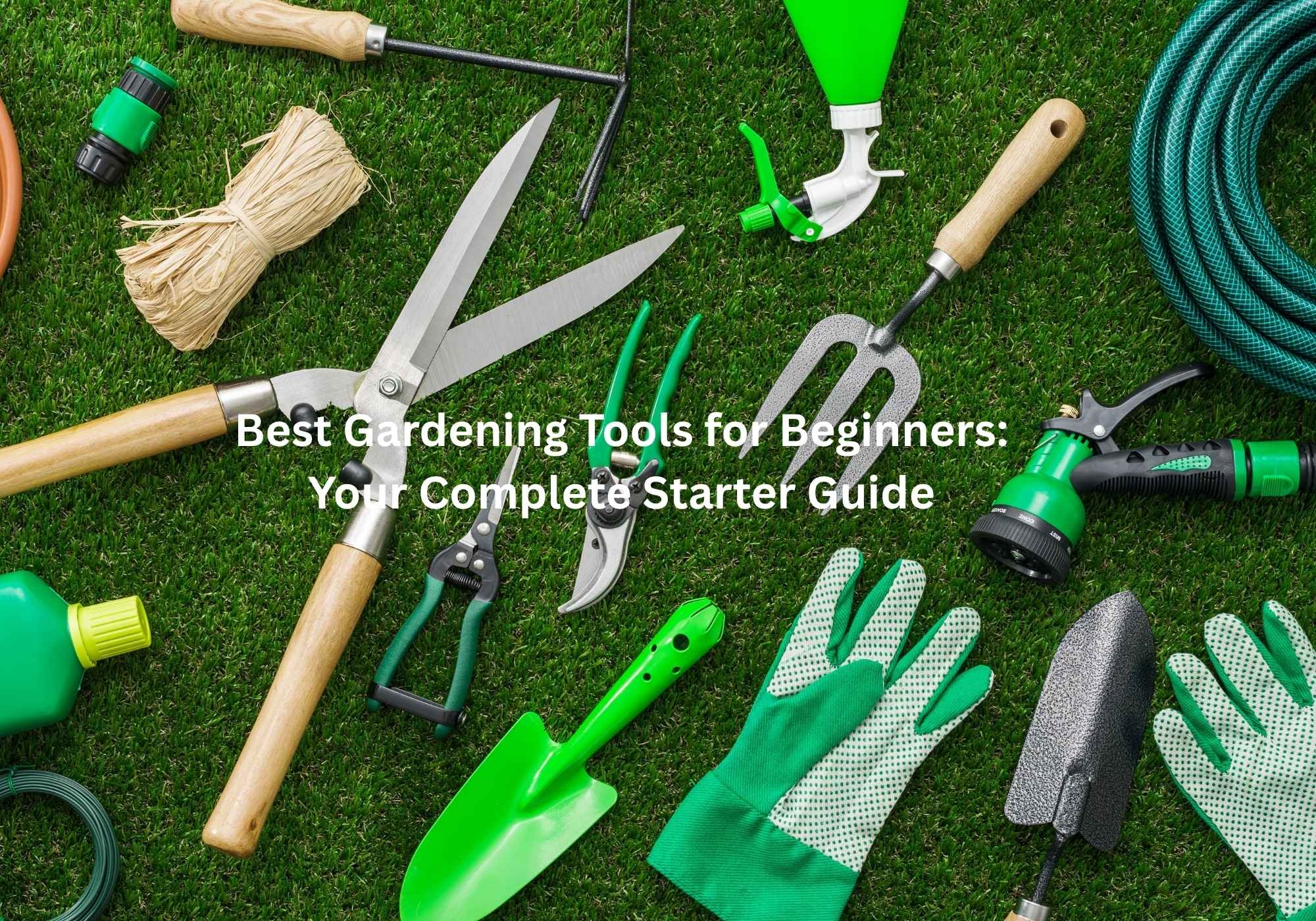
You don’t need everything. You need the right things. If you buy too much too soon, you’ll end up with a garage full of regret. Start with the hands-on basics. These are the tools you will reach for ninety percent of the time. First, get a good pair of bypass pruners. Not the anvil kind that crushes stems. Bypass blades slide past each other like scissors. They make clean cuts, which keeps plants healthy. You can find decent ones for under twenty bucks. Look for replaceable blades. It saves money later.
Next, you need a sturdy trowel. This is your extension of hand. Don’t buy the flimsy plastic ones that snap when they hit a rock. Go for forged steel with a comfortable grip. You’ll use this for planting flowers, digging small holes, and scooping soil. It takes a beating, so make sure it’s tough. Along with that, grab a garden fork. It’s better than a shovel for breaking up clay or mixing compost. It aerates the soil without destroying its structure. These three items—pruners, trowel, fork—are your holy trinity. Keep them close. Clean them after use. They’ll last for years.
Raking and Cleaning: The Unsung Heroes
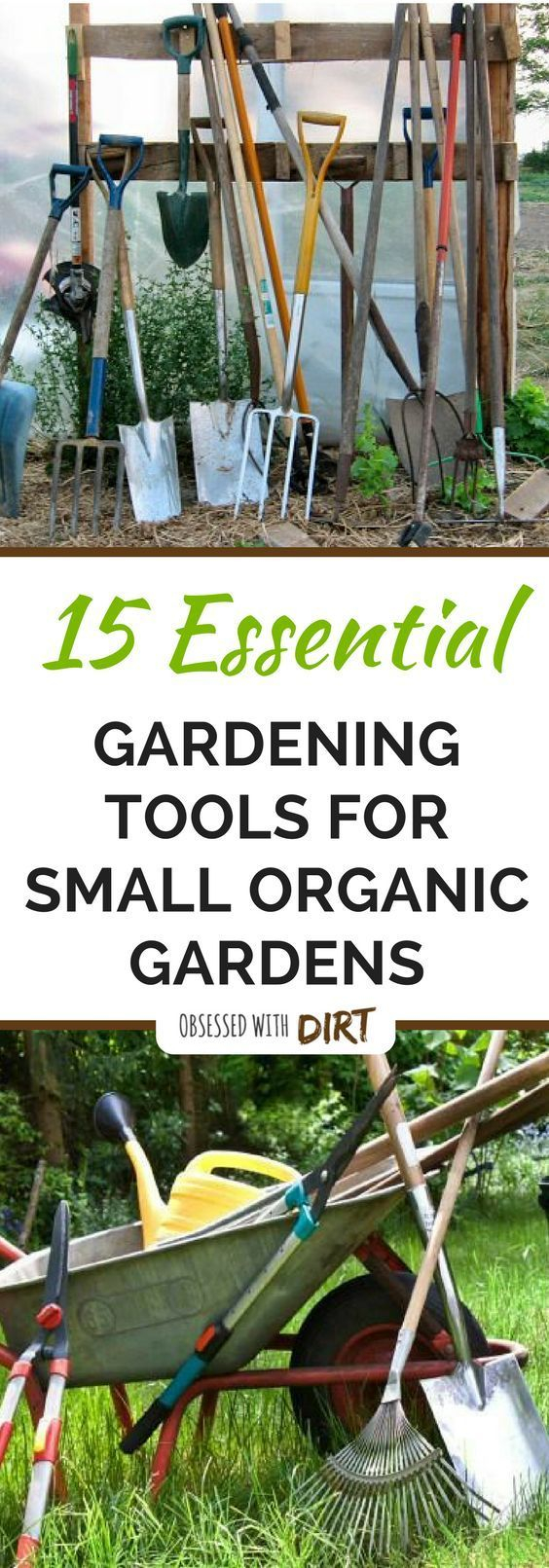
Leaves happen. Grass clippings happen. Debris is a constant companion in any yard. You need a way to manage it without losing your mind. A leaf rake is obvious, but get one with flexible tines. It’s gentler on your lawn and picks up lighter debris better. But here’s the secret weapon: a hard-headed garden rake, often called a bow rake. This thing is heavy. It levels soil. It spreads mulch. It pulls out rocks and roots that your trowel can’t handle. It’s arguably more useful than the leaf rake for actual landscaping work.
Don’t forget a wheelbarrow or a sturdy garden cart. Carrying bags of mulch or piles of weeds by hand is a recipe for a bad back. In 2026, you can still find simple, single-wheel wheelbarrows for a reasonable price. They’re harder to tip over than the cheap two-wheeled plastic carts if you get the balance right. Look for a pneumatic tire (air-filled) rather than a solid plastic one. It rolls smoother over bumps and rough terrain. Yes, you might have to pump it up occasionally, but your shoulders will thank you. Moving material efficiently is half the battle in landscaping.
Cutting Grass Without the Debt Trap
Lawn care is where people blow their budgets. They think they need the biggest, baddest riding mower. Unless you have acres of land, you don’t. For most beginner yards, a push reel mower is a fantastic, eco-friendly option. They’re quiet. They don’t need gas or electricity. They give a cleaner cut that’s healthier for the grass. And they’re cheap. You can find reconditioned ones for fifty dollars or less. Sure, you have to push them, but it’s good exercise. It connects you to the ground. You notice the uneven spots. You learn your lawn.
If you have a larger area or hilly terrain, a battery-powered push mower is the modern standard. Prices have dropped significantly in recent years. You don’t need the top-tier brand. Look for mid-range models from reputable hardware stores’ house brands. They often use the same batteries as their drills and trimmers, which is a huge plus. One battery system for multiple tools saves cash. Avoid gas mowers if you can. The maintenance—oil changes, spark plugs, stale fuel—is a hassle and costs money over time. Electric is simpler. Plug it in, charge it, mow it. Done.
Digging Deep: Shovels and Edgers
Eventually, you’ll need to move serious dirt. Maybe you’re planting a tree. Maybe you’re creating a new flower bed. This is where a round-point shovel comes in. It’s designed to dig into soil and lift it out. Get one with a fiberglass handle if you can afford the extra few dollars. It’s lighter than wood and doesn’t rot or splinter. It absorbs shock better, too. Your wrists will appreciate it. Pair this with a square-point shovel for moving loose materials like gravel or mulch. It acts like a scoop. Having both makes the job twice as fast.
Edging is what makes a yard look professional. You can buy expensive edging machines, but a manual half-moon edger works wonders. It’s a curved blade on a long handle. You step on it, drive it into the ground along your sidewalk or driveway, and pull up the grass overhang. It takes elbow grease, but the result is crisp and clean. It’s satisfying work. Plus, it costs a fraction of the powered version. Use it once a month during the growing season. It keeps your lines sharp. Sharp lines make even a messy garden look intentional. It’s a small tool with a big visual impact.
Watering Wisely: Hoses and Nozzles
Plants need water. But spraying them with a firehose approach wastes water and damages delicate blooms. You need control. Start with a good quality garden hose. Don’t skimp here. Cheap hoses kink, leak, and burst in the sun. Look for a rubber or hybrid polymer hose. They’re heavier but durable. Fifty feet is usually enough for a starter yard. If you need more, buy a connector rather than one giant hose. It’s easier to store and manage. Coil it properly after use to extend its life. Sunlight degrades rubber, so keep it in the shade when possible.
The nozzle is where the magic happens. Avoid the cheap plastic guns that break in a week. Invest in a metal multi-pattern nozzle. It lets you switch from a gentle shower for seedlings to a jet stream for cleaning patio furniture. It gives you precision. You water the plant, not the pavement. This saves money on your water bill. In 2026, water conservation is more important than ever. Being efficient isn’t just eco-friendly; it’s wallet-friendly. Consider adding a simple timer to your spigot. It prevents the "oops, I left the water running all night" disaster. It pays for itself in one summer.
Knowing what to buy is half the story. Knowing where to buy it is the other half. Big box stores are convenient, but they aren’t always the cheapest. Check local habitat for humanity restores or similar reuse centers. They often have high-quality used tools donated by people who upgraded or moved. A slightly rusty shovel can be cleaned up with some steel wool and oil. It works just as well as a new one. Estate sales are another goldmine. Older generations bought tools built to last. You can find forged steel gems for pennies on the dollar.
Online marketplaces are tricky but rewarding. Look for local pickup options to avoid shipping costs. Always inspect the tool before handing over cash. Check for cracks in handles. Test the moving parts on pruners. If it feels stiff or broken, walk away. Don’t be afraid to negotiate. Most people just want the stuff gone. Also, keep an eye out for end-of-season sales in late autumn. Stores clear out inventory to make room for snow shovels. You can buy next year’s tools at a steep discount. Store them dry and safe over winter. Patience pays off in landscaping.
Building a toolkit doesn’t have to be a financial burden. It’s a gradual process. Start with the essentials. Add pieces as your projects grow. Focus on quality over quantity for the items you use daily. A good pair of pruners is worth ten cheap ones. Take care of what you have. Clean the dirt off. Oil the metal parts. Sharpen the blades. Tools that are respected last longer. They perform better. They make the work enjoyable instead of a chore.
Remember, the goal isn’t to have the coolest gear. It’s to have a beautiful space. The tools are just means to an end. Don’t let the pressure to buy hold you back from starting. Get out there. Get your hands dirty. Learn what works for your specific soil and plants. You’ll figure out what you truly need along the way. And honestly, that discovery part is the best bit. It’s your journey. Make it affordable. Make it yours. Happy gardening.