
You pull up to a house. The lawn is patchy, the bushes are unruly, and there’s a weird plastic flamingo staring at you from a pile of mulch. You don’t even want to get out of the car, do you? That’s the power of first impressions. It’s visceral. It’s immediate. And in the real estate market of 2026, it’s more critical than ever. Buyers are scrolling through listings faster than ever before, but when they do stop, they’re looking for a home that feels cared for. Not just inside, but outside too.
We often pour our hearts into kitchen renovations or bathroom upgrades, thinking that’s where the money is. But what if I told you that your front yard could be silently sabotaging your sale price? It’s true. Landscaping isn’t just about pretty flowers; it’s about perceived value. A messy yard screams "neglect," and neglect makes buyers worry about what’s hiding behind the walls. On the flip side, a thoughtful, clean exterior whispers "welcome home." It suggests that the owners took pride in their space. That feeling? That’s worth thousands.
So, why do so many of us get it wrong? Maybe we’re busy. Maybe we think gardening is too hard. Or maybe we just don’t know what actually matters to a buyer’s eye. Let’s dig into the five most common landscaping mistakes that are likely lowering your home’s value right now, and more importantly, how you can fix them without breaking the bank or needing a degree in horticulture.
The Overgrown Jungle Effect
Let’s talk about the elephant in the room: overgrowth. We’ve all seen it. Shrubs that haven’t been trimmed since the previous administration. Trees with branches scraping against the siding. Grass that’s knee-high. It looks wild, sure, but not in the charming, cottage-core way. It looks like work. Heavy, exhausting work. When a potential buyer sees a yard that looks like it requires a machete to enter, their brain immediately starts calculating the cost of labor and equipment. They aren’t seeing a garden; they’re seeing a weekend of sweat and back pain.
In 2026, with labor costs for landscaping services still elevated, this fear is amplified. Buyers are wary of hidden maintenance bills. If the exterior looks high-maintenance, they assume the interior might be too. Overgrown plants also hide the architecture of your home. They block windows, making the house feel dark and封闭 (closed off). They can even damage your foundation or roof if left unchecked for too long. Roots seek water, and if your gutter system is clogged with leaves from an unkempt tree, you’re looking at water damage. That’s a red flag on any inspection report.
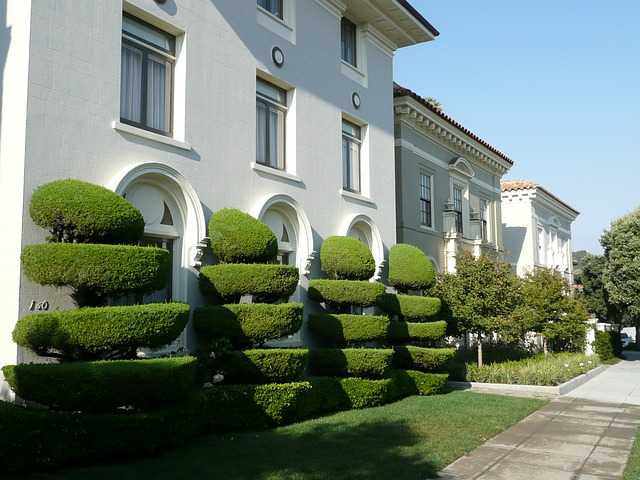
The fix is simpler than you think. You don’t need to clear-cut your property. Start with a "haircut." Trim back any shrubs that are touching the house or blocking windows. Aim for a clean line where the grass meets the bed. If you have large trees, consider hiring an arborist for a one-time trim to lift the canopy—this lets light in and makes the yard feel bigger. For the grass, keep it mowed regularly during the selling season. If you’re overwhelmed, hire a local crew for a single deep-clean session. The return on investment for a day of clearing brush is often immediate and substantial.
The DIY Hardscape Disaster
Hardscaping refers to the non-living elements of your yard: patios, walkways, retaining walls, and driveways. It’s tempting to save money by doing these projects yourself. After all, how hard can it be to lay some pavers? Well, as many homeowners have discovered the hard way, it’s harder than it looks. Poorly installed hardscapes are a major value killer. We’re talking about uneven patios that trip people, retaining walls that are bulging or cracking, and driveways that sink after the first rain. These aren’t just eyesores; they’re safety hazards and structural liabilities.
When a buyer sees cracked concrete or shifting pavers, they don’t just see a cosmetic issue. They wonder about the soil stability. They wonder if the drainage is faulty. In many cases, fixing a botched DIY hardscape job costs more than hiring a pro did in the first place. You’re essentially handing the buyer a bill for your learning curve. And in today’s market, buyers are less willing to take on renovation projects unless the price reflects a significant discount. A wobbly stone wall can knock thousands off your asking price because it signals poor craftsmanship throughout the property.
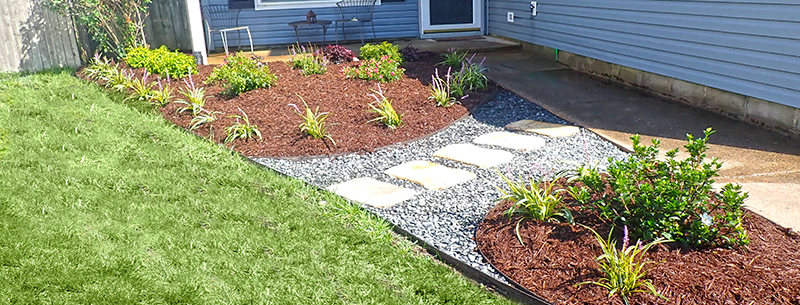
Avoid this by knowing your limits. Small projects, like a simple gravel path or a small raised bed, are fine for DIY. But for anything involving heavy materials, drainage, or structural support, hire a professional. If you already have a DIY disaster in your yard, don’t try to patch it with more DIY. Assess the damage. Sometimes, removing the failed feature entirely and replacing it with simple, clean mulch or sod is cheaper and looks better than a half-fixed patio. Clean lines and solid surfaces convey quality. Cracks and tilts convey chaos.
The Monoculture Lawn Trap
For decades, the ideal American lawn was a carpet of perfect, uniform green grass. But times have changed. In 2026, water conservation and biodiversity are huge topics. A vast, thirsty monoculture lawn is increasingly seen as outdated and environmentally tone-deaf. Not only does it require excessive watering and chemicals to maintain, but it also offers little ecological value. Buyers, especially younger ones, are looking for sustainable homes. A yard that guzzles water and relies heavily on fertilizers can be a turn-off. It suggests high utility bills and a lack of environmental awareness.
Moreover, maintaining a perfect lawn is incredibly difficult in many regions due to changing climate patterns. Droughts are more frequent. Heatwaves are longer. If your lawn is brown and patchy because you’re trying to fight nature, it looks neglected. Even if it’s green, if it’s the only thing in your yard, it’s boring. It lacks depth and interest. A yard with zero variety feels sterile. It doesn’t invite you to linger. It’s just a green void between the sidewalk and the front door.
The solution is to diversify. You don’t need to rip out all your grass overnight. Start by reducing the lawn area. Replace sections with native plants, ornamental grasses, or ground covers that require less water and care. Native plants are key here—they’re adapted to your local climate, so they thrive with minimal intervention. Add layers. Use trees for height, shrubs for structure, and perennials for color. This creates a "landscape" rather than just a "lawn." It shows thoughtfulness. It shows you’re working with nature, not against it. Plus, a diverse garden is visually richer and more appealing to the eye.
The Lighting Blind Spot
Most people think about landscaping in terms of daylight. But when do many buyers drive by or attend open houses? Often in the evening. Or early morning. If your yard is pitch black after sunset, you’re missing a huge opportunity to showcase your home’s best features. Worse, poor lighting can make a yard feel unsafe. Dark corners hide tripping hazards. Unlit pathways are inviting for no one. A dark house can feel imposing or unwelcoming. It lacks warmth.
On the other hand, bad lighting is almost as worse as no lighting. We’ve all seen those houses blinded by harsh, blue-tinted floodlights that look like a prison yard. Or lights that shine directly into neighbors’ windows (and yours). This kind of lighting creates glare, not ambiance. It highlights flaws instead of features. It feels aggressive. In 2026, energy efficiency is also a concern. Old, inefficient halogen spots are not only ugly but expensive to run. Buyers notice these details. They signal that the home hasn’t been updated.
Good landscape lighting is subtle. It’s about accentuation, not illumination. Use warm-white LEDs (2700K-3000K) to highlight architectural details, specimen trees, or pathways. Path lights should guide the eye, not blind it. Uplighting trees creates drama and depth. Downlighting from eaves mimics moonlight and feels natural. The goal is to create pools of light that invite exploration. It makes the yard feel larger and more secure. And because LEDs are low-energy, it’s a selling point, not a liability. A well-lit home feels safe, warm, and ready for living.
The Personal Taste Overload
This is the hardest one for many homeowners to accept: your yard is not just for you. When you’re selling, it needs to appeal to the masses. That means toning down the highly personal choices. We’re talking about the bright pink flamingos, the collection of garden gnomes, the controversial statues, or the vegetable garden that has taken over the entire front yard. While you might love your quirky decor, most buyers find it distracting. It prevents them from visualizing themselves in the space. They’re too busy wondering why there’s a tire swing hanging from the oak tree to notice the beautiful brickwork.
In 2026, the trend is toward neutral, serene outdoor spaces. Think of your yard as a stage. You want the buyers to be the actors, not your decorations. Clutter, even if it’s "cute" clutter, makes spaces feel smaller and chaotic. A front yard filled with personal items looks messy. It suggests a lack of storage space inside the house. It can also signal that the homeowner is emotionally attached to the property in a way that might make negotiations difficult. Buyers want a blank canvas. They want to imagine their own kids playing, their own furniture on the patio.
The fix is to depersonalize. Pack up the knick-knacks. Remove the flags, the seasonal decorations, and the personal art. Store the toys. If you have a vegetable garden, consider tidying it up or moving it to the backyard if possible. The front yard should be about curb appeal, not utility. Keep it clean, simple, and inviting. Let the architecture and the plants speak. A neutral landscape allows every buyer to project their own dreams onto the property. It’s not about erasing your personality; it’s about creating space for theirs.
At the end of the day, landscaping is about connection. It’s the bridge between the street and your sanctuary. When that bridge is broken—by neglect, poor choices, or clutter—it disconnects the buyer from the potential of the home. But when it’s strong, welcoming, and well-maintained, it pulls them in. It tells a story of care and pride. And in a market as competitive as 2026’s, that story can be the difference between a quick sale at full price and a lingering listing with price cuts.
You don’t need to spend a fortune to fix these mistakes. Often, it’s about subtraction rather than addition. Remove the clutter. Trim the overgrowth. Fix the broken bits. Add some light. Plant some natives. These are small steps, but they add up to a massive shift in perception. Remember, you’re not just selling a house; you’re selling a lifestyle. And that lifestyle starts at the curb.
So, take a walk around your property this weekend. Look at it with fresh eyes. Pretend you’re a stranger driving by for the first time. What do you see? Do you see a home that’s ready for new memories? Or do you see a project? The answer might just surprise you. And if it does, don’t worry. It’s never too late to start digging.