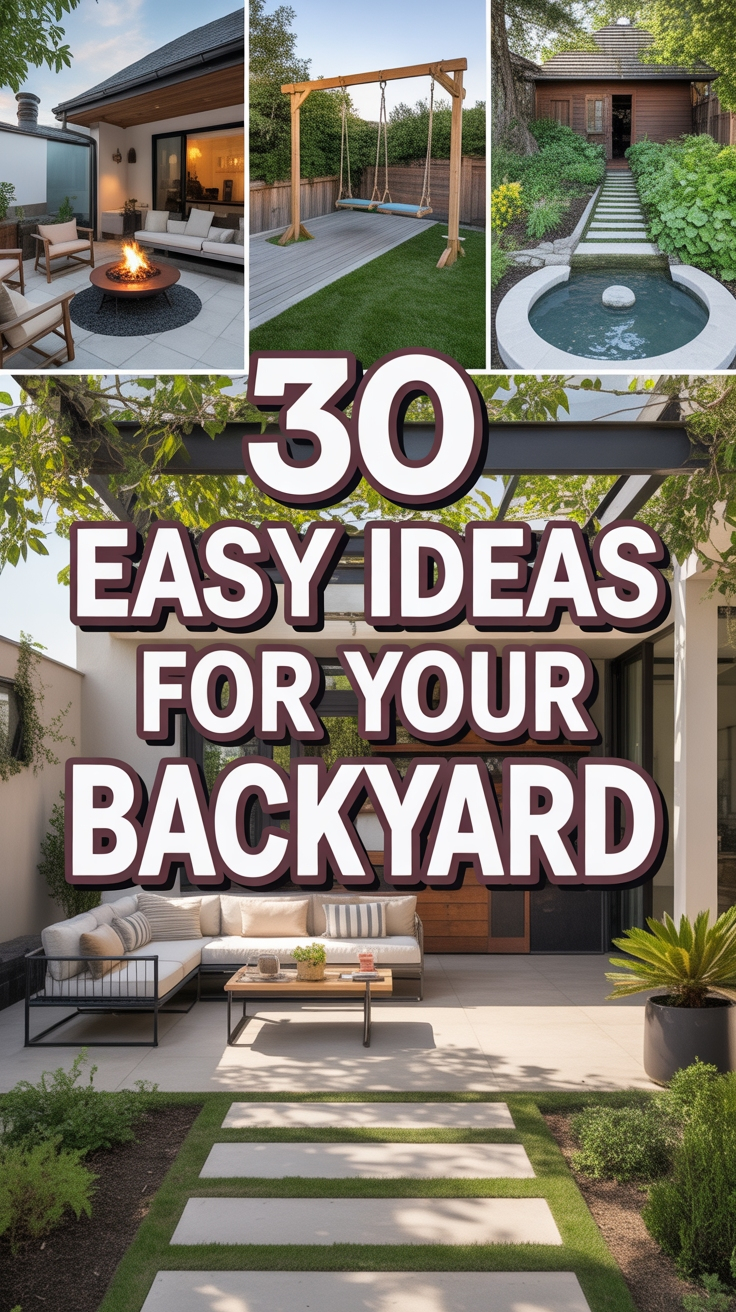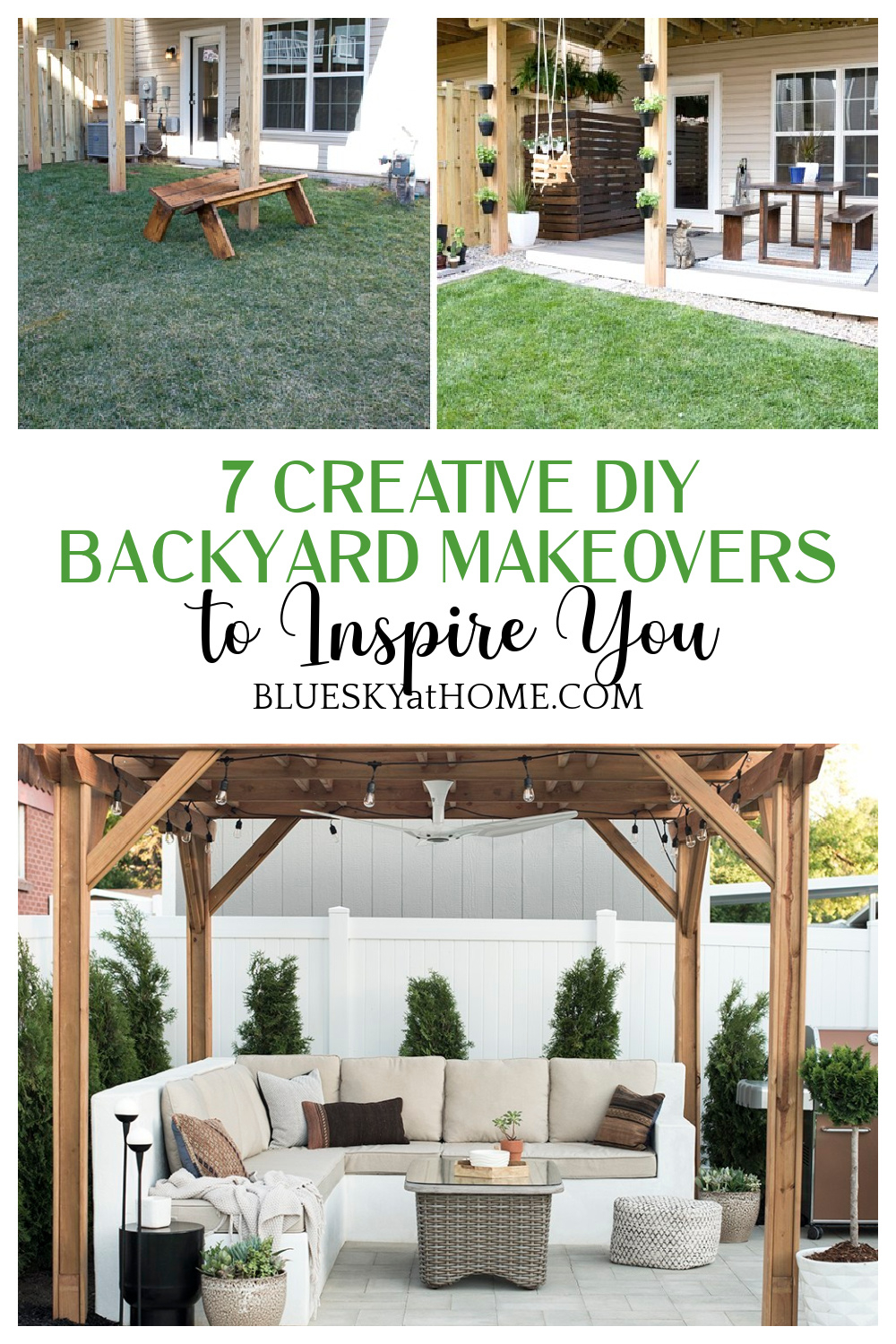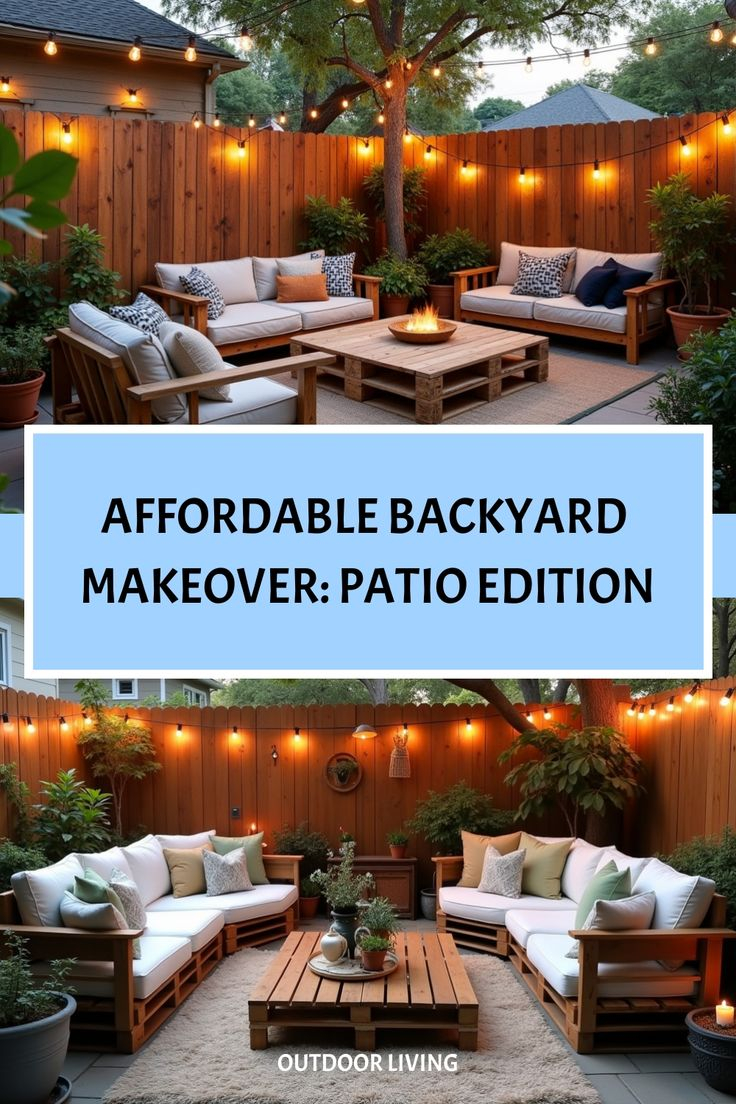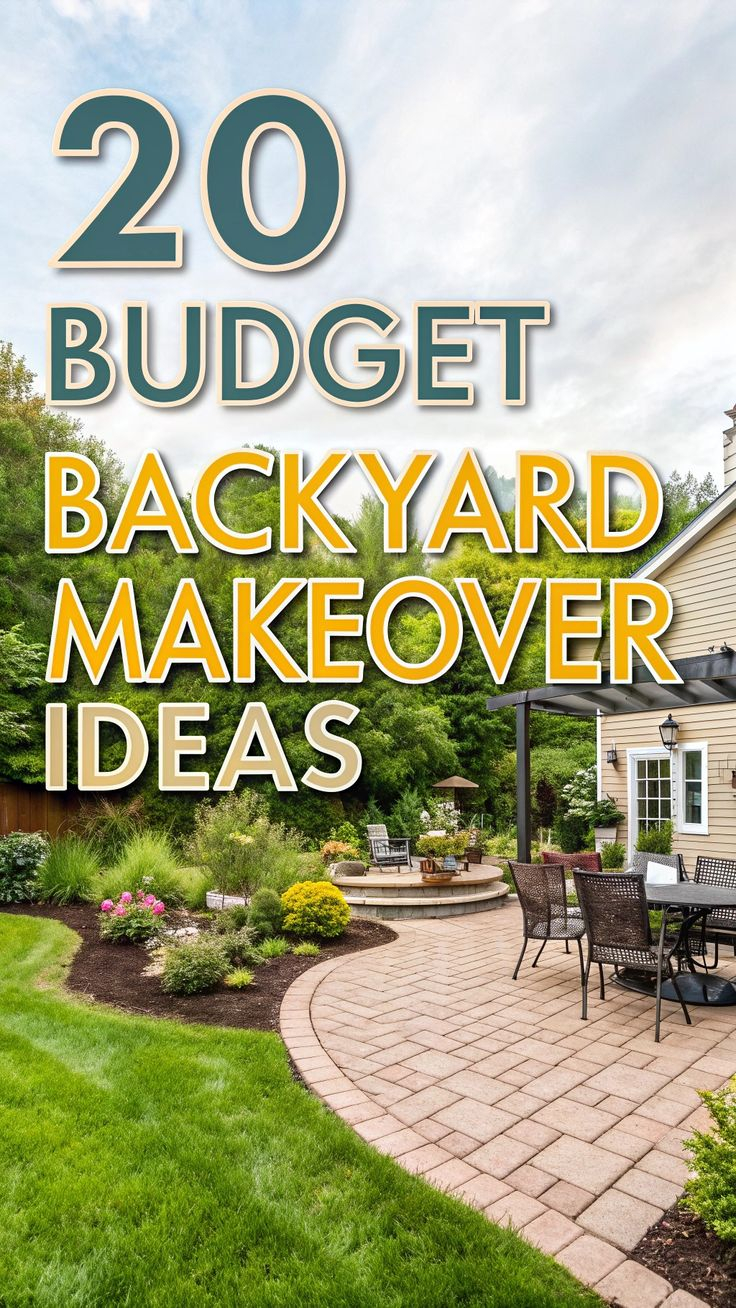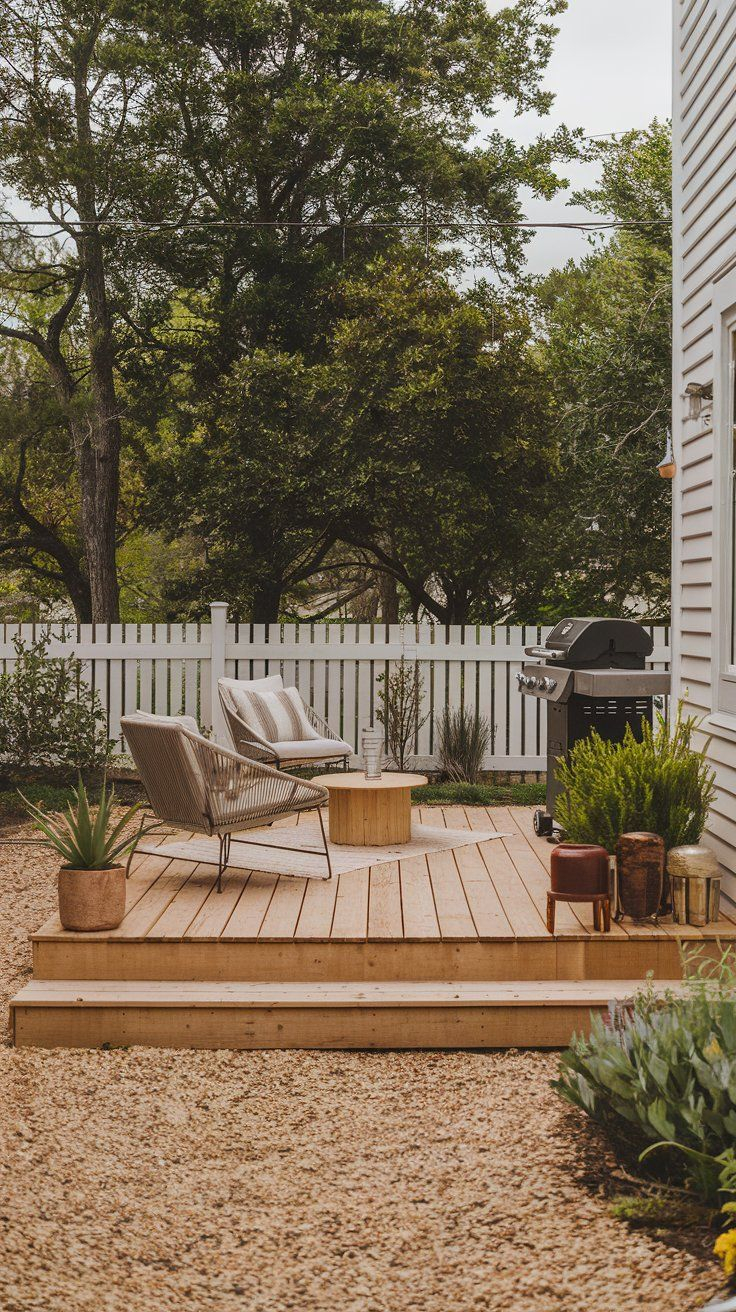

You’ve been scrolling through Pinterest for months. Saving pins of lush patios, vibrant flower beds, and those perfect string-light setups that look like they belong in a magazine. But then reality hits. The bank account says "no," the calendar says "busy," and the thought of hiring a landscaper feels overwhelming. So you wait. You keep dreaming.
But here’s the thing about gardens: they don’t care about your perfectionism. They just want to grow. And you don’t need a six-figure renovation budget or three months of free time to make your outdoor space feel like yours. In 2026, the trend isn’t about massive overhauls anymore. It’s about smart, quick wins. Small changes that add up to big impact. You can actually do most of these in a single weekend, often for under fifty bucks. Seriously. Put down the phone, grab a shovel (or maybe just a paintbrush), and let’s get dirty.
Start with the Ground Beneath Your Feet
Before you buy a single plant, look at your lawn. Or what’s left of it. Many of us ignore the grass until it’s brown and patchy, but basic lawn care is the cheapest upgrade you can make. It sets the stage for everything else. You don’t need expensive equipment either. A simple raking session in early spring clears out dead thatch, letting water and air reach the roots. If you have bare spots, a bag of seed and some topsoil costs less than a takeout dinner for two. Just scatter, cover lightly, and water. It’s not glamorous, but a green carpet makes every other improvement look ten times better.
If grass isn’t your thing, or if your yard is mostly shade where nothing grows, consider mulch. Fresh mulch is like instant makeup for your garden beds. It hides weeds, retains moisture, and gives a crisp, finished look to even the messiest borders. You can often get free wood chips from local tree services or municipal recycling centers. Spread a two-inch layer around your existing plants. Suddenly, those tired shrubs look intentional. The contrast between dark mulch and green leaves is visually striking without costing a dime in labor. Plus, it saves you hours of weeding later in the summer. Who doesn’t want that?
For those with small spaces or balconies, skip the ground entirely and go vertical. Container gardening has exploded in popularity because it’s forgiving and flexible. You don’t need fancy pots; thrift stores are full of unique buckets, baskets, and tins that just need a drill hole for drainage. Start with herbs or hardy annuals like petunias. They’re cheap, colorful, and give you immediate gratification. Moving pots around lets you change your view whenever boredom strikes. It’s gardening without the commitment of digging up your entire yard.
Create Zones Without Building Walls
One of the biggest mistakes people make is treating their backyard as one big empty void. Instead, think of it as a series of rooms. You don’t need to build actual walls to create separation. Simple landscaping tricks can define spaces for dining, lounging, or growing. Use tall plants like ornamental grasses or sunflowers to create natural screens. They sway in the wind, adding movement and privacy without blocking light. Plant them in clusters rather than straight lines for a softer, more organic feel. It breaks up the monotony of a flat yard and gives the eye somewhere to rest.
Lighting is another game-changer for defining zones, and it’s surprisingly affordable. Solar-powered path lights have come a long way since the dim, flickering versions of the past. Today’s models are bright, durable, and require zero wiring. Stick them along a walkway to guide guests to a seating area. String lights overhead create a ceiling effect, making an open patio feel cozy and enclosed. You can drape them across trees or fence posts. The warm glow transforms a plain backyard into an evening retreat. It’s amazing how much ambiance a few strands of bulbs can add for under twenty dollars.
Don’t forget about the ground surface itself. If you have a muddy patch where you want to sit, lay down stepping stones or gravel. You don’t need professional pavers. Irregular flagstones bought from a landscape supply yard can be laid directly on sand or dirt. Fill the gaps with creeping thyme or moss for a whimsical, fairy-tale vibe. This creates a designated "room" for your chair or table, separating it from the rest of the yard. It tells your brain, "This is where we relax," even if it’s just a four-by-four foot square.
Repurpose What You Already Own
We live in a throwaway culture, but gardens thrive on second chances. Look around your house before heading to the store. That old wooden ladder leaning in the garage? Lean it against a wall and use the rungs to display potted plants. An outdated dresser drawer can become a rustic planter box if you line it with plastic and drill drainage holes. Even tires, though controversial, can be painted bright colors and stacked for a playful, industrial look. The key is cleaning them up and giving them a new purpose. It adds character and story to your space that store-bought items just can’t match.
Kitchen scraps and household items make fantastic DIY decor too. Mason jars hung from tree branches become charming lanterns when you drop a tea light inside. Old colanders make unique hanging baskets because they already have drainage holes. Paint them a bold color to make them pop against the greenery. These little touches show personality. They signal that this garden is lived-in and loved, not just staged for a photo shoot. Plus, repurposing is free. Well, almost free. You might need a can of spray paint, but that’s it.
Check local online marketplaces for free or cheap materials. People often give away bricks, wood pallets, or even large pots when they’re renovating. A quick search on neighborhood apps can yield treasures. Pallets can be sanded down and turned into vertical herb gardens or simple bench frames. Bricks can edge a flower bed or create a fire pit circle. It takes a bit of hustle to pick things up, but the savings are huge. And you’re keeping stuff out of landfills. It’s a win-win for your wallet and the planet.
Add Life with Strategic Planting
You don’t need a nursery degree to pick plants that work. Focus on natives. They’re adapted to your local climate, meaning they need less water and fewer chemicals. In 2026, water conservation is more important than ever, so choosing drought-tolerant species is smart. Native wildflowers also support local pollinators like bees and butterflies. Watching a monarch land on your milkweed is a small joy that never gets old. Check with your local extension office for a list of recommended natives. They’re often cheaper than exotic hybrids too.
Group plants by their needs. Put thirsty plants together and dry-lovers in another spot. This makes watering efficient and prevents root rot. It also looks better aesthetically. Mass planting—using three or five of the same plant instead of one of each—creates visual impact. A single lavender plant is nice; a row of five is stunning. It simplifies maintenance because you treat them all the same way. And when they bloom, the color block is eye-catching. It’s a pro designer trick that costs nothing extra.
Don’t underestimate the power of foliage. Flowers are fleeting, but leaves last all season. Hostas, ferns, and heucheras come in amazing shades of purple, gold, and lime green. They fill in gaps when blooms fade. Mixing textures—big broad leaves next to fine feathery ones—adds depth. It keeps the garden interesting even in late summer when many flowers are done. Think of foliage as the backbone of your design. It holds everything together while the flowers provide the seasonal highlights.
Build Simple Seating Solutions
A garden is useless if you can’t sit in it. But outdoor furniture is expensive. Instead, build your own. Concrete blocks and wooden beams make sturdy, modern benches. Stack the blocks, slide the beams through, and add cushions. It’s industrial chic and costs a fraction of a store-bought set. You can move the components around if you want to change the layout later. It’s modular and durable. Rain won’t hurt the concrete, and you can store the cushions indoors during storms.
Stumps make great natural stools. If you have trees cut down, save the larger rounds. Sand them smooth and seal them with outdoor varnish. They blend seamlessly into the landscape and provide casual seating. Scatter them around a fire pit or under a shady tree. Kids love climbing on them, and adults appreciate the rustic charm. It’s functional art. If you don’t have stumps, check with local arborists. They often chip wood for free but might let you take whole logs if you haul them away.
Hammocks are another low-cost option. All you need are two strong trees or posts. They encourage relaxation in a way chairs don’t. There’s something primal about swaying gently in the breeze. Install sturdy hooks and choose a weather-resistant fabric. It becomes a focal point and a destination. People will gravitate toward it. It’s an invitation to slow down. And unlike a big sectional sofa, it takes up almost no space when not in use. Just unhook it and store it flat.
The final step is making it feel like home. Add art. It doesn’t have to be expensive sculpture. A mirror hung on a fence reflects light and makes small spaces feel larger. Just ensure it’s secure and won’t fall. Wind chimes add sound, masking traffic noise with gentle tinkling. Choose ones with deep tones for a calming effect. These sensory details engage more than just sight. They make the garden a multi-dimensional experience.
Water features don’t need pumps. A simple birdbath attracts birds and adds movement. Keep it clean and filled. Watching sparrows splash is entertaining and peaceful. If you want flowing water, a small solar fountain in a pot works wonders. The sound of trickling water masks urban noise and creates a spa-like atmosphere. It’s surprisingly easy to set up. Just place it in a sunny spot and let the panel do the work. No cords, no electricity bills.
Finally, keep it manageable. Don’t overplant. Leave room for growth. Gardens change over time. What looks sparse in spring will be lush by July. Give yourself permission to experiment. If a plant dies, replace it with something else. If a layout doesn’t work, move it. The beauty of weekend upgrades is that they’re low stakes. You’re not signing a contract. You’re just playing in the dirt. And that’s the best part. It’s supposed to be fun.
So, what are you waiting for? The weather isn’t going to get any better. Grab those gloves. Find that old bucket. Plant those seeds. Your dream garden isn’t a distant future project. It’s right there, waiting for you to start digging. One weekend at a time.