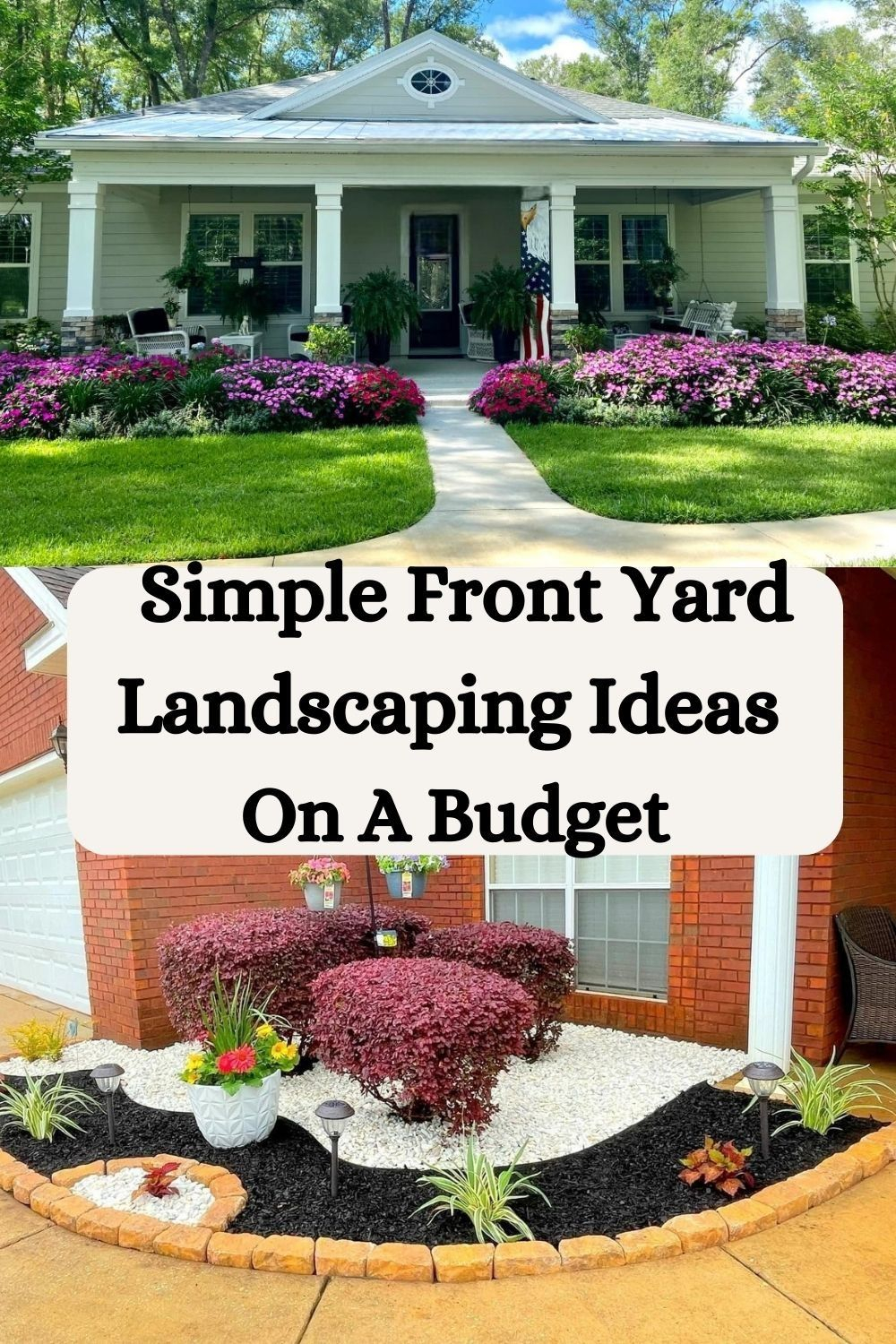

Ever walked past a house and just stopped? Not because it was a mansion. But because the front yard felt… intentional. It had weight. Presence. You might have thought, "Wow, they must have spent a fortune on landscaping." Here is the secret: they probably didn’t. In fact, some of the most stunning curb appeals we are seeing in 2026 come from spaces no bigger than a parking spot.
It is a funny thing, perception. We often equate "expensive" with "big." But in design, luxury is rarely about square footage. It is about cohesion. It is about materials that speak to each other. And honestly? It is about knowing exactly what to leave out. A cluttered small yard looks cheap. A curated small yard looks like a boutique hotel lobby. Let’s talk about how to get that vibe.
The Power of Symmetry and Framing
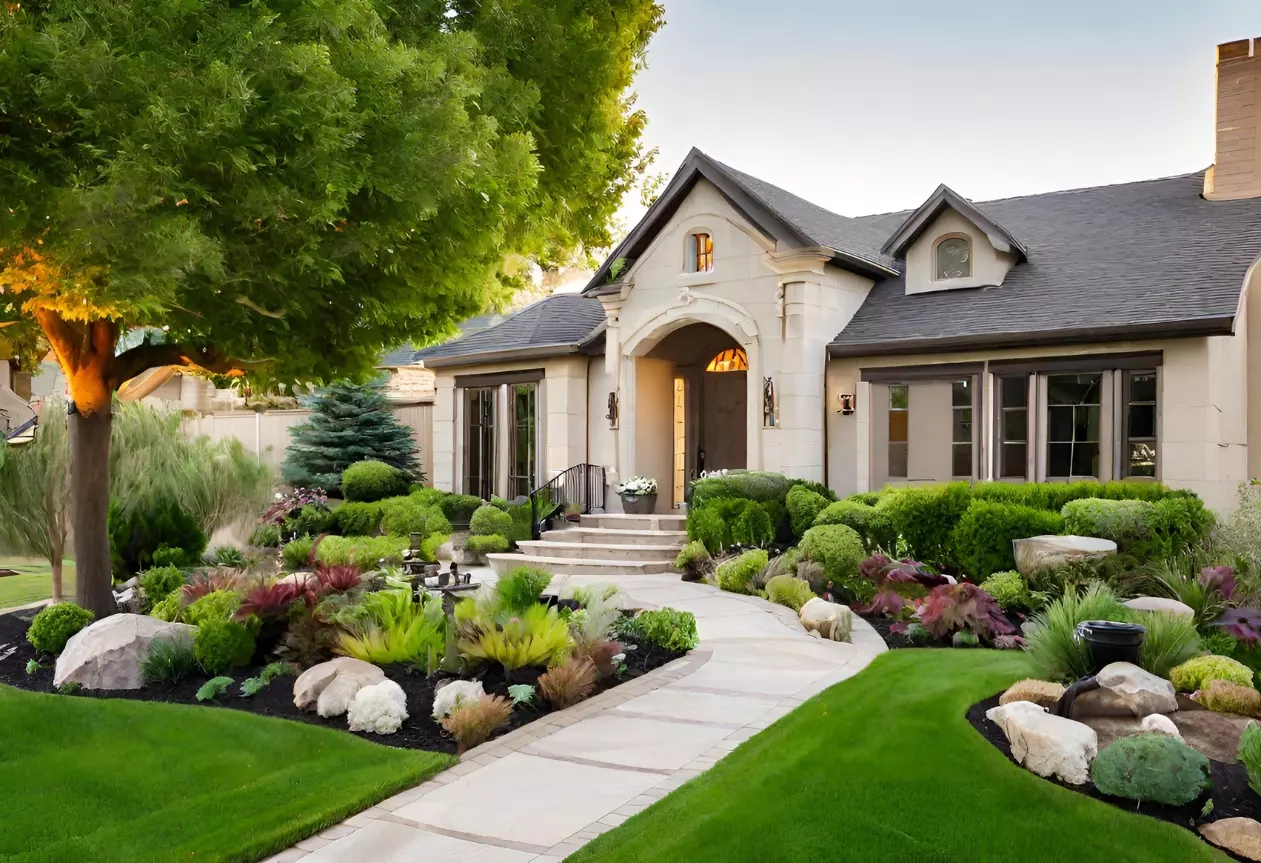
Human brains are wired to find comfort in balance. When you walk up to a home, symmetrical elements signal order and care. This is the oldest trick in the book, but it works every single time. If you have a narrow path leading to your door, flank it with identical planters. Not similar. Identical. The repetition creates a visual rhythm that guides the eye straight to the entrance, making the space feel wider and more grand than it actually is.
Think about the frame of a painting. Your front door is the artwork. The siding, the walkway, and the plants are the frame. In 2026, we are seeing a huge shift toward "architectural framing." This means using tall, slender evergreens or structured topiaries to create vertical lines. These lines draw the eye upward, adding height to a low-ceilinged porch or a flat facade. It creates an illusion of stature. You do not need ten different types of flowers. You need two strong vertical anchors.
Consider the material of your planters too. Plastic fades and cracks, screaming "budget." Opt for heavy materials like cast stone, corten steel, or even high-quality composite that mimics weathered wood. The weight matters. Visually, heavy objects ground a space. They make the design feel permanent and substantial. If you can’t afford real stone, look for concrete blends with aggregate. They catch the light differently and add texture that cheap resin just cannot replicate.
Upgrade the Hardware and Hinges
Here is a truth that hurts a little: nothing ruins a nice paint job like rusty, flimsy hardware. It is the jewelry of your home. And just like wearing a plastic watch with a tuxedo, mismatched or worn-out fixtures downgrade the entire look. Swapping out standard builder-grade house numbers, mailbox flags, and door handles is one of the highest-return investments you can make. It takes an afternoon and costs less than a nice dinner out.
In recent years, the trend has moved away from shiny chrome or bright brass. Matte black is still strong, but warm tones are making a comeback. Think aged bronze, brushed copper, or unlacquered brass that patinas over time. These finishes feel organic and timeless. They age gracefully rather than just getting dirty. When you choose hardware, look for pieces with some heft. Lightweight metal feels hollow and cheap in the hand. Solid brass or zinc alloys feel substantial. That tactile experience matters, even if guests only glance at it.
Do not forget the lighting. This is crucial. Most small front yards are dark at night, which hides all your hard work. Replace those generic globe lights with sconces that have architectural presence. Layering light is key. Have a primary source by the door, but add a subtle uplight in a planter or along the path. This creates depth and shadow, which adds mystery and sophistication. A well-lit corner looks intentionally designed; a dark corner looks neglected.
Edit Your Plant Palette Ruthlessly
The biggest mistake people make in small spaces? Trying to fit a botanical garden into a shoebox. It creates visual noise. Noise feels chaotic. Chaos feels inexpensive. To achieve that high-end look, you need restraint. Pick three, maybe four, plant varieties and repeat them. Repetition creates rhythm. Rhythm creates calm. Calm feels expensive.
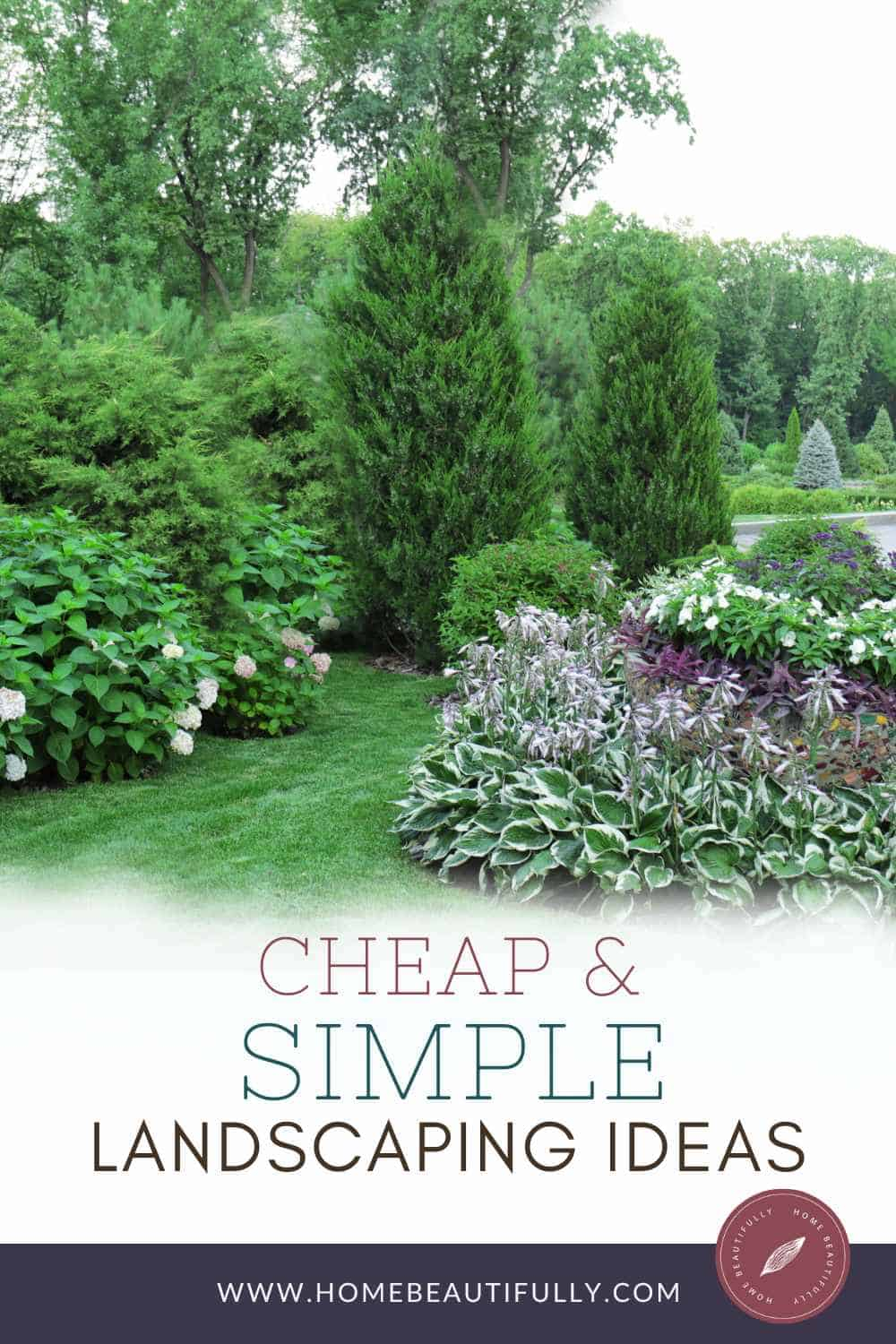
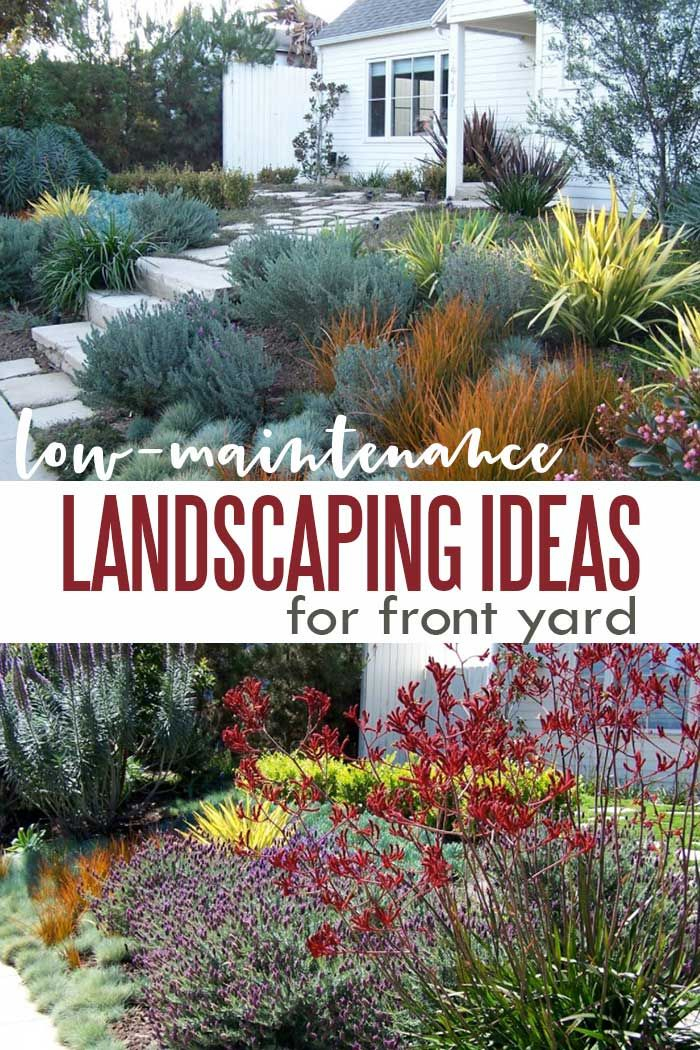
Focus on foliage over flowers. Flowers are fleeting. They bloom, they die, they look messy. Foliage is structural. It lasts all year. In 2026, there is a massive appreciation for textural contrast. Pair a spiky ornamental grass with a broad-leafed hosta or a smooth succulent. The interplay of shapes is interesting without being loud. Evergreens are your best friends here. Boxwoods, dwarf conifers, or holly provide a green backbone that keeps the yard looking tidy even in the dead of winter.
Color should be monochromatic or analogous. Stick to shades of green, perhaps with hints of white or deep purple. Avoid the rainbow. A riot of colors in a tiny space looks like a cluttered discount bin. A restrained palette looks like a curated gallery. Also, consider the scale. Do not put a massive shrub next to a tiny door. It will overwhelm the architecture. Choose plants that stay proportionate to the house. Dwarf varieties are not "lesser"; they are specifically bred for these intimate scales.
Elevate the Walkway and Edging
The path to your door is the journey. If the journey is cracked, uneven, or overgrown with weeds, the destination loses its allure. Upgrading your hardscape is where you can make a serious impact. You do not need to repave the whole driveway. Just focus on the approach. Clean, crisp edges define the space. They tell the eye where the garden ends and the path begins. This definition is a hallmark of professional landscaping.
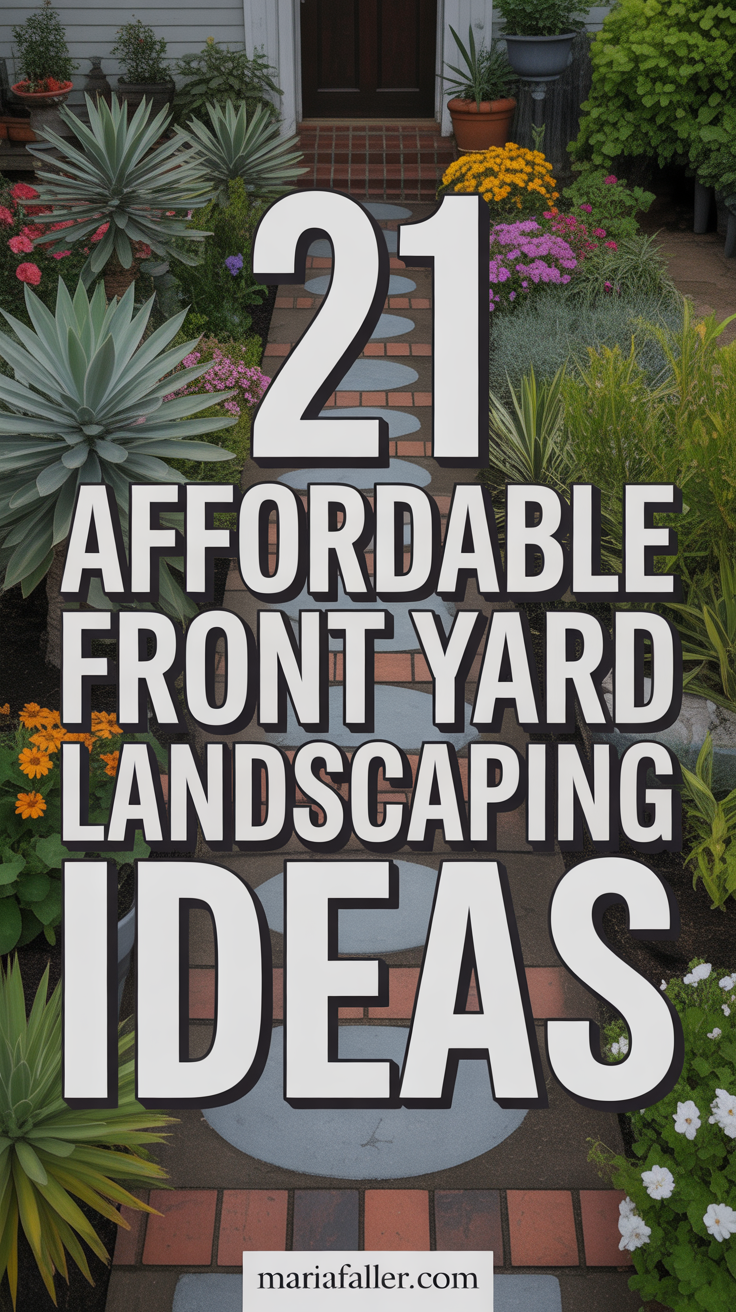
Material choice is critical. Gravel is cheap, but it scatters and looks messy if not contained properly. Stone pavers are classic. In 2026, we are seeing a rise in "permeable paving" solutions that are both eco-friendly and stylish. Large format slabs with moss or thyme growing in the gaps look ancient and established. If you are on a budget, consider stamped concrete that mimics stone. The key is consistency. Ensure the color of the path complements the house trim, not clashes with it.
Edging is the unsung hero. Metal edging, particularly steel or aluminum, creates a razor-sharp line between mulch and lawn. It is invisible yet effective. It prevents grass from creeping into your flower beds, keeping the design looking manicured with zero effort. Plastic edging buckles and turns gray. Spend the extra few dollars on metal. It lasts decades and maintains that crisp, tailored look that screams "professional help," even if you did it yourself on a Saturday.
Create Depth with Layers and Texture
A flat yard is a boring yard. Even if you only have ten feet of depth, you can create the illusion of more space by layering. Think in terms of foreground, mid-ground, and background. Place lower plants at the front, taller ones in the back. This draws the eye through the space, making it feel deeper. Mirrors are a controversial trick outdoors, but a well-placed reflective surface, like a polished metal sphere or a water feature, can bounce light and double the visual interest.
Texture adds richness. Smooth river rocks against rough bark mulch. Sleek metal planters against soft fern fronds. These contrasts engage the senses. In small yards, every inch counts, so vertical layers matter too. Hang a basket. Mount a trellis. Grow a climbing jasmine up the wall. This pulls the gaze up and away from the limited floor space. It makes the yard feel like a room with walls, rather than just a patch of dirt.
Water features, even tiny ones, add a layer of luxury. The sound of trickling water masks street noise and creates a serene atmosphere. It does not have to be a fountain. A simple recirculating bowl with a small pump works wonders. The movement of water catches the light and adds life. It signals that this space is for enjoyment, not just for passing through. That intentionality is what separates a yard from a landscape.
Color ties everything together. If your house is beige, your trim is white, and your door is red, your plants should not be neon pink. They should harmonize. A cohesive color story makes a small space feel unified and planned. In 2026, earthy tones are dominating. Terracotta, sage, slate, and cream. These colors blend with the natural environment and feel grounded.
Paint your door a color that pops, but fits the palette. A deep navy or charcoal can look incredibly sophisticated against light siding. It becomes a focal point. Then, echo that color in your accessories. Maybe your planter rims have a hint of blue. Or your house numbers are matte black to match the door handle. These subtle echoes create a web of connection. The eye moves smoothly from one element to the next without getting stuck on jarring contrasts.
Do not ignore the roof and gutters. If they are an eyesore, no amount of petunias will fix it. Clean them. Paint them if necessary. A fresh coat of paint on trim and shutters can transform a tired facade. White trim always looks crisp and clean, reflecting light and making the house feel brighter. But if you want drama, try painting the trim the same color as the siding for a monolithic, modern look. It blurs the edges and makes the structure feel larger and more imposing.
So, there you have it. Making a small front yard look expensive is not about spending money. It is about spending attention. It is about editing, refining, and respecting the space you have. Symmetry brings order. Hardware brings detail. Plants bring life. Hardscape brings structure. Layers bring depth. Color brings harmony.
You do not need a sprawling estate to have curb appeal. You just need a clear vision and the discipline to stick to it. Start small. Swap out the house numbers. Trim the overgrown bush. Define the edge of your path. Each step adds up. Before you know it, you will be the house people stop to look at. Not because it is big. But because it feels right.
And remember, perfection is not the goal. Character is. A few imperfections, a little moss on the stone, a plant that grows slightly out of bounds—these things add soul. An expensive look is not sterile. It is inviting. It says, "Welcome home." And that is the most valuable thing you can offer.