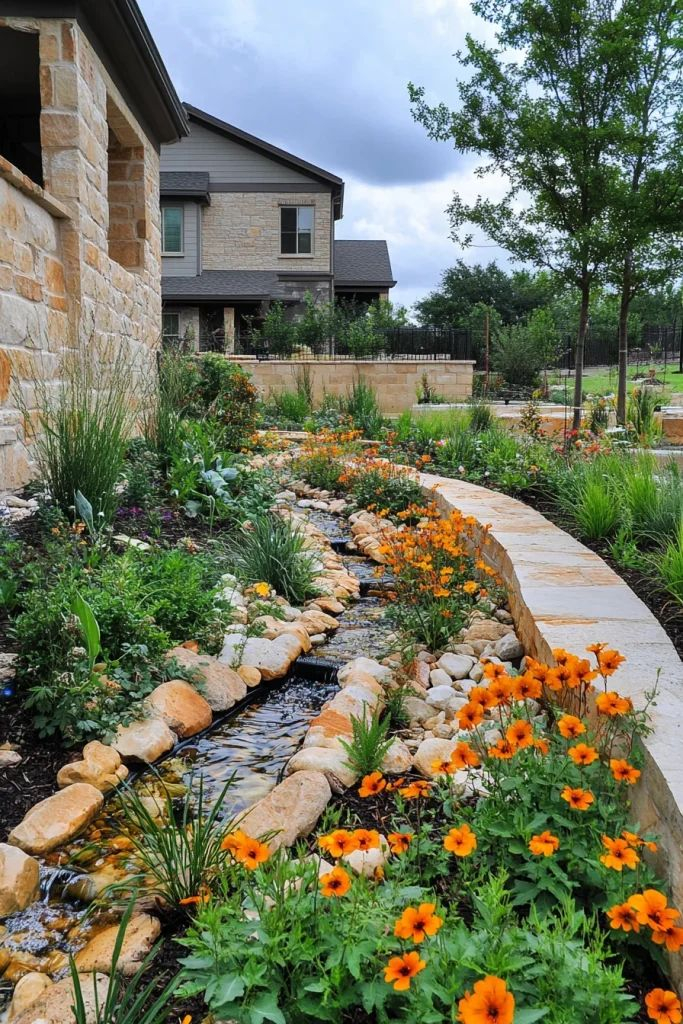

Ever looked out your window after a heavy downpour only to see a miniature lake overtaking your lawn. It is a super frustrating sight, right. A waterlogged backyard can feel like a total curse, leaving you with muddy shoes, ruined grass, and a breeding ground for mosquitoes. But what if you could take that annoying, soggy mess and turn it into a beautiful asset for your home?
Well, you absolutely can. Instead of fighting nature with expensive pipes or concrete drains, you can work with it by building a rain garden. It is a simple, budget-friendly DIY project that transforms a troublesome wet spot into a vibrant, living ecosystem. By the time you finish reading this, you will know exactly how to flip the script on your soggy yard this year.
What Exactly is a Rain Garden anyway?
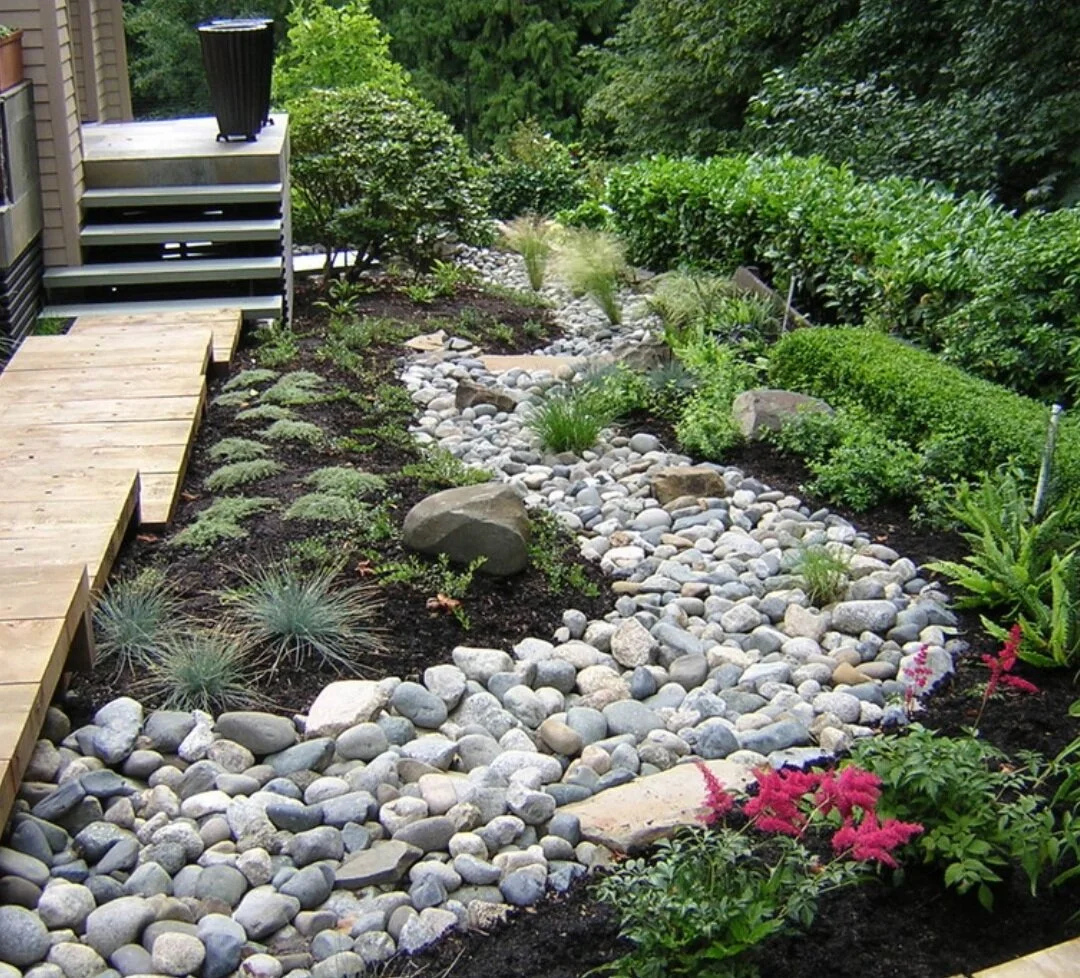
At its core, a rain garden is just a shallow depression in the ground designed to catch stormwater runoff. Think of it like a natural bowl filled with loose soil and beautiful plants. When rain falls on your roof, driveway, or lawn, it gathers speed and washes away. Instead of letting that water rush into the street and overload local storm sewers, a rain garden intercepts it.
The magic happens right beneath the surface. The garden holds the water for just a short period—usually less than a day or two—and lets it slowly soak back into the earth. This process filters out pollutants naturally, keeping nearby rivers and streams much cleaner. Plus, it looks infinitely better than a muddy patch of dead grass.
Finding the Perfect Spot in Your Yard
You might think you should dig your rain garden directly in the absolute wettest, most swampy puddle of your yard. Surprisingly, that is actually a mistake. If water already sits in a specific spot for days on end, the soil there is likely compacted or full of heavy clay. Putting a rain garden there means it will just become a permanent pond, which we do not want.
Instead, look for a spot slightly uphill from your usual puddle, where it can catch water before it settles. Make sure it is at least ten feet away from your house so you do not accidentally flood your basement. A good rule of thumb is to watch where the water naturally flows when it pours, and plan to intercept it right there.
The Fun Part: Digging and Designing
Before you grab your shovel, you need to test how fast your soil can drink up water. Dig a small hole about six inches deep, fill it with water, and see how long it takes to empty. If it drains within 24 hours, you are golden. Now you can map out your shape; organic, kidney-bean shapes usually look the most natural and pleasing to the eye.
When you start digging, you want to create a flat bottom inside the bowl so the water spreads out evenly. Save the dirt you dig out to build a small wall, or berm, around the lower edge of the garden. This little hill will help hold the rainwater inside the garden area during heavy downpours, giving it time to sink down.
Picking the Right Plants That Love Wet Feet
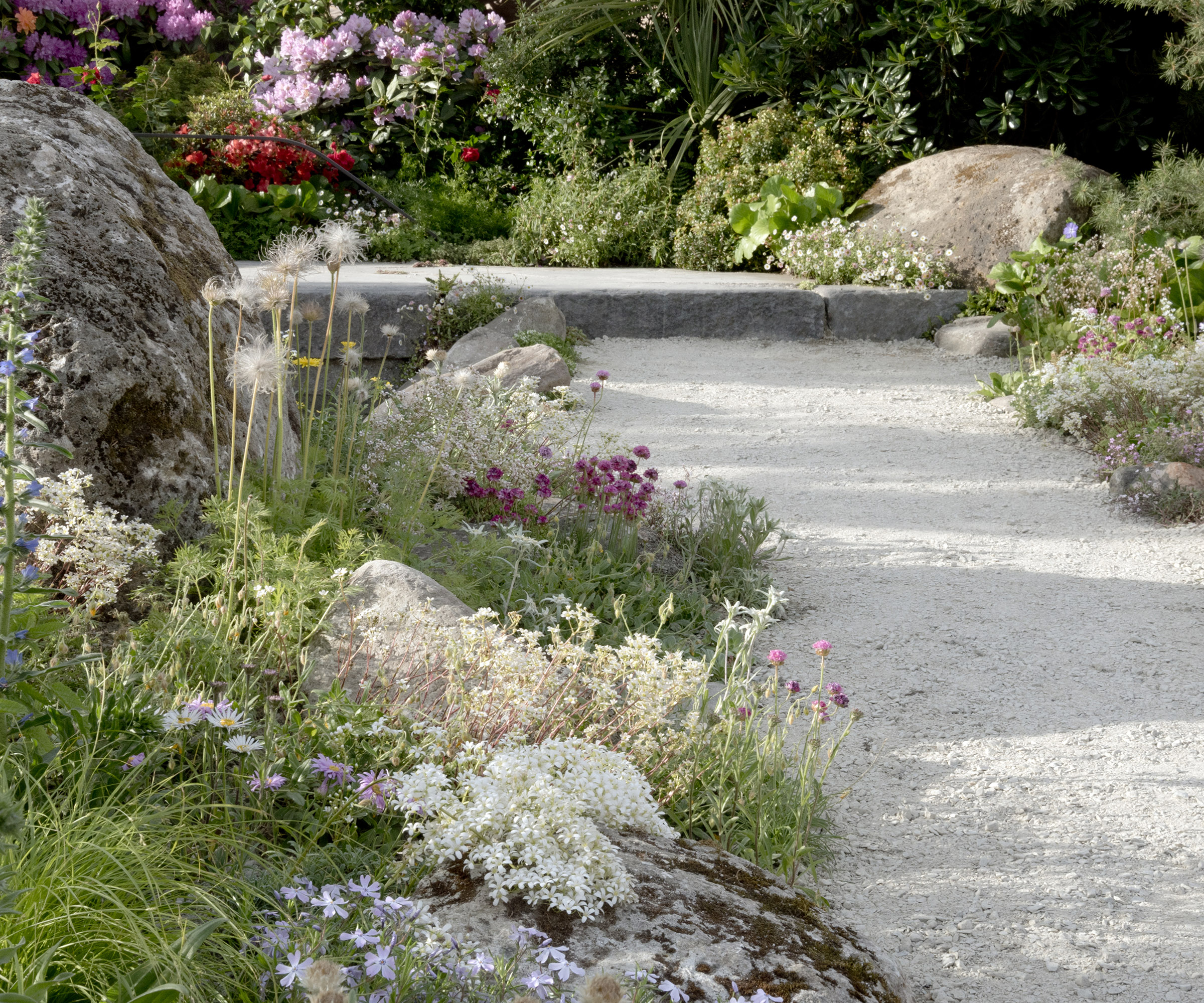
This is where the real transformation happens. You want to focus heavily on native plants because they are already adapted to your local weather and soil conditions. They also have incredibly deep roots that act like tiny pumps, helping the soil absorb water while filtering out lawn chemicals.
Because a rain garden has different zones, you get to play around with variety. The very bottom of the bowl gets the wettest, so plant things there that love soggy conditions, like marsh marigolds or certain sedges. On the sloping sides, place plants that can handle getting flooded occasionally but also tolerate dry spells, like coneflowers or switchgrass.
Adding the Finishing Touches and Mulch
Once your plants are in the ground, do not just leave the dirt bare. You need to add a thick layer of shredded hardwood mulch across the entire garden bed. Mulch is super important because it keeps the soil moist between rains, stops weeds from taking over, and prevents the dirt from washing away when the big storms hit.
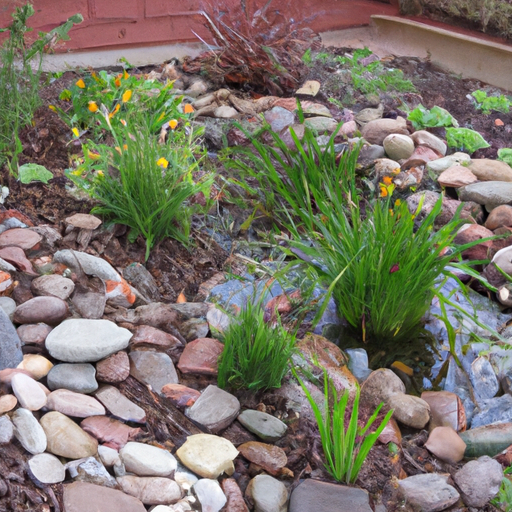
Avoid using light mulch chips because they will literally float away the first time your garden fills up with water. Shredded mulch mats together and stays put much better. You can also place a few heavy, decorative stones near the entrance where water flows into the garden to slow the rush and stop erosion.
Taking care of a rain garden is actually pretty easy once it gets established. During the first year, you will need to water your young plants if you hit a dry spell, just until their root systems grow deep and strong. Keep an eye out for weeds too, since they love wet soil just as much as your new plants do.
After a few seasons, the native plants will fill out and practically take care of themselves. You will notice fewer puddles in your lawn, and you will get to watch butterflies, bees, and birds flocking to your new backyard oasis. It is a total win for your property and the local environment.
Turning a waterlogged yard into a thriving eco-friendly rain garden is one of the most rewarding weekend projects you can take on. It solves a frustrating drainage issue while adding incredible texture, color, and life to your outdoor space. Instead of stressing out the next time dark storm clouds roll in, you will actually look forward to seeing your garden go to work.
Remember, landscaping fixes do not have to involve expensive contractors or ugly concrete trenches. With a bit of planning, some digging, and the right native plants, you can easily build a beautiful feature that protects your home and supports nature. Grab a shovel and give your soggy lawn a brand new purpose.