

You step outside, and the heat hits you like a physical wall. It’s May 2026, and the sun is already blazing by mid-morning. You look at your garden, maybe a few raised beds or some potted plants on the patio, and you worry. Not just about the bills, but about the life you’re trying to nurture in such a harsh place. It feels like a constant battle against the elements, doesn’t it? Like you’re fighting a war you can’t win with a hose and a prayer.
But what if the secret isn’t fighting harder? What if it’s about working smarter, mimicking the quiet resilience of the desert itself? For years, we’ve been told to water more, fertilize more, and push our plants to perform. Yet, the most thriving gardens in dry zones aren’t the ones drowning in water. They are the ones that have learned to keep their heads cool—literally. By focusing on the hidden world beneath the soil, you can transform your landscape from a thirsty burden into a self-sustaining oasis.
The truth is, plants don’t mind the heat as much as we think they do. What they hate is having their feet baked. When the soil temperature spikes, roots shut down. They stop drinking. They stop eating. And that’s when your plants start to struggle, no matter how much water you pour on top. The key to unlocking a lush, low-water garden lies in understanding this simple biological fact: cool roots equal happy plants. And keeping those roots cool is easier than you might imagine.
The Blanket Effect: Why Mulch Is Non-Negotiable
Think of mulch not as decoration, but as insulation. In an arid climate, bare soil is your enemy. It acts like a solar panel, absorbing heat and baking the top few inches of earth where most of the delicate feeder roots live. Applying a 2- to 3-inch layer of organic mulch—like bark, straw, or compost—creates a barrier. It keeps the sun’s rays from hitting the dirt directly. This simple act can lower soil temperatures by ten degrees or more. That difference is massive for plant health.
Organic mulches do double duty. As they break down over time, they feed the soil, improving its structure and ability to hold onto moisture. It’s a slow-release gift to your garden. But you have to get the thickness right. Too thin, and the sun punches through. Too thick, and you might suffocate the stems of sensitive plants. Aim for that sweet spot of two to three inches. Keep it a few inches away from the actual trunk or stem to prevent rot, but let it spread out wide. The wider the mulch ring, the better.
Don’t overlook the type of mulch you use. In really hot spots, light-colored wood chips reflect more sunlight than dark ones. Straw is fantastic for vegetable gardens because it stays loose and airy. Compost adds nutrients but might need to be topped with a heavier mulch to stay in place. The goal is consistency. Once you lay it down, leave it alone. Let it do its job. You’ll notice you’re reaching for the hose far less often, and when you do water, the moisture actually stays put instead of vanishing into the air.
Ancient Wisdom: The Power of Waffle Beds
Sometimes the best solutions are the oldest ones. Indigenous farmers in the Southwest have used waffle gardens for centuries. These aren’t just pretty patterns; they are highly functional water-catching devices. A waffle bed consists of small, square depressions surrounded by raised walls of soil. Each "waffle" holds a plant or a cluster of plants. When it rains, or when you irrigate, the water pools in the depression rather than running off. It sinks straight down to the roots where it’s needed most.
This technique is brilliant for arid climates because it maximizes every drop. In a flat garden bed, water tends to sheet across the surface, especially if the soil has crusted over. But in a waffle garden, the walls trap the moisture. It also creates a microclimate. The walls provide a bit of shade for the base of the plant during the hottest part of the day. And because the planting area is contained, you’re not wasting water on empty space between rows. Every inch of wet soil is supporting life.
Building them is straightforward. You mound up soil into a grid pattern, creating little basins. They don’t have to be perfect squares; rough rectangles work fine too. The key is the depth of the basin and the height of the walls. About four to six inches deep is usually sufficient. This method is particularly effective for crops like corn, beans, and squash, but it works for shrubs and trees too. It’s a way of sculpting your landscape to catch water, turning a potential loss into a gain. It’s permaculture in action, following nature’s lead to create a self-sustaining system.
Shade as a Strategy: Planting in Layers
We often think of gardening as arranging individual specimens, like statues on a lawn. But nature doesn’t work that way. In a forest or a healthy scrubland, plants grow in layers. Tall plants shade the medium ones, which shade the ground cover. This layering is crucial for water conservation. When you plant veggies or flowers closely together, their leaves touch and create a living canopy. This canopy shades the soil underneath, dramatically reducing evaporation. It’s like giving your garden its own umbrella.
Try interplanting tall, drought-tolerant species with lower-growing crops. For example, plant sunflowers or okra on the north side of your lettuce or spinach beds. As the season progresses and the heat intensifies, the taller plants will shield the cooler-season crops from the harshest afternoon sun. This extends your growing season and reduces the stress on the shallow-rooted plants. It’s a symbiotic relationship. The tall plants get full sun, and the short plants get relief. Everyone wins.
This approach also helps with wind, which can be just as drying as the sun in arid regions. A dense planting acts as a windbreak, slowing down the air movement across the soil surface. Less wind means less evaporation. It also creates a slightly more humid microclimate around the leaves, which can reduce transpiration rates. Don’t be afraid to pack things in tighter than you see in conventional gardening books. In a dry climate, spacing is often a luxury you can’t afford. Crowding is a survival tactic.
Smart Irrigation: Drip, Soak, and Deep Water
If you’re still using sprinklers that spray water into the air, you’re literally throwing money away. In dry, windy conditions, a huge percentage of that water evaporates before it even hits the ground. Switching to drip irrigation or soaker hoses is one of the most impactful changes you can make. These systems deliver water directly to the root zone, slowly and steadily. There’s no mist, no runoff, and no waste. The water goes exactly where it needs to go.
But it’s not just about the hardware; it’s about the timing and frequency. Deep, infrequent watering is far superior to shallow, daily sips. When you water deeply, you encourage roots to grow down in search of moisture. Shallow watering keeps roots near the surface, where they are vulnerable to heat and drying out. A good rule of thumb is to water until the soil is moistened to a depth of six to twelve inches. Then, let it dry out somewhat before watering again. This cycle builds resilient, deep root systems.
Timing matters too. Water early in the morning, ideally before sunrise. This allows the water to soak in before the heat of the day drives evaporation. It also gives any foliage that gets wet a chance to dry off, reducing the risk of fungal diseases. Avoid evening watering, as damp leaves overnight can invite pests and pathogens. And remember, different plants have different needs. Cacti and succulents, for instance, hate having wet feet. They need excellent drainage and far less water than your tomato plants. Tailor your irrigation zones to match the thirst of the plants.
Soil Health: Breaking the Crust and Feeding Life
Hard, compacted soil is a disaster for water retention. When rain or irrigation hits bare, compacted earth, it forms a crust. This crust repels water, causing it to run off instead of soaking in. It’s like trying to pour water onto a waxed car. To combat this, you need to keep the soil loose and alive. Regular aeration, either by gently digging with a fork or using broadforks, helps break up compaction. It creates channels for water and air to penetrate deep into the ground.
Avoid walking on your garden beds, especially when they are wet. Foot traffic compacts the soil, squeezing out the air pockets that roots and water need. If you must walk in the garden, use designated paths. Keep the root zones undisturbed. And keep weeds out. Weeds are thieves. They compete with your desired plants for water and nutrients. Pull them when they are small, before they establish deep roots. A weed-free top few inches of soil ensures that every drop of water goes to your crops, not to unwanted guests.
Improving soil health is a long-term game. Adding organic matter like compost increases the soil’s ability to hold water. Sandy soils drain too fast; clay soils drain too slow. Organic matter helps balance both, creating a loamy texture that retains moisture but still drains well. It also feeds the microbial life in the soil. Healthy soil is teeming with bacteria and fungi that help plants access nutrients and water. Think of soil not as dirt, but as a living ecosystem. Nurture it, and it will nurture your plants.
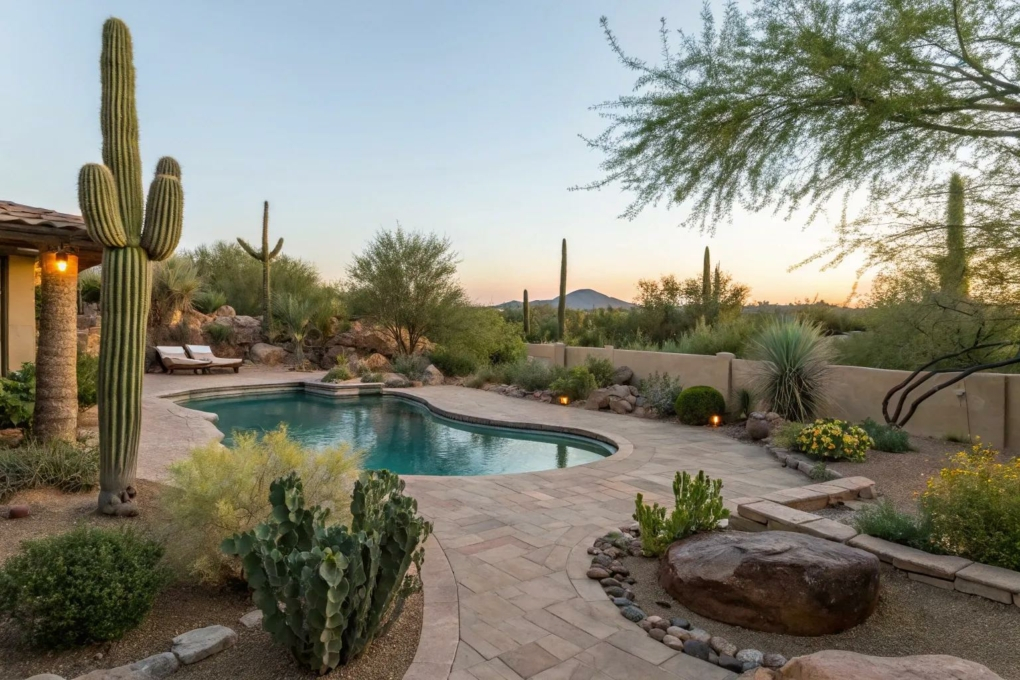
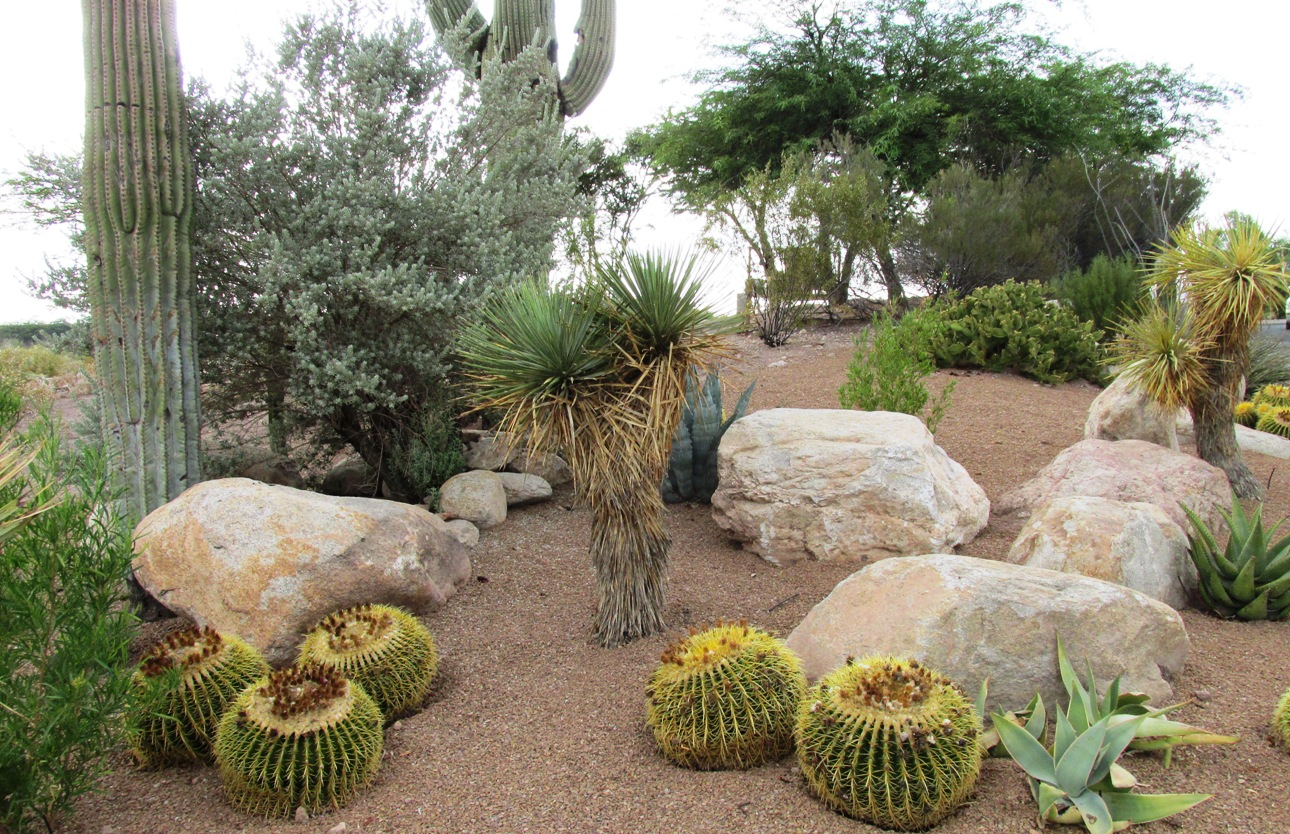
No amount of mulching or clever irrigation will make a tropical fern thrive in the Arizona desert without heroic effort. The easiest way to save water is to choose plants that are naturally adapted to your climate. Native plants have evolved over thousands of years to survive local conditions. They know how to handle the heat, the dry spells, and the specific soil types. They are your best allies. Look for plants with small, waxy, or hairy leaves, which reduce water loss. Succulents store water in their tissues, making them incredibly efficient.
But “drought-tolerant” doesn’t mean “no water.” Even desert plants need establishment care. When you first plant them, they need regular watering to develop their root systems. Once established, however, they can often survive on rainfall alone or very minimal supplemental irrigation. Group plants with similar water needs together. This is called hydrozoning. Put your thirstiest plants in one area where you can give them extra attention, and your most drought-hardy plants in another where they can largely fend for themselves.
Design your garden in layers, mimicking natural plant communities. Use tall shrubs or trees to provide shade for smaller understory plants. This not only looks beautiful but also creates a more resilient ecosystem. When you work with nature, you spend less time fighting and more time enjoying. You’ll find that your garden becomes a place of refuge, not just another chore. It becomes a testament to the beauty of adaptation and the power of working with the land, rather than trying to conquer it.
So, as you stand in your garden this summer, feel the heat but don’t fear it. Look down at the soil. Cover it. Shade it. Feed it. Choose plants that belong here. Water deeply and wisely. These aren’t just gardening tips; they are a philosophy of care. By keeping the roots cool, you unlock the potential for a lush, vibrant landscape that thrives on less. It’s a secret that’s been hiding in plain sight, waiting for you to dig in and discover it.
![The Ultimate Guide To Desert Landscape Ideas [5 Best Ideas] with The Secret to Cool Roots and Less Water Use in Arid Climates](https://cdn.dahomengarden.com/2026/05/the-ultimate-guide-to-desert-landscape-ideas-5-best-ideas-with-the-secret-to-cool-roots-and-less-water-use-in-arid-climates.webp)


![The Ultimate Guide To Desert Landscape Ideas [5 Best Ideas] with The Secret to Cool Roots and Less Water Use in Arid Climates](https://cdn.dahomengarden.com/2026/05/the-ultimate-guide-to-desert-landscape-ideas-5-best-ideas-with-the-secret-to-cool-roots-and-less-water-use-in-arid-climates.webp?width=992&f=jpg)


