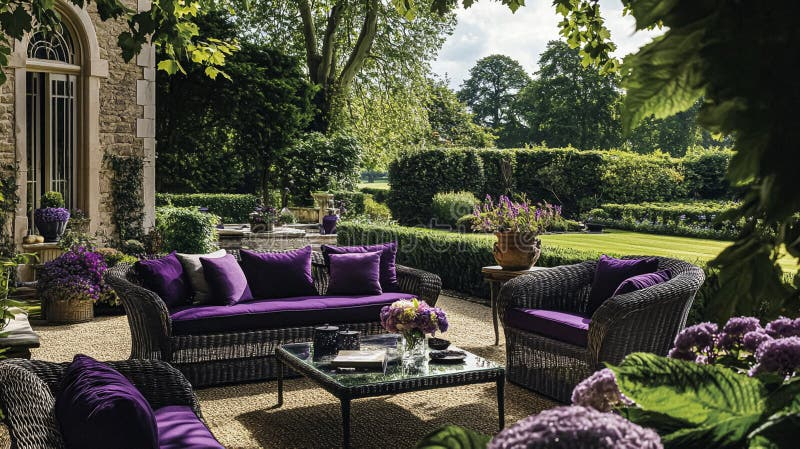

Ever feel like your outdoor area, no matter how lovely, just… isn’t quite yours? It’s got the patio, sure, maybe a grill, some flowers, but does it really call to you? Does it offer a genuine escape, a tiny world built just for your solace and joy? For many of us, the answer is a quiet, wistful "not really."
That’s where the captivating concept of the backyard nook comes in. It’s not just another seating area; it’s a dedicated, intimate spot designed with intention, a small pocket of peace carved out from the everyday hustle. Think of it as your personal outdoor sanctuary, a place where the world slows down, and you can simply be. In 2026, as our lives get ever more hectic, these tranquil havens are more essential than ever.
What Exactly is a Backyard Nook? More Than Just a Corner
So, what are we talking about when we say "backyard nook"? Imagine a cozy, somewhat secluded spot in your yard, perhaps tucked under a shady tree, nestled amongst lush plantings, or even tucked away on a small balcony. It’s an area that invites you to pause, to breathe, to simply exist. Unlike a large patio for entertaining, a nook is inherently personal and intimate. It’s not about hosting a crowd; it’s about nurturing your own spirit or sharing a quiet moment with one other person.
These little havens are about creating a sense of enclosure and comfort, even outdoors. They offer a feeling of being embraced by nature and shielded from the wider world, even if just for a moment. It’s a place for contemplation, a spot to sip your morning coffee or tea, to read a book, or to simply watch the clouds drift by. The beauty of it is that it doesn’t require a massive yard; even the smallest urban garden or a modest balcony can harbor a truly magical nook.
The Deep Human Need for Sanctuary and Connection
Our innate desire for a "nest" or a "den" doesn’t stop at the backdoor. Humans, for centuries, have sought out sheltered spots for rest, reflection, and rejuvenation. A backyard nook taps directly into this primal need for sanctuary. It offers a psychological buffer from the demands of modern life, a place where you can disconnect from screens and reconnect with yourself and the natural world. This isn’t just about aesthetics; it’s about mental well-being.
Studies continually show the profound benefits of spending time in green spaces—reduced stress, improved mood, and increased cognitive function. A personal nook amplifies these benefits by making that outdoor engagement intentional and accessible. It’s a gentle nudge to step outside, to feel the sun or a cool breeze, and to simply exist without agenda. In a world clamoring for our attention, a nook provides a much-needed whisper of quietude.
Designing Your Dream Nook: Elements of Enchantment
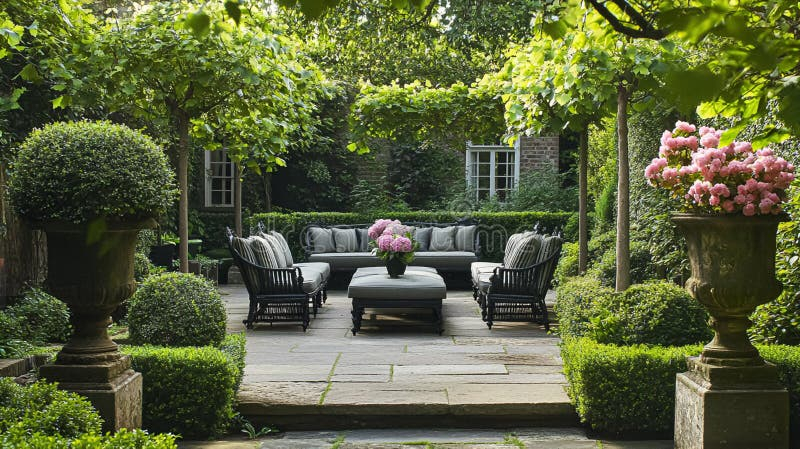
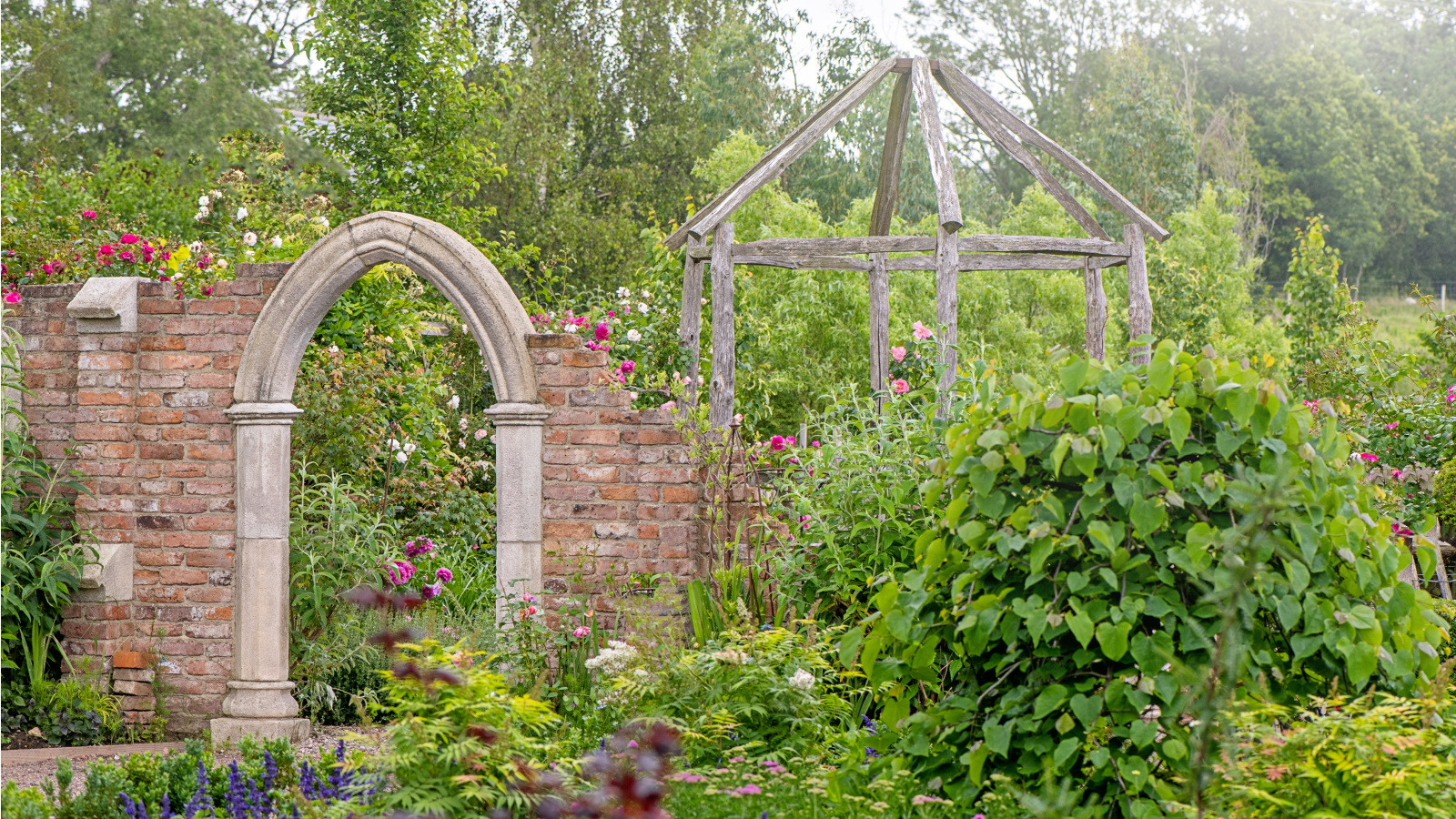
Crafting your nook is where the art truly comes alive. Start by surveying your yard. Where does the sun fall at different times of day? Is there a natural overhang or a mature tree offering shade? Consider the existing landscape and how you can work with it. The key is to create a sense of enclosure without feeling trapped. This can be achieved with strategic planting, a small trellis with climbing vines, a low wall, or even a well-placed outdoor screen.
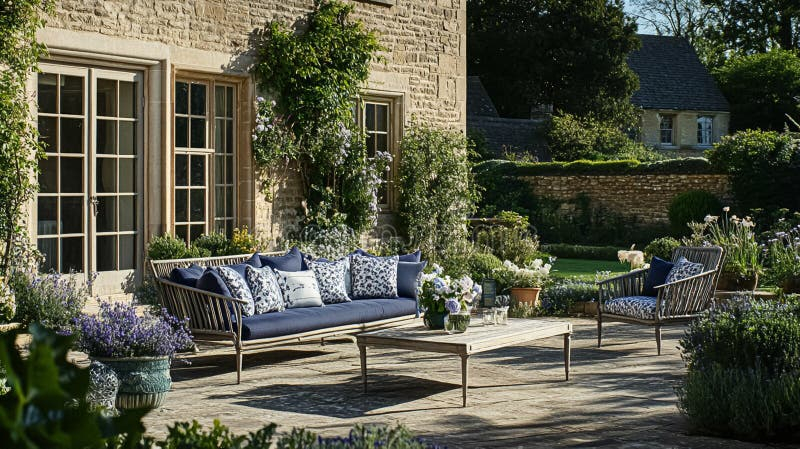
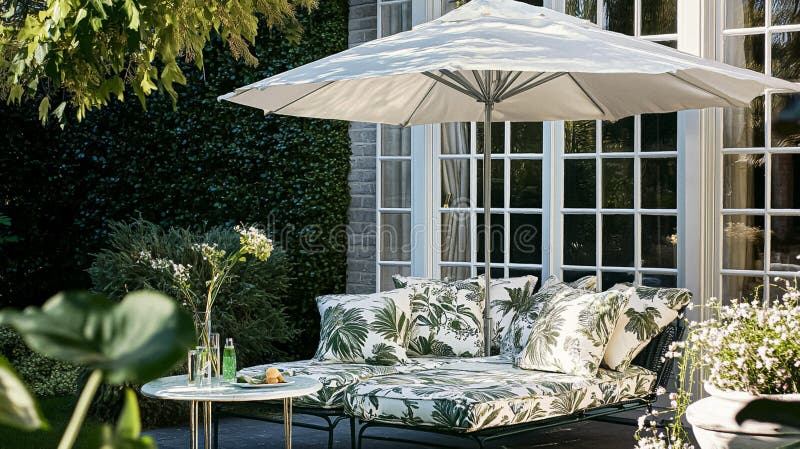
Comfort is paramount, so choose furnishings that invite lingering. Think plush cushions, soft throws, and perhaps a small table for your drink and a book. Lighting is another crucial element for extending your nook’s usability into the evening. Solar-powered lanterns, string lights, or even a small fire pit can add a warm, inviting glow. Don’t forget the sensory details: the gentle rustle of ornamental grasses, the sweet scent of jasmine, or the soothing sound of a small water feature can elevate the experience immesurably.
Personalizing Your Pocket of Peace: Themes and Styles
Your nook should be a reflection of you. What brings you peace and joy? For some, it’s a bohemian dream with floor cushions, tapestries, and hanging lanterns. For others, it might be a minimalist Japanese-inspired garden with clean lines, a single bonsai, and a meditation cushion. Perhaps you crave a vibrant, cottage-style corner brimming with colorful flowers and vintage finds. The possibilities are endless, and they’re all about what speaks to your soul.
Consider the activities you envision. Is it a reading nook, complete with a weatherproof bookshelf and a comfy armchair? A morning coffee spot with a bistro table and chairs? Or maybe a creative corner with an easel and art supplies? The theme will guide your material choices, color palette, and decorative accents. Remember, this isn’t about perfection; it’s about crafting a space that feels authentically yours, a place where you can truly unwind and be hapy.
Practical Tips for Bringing Your Nook to Life in 2026
Ready to get started? Here are some actionable tips for creating your ideal outdoor sanctuary this year. First, assess your space and budget. A stunning nook doesn’t need to break the bank. You can repurpose old furniture with a fresh coat of paint and some new cushions, or hunt for treasures at local flea markets. Secondly, think about privacy. Even a simple bamboo screen or a strategically placed tall planter can make a huge difference in creating that intimate feel.
Don’t forget the power of plants. Layering different heights and textures can create depth and a sense of envelopment. Consider fragrant herbs like lavender and rosemary, or climbing plants that will soften hard edges. Lastly, embrace the imperfections. Your nook isn’t a showroom; it’s a living, breathing part of your home. It will evolve with the seasons and with your changing needs, and that’s part of its charm. A little moss on a stone or a slightly faded cushion tells a story, doesn’t it.
Beyond the personal well-being benefits, a thoughtfully designed backyard nook can actually add tangible value to your property. In 2026, homebuyers are increasingly looking for homes that offer not just square footage, but also lifestyle and experience. A well-executed outdoor sanctuary signals a home that cherishes comfort and offers distinct zones for relaxation and enjoyment. It shows intentionality and care in home design.
Think of it as an extra "room" that extends your living space outdoors, a place where potential buyers can instantly envision themselves unwinding. This isn’t just about curb appeal; it’s about emotional appeal. A nook makes a house feel more like a home, a place of refuge and joy. It’s an investment in both your present happiness and your future property value, making it a truly smart addition to any outdoor area.
In the end, creating a backyard nook is more than just arranging some furniture and plants. It’s an act of self-care, a deliberate choice to carve out a little piece of the world where you can truly unwind and reconnect. It’s about understanding that our outdoor spaces aren’t just for utility or grand entertaining; they’re also for quiet moments, for deep breaths, and for the simple, profound joy of being.
So, take a look around your yard, your balcony, your patio. Is there a forgotten corner, a spot yearning for purpose? Imagine the possibilities. Imagine the peace. Your outdoor space isn’t just waiting for a nook; it’s calling for one. And you, my friend, deserve that little slice of outdoor heaven.