
Have you ever looked out at your yard and wondered why patches of green look tired, thin, or just plain sad. You water it, you mow it, and yet your turf seems to be giving up on you. It is frustrating, especially when you put so much care into outdoor chores.
Most folks blame bad weather or a lack of fertilizer. But the real culprit is usually hiding right beneath your feet. Soil gets hard and packed down over time, leaving roots with nowhere to grow.
The Hidden Enemy Beneath Your Feet
Hard dirt is a silent killer for grass. When people walk across the yard, kids play, and heavy mowers roll over the turf, soil particles get crushed together. This heavy packing squeezes out tiny air pockets that roots desperately need to survive.
Without loose dirt, plant roots cannot push deep into the ground. They end up circling near the surface, making them vulnerable to heat and drought. A packed yard simply cannot breathe.
What Compacted Ground Does To Roots
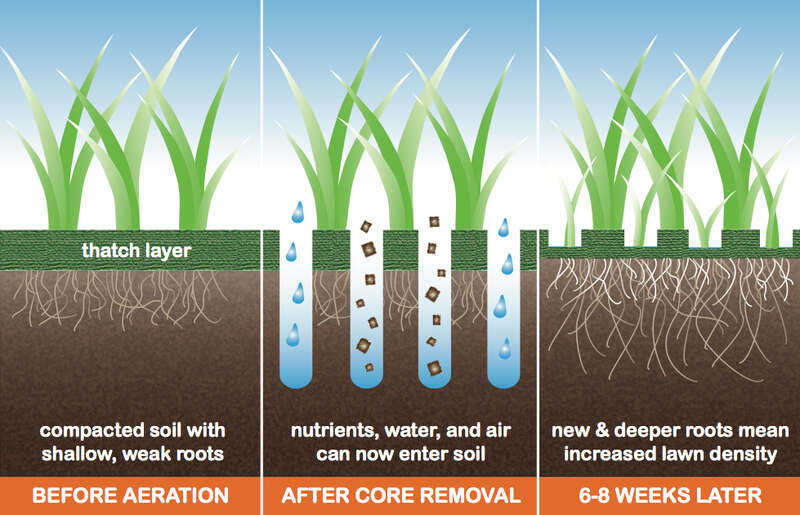
Grass roots need three main things to thrive: water, nutrients, and oxygen. When the ground turns into a brick-like surface, none of these essentials can reach down below. Water just puddles on top or runs off into the street instead of soaking in.
Think about trying to breathe through a heavy blanket pressed against your face. That is what roots experience in dense earth. They suffocate slowly, leading to thin turf and stubborn weeds that love harsh conditions.
Signs Your Yard Needs Help
How can you tell if your turf is suffering from tight soil. One classic test is the screwdriver check. Try pushing a metal screwdriver into your dirt. If it refuses to go in easily, you have a compaction problem.
You might also notice water pooling after a light rain instead of draining away. Thinning patches, yellowing blades, and a spongy feel in some spots also point toward trapped roots gasping for air.
How Aeration Comes To The Rescue
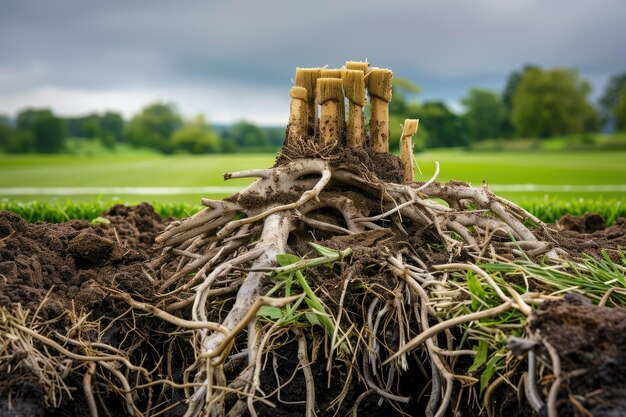
Yard aeration is basically giving your property a deep breath of fresh air. This process involves punching small holes or pulling tiny plugs of dirt out of the ground. It breaks up the tough crust and opens pathways for life-giving elements to drop deep.
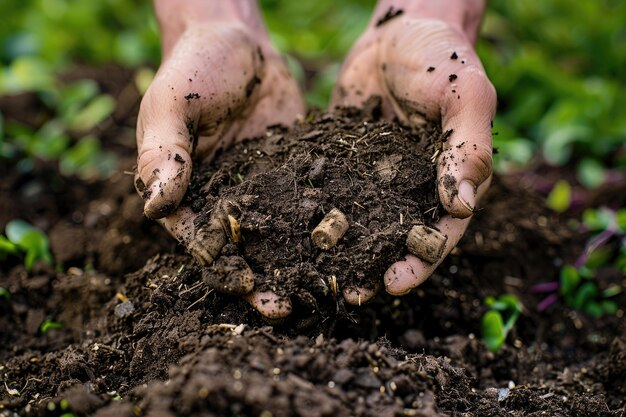
Special machines called aerators do the heavy lifting by removing small cores of earth. Once those plugs are out, the surrounding dirt relaxes and expands, creating a welcoming home for thirsty roots.
The Right Timing For The Job
Timing matters a lot when you want to help your yard recover. For cool-season turf types, early fall or spring works best because the weather is mild and growth is active. Warm-season yards prefer late spring just as green-up begins.
Doing this work during peak growing seasons helps the turf heal fast. New shoots and roots quickly fill in the empty spaces left behind by the machine.
Right after the job is done, your yard might look a bit messy with little dirt plugs scattered everywhere. Do not panic. Those plugs break down naturally within a couple of weeks after a few rains or mowings.
Underneath the surface, magic is happening. Fertilizer, water, and air finally reach deep into the root zone. Within a short time, you will notice stronger growth, a richer color, and a resilient yard that handles summer stress like a pro.
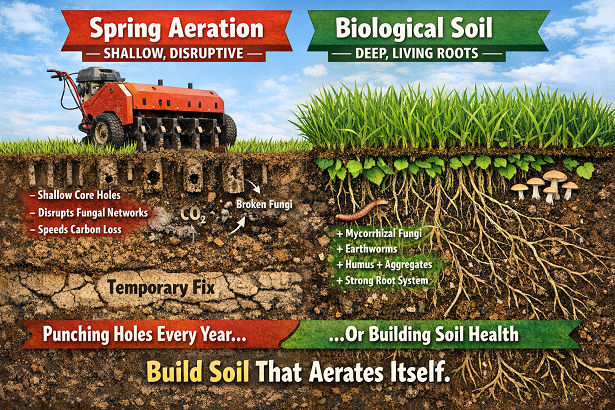
Reviving a struggling yard does not require a magic wand or endless bags of expensive chemicals. Often, it just comes down to relieving pressure and letting the soil breathe again. By understanding what happens beneath the surface, you can transform a tired patch of green into a thriving outdoor space.
Take a moment to check your dirt today. A little bit of aeration might be all your turf needs to bounce back stronger than ever this season.