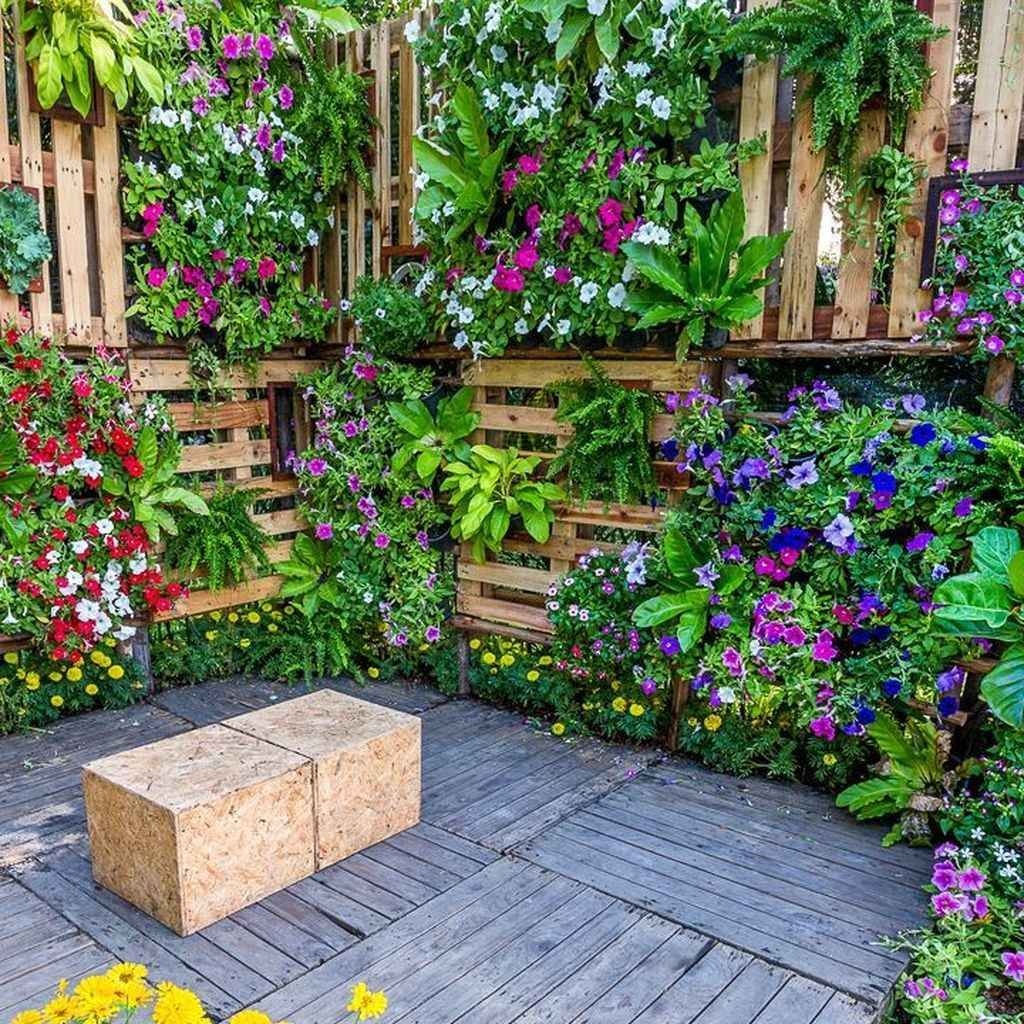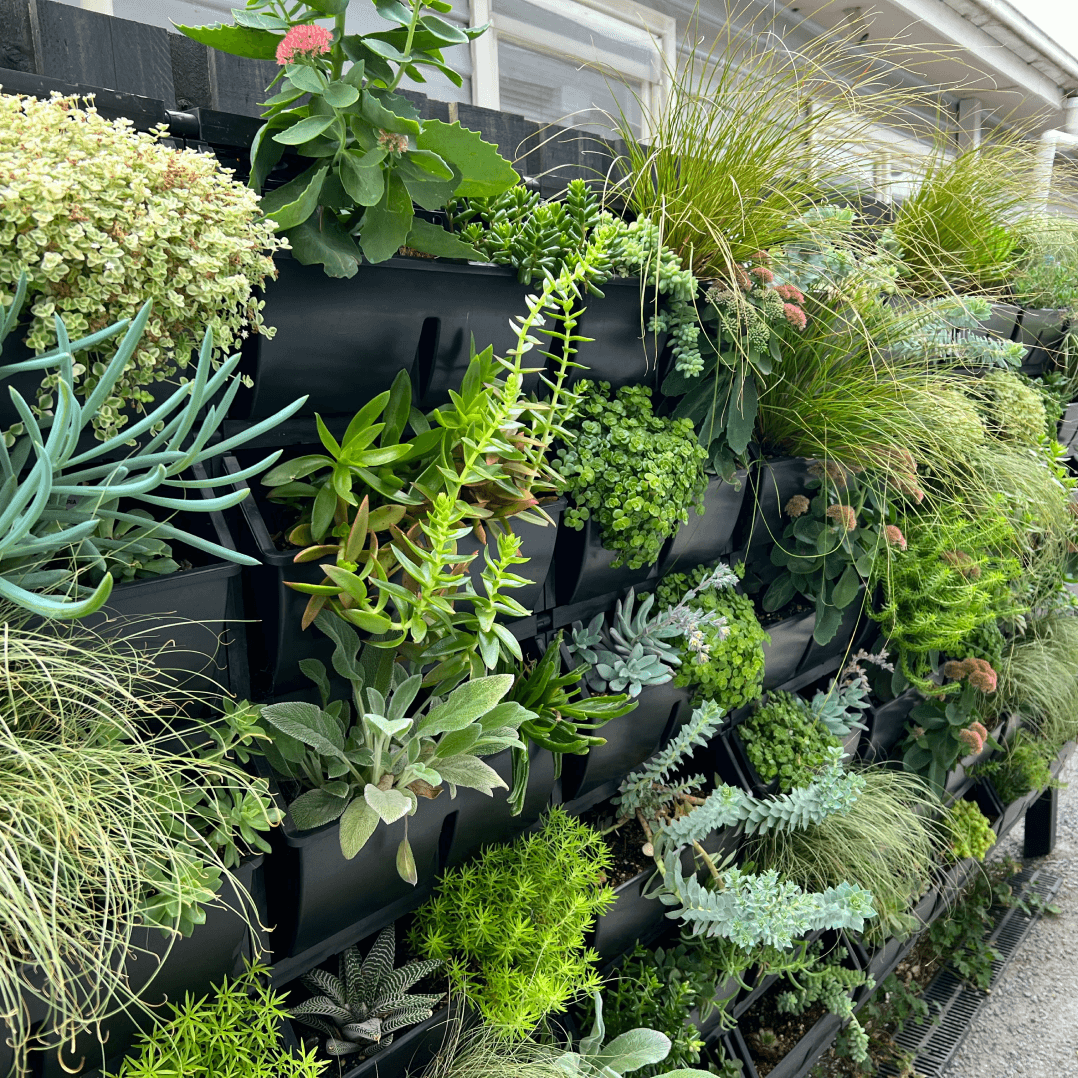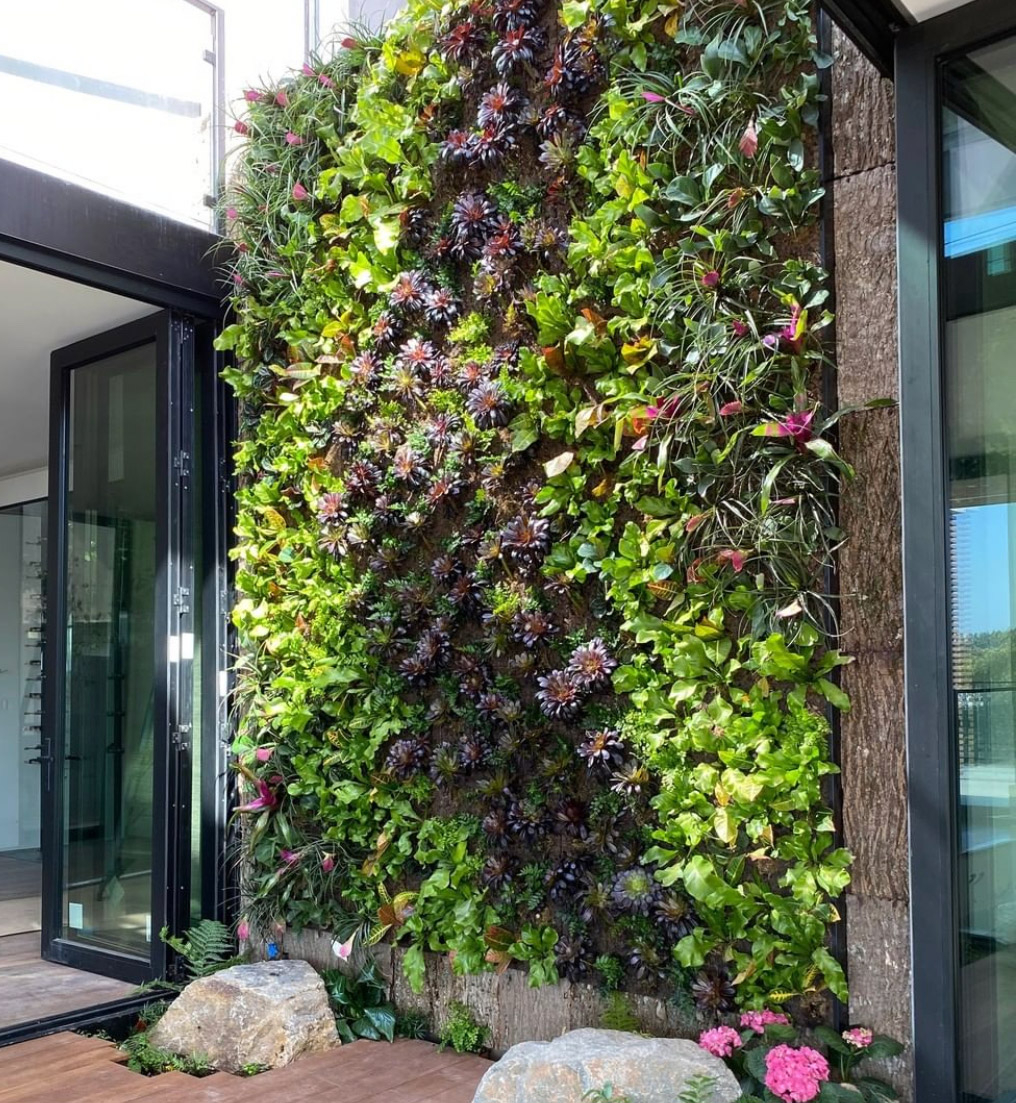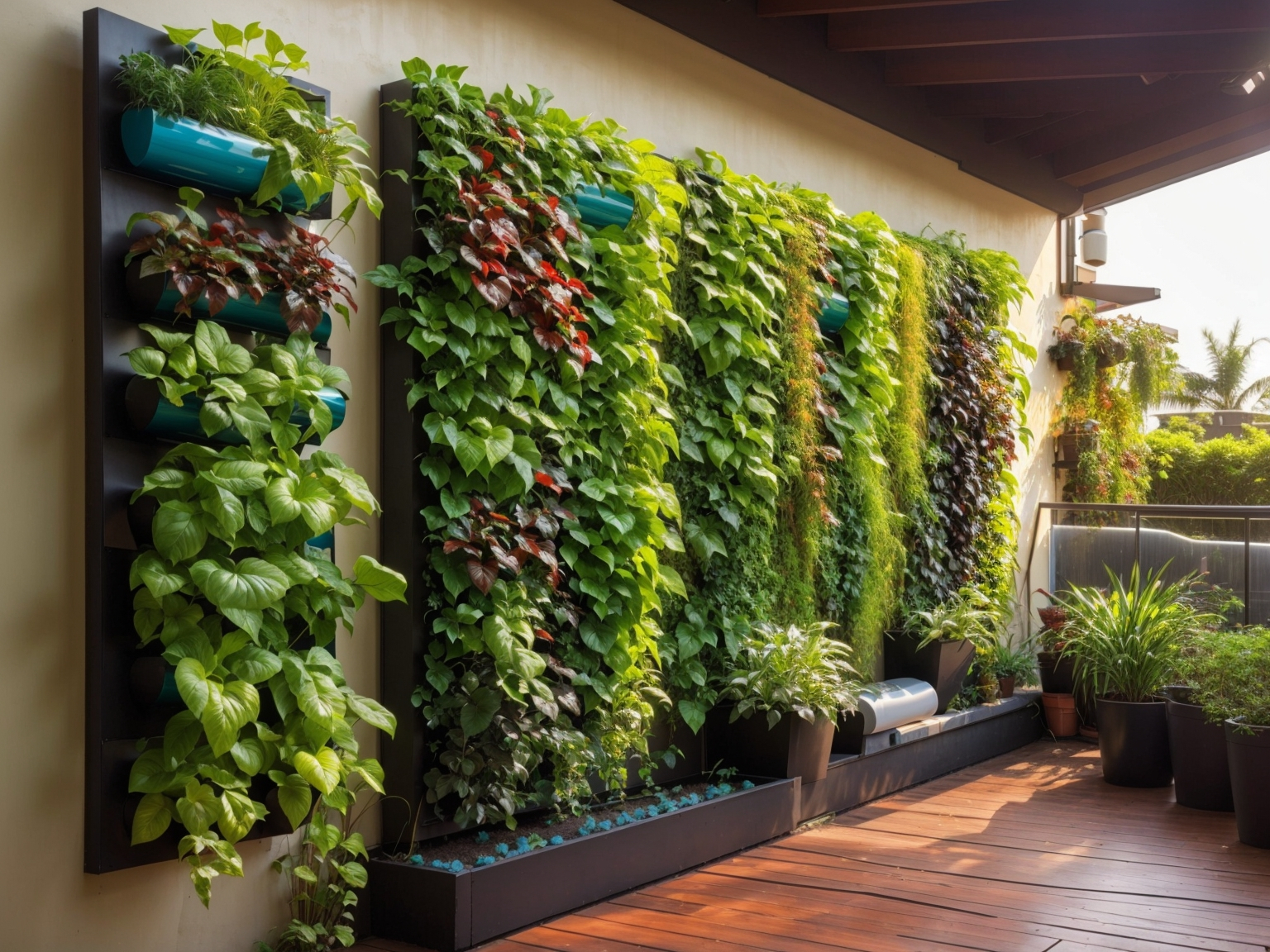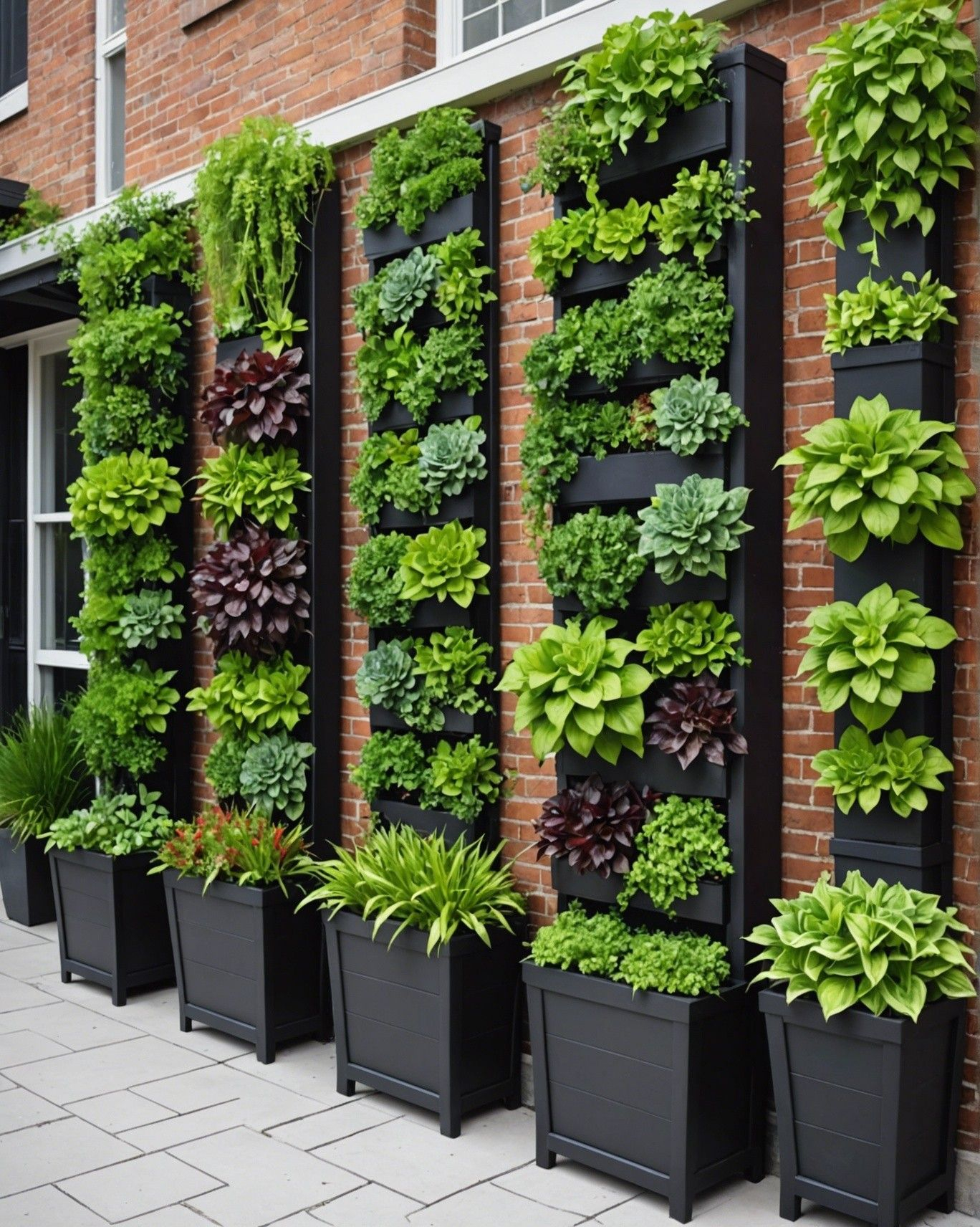

Ever step outside your apartment building in July and feel like you’ve walked into an oven? You’re not imagining it. Cities are hot. Really hot. But lately, if you walk down certain streets in Chicago, London, or Singapore, the air feels different. Cooler. Fresher. You look up and see walls that aren’t made of concrete or glass, but of ferns, moss, and flowering vines. It’s not just a pretty picture. It’s a survival strategy. And honestly? It’s probably the smartest move we’ve made for city living in decades.
We used to think of gardening as something you did in a backyard. But in 2026, most of us don’t have backyards. We have balconies the size of a closet, or worse, just windows. So, we started looking up. Vertical gardens—also called living walls or green facades—have stopped being a weird architectural experiment. They are now mainstream. They are practical. And they are solving problems we didn’t even know we could fix with plants. From dropping temperatures by 10-20°F to catching rainwater before it floods our streets, these green walls are doing heavy lifting. Let’s talk about why this isn’t just a trend, but the new normal.
Cooling Down the Concrete Jungle
Let’s be real about the heat. Urban areas trap warmth. It’s called the "heat island effect," and it makes summers miserable. Traditional buildings absorb sunlight and radiate it back out, turning cities into ovens. But vertical gardens act like a natural air conditioner. How? Through a process called evapotranspiration. Basically, plants sweat. As they release water vapor, they cool the surrounding air.
The numbers are pretty wild. Recent data shows that buildings with well-maintained living walls can be 10-20°F cooler than their bare-brick neighbors. That’s not just a minor comfort tweak. That’s the difference between needing your AC blasting all day and being able to open a window. For city dwellers, this means lower energy bills and a smaller carbon footprint. It also means the street level feels less like a sauna. When you cover a dull façade with lush greenery, you aren’t just decorating. You’re actively regulating the temperature of your immediate environment. It’s physics, but it feels like magic.
Think about the last time you stood under a tree on a hot day. That’s the same principle, just applied vertically. By integrating these systems into urban planning, cities are tackling environmental challenges head-on. It’s a simple concept: replace heat-absorbing surfaces with life. The result is a tangible drop in ambient temperature. And in a year where heatwaves are becoming more frequent, that 10-degree drop isn’t just nice. It’s essential.
Breathing Easier in Dense Spaces
Air quality in cities has always been a bit of a gamble. Between car exhaust, construction dust, and industrial emissions, the air can get thick. We often forget that plants are incredible filters. They don’t just look good; they work hard. Leaves trap particulate matter. They absorb pollutants like nitrogen oxides and volatile organic compounds (VOCs). In a dense urban environment, every square foot of leaf surface area counts.
Vertical gardens maximize this surface area without taking up any ground space. A single living wall can support thousands of plants. Take the famous vertical garden on the CaixaForum in Madrid, for instance. It holds over 15,000 plants from 250 different species. That’s a massive biological filter working 24/7. These plants create habitats for insects and birds that would otherwise vanish from our concrete landscapes. Biodiversity isn’t just for national parks. It’s happening on the side of office buildings and apartment complexes right now.
But it’s not just about the bugs and birds. It’s about us. Breathing cleaner air reduces respiratory issues. It lowers stress levels. There’s something psychologically calming about seeing green instead of gray. Studies have shown that even looking at nature for a few minutes can lower cortisol levels. So, when you walk past a green wall on your commute, you’re not just seeing a pretty display. You’re getting a mini health boost. The plants are scrubbing the air you breathe, making the city a healthier place to live, one leaf at a time.
Managing Water and Reducing Flood Risk
Rain in the city used to be a problem. Instead of soaking into the ground, it hits pavement and roofs, rushing into sewers that often can’t handle the volume. This leads to flooding and pollution. Vertical gardens change this dynamic completely. They act like sponges. The soil and plant roots absorb rainwater, holding onto it and releasing it slowly.
In fact, these systems can retain 10-30% of rainfall. That might not sound like a lot, but when you multiply it across hundreds of buildings in a city block, the impact is huge. It reduces the strain on municipal drainage systems. It lowers the risk of flash floods during heavy storms. And because the water is filtered through the soil and roots, what does eventually run off is cleaner. It’s a win-win for infrastructure and the environment.
This is especially crucial in 2026, as weather patterns become more unpredictable. We’re seeing heavier rains and longer dry spells. Vertical gardens help mitigate both. During dry periods, the retained moisture helps keep the plants alive and the surrounding air humid. During wet periods, they hold back the surge. It’s a smart, passive way to manage water resources. No pumps, no complex machinery. Just plants doing what they’ve done for millions of years. Adapting. Surviving. Helping us survive too.
The Tech Behind the Green
You might be thinking, “I kill succulents. How am I supposed to maintain a wall of ferns?” Good news. You don’t have to. One of the biggest shifts in 2026 is the integration of smart technology with vertical gardening. We’re talking about automated watering systems, soil moisture sensors, and app-based monitoring. These aren’t your grandma’s garden hoses.
Modern living walls are often modular. They come in panels that are easy to install and replace. If a plant dies, you swap out the panel. It’s like changing a battery. The irrigation systems are precise, delivering water directly to the roots only when needed. This saves water and prevents over-watering, which is the number one killer of houseplants. Sensors track humidity, light levels, and nutrient needs, sending alerts to your phone if something’s off.
This tech makes vertical gardening accessible to busy urbanites. You don’t need a green thumb. You just need a wall and a power outlet. Companies are expanding these modular technologies, making them cheaper and easier to adopt. It’s no longer just for luxury hotels or corporate HQs. Apartment complexes and even individual homeowners are installing these systems. The barrier to entry has dropped. The convenience has skyrocketed. And the result is that more people are participating in urban greening without the hassle. It’s gardening for the digital age. Efficient. Effective. And surprisingly low-maintenance.
Growing Food on Your Walls
Here’s a twist. Vertical gardens aren’t just for ornamental plants. In 2026, edible landscaping is booming. Imagine picking fresh basil, lettuce, or strawberries right off your balcony wall. It’s not a fantasy. It’s happening. With the right setup, you can grow a significant amount of food in a tiny footprint. This blends beauty with utility in a way that’s incredibly satisfying.
For city dwellers, access to fresh produce can be limited or expensive. Growing your own cuts costs and reduces the carbon footprint associated with transporting food. Plus, there’s nothing quite like the taste of a tomato you grew yourself. Edible vertical gardens use the same principles as ornamental ones. They use vertical space efficiently. They can be integrated with smart irrigation systems. And they provide a sense of connection to nature that many of us crave.
It’s also about community. Some apartment buildings are creating shared vertical gardens where residents can grow herbs and veggies together. It fosters interaction. It builds community. In a world where we’re often isolated in our high-rise units, these shared green spaces become social hubs. People gather to tend the plants, share harvests, and chat. It turns a blank wall into a living, breathing part of the neighborhood. It’s food security. It’s social connection. It’s delicious.
Let’s not overlook the obvious. Vertical gardens are beautiful. They turn dull, gray façades into lush, lively environments. In a cityscape dominated by steel and glass, a splash of green is refreshing. It breaks up the monotony. It adds texture and color. Architects are increasingly using living walls as design elements, not just afterthoughts. They’re transforming urban architecture by integrating nature into the built environment.
But the beauty goes deeper than aesthetics. It impacts our mental wellbeing. Biophilia—the idea that humans have an innate connection to nature—is real. Being around plants reduces anxiety. It improves mood. It boosts creativity. In high-stress urban environments, these benefits are invaluable. A view of a green wall from your office window can make the workday feel less oppressive. A living wall in your lobby can make coming home feel like a retreat.
This is why vertical gardens are more than a fleeting design trend. They are a transformative force. They offer tangible benefits for public health and urban aesthetics. They make cities more livable. More humane. As we continue to densify our urban centers, we need these pockets of nature. They remind us that we are part of the natural world, not separate from it. They bring life back to the city. And in 2026, that’s exactly what we need.
So, where does this leave us? Vertical gardens are no longer a niche interest. They are a smart, practical solution for modern urban living. They cool our cities. Clean our air. Manage our water. Feed us. And make us happier. The technology is here. The benefits are proven. The only question left is: why aren’t we covering every available wall with green?
If you’re considering adding a living wall to your space, start small. Look into modular systems. Check out local nurseries that specialize in vertical setups. Or just advocate for them in your building. The shift is happening. The future of urban living is green. And it’s growing up, not out. It’s time to embrace it. After all, nature always finds a way. We just need to give it a wall to climb.