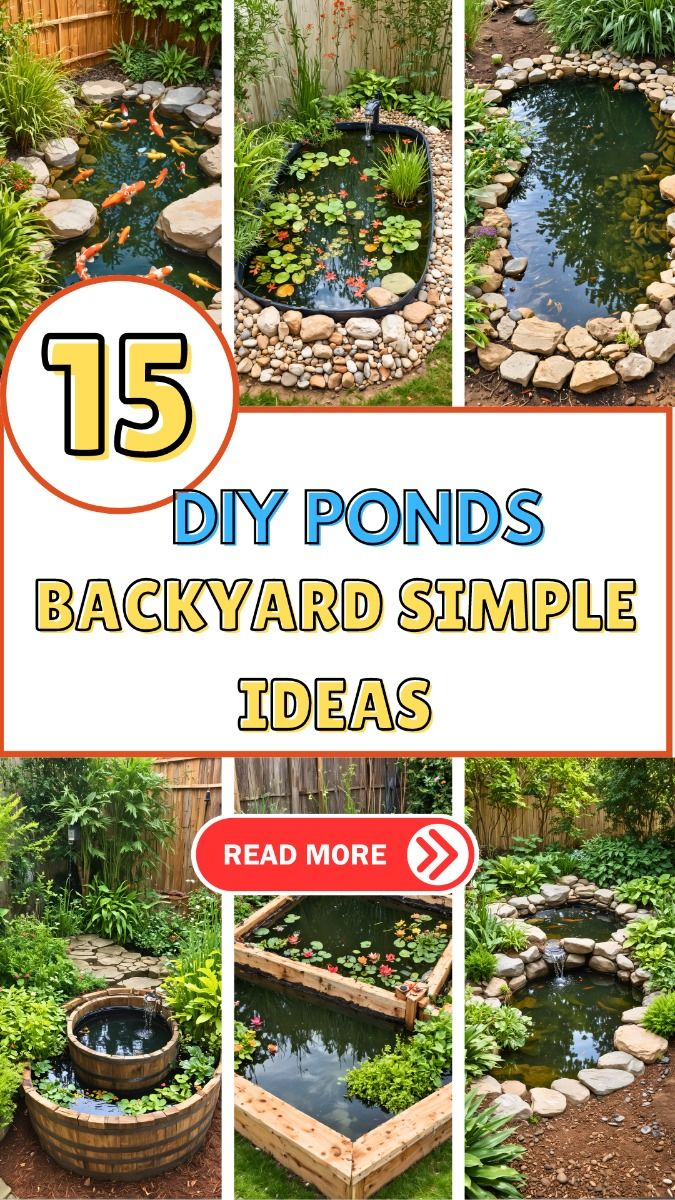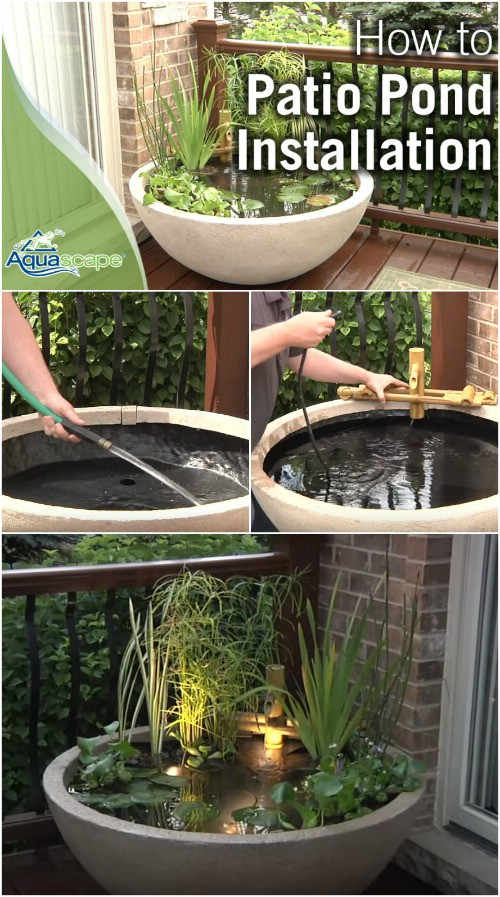

Ever looked out at a small backyard and wished it felt a bit more alive? You do not need a massive estate or thousands of dollars to make that happen. In fact, adding just a tiny bit of water is the single most effective thing you can do to bring local biodiversity right to your back door.
Imagine sitting outside on a warm evening and watching dragonflies zoom around, or seeing a neighborhood bird stop by for a quick splash. It is completely doable this year, even if you only have a few square feet of space or a patio to work with.
Why Bigger Isn’t Always Better for Nature
When people think of a garden pond, they usually picture giant holes, loud filtration pumps, and expensive contractors. But local wildlife actually prefers quiet, calm water. Tiny ponds—even ones made from an old tub or a simple plastic liner—mimic natural wetlands perfectly. They offer a safe zone for creatures that are losing their natural habitats to climate change and urban development.
Frogs, newts, and helpful insects are actively looking for small water sources to lay eggs or get a drink. Because these mini ecosystems do not have massive pumps moving the water around aggressively, they create a peaceful sanctuary. It is an amazing way to support conservation right at home.
Picking the Best Spot in Your Yard
Before you start digging or buying materials, you need to find the right location. It might be tempting to tuck the pond away in a dark corner, but your new ecosystem needs a balance of light and shade. Aim for a spot that gets around four to six hours of sunlight each day to keep the plants happy without overheating the water.
Try to avoid placing it directly under big trees. Falling leaves will drop into the water and decay, which can cause the water to turn slimy and smelly over time. You also want to make sure you can see the pond from a window or a porch because watching the daily visitors is the best part of the whole project.
Container vs. Digging: Choosing Your Style
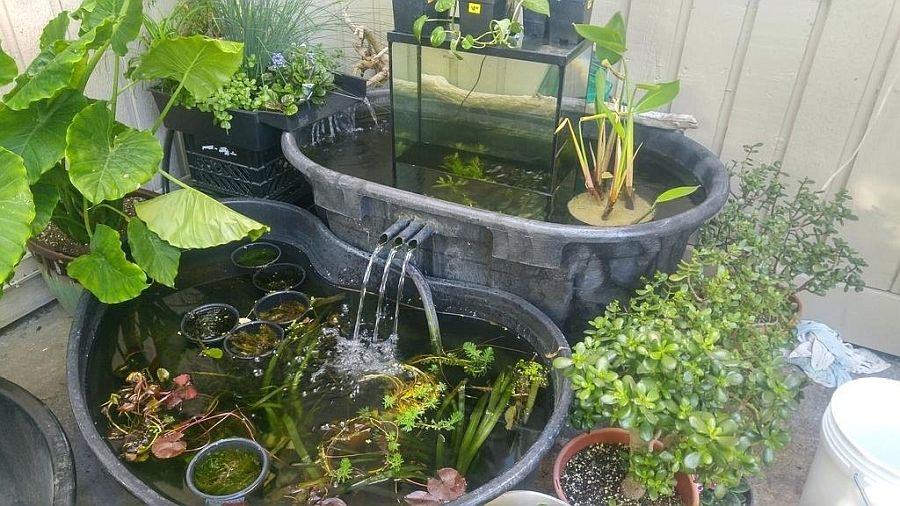
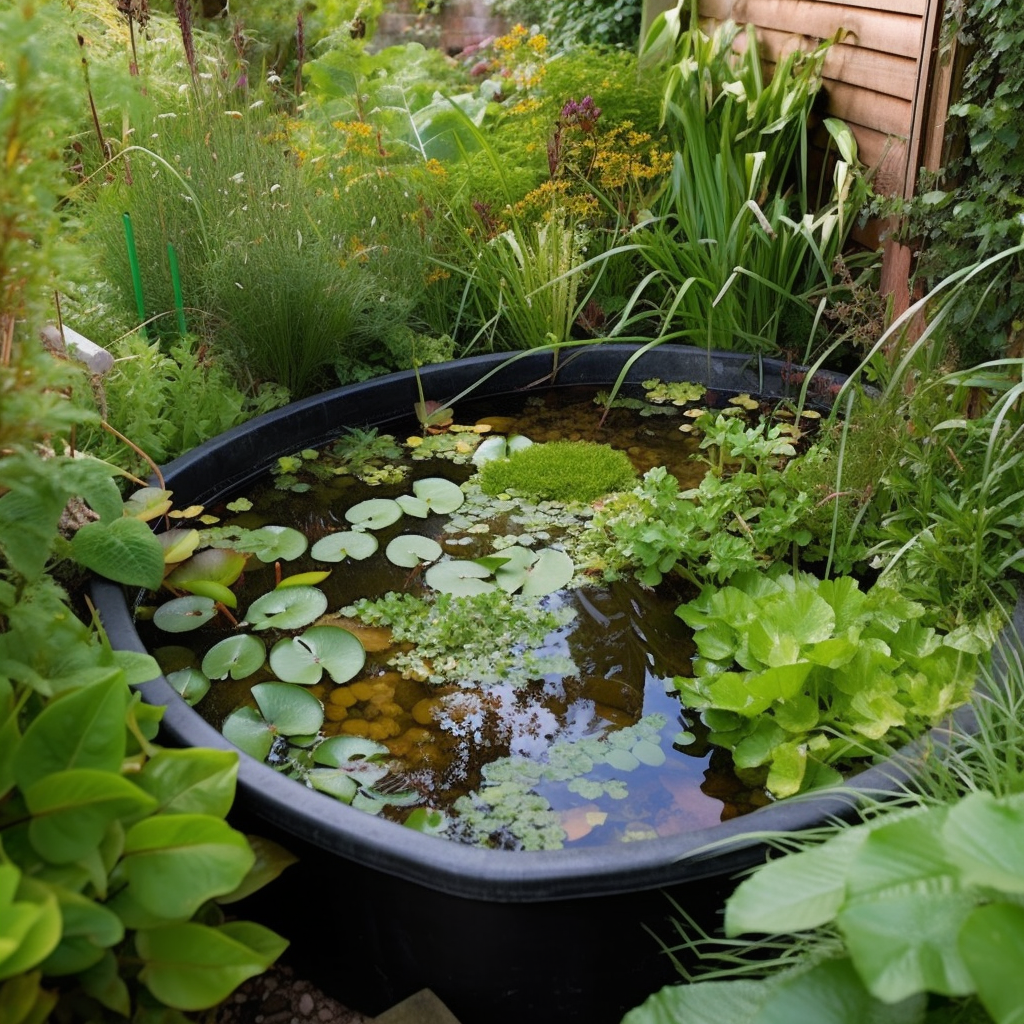
You have two main paths to choose from here. If you are renting or have a patio, a container pond is your best bet. An old bucket, a ceramic pot, or a plastic storage tub can become a thriving home for nature in just a couple of hours. Just make sure to seal any drainage holes at the bottom.
If you have a patch of grass, digging a small hole and using a flexible pond liner gives you more freedom with shapes. You do not need to go deep—just about 1.5 to 2 feet at the deepest point is plenty. This depth keeps the water from freezing solid in the winter or boiling hot during the summer months.
Designing a Safe Way Out
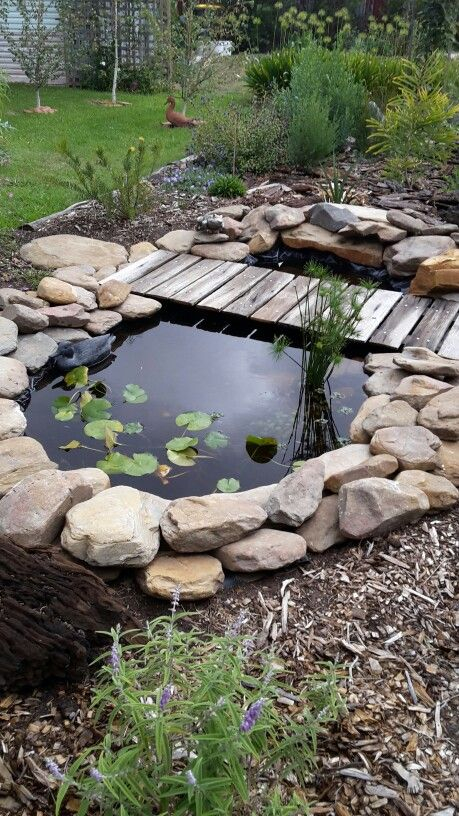
This is the most critical step that many beginners forget. If a creature jumps or falls into your pond, it must be able to climb back out easily. Birds, hedgehogs, and frogs can drown if the sides of the pond are too steep and slippery.
Important Safety Note: Always create a sloped ramp using large stones, gravel, or logs.
If you are using a bucket or a pre-formed tub, pile up rocks on one side inside the container to form natural underwater stairs. This simple addition makes your water feature completely safe for every visitor.
Selecting the Right Native Plants
Plants are the engine of your mini pond. They keep the water clean by soaking up nutrients and providing oxygen, which means you won’t need an artificial filter. Go for native plants because they handle local weather perfectly and support the native bug population.
- Oxygenators: Plants like hornwort stay underwater and pump oxygen directly into the liquid.
- Marginals: Species like marsh marigold love shallow edges and provide great hiding spots.
- Floating plants: Tiny water lilies shade the surface, keeping the water cool and stopping algae from taking over.
Once your pond is set up, fill it with rainwater if possible, as tap water contains chemicals that can upset the natural balance. Now comes the hard part: waiting. It might take a few weeks for the water to settle down and find its natural balance, so don’t panic if it looks a bit cloudy at first.
Maintenance is surprisingly low. Just top it up with water during dry spells and scoop out any handfuls of fallen leaves in autumn. Within no time, you will start noticing life arriving. From tiny water beetles to birds taking their morning baths, your small backyard will feel bigger and much more alive than ever before.