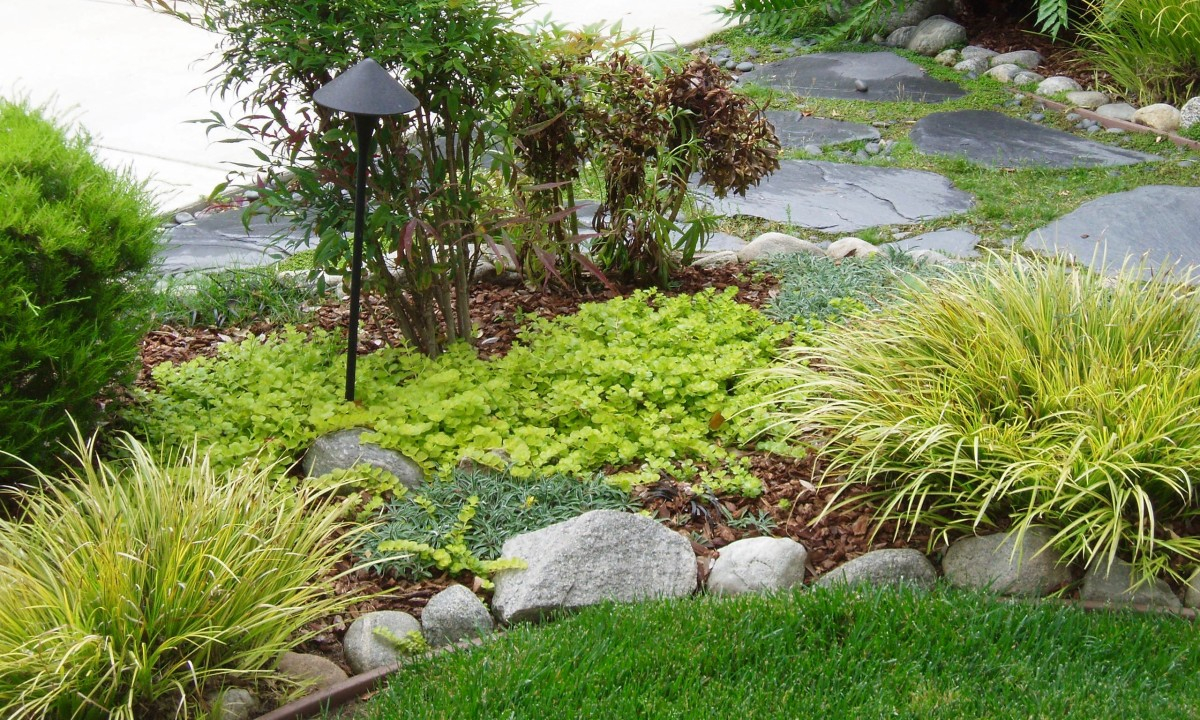

You know that feeling when you walk into a room that’s perfectly furnished but feels… cold? Like a showroom nobody actually lives in. That’s what a garden looks like without softscape. It’s just stone and wood and metal. Sure, it’s structured. It’s clean. But it doesn’t breathe. In 2026, we’re seeing a massive shift away from that sterile perfection. People are tired of yards that look like concrete puzzles. They want life. They want movement. They want something that changes with the seasons and smells like rain on dry earth.
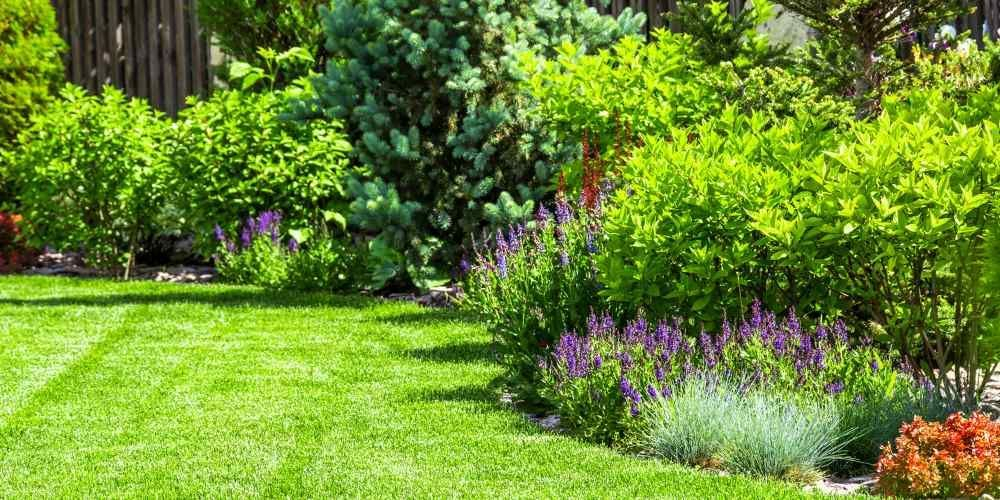
Softscape isn’t just "plants." It’s the pulse of your outdoor space. While hardscape gives you the bones—the patio where you drink coffee, the path that leads you to the back door—softscape provides the soul. It’s the lavender brushing against your leg, the shade from an oak tree, the way light filters through maple leaves in October. Without it, your garden is just a construction site that never finished. And let’s be honest, who wants to hang out in a construction site?
The Shift from Decoration to Partnership
For years, we treated plants like accessories. You’d buy a potted fern because it matched the couch, or plant some tulips because they were pretty in spring. Done. But in 2026, that mindset feels outdated. We’ve stopped viewing greenery as mere decoration. Instead, we’re treating them as strategic partners. Think about that for a second. A partner.
This change comes from a deeper understanding of how our outdoor spaces function. We aren’t just looking at color; we’re looking at ecological function. A native shrub isn’t just a green blob; it’s a habitat for local bees. A cluster of ornamental grasses isn’t just texture; it’s a windbreak that protects your seating area from harsh gusts. When you start seeing plants this way, your whole design process flips. You stop asking "What looks good here?" and start asking "What works here?"
It’s also about sustainability. We’re all more aware now. We know that a lawn of thirsty Kentucky Bluegrass in a drought-prone area isn’t just expensive; it’s irresponsible. By choosing softscape elements that are adapted to your specific region, you’re building a garden that sustains itself. It’s less work for you and better for the planet. That’s a win-win that didn’t use to be the priority, but now? It’s the baseline.
Softscape vs. Hardscape: Finding the Balance
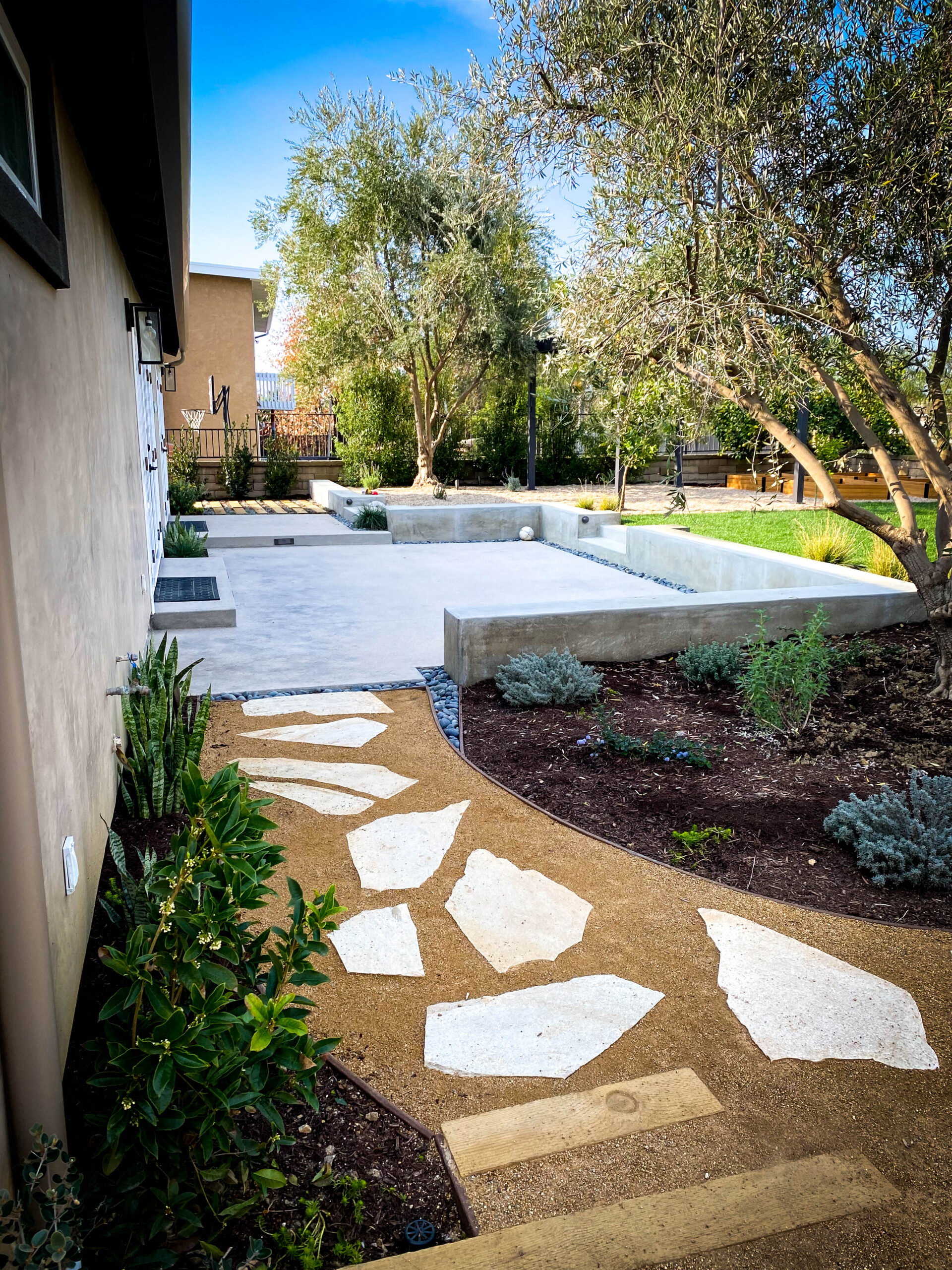
Let’s clear up a common confusion. Hardscape is the stuff that doesn’t grow. Patios, retaining walls, pergolas, pathways. It’s permanent. Static. Softscape is everything that does grow. Trees, shrubs, flowers, groundcovers, even the soil itself. It’s dynamic. Alive. The magic happens in the tension between the two.
Imagine a beautiful stone patio. It’s sleek, modern, and durable. But if it’s surrounded by nothing but more stone, it feels harsh. The sun beats down on it. The heat radiates back up. Now, imagine that same patio bordered by low-growing thyme and backed by a screen of bamboo. Suddenly, the stone feels cooler. The scent of thyme rises when you step on it. The bamboo sways, creating a visual barrier that makes the space feel private and safe. The hardscape provides the stage, but the softscape sets the mood.
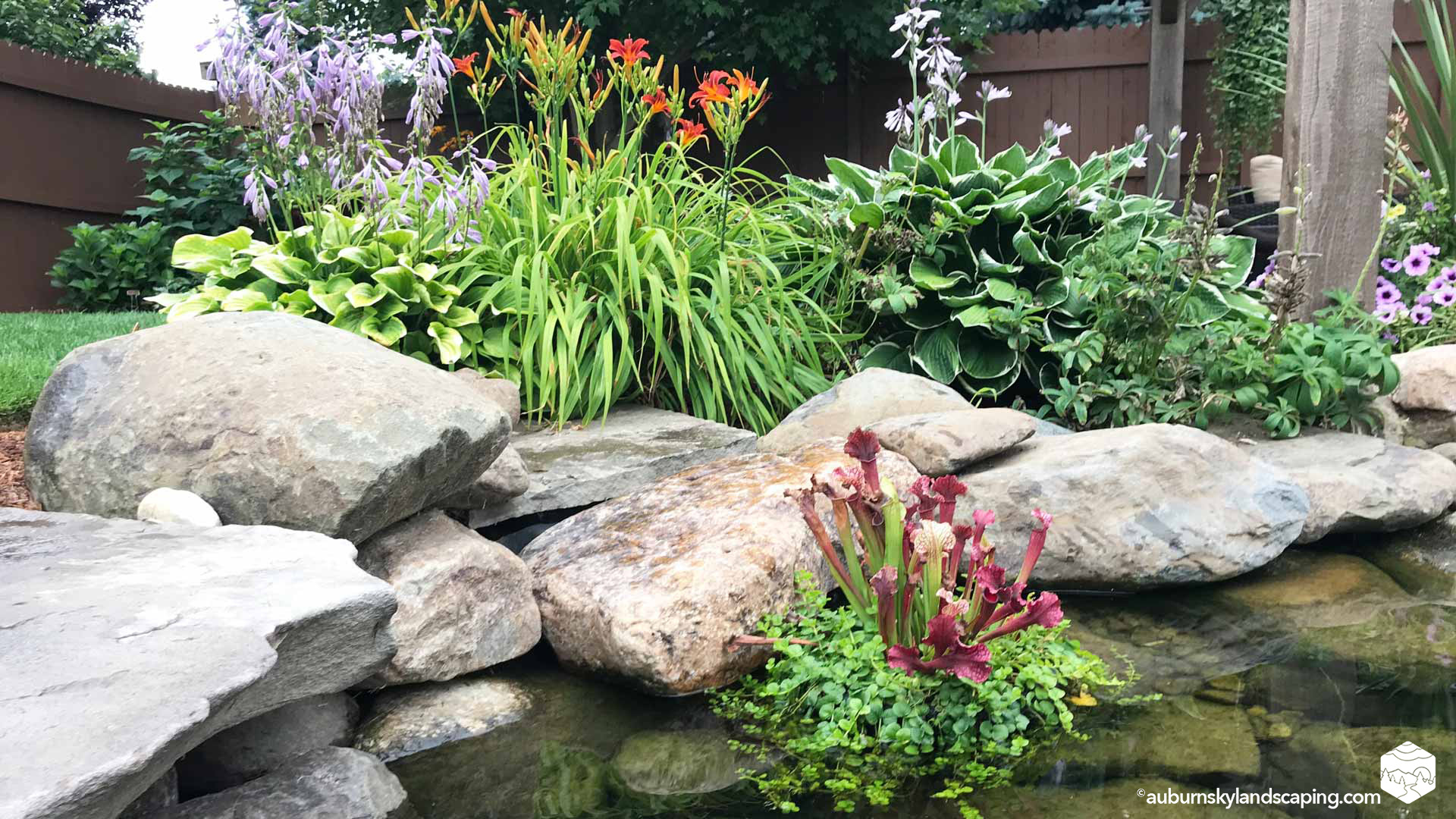
In 2026, the best designs don’t let one dominate the other. They dance together. You might use a rough-hewn stone wall (hardscape) to contrast with the delicate, feathery fronds of a fern (softscape). Or you might use a smooth concrete path to lead the eye toward a burst of vibrant wildflowers. It’s about balance. If you have too much hardscape, your yard feels like a plaza. Too much softscape, and it can feel unkempt or overwhelming. The goal is harmony. A place where the built environment and the natural world hold hands.
Emotional Resonance and Sensory Depth
Why do we really garden? Is it just to increase property value? Maybe partly. But mostly, it’s because being around plants makes us feel better. There’s science behind it, sure—something about phytoncides reducing stress hormones—but there’s also just the simple human truth. We crave connection to nature. Softscape is the vehicle for that connection.
Think about the senses. Hardscape is mostly visual and tactile (cold stone, warm wood). But softscape engages everything. It’s the sound of leaves rustling in the wind. The smell of jasmine at dusk. The taste of a strawberry picked right off the vine. The sight of colors changing from the bright greens of spring to the fiery reds of autumn. This sensory depth is what turns a "yard" into a "sanctuary."
In our fast-paced digital lives, this matters more than ever. We spend so much time staring at screens. Our gardens are becoming our primary escape. A well-designed softscape offers a mental reset. It slows you down. You can’t rush through a garden filled with fragrant herbs and winding paths. You have to meander. You have to notice. That slowness is a luxury in 2026. And it’s the softscape that delivers it. A garden without these living elements is like a room without furniture. Empty. Cold. Devoid of personality.
Climate Resilience and Ecological Function
Here’s the thing about 2026: the weather is unpredictable. We’re dealing with hotter summers, heavier rains, and longer droughts in many places. Your garden needs to be tough. It needs to be resilient. And guess what? Softscape is your best defense.
Plants manage water. Deep-rooted native perennials soak up heavy rainfall, reducing runoff and preventing erosion. Trees provide shade, cooling your home and your outdoor living areas, which lowers energy bills. Groundcovers protect the soil from washing away during storms. This isn’t just gardening; it’s infrastructure. Green infrastructure.
But it’s not just about water and heat. It’s about life. Biodiversity is huge right now. By choosing a diverse mix of plants—especially natives—you’re supporting local ecosystems. You’re providing food and shelter for birds, butterflies, and beneficial insects. A monoculture lawn is a desert for wildlife. A layered softscape with trees, shrubs, and flowers is a bustling city. It’s alive. And when your garden supports life, it feels more vibrant to you, too. You see more birds. You hear more bees. It’s a richer experience.
Practical Strategies for 2026 Design
So, how do you actually do this? Where do you start? First, look at your site. Really look at it. Where is the sun? Where is the shade? Where does the water pool? Don’t fight these conditions. Work with them. If you have a shady corner, don’t try to force roses to grow there. Embrace the shade with hostas, ferns, and astilbe. Let the site tell you what it wants.
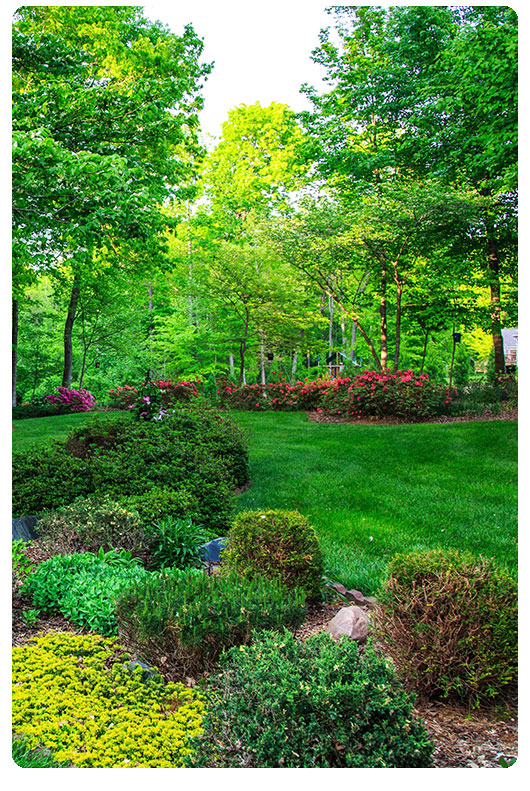
Second, think in layers. Don’t just plant at eye level. Think about the canopy (trees), the understory (shrubs), the mid-layer (perennials), and the ground layer (groundcovers). This creates depth and interest. It also mimics how nature grows, which means it’s usually more stable and easier to maintain. A layered garden feels lush and complete, even if it’s small.
Third, choose plants for performance, not just looks. Yes, you want beauty. But you also want plants that thrive in your zone with minimal input. Look for drought-tolerant species. Look for disease-resistant varieties. In 2026, low-maintenance doesn’t mean boring. It means smart. Ornamental grasses, for example, are incredibly popular because they offer texture, movement, and year-round interest with very little care. They’re the workhorses of modern softscape.
The Evolution of Your Living Space
One of the most beautiful things about softscape is that it changes. Hardscape stays the same. A stone wall today will look largely the same in ten years (maybe a bit mossier). But a garden evolves. It grows. It matures. The sapling you plant today will be a towering presence in a decade. The perennial patch will spread and fill in.
This evolution creates a relationship between you and your garden. You watch it change. You learn its rhythms. You prune it, you water it, and it responds. It’s a dialogue. In 2026, people are valuing this long-term connection. They’re not looking for instant gratification. They’re looking for a space that grows with them. A space that has history.
And let’s not forget the personal touch. Softscape allows for endless customization. You can create a cottage garden feel with loose, flowing plantings. Or a modern, architectural look with sculptural succulents. Your plant choices reflect your personality. They tell your story. A garden filled with heirloom tomatoes and herbs says something different than a garden filled with exotic orchids. Both are valid. Both are beautiful. But both are deeply personal. That’s the power of the living heart.
At the end of the day, softscape is what makes a garden feel like home. It’s the difference between a house and a home, translated to the outdoors. It brings warmth. It brings texture. It brings energy. Without it, your outdoor space is just a collection of materials. With it, it’s a living, breathing masterpiece.
As we move further into 2026, the trend is clear. We’re moving away from static, high-maintenance, sterile landscapes. We’re moving toward gardens that are alive, resilient, and deeply connected to the natural world. We’re recognizing that plants aren’t just objects to be arranged. They’re partners. They’re teachers. They’re healers.
So, when you’re planning your next outdoor project, don’t just focus on the patio size or the fence material. Spend time on the softscape. Choose plants that sing to you. Create layers that invite exploration. Build a garden that breathes. Because in the end, it’s the living heart that keeps the whole body beating. And isn’t that what we’re all looking for? A place that feels alive. A place that feels real.