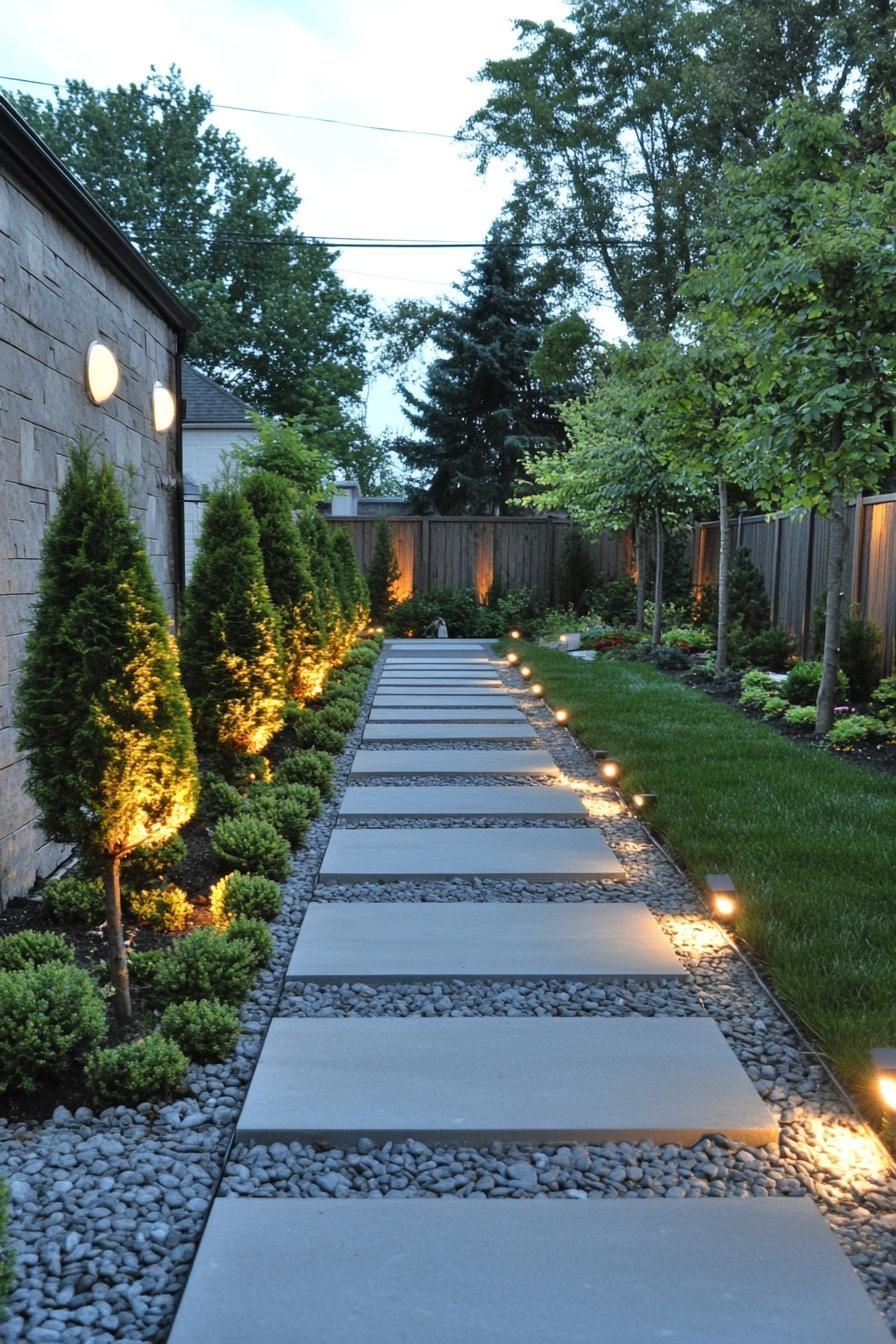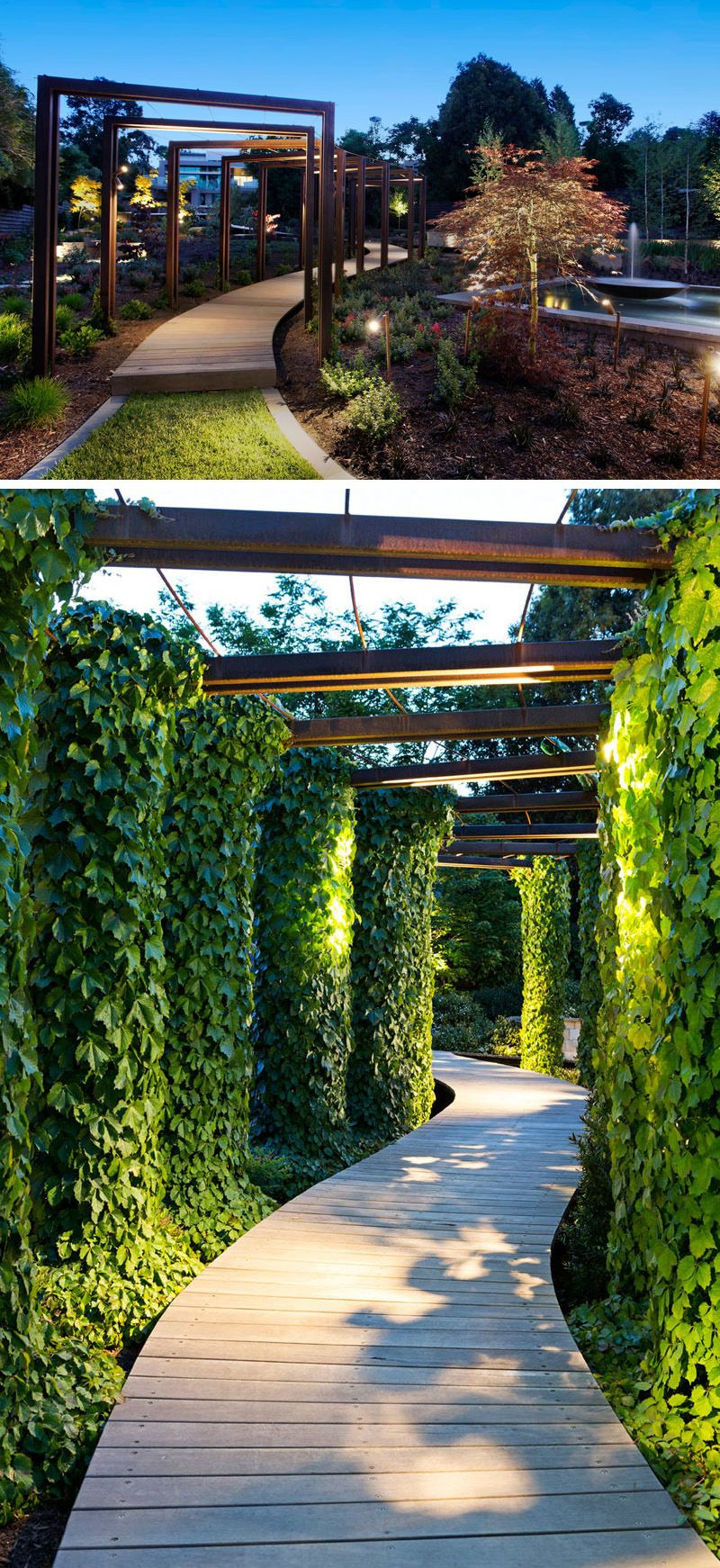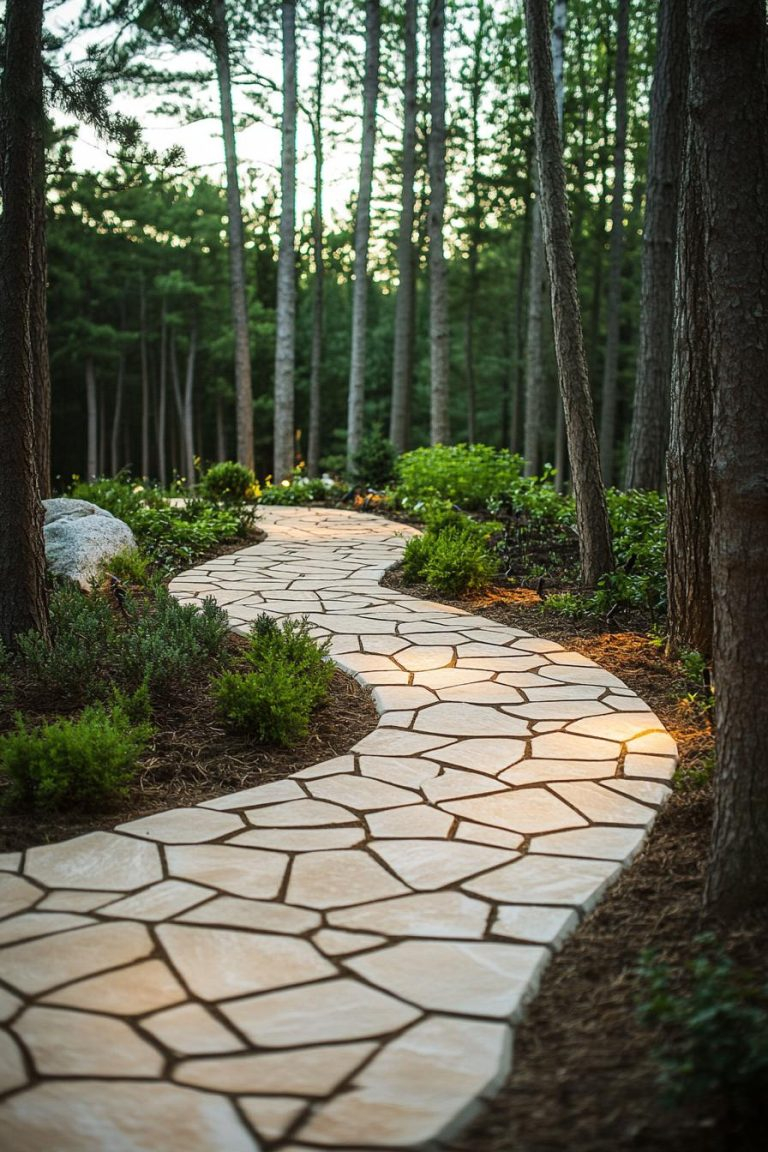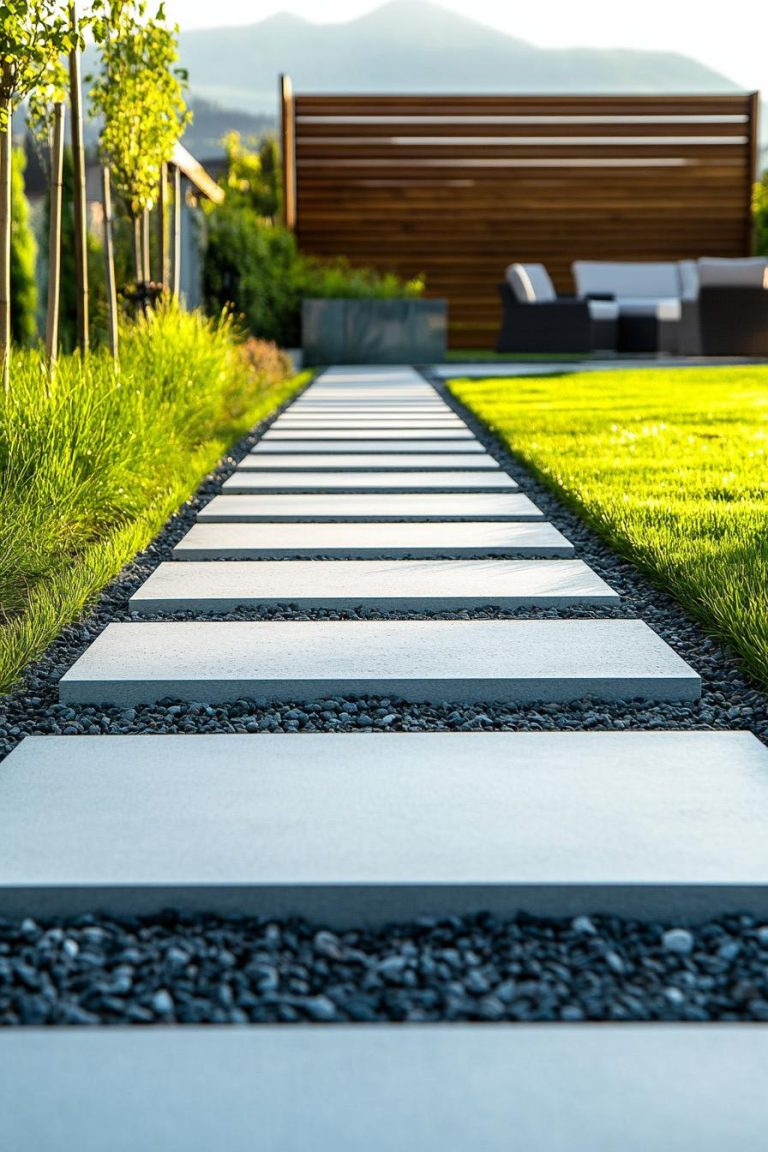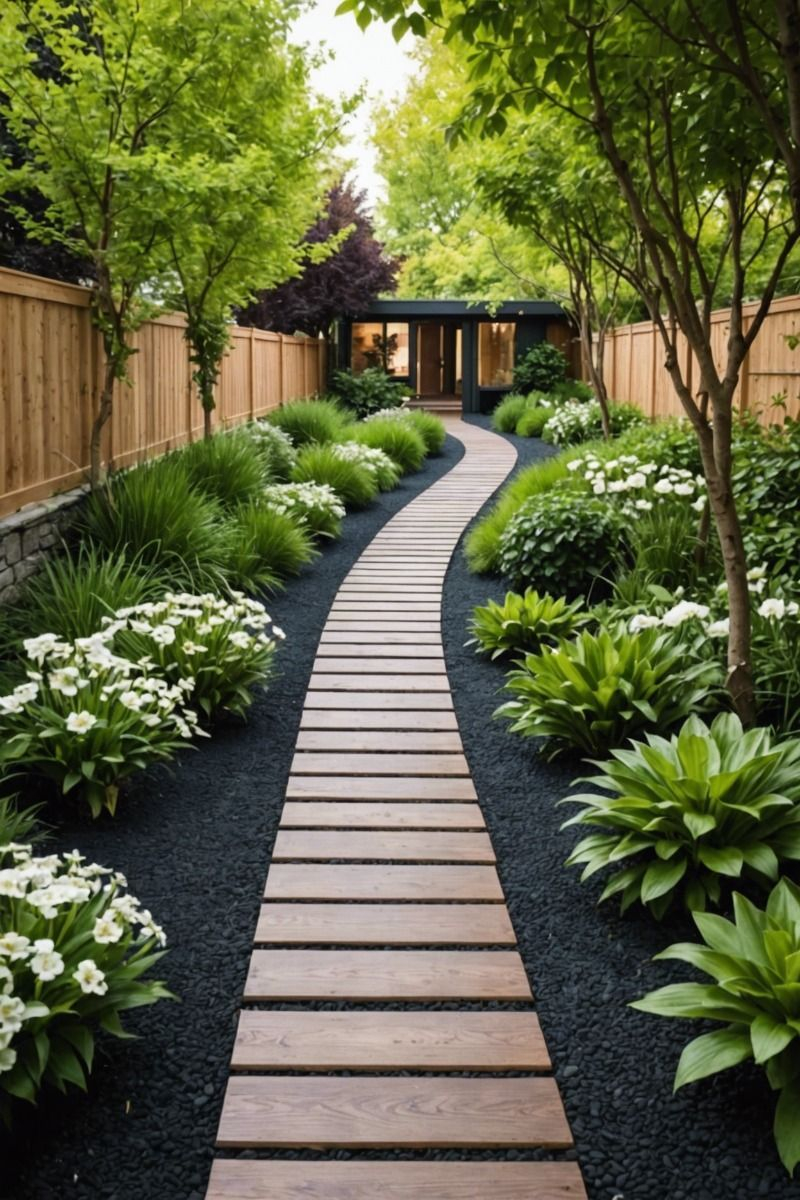

Ever walked up to a house and just felt… welcome? It’s not always about the size of the porch or the price tag on the front door. Often, it’s the path that gets you there. A winding trail of stones, a neat line of mulch, or even just some well-placed lights can change the whole vibe of a place. It says, "Hey, come on in." But let’s be real. Landscaping quotes these days are enough to make anyone sweat. In 2026, with material costs still bouncing around, spending thousands on a simple walkway feels wrong. Maybe even impossible.
So, what’s the secret? It’s not about buying the cheapest stuff. It’s about being smart. It’s about using what you have, choosing materials that work hard, and adding those little touches that cost almost nothing but mean everything. You don’t need a crew. You don’t need a loan. You just need a weekend, a bit of sweat equity, and the right plan. Let’s dig into how you can create a front path that looks like a million bucks, for a fraction of the cost.
Rethinking Materials: Cheap Doesn’t Mean Ugly
When we think of pathways, our minds often jump to expensive pavers or custom-cut flagstone. But the truth is, some of the most charming paths use the simplest materials. Gravel, crushed limestone, and mulch are incredibly affordable options that have made a huge comeback in recent years. According to recent trends from sources like Stella’s Home, these materials offer the best bang for your buck. They’re easy to install, too. You don’t need heavy machinery. Just a shovel, a wheelbarrow, and some elbow grease.
Gravel has a rustic, natural feel that softens the look of any home. It drains well, which is a huge plus if you live in a rainy area. Crushed limestone packs down nicely, creating a stable surface that feels solid underfoot. And mulch? It’s not just for flower beds. A wide path of dark hardwood mulch looks sophisticated and smells amazing after a rain. The key here is containment. Without proper edging, these loose materials will wander into your lawn. But edging doesn’t have to be pricey. We’ll get to that in a minute. For now, just know that skipping the concrete slab can save you hundreds, if not thousands.
Another option gaining traction is reclaimed brick or broken concrete chunks, often called "urbanite." If you live in an older neighborhood, keep an eye out for renovation projects. People often give away old bricks or concrete for free just to get rid of them. These materials have character. They’re irregular, which adds visual interest. Laying them out takes a bit more time than pouring gravel, but the result is unique. No two paths are alike. Plus, you’re recycling. That’s a win for your wallet and the planet.
The Magic of Edging and Definition
Here’s where many DIYers go wrong. They lay down the gravel or mulch and call it a day. Then, three weeks later, the path looks messy. Grass is creeping in. Stones are scattering. It looks unkempt, not intentional. The secret to a polished look isn’t the path material itself; it’s the edge. Edging defines the space. It tells the eye, "This is the path. This is the garden." It creates contrast. And contrast is what makes things look expensive.
You don’t need steel edging or pricey plastic strips. Try using old landscape timbers. Or, even better, use plants as your edge. Low-growing ground covers like creeping thyme or mondo grass can act as a living border. They soften the hardscape and add greenery. If you prefer a harder line, consider using leftover rocks or stones. Line them up along the side of your path. It’s free if you’ve got rocks in your yard. If not, bagged river rocks are relatively cheap. This technique creates a natural, cottage-style look that feels welcoming and warm.
For a more modern vibe, metal edging can be surprisingly affordable if you buy it in rolls and cut it yourself. But honestly, simple wooden stakes laid flat can work wonders for a rustic look. The point is to create a clear boundary. When the eye sees a clean line, the brain registers "order" and "care." Even if the path is just dirt and gravel, a crisp edge makes it look designed. It’s a small detail, but it’s the difference between a muddy track and a garden feature. Don’t skimp on this step. It’s the frame for your picture.
Lighting: The Low-Cost High-Impact Trick
Let’s talk about night. Your path might look great at noon, but what about when you’re coming home from work in the dark? Lighting changes everything. It adds drama. Safety. And a whole lot of charm. The good news? You don’t need to hire an electrician. Solar-powered path lights have come a long way since the early 2000s. In 2026, they’re brighter, last longer, and look much sleeker. You can pick up a pack of six for under fifty dollars. That’s a small price to pay for instant ambiance.
Placement matters. Don’t just stick them in a straight soldier line. That looks like a runway. Instead, stagger them. Put one on the left, then a few feet down on the right. Mix up the heights if you can. Some low, some slightly taller. This creates a rhythm. It guides the eye naturally toward the door. Also, consider the color temperature. Warm white light (around 2700K) feels inviting. Cool white light feels clinical. Stick to warm. It makes your home feel cozy before you even unlock the door.
If solar isn’t an option due to shade, try low-voltage LED string lights hung low along a fence or shrubbery bordering the path. Or, use inexpensive spotlights aimed at a nice tree or feature near the entrance. The goal isn’t to flood the area with light. It’s to create pools of light. Shadows are important too. They add depth. A well-lit path says, "I was expecting you." It’s a subtle psychological cue that makes guests feel valued. And again, it’s cheap. Most of these setups can be done in an afternoon with basic tools.
Planting for Personality and Privacy
A path through a bare lawn is functional. A path through a garden is an experience. Plants are the easiest way to add personality without spending a fortune. But don’t just plant random flowers. Think about structure. Use tall, narrow plants like ornamental grasses or boxwoods to frame the entrance. They draw the eye upward and create a sense of arrival. Then, fill in the gaps with perennials. Perennials come back every year. That means you buy them once, and they keep giving. It’s the ultimate budget hack.
Native plants are your best friend here. They’re adapted to your local climate, so they need less water and care. In many places, native nurseries offer sales or even free plant swaps. Check local community groups in 2026; there’s a huge movement toward sharing native species. Plants like coneflowers, black-eyed susans, or ferns (depending on your zone) are tough, cheap, and beautiful. They also support local pollinators, which is a nice bonus. A path lined with buzzing bees and fluttering butterflies feels alive. It feels welcoming in a primal way.
Don’t forget about scent. Lavender, jasmine, or sweet alyssum planted along the path release fragrance as you brush past them. This engages another sense. It makes the walk to the door a multi-sensory journey. Imagine walking up to your own home and smelling lavender. It lowers stress. It signals "home." You can start small. Just a few pots or a small bed near the door. As your budget allows, expand. But even a couple of well-placed plants can break up the monotony of hardscape and add softness. Softness equals welcome.
DIY Decor and Personal Touches
Sometimes, the best things aren’t bought. They’re made. Or found. Repurposing items adds a layer of story to your home. Do you have an old ladder? Lean it against the wall near the path and hang some potted plants from the rungs. Got some extra terracotta pots? Stack them to create a quirky sculpture. These little accents cost nothing if you already have them. If not, thrift stores and garage sales are goldmines. An old chair, a rusty wheel, a vintage sign. These items add character that new, mass-produced decor just can’t match.
In 2026, sustainability is huge. Using reclaimed wood for steps or benches is not only eco-friendly but also stylish. Weathered wood looks intentional. It looks like it belongs. You can sand it down and seal it, or leave it raw for a rustic look. Another idea: paint. A coat of bright paint on an old door used as a backdrop, or on a simple bench, can add a pop of color. Color draws the eye. It creates a focal point. If your path is neutral (gravel, stone), a splash of red or blue nearby creates contrast and excitement.
Keep it simple, though. Clutter is not welcoming. One or two statement pieces are enough. Maybe a wind chime that tinkles softly in the breeze. Or a small bird bath. These elements invite pause. They encourage visitors to slow down and look around. That’s the goal. You want people to linger, even for a second. It makes the arrival feel special. And remember, you can change these items with the seasons. Pumpkins in fall. Evergreen boughs in winter. Fresh flowers in spring. It keeps the look fresh without requiring a full remodel.
Maintenance: Keeping It Welcoming Year-Round
A welcoming path isn’t a one-and-done project. It needs love. But maintenance doesn’t have to be a chore. In fact, a little regular attention keeps costs down in the long run. If you have gravel, rake it occasionally to keep it level. Pull weeds as soon as you see them. It’s easier to pull a tiny weed than a huge one. If you have mulch, top it off once a year. It stays fresh and dark. These small tasks take minutes, not hours. They prevent big problems later.
Seasonal cleanup is key. In autumn, keep leaves off the path. Wet leaves are slippery and can stain stone or wood. In winter, clear snow and ice promptly. Safety is part of being welcoming. No one wants to slip on their way to say hello. Use salt sparingly, or better yet, use sand or kitty litter for traction. It’s cheaper and less damaging to plants. In spring, give everything a good wash. A hose-down can remove winter grime and make colors pop again.
Think of maintenance as a ritual. A chance to connect with your space. Notice what’s working. What’s not. Maybe a plant died. Replace it with something tougher. Maybe a light stopped working. Swap it out. This ongoing care ensures your path stays inviting. It shows that you care about your home and your guests. That intention shines through. And honestly, a well-kept path, no matter how simple, always looks better than a neglected expensive one. It’s about pride, not price.
Creating a welcoming front path isn’t about perfection. It’s about intention. It’s about saying, "This space matters. You matter." By choosing affordable materials like gravel or mulch, defining edges clearly, adding warm lighting, planting native greens, and sprinkling in personal DIY touches, you can transform your entrance. You don’t need a massive budget. You just need a bit of creativity and willingness to get your hands dirty. The trends in 2026 favor authenticity and sustainability over flashiness. This works in your favor.
Remember, the path is the first handshake your home offers. Make it firm. Make it warm. Make it yours. Whether you’re working with a tiny budget or just want to be smart with your money, these steps will help. Start small. Pick one section. Maybe just the lighting. Or just the edging. Build from there. Over time, you’ll create a space that feels uniquely you. And that’s the true secret. It’s not about what you spend. It’s about how you make people feel. So grab that shovel. Your welcoming path is waiting.