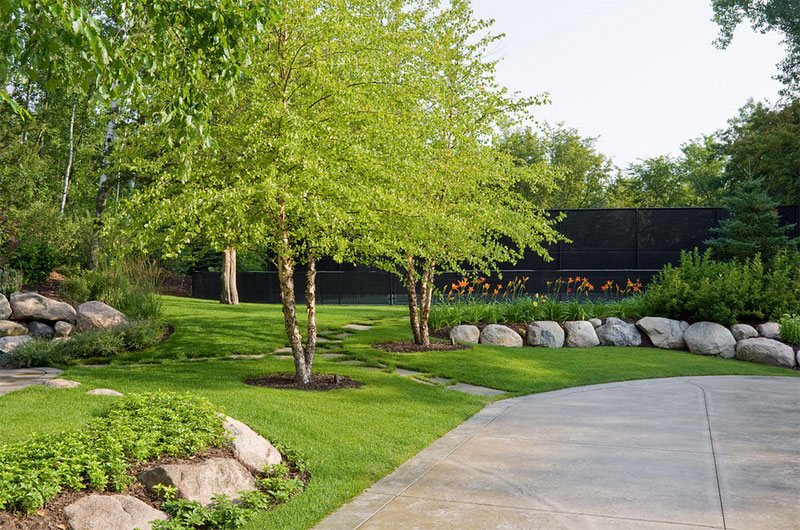

Ever pull up to your house and feel like something’s just… missing? You mow the lawn. You trim the hedges. Maybe you even bought those nice mulch bags last weekend. But it still looks a bit flat. Like a stage set waiting for its main actors. That’s because grass is just the floor. It doesn’t have personality. It doesn’t have height. And it definitely doesn’t have soul.
Trees change everything. They are the architecture of nature. But here’s the thing most people get wrong: they think they need massive, ancient oaks to make a statement. They don’t. In fact, big trees can often hide your home’s best features or take decades to look "right." The secret to instant gratification in landscaping isn’t size. It’s strategy. It’s about picking the right small tree and putting it in the exact spot that makes your brain go, "Ah, yes. This is a home."
We’re talking about tricks that work today. Not in ten years. Right now. Whether you’re trying to sell in this crazy 2026 market or just want to feel proud when you walk up your driveway, these moves are simple. They’re affordable. And honestly? They’re kind of fun. Let’s dig in.
The Power of Vertical Layers
Most front yards suffer from what designers call "the pancake effect." Everything is on one level. The grass is flat. The flower beds are low. The house sits there. It’s two-dimensional. Adding a tree introduces a vertical layer that draws the eye upward. This creates depth. It makes your property look bigger and more established than it actually is.
Think about it. When you see a house with a nice Japanese Maple or a slender Birch, your eye travels from the ground, up the trunk, through the branches, and then rests on the roofline or the sky. It’s a journey. Without that vertical element, your eye just slides off the front of the house. It’s boring. By adding height, you’re framing your home. You’re giving it context.
You don’t need a crane to do this. Small ornamental trees are perfect because they fit into tight spaces without overwhelming the facade. They add structure without blocking your windows. In 2026, homeowners are moving away from dense, heavy shrubbery near the foundation. The trend is airiness. Light. Seeing the architecture. A single, well-placed tree does more for this aesthetic than twenty bushes ever could. It’s about quality over quantity. Always.
Choosing the Right "Instant Impact" Tree
Not all trees are created equal when it comes to quick curb appeal. You want species that look good young. Some trees, like Oaks or Maples, take forever to develop a nice shape. Others come out of the nursery looking like finished sculptures. For instant results, look for trees with interesting bark, unique branching patterns, or immediate seasonal color.
Consider the Dogwood. It’s a classic for a reason. Even a young Dogwood has beautiful horizontal layers to its branches. In spring, you get flowers. In fall, you get red leaves. In winter, the silhouette is striking against the snow or gray sky. It’s a four-season performer. Another great option is the Crepe Myrtle. If you live in a warmer zone, these guys bloom in summer when everything else is tired and green. They have smooth, peeling bark that looks expensive and intentional.
Don’t overlook the Redbud either. It’s small, often multi-trunked, and bursts with pink-purple flowers in early spring before the leaves even show up. It signals "life" immediately. The key is to buy the biggest tree your budget allows, but don’t go so big that it shocks the system. A 2-inch caliper tree (that’s the trunk thickness) is usually the sweet spot. It’s established enough to look mature but small enough to transplant easily without needing a professional crew with a giant spade.
The Rule of Odd Numbers and Placement
Here’s a design secret that interior designers use, and it works outside too: odd numbers are more pleasing to the human eye. One tree is a statement. Three trees are a composition. Two trees can look like a mistake or a symmetrical accident. If you have the space, planting three small trees in a staggered line creates a natural rhythm. It guides the viewer’s eye toward your front door.
Placement is critical. Don’t just stick the tree in the middle of the lawn unless you have a huge estate. For most suburban homes, you want to frame the entrance. Imagine your house is a picture. The trees are the frame. Place them slightly off-center from the corners of your house. This softens the hard lines of the architecture. It makes the building feel like it’s growing out of the landscape, rather than sitting on top of it.
Also, think about the view from the street. Stand on the sidewalk. Look at your house. Where are the blank spots? Is there a big expanse of wall next to the garage? A tree there breaks up the monotony. Is the porch feeling exposed? A small tree nearby can create a sense of enclosure and privacy without building a fence. It’s about balancing the visual weight. If your house is heavy on the left side (maybe a big garage), put a taller or fuller tree on the right to balance it out. Symmetry is formal. Asymmetry is relaxed and welcoming.
Underplanting for a Finished Look
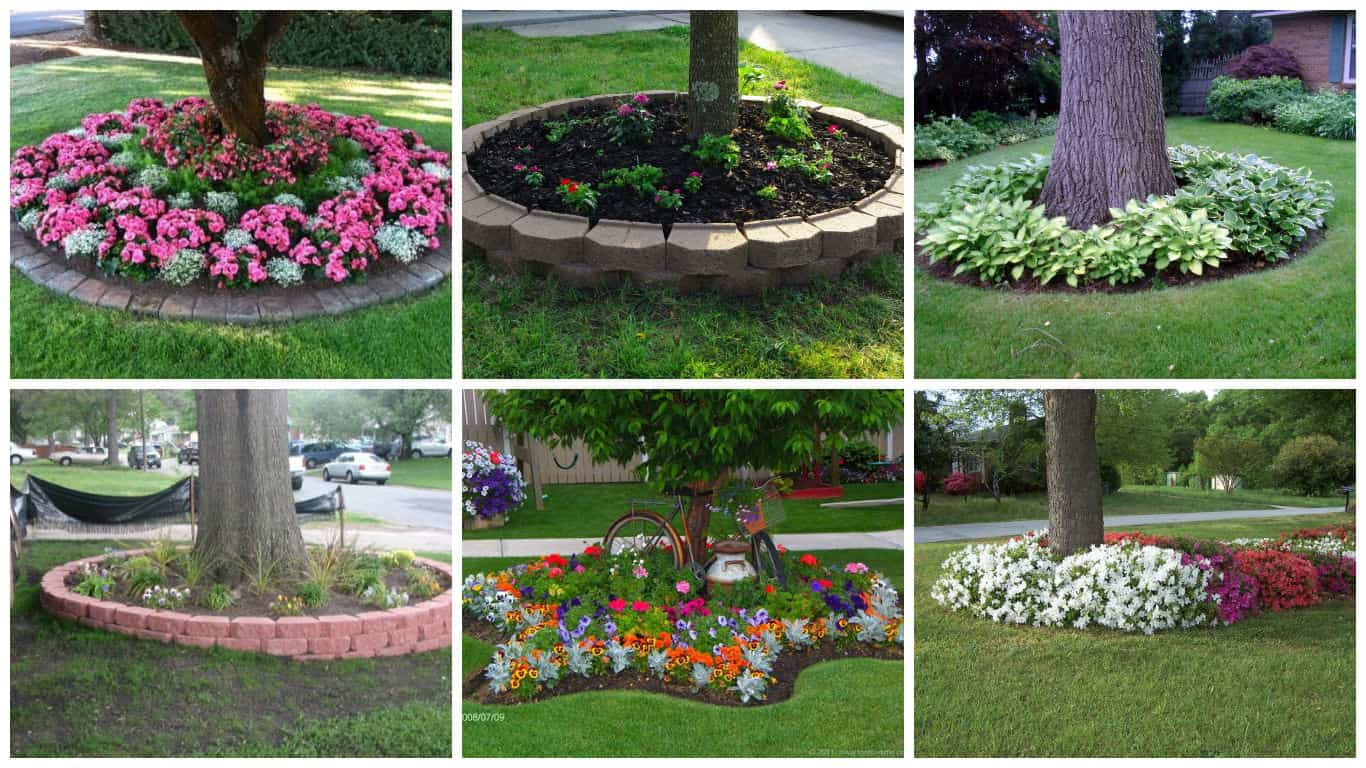
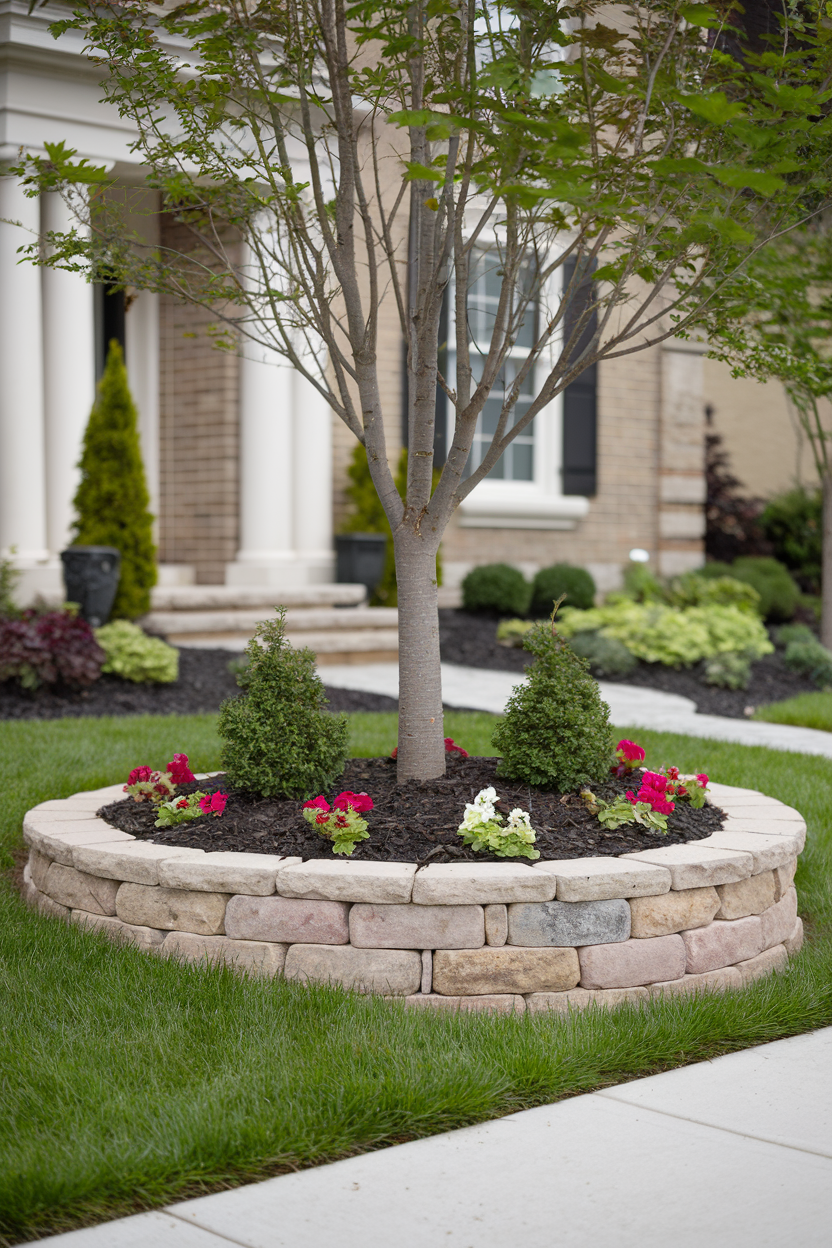
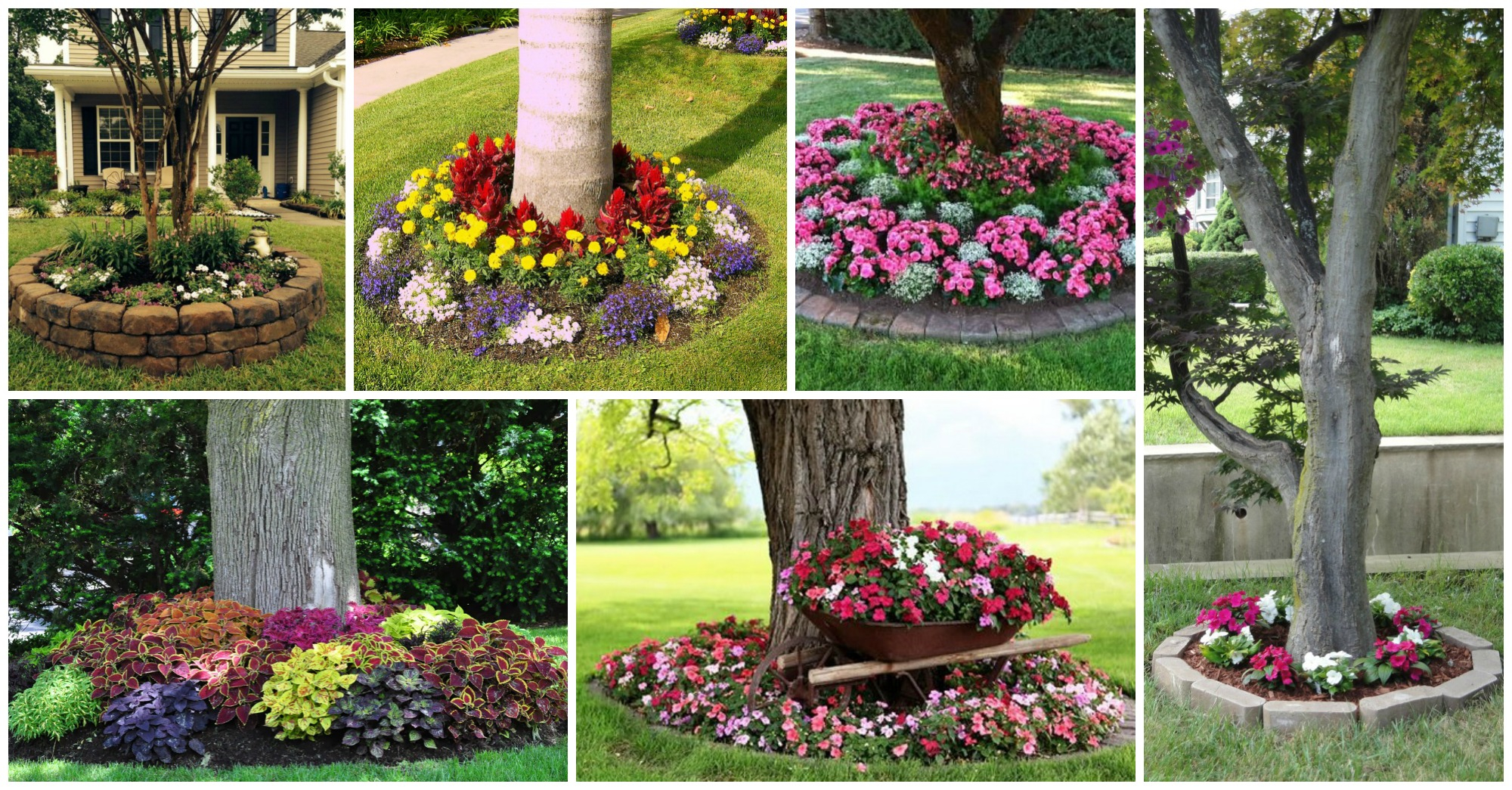
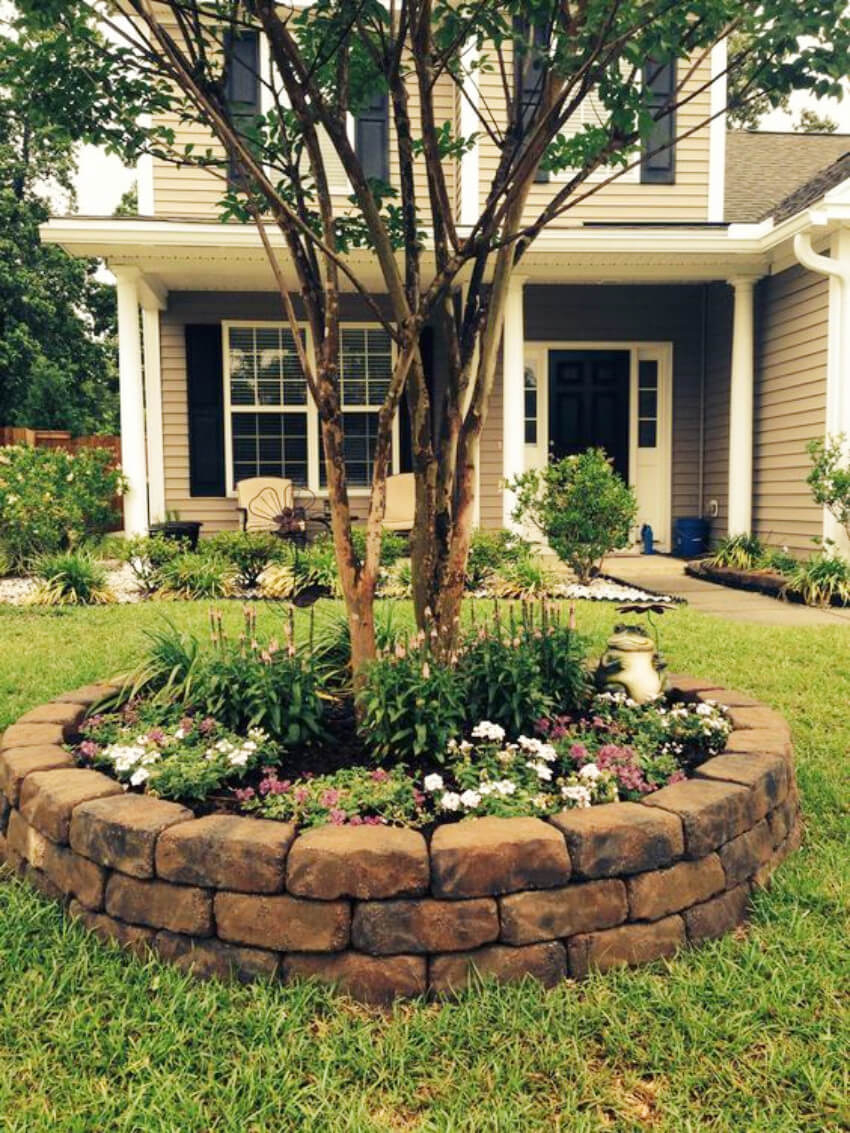
One of the biggest mistakes people make with new trees is leaving the base bare. You plant the tree, throw down some mulch, and walk away. It looks lonely. It looks like a construction site. To get that "instant" polished look, you need to underplant. This means adding smaller plants around the base of the tree. It connects the tree to the ground.
Think of the tree as the anchor and the underplanting as the jewelry. Hostas are great for shady spots. They have big, lush leaves that contrast nicely with the delicate branches of a small tree. For sunny areas, try ornamental grasses or low-growing perennials like Lavender or Catmint. These plants fill in the gaps. They hide the trunk base, which can sometimes look awkward on young trees.
This layering technique also helps with moisture retention. The shade from the tree canopy and the ground cover keeps the soil cool. Less water evaporation. Healthier roots. But aesthetically, it’s the difference between a "planted tree" and a "landscape." It shows intention. It shows care. When drive-bys see a tree surrounded by thriving, colorful plants, they subconsciously register the whole property as well-maintained. It boosts that curb appeal factor significantly. And it’s cheap. You can divide perennials from friends or buy small plugs. It adds up fast visually without costing a fortune.
Lighting: The Nighttime Curb Appeal Boost
Curb appeal isn’t just for daylight hours. In 2026, energy-efficient LED lighting is easier to install than ever. If you’ve put in the effort to plant beautiful trees, why hide them when the sun goes down? Uplighting is the trick here. You place a small light fixture at the base of the tree, pointing up. It casts dramatic shadows and highlights the texture of the bark and the shape of the branches.
This creates a completely different mood. During the day, your house might look cheerful. At night, with uplit trees, it looks elegant. Sophisticated. It draws attention to the best features of your yard while keeping the rest in shadow. It’s like spotlighting a star on stage. You don’t need a complex wiring job. Solar-powered uplights have gotten much better in recent years. They’re not as bright as hardwired ones, but for accent lighting, they’re often plenty.
Place the lights carefully. Don’t shine them directly into neighbors’ windows or into the eyes of people walking up your path. Aim for the trunk or the main canopy. If you have a tree with interesting bark, like a Birch or Crepe Myrtle, grazing the light up the trunk emphasizes that texture. If you have a flowering tree, lighting the canopy makes the blossoms glow. It’s a small detail, but it makes your home stand out in the neighborhood at night. It says, "We’re home. And we care."
People avoid trees because they think they’re high maintenance. Leaves to rake. Branches to prune. Disease to worry about. But small ornamental trees are actually quite low fuss if you pick the right ones. The key is matching the tree to your specific environment. Don’t fight your zone. If you’re in a dry area, don’t plant a thirsty Willow. Pick a drought-tolerant Olive or Juniper. If you’re in a wet climate, go for a Dogwood or Alder.
Mulching is your best friend. A fresh layer of mulch around the base of your tree (but not touching the trunk!) instantly makes the area look tidy. It suppresses weeds. It retains moisture. It’s the quickest fix for a messy look. Just keep it 2-3 inches deep. Too much mulch can rot the roots. Too little looks skimpy. Goldilocks rule applies here.
Pruning is another scary word for beginners. But for small trees, you mostly just need to remove dead or crossing branches. Do this in late winter or early spring before the leaves come out. It opens up the canopy. Lets light in. Makes the tree look healthier. You don’t need to be a surgeon. Just use clean shears and cut at an angle. Step back often. Look at the shape. Does it look balanced? If yes, stop. Over-pruning is worse than no pruning. Keep it natural. Let the tree be a tree.
So, there you have it. It’s not about spending thousands. It’s about thinking vertically. Choosing the right specimen. Placing it with purpose. Filling in the blanks. And letting it shine at night. These steps are simple. They’re doable this weekend. And the payoff? You’ll love coming home. Your neighbors will notice. And if you ever decide to sell, that first impression will be worth every penny. Go ahead. Dig that hole. Your front yard is waiting for its star.