
The moment a prospective buyer turns onto your street, a silent psychological calculation begins. Before their hand ever touches the front door handle, before they step inside to inspect the kitchen countertops or test the primary bedroom’s water pressure, their brain has already formed an impression. They are reacting to the green sweep of the lawn, the clean geometry of the stone walkway, and the framing presence of mature shade trees. Real estate agents call this the curb appeal multiplier, and seasoned housing market data confirms it is far from a superficial gimmick.
For years, homeowners poured every remodeling dollar into granite islands and spa bathrooms, ignoring the dirt, grass, and concrete just beyond the threshold. Yet market shifts and extensive real estate surveys highlight a starkly different economic reality. While interior kitchen overhauls often yield a sluggish or mediocre return on investment due to soaring labor and material costs, well-executed outdoor improvements routinely deliver staggering financial dividends. Industry figures from leading real estate analysts and appraisal boards reveal that quality landscape architectural investments can elevate a property’s overall appraisal value by anywhere from 10% to 30%.
Understanding how living vegetation and hardscape architecture translate into cold, hard equity requires looking past mere aesthetics. It requires treating the dirt surrounding your foundation as an extension of your primary living footprint. When you invest in your property’s exterior, you are purchasing buyer emotional resonance, thermal efficiency, structural soil stabilization, and immediate market differentiation. Let us examine the exact mechanics behind how smart landscaping upgrades can boost your home value by up to thirty percent, and how you can apply these principles to your own piece of real estate.
The Psychology of Curb Appeal and the Real Estate Market
First impressions dictate momentum in high-stakes residential transactions. When a listing photographer uploads exterior shots of a home featuring lackluster turf, overgrown shrubbery, and cracked concrete, the digital foot traffic drops exponentially. Modern buyers scrolling through listings on mobile devices make split-second decisions based on visual health and architectural harmony. A verdant, professionally framed exterior signals that the property has been fiercely cared for from the roof shingles down to the root zones.
Real estate agents frequently note that homes with superior exterior presentation spend significantly fewer days on the market. In competitive housing sectors, this velocity can mean avoiding costly mortgage carryover or securing multiple competing offers. The psychological trigger is rooted in perceived deferred maintenance. If a buyer notices dead patches on the lawn or invasive vines choking the gutters, their mind instantly races to hidden interior nightmares—faulty plumbing, neglected roofs, or outdated wiring. Conversely, pristine landscaping acts as a trust anchor, assuring the buyer that the invisible components of the house are equally pristine.
Furthermore, academic studies from institutions like Virginia Tech have consistently demonstrated that mature trees and sophisticated garden layouts boost perceived property values by anywhere from 5.5% to over 11% purely through visual framing and shade benefits. When combined with functional hardscaping, structural lighting, and low-maintenance native planting beds, that percentage climbs toward the upper tier of the 30% valuation threshold. The exterior acts as a visual promise of the lifestyle waiting inside, making buyers willing to pay a premium for immediate emotional gratification.
Distinguishing Between High-ROI Outdoor Investments and Money Pits
Not every shovel full of dirt yields a financial profit. Homeowners frequently make the mistake of sinking thousands of dollars into hyper-personalized, ultra-expensive outdoor projects that fail to resonate with the broader buying public. Building an elaborate, custom koi pond with imported Japanese stonework might satisfy your personal hobby, but a future buyer with toddlers will see an immediate drowning hazard and a high-maintenance weekend chore. Strategic landscaping demands a disciplined adherence to features that offer universal appeal and functional utility.
High-ROI projects focus on structure, cleanliness, and spatial expansion. Professionally laid paver patios, functional retaining walls that correct sloping topography, and robust irrigation systems rank among the top tier of profitable exterior investments. According to valuation data compiled by national contractor networks, simple projects like installing a fresh layer of shredded hardwood mulch, edging garden beds, and overseeding patchy turf can return well over 100% of their initial cost at the closing table. These interventions require relatively modest capital outlays yet radically transform the perceived polish of the grounds.
On the other hand, luxury outliers like built-in commercial pizza ovens, extensive putting greens, or overly complex tropical water features in arid climates often result in negative returns. Buyers calculate the future time and financial capital required to maintain these novelties, factoring those burdens into lower initial offers. The secret to maximizing property equity lies in balancing architectural elegance with absolute operational simplicity, ensuring the next owner sees an asset rather than a second job.
Step-by-Step Methodology for Planning Your Landscape Transformation
Executing a value-boosting landscape overhaul requires a methodical, engineering-minded approach rather than a chaotic weekend trip to the local big-box nursery. Rushing out to buy random flowering perennials without a master plan usually results in visual clutter and wasted capital. A successful transformation follows a precise sequence that respects soil science, architectural flow, and regional microclimates.
- Step 1 (Comprehensive Site Analysis & Soil Testing): Before buying a single plant or paver, evaluate your soil composition, drainage patterns, and sunlight zones. Send core soil samples to your local agricultural extension office to test pH levels and nutrient deficiencies, ensuring your future plantings actually survive.
- Step 2 (Establish Structural Hardscaping First): Fix fundamental grading, drainage problems, and structural boundaries before touching softscaping. Install retaining walls, primary walkways, and patio foundations using durable materials like natural flagstone, interlocking concrete pavers, or poured aggregate concrete.
- Step 3 (Layered Softscaping and Plant Selection): Design your planting beds using a tiered strategy. Anchor corners with evergreen shrubs, layer mid-sized flowering perennials for seasonal color, and place low-ground cover or mulch at the front edge to create clean separation from the lawn.
- Step 4 (Integration of Smart Irrigation and Lighting): Install a programmable, zone-based drip irrigation system combined with low-voltage LED uplighting. Proper illumination highlights architectural trees and pathways while extending usable evening living space for prospective buyers touring after work.
- Step 5 (Final Turf Restoration and Mulching): Finish the project by aerating, overseeding, or laying fresh sod across the lawn, followed by a crisp two-inch blanket of dark hardwood mulch. This final polish creates the iconic crisp lines that stop buyers in their tracks.
Navigating Common Pitfalls and Practical Practitioner Workarounds
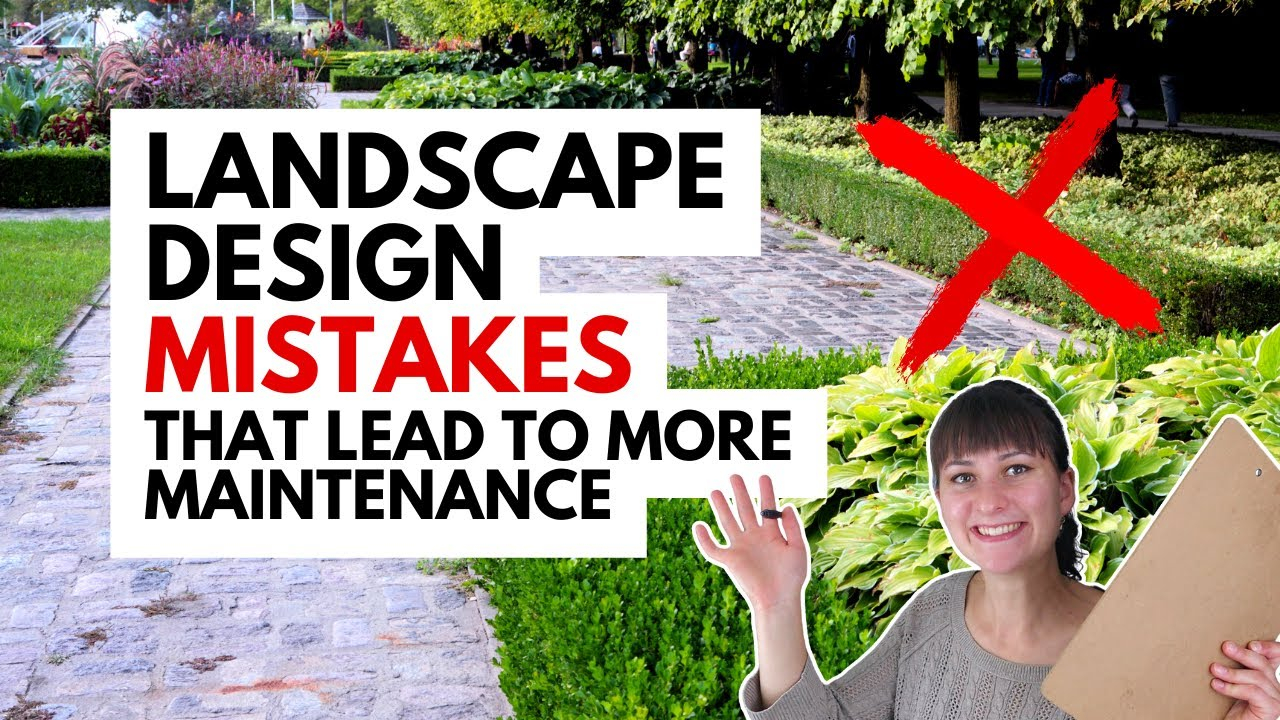
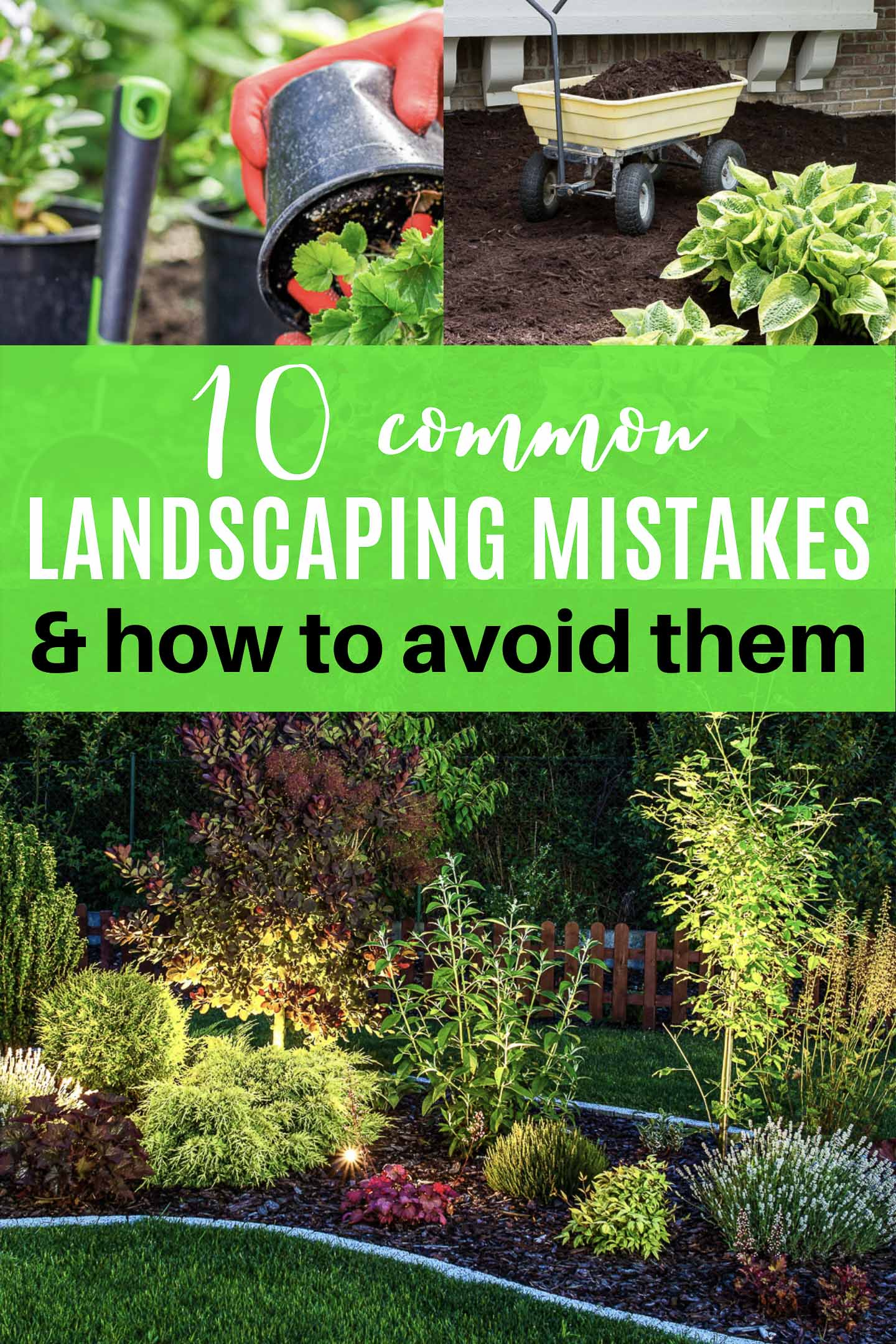
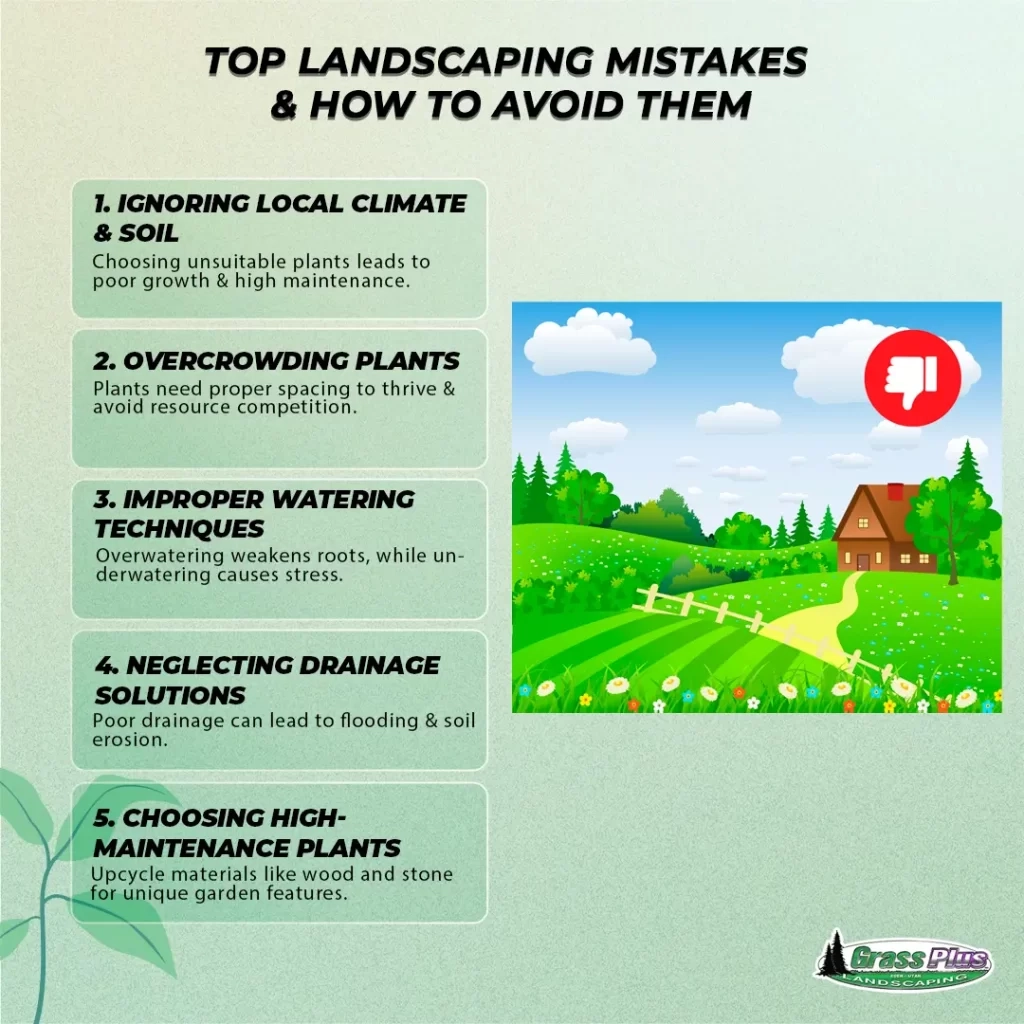
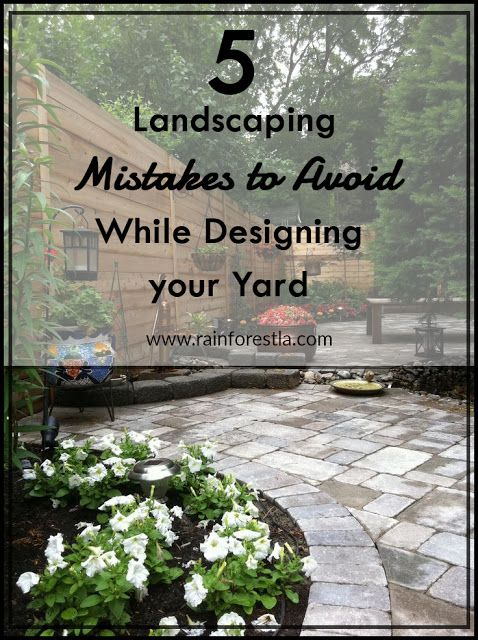
Even enthusiastic homeowners armed with the best intentions often stumble into classic landscaping traps that drain their wallets and harm their property values. Recognizing these hazards early separates amateur DIY blunders from professional-grade execution. From improper plant placement to drainage oversights, ignoring fundamental rules can turn a dream yard into an ongoing nightmare.
- Pitfall 1 (Planting Too Close to the Foundation): Homeowners often place large shrubs or trees directly against exterior walls for immediate fullness, risking severe structural damage as root systems expand and moisture gets trapped. Workaround: Maintain a minimum clearance of three to five feet between mature plant widths and your foundation, utilizing dwarf varieties or slender upright conifers for tight spaces.
- Pitfall 2 (Ignoring Sub-Surface Drainage): Building patios or flower beds without accounting for heavy rainfall leads to pooling water that can undermine your home’s concrete slab or basement walls. Workaround: Grade all hardscapes away from the house at a minimum slope of one-quarter inch per foot, and integrate French drains or catch basins at low points.
- Pitfall 3 (Over-Planting High-Maintenance Monocultures): Relying entirely on delicate, thirsty exotic plants that require constant fertilizer and pest control turns off buyers who value low upkeep. Workaround: Prioritize drought-tolerant, regional native species that thrive naturally in your climate zone once established.
- Pitfall 4 (Neglecting Scale and Proportion): Planting tiny saplings in front of a massive two-story colonial home leaves the property looking bare and unprotected for a decade. Workaround: Invest in a few specimen-sized anchor trees (at least two to three inches in trunk caliper) to establish immediate vertical scale and architectural presence.
- Pitfall 5 (Inconsistent Hardscape Materials): Mixing too many different stone styles, colors, and brick pavers creates visual chaos and cheapens the overall property aesthetic. Workaround: Stick to a cohesive material palette that matches or complements your home’s existing brick, stone, or siding color tones.
The Long-Term Economic and Environmental Dividend of Strategic Design
Beyond the immediate bump in appraisal value during a real estate transaction, smart landscaping delivers profound long-term compounding benefits. Modern landscape design is increasingly intertwined with energy efficiency and ecological resilience. Strategically placing deciduous shade trees on the southern and western exposures of your home can reduce summer air conditioning costs by up to 25%, as leafy canopies block intense solar radiation before it hits exterior walls. In the winter months, once those leaves drop, the low sun penetrates the bare branches to provide passive solar heating.
Water conservation represents another massive economic lever, particularly in rapidly growing suburban corridors facing municipal restrictions. Integrating smart irrigation controllers equipped with rain sensors, coupled with deep-root watering systems and thick organic mulch layers, cuts outdoor water consumption dramatically. Buyers actively look for xeriscaping or smart water-wise designs because they translate directly into lower utility bills and less weekend labor.
Furthermore, robust root systems and terraced retaining walls prevent soil erosion, protecting your property’s structural foundation from shifting during heavy storm cycles. When you view landscaping through this lens, it ceases to be a decorative luxury expense. It transforms into an essential piece of residential infrastructure that protects your capital investment against climate volatility and rising energy expenses while steadily appreciating in value year after year.
Actionable Recommendations for Maximizing Your Outdoor Equity
To capture the maximum potential return on your landscaping investments, you must approach your yard with the mindset of a commercial real estate developer. Focus your initial capital where it creates the greatest visual impact per dollar spent. Start at the street view and move progressively inward toward the private backyard spaces, ensuring a seamless visual narrative throughout the entire property boundary.
Allocate roughly 10% to 15% of your home’s total market value as a theoretical ceiling for comprehensive landscaping budgets if you are preparing for a near-term sale. For minor touch-ups designed to prep a listing for market, investing between 1% and 3% in fresh mulch, vibrant entryway container plants, crisp turf edging, and professional tree pruning typically yields an immediate, exponential return. Always consult local real estate agents who understand buyer preferences in your specific neighborhood before breaking ground on major structural additions.
Finally, remember that nature requires time to establish its best face. Planting a mature landscape six months before listing your home allows root systems to settle, perennials to establish deep color, and turf to knit into a seamless carpet. By combining patient stewardship with disciplined design choices, you ensure that every dollar invested in your soil translates directly into maximized equity, superior market velocity, and an undeniable competitive edge.
The earth outside your walls is not just an empty space waiting to be filled; it is the ultimate canvas for maximizing your home’s physical and financial potential. When approached with strategic intent, thoughtful landscape design bridges the gap between raw property and irresistible residential desire. It invites prospective buyers to visualize Sunday mornings spent on cool stone patios, sunlit afternoons shaded by majestic oaks, and evenings illuminated by subtle, artful architectural lighting.
As the housing market continues to reward properties that offer functional, sustainable, and beautiful living environments, the value of smart landscaping will only accelerate. Whether you are preparing to list your home next season or simply looking to build long-term generational equity while enjoying your surroundings today, the formula remains consistent. Respect the natural contours of your land, invest in durable and timeless hardscapes, choose resilient native plantings, and maintain crisp, clean lines.
Your home is your most valuable financial asset, and its value does not stop at the front door. By harnessing the proven economic power of strategic outdoor upgrades, you can transform your property’s exterior into a high-yielding equity engine capable of boosting your home value by up to thirty percent. Pick up the shovel, establish your master plan, and watch your investment grow from the ground up.