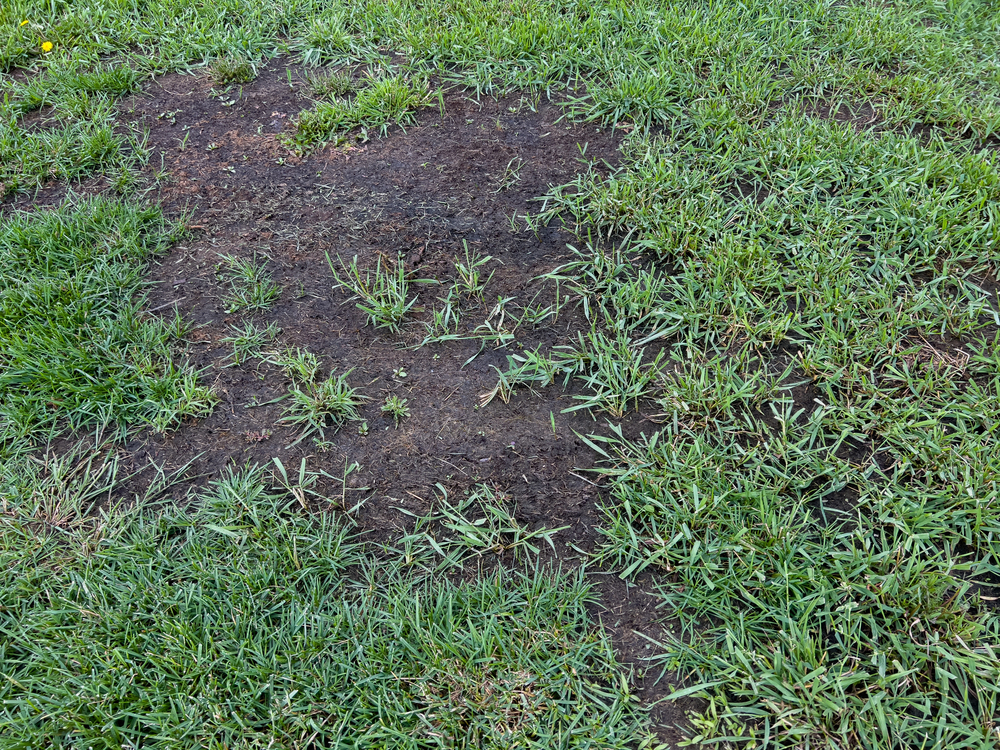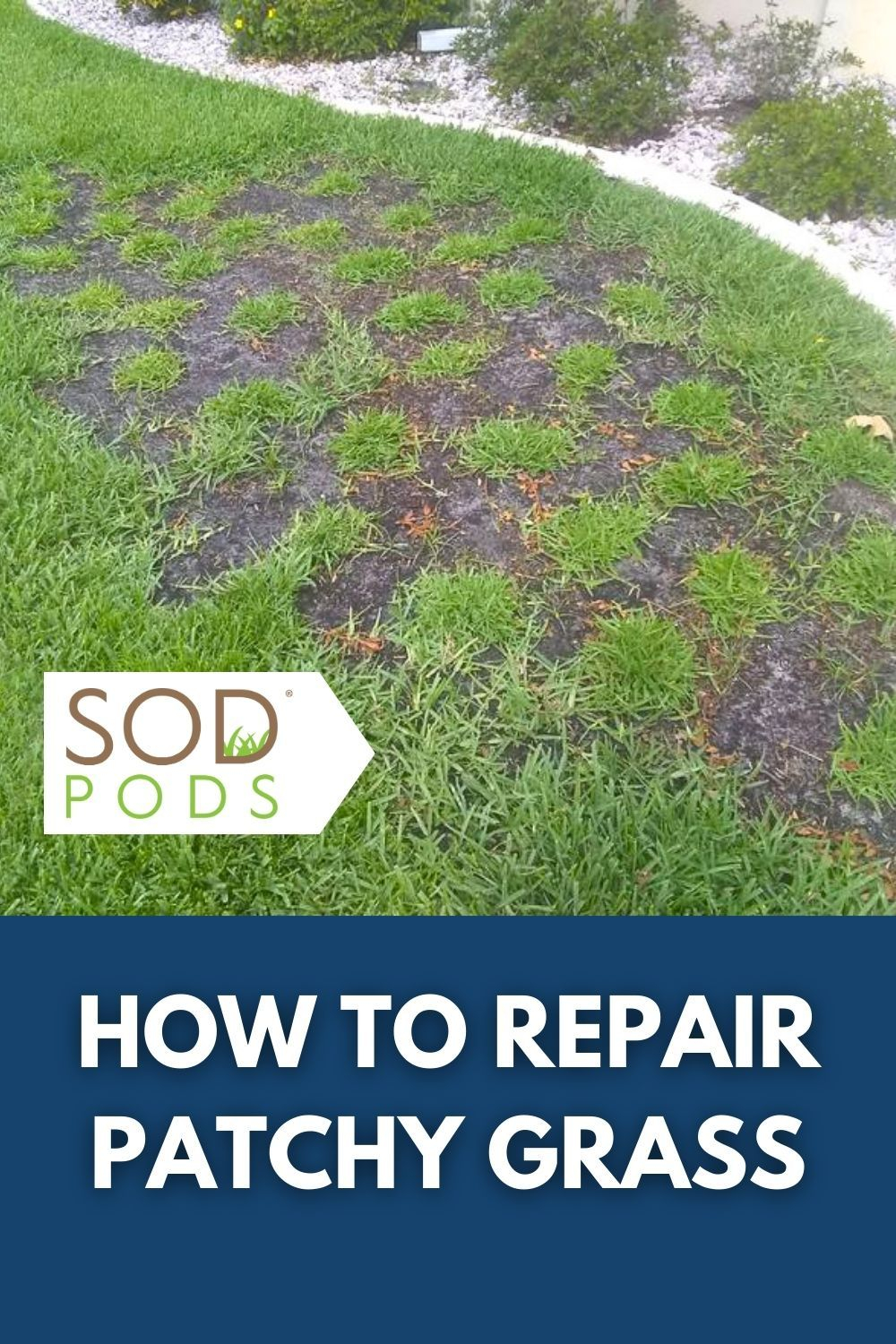

Ever looked at your neighbor’s lawn and wondered what secret sauce they’re using? It’s greener. It’s thicker. It just looks… happier. Meanwhile, yours might be patchy, thin, or stubbornly brown despite all the water and fertilizer you throw at it. Here’s the thing: you’re probably treating the symptoms, not the cause. You’re feeding the grass, but you’re ignoring the soil it lives in. And that soil? It’s suffocating.
Most homeowners think a lush lawn is all about the blade of grass above ground. But the real magic happens below. Think of your lawn like a house. The grass is the paint and the decor, but the soil is the foundation. If the foundation is cracked or compacted, it doesn’t matter how nice the paint is; the whole structure is unstable. In 2026, with water restrictions tightening in many areas and eco-conscious gardening on the rise, understanding soil health isn’t just a nice-to-have. It’s essential. The secret isn’t a fancier mower or a new brand of seed. It’s letting the earth breathe.
The Hidden Problem Beneath Your Feet
So, what’s actually going on down there? Over time, foot traffic, heavy rain, and even the weight of your lawnmower press the soil particles together. This is called compaction. Imagine trying to drink a thick milkshake through a tiny, crushed straw. That’s what your grass roots are dealing with. The air pockets in the soil—the little breathing rooms for roots and beneficial microbes—get squeezed out. Without those pockets, water can’t penetrate deeply. It just runs off or sits on the surface, evaporating before it does any good.
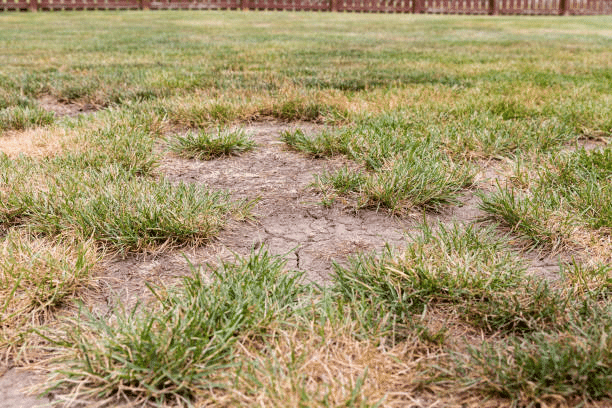
Compacted soil is basically a hardpan barrier. Roots hit it and stop growing. They stay shallow, right near the surface. And shallow roots are weak roots. They dry out fast in the summer heat and freeze easily in the winter. This is why your grass might look okay for a week after watering, then turn straw-colored the moment the sun comes out. It’s not thirsty; it’s trapped. It can’t reach the moisture stored deeper in the ground because the path is blocked.
This issue is more common than you’d think. If you have clay soil, you’re practically guaranteed to have compaction issues. Clay particles are tiny and flat, stacking together like plates to form a dense layer. But even sandy soils can get compacted if they’re walked on enough. The result is the same: a lawn that struggles to thrive no matter how much love you give it from the top down. Recognizing this hidden struggle is the first step to fixing it. You have to acknowledge that the ground beneath your feet is alive, and right now, it’s holding its breath.
What Aeration Actually Does for Your Grass
Aeration is the process of poking holes in your lawn to relieve that compaction. It sounds simple, almost too simple to work. But it’s incredibly effective. By removing small plugs of soil (in the case of core aeration) or punching spikes into the ground, you create channels for air, water, and nutrients to reach the root zone. It’s like unclogging that crushed straw. Suddenly, the resources your grass needs can flow freely.
But it’s not just about letting things in. It’s also about letting things out. Healthy soil needs gas exchange. Roots take in oxygen and release carbon dioxide, just like we do. In compacted soil, that carbon dioxide gets trapped, creating a toxic environment for the roots. Aeration vents out those harmful gases and pulls fresh oxygen down deep. This boost in oxygen triggers biological activity. The microbes and earthworms that keep your soil fertile start waking up and doing their job again.
The most immediate benefit you’ll see is deeper root growth. When roots have space to expand and access to consistent moisture, they dig down. Deep roots mean your lawn becomes drought-resistant. Instead of needing water every two days, a well-aerated lawn might only need it once a week or less. That’s a huge win for your water bill and the environment. Plus, deeper roots anchor the grass better, making it more resilient against pests, diseases, and heavy foot traffic. It’s a total system upgrade, not just a quick fix.
Timing Is Everything: When to Aerate in 2026
Here’s where a lot of people mess up. They aerate at the wrong time. Aerating is stressful for your lawn. You’re literally tearing up its home. So, you want to do it when the grass is in its peak growing season, so it can recover quickly. If you aerate when the grass is dormant or stressed by heat, you’re just damaging it without giving it the chance to heal. The golden rule? Aerate cool-season grasses in the early fall or spring, and warm-season grasses in late spring or early summer.
For most of us with cool-season grasses like Kentucky Bluegrass, Fescue, or Ryegrass, early fall is the absolute best time. Specifically, late August through October in 2026. The soil is still warm, which encourages root growth, but the air is cooler, which reduces stress on the grass blades. Plus, weed competition is lower in the fall, giving your grass the best chance to fill in any bare spots. Spring is the second-best option, usually April or May. But be careful. Spring soil can be wet and muddy. Aerating wet soil can actually make compaction worse by churning it into a mess.
If you have warm-season grasses like Bermuda, Zoysia, or St. Augustine, wait until late May or June. These grasses love heat. They’re just waking up and ready to grow aggressively. Aerating right before their biggest growth spurt means they’ll knit back together fast. Don’t try to aerate these in the fall; they’ll be going dormant and won’t recover well. Always check your local extension office recommendations for your specific zone, as weather patterns in 2026 might shift typical windows slightly. But generally, follow the growth, not the calendar.
Choosing the Right Method: Core vs. Spike
Not all aeration is created equal. You’ve got two main choices: spike aeration and core aeration. Spike aeration uses solid tines to poke holes in the ground. It’s cheaper and easier. You can buy simple spike shoes that attach to your sneakers or a manual spike tool. But here’s the catch: spikes don’t remove any soil. They just push it aside. In heavily compacted clay soils, this can sometimes make the problem worse by compressing the soil around the hole even tighter. It’s like poking a hole in a block of clay; the clay just gets denser around the puncture.
Core aeration, on the other hand, is the gold standard. A core aerator pulls out small plugs of soil, usually about 2-3 inches deep and half an inch wide. You’ll see these little dirt cylinders scattered across your lawn after you’re done. This physically removes the compacted material, creating real space for the roots to expand. It’s much more effective for serious compaction issues. You can rent a walk-behind core aerator from most hardware stores or hire a pro. It’s heavier and more expensive, but the results are worth it.
For most home lawns, especially if you haven’t aerated in a few years, go with core aeration. If your soil is sandy and loose, spike aeration might be sufficient for maintenance. But if you’re dealing with clay or heavy traffic, spend the extra effort on core aeration. Some newer machines in 2026 combine both methods or use vibrating tines to reduce effort, but the principle remains: you need to remove material to create space. Don’t skimp on this step. The difference in your lawn’s health next season will be night and day.
Pairing Aeration with Overseeding and Topdressing
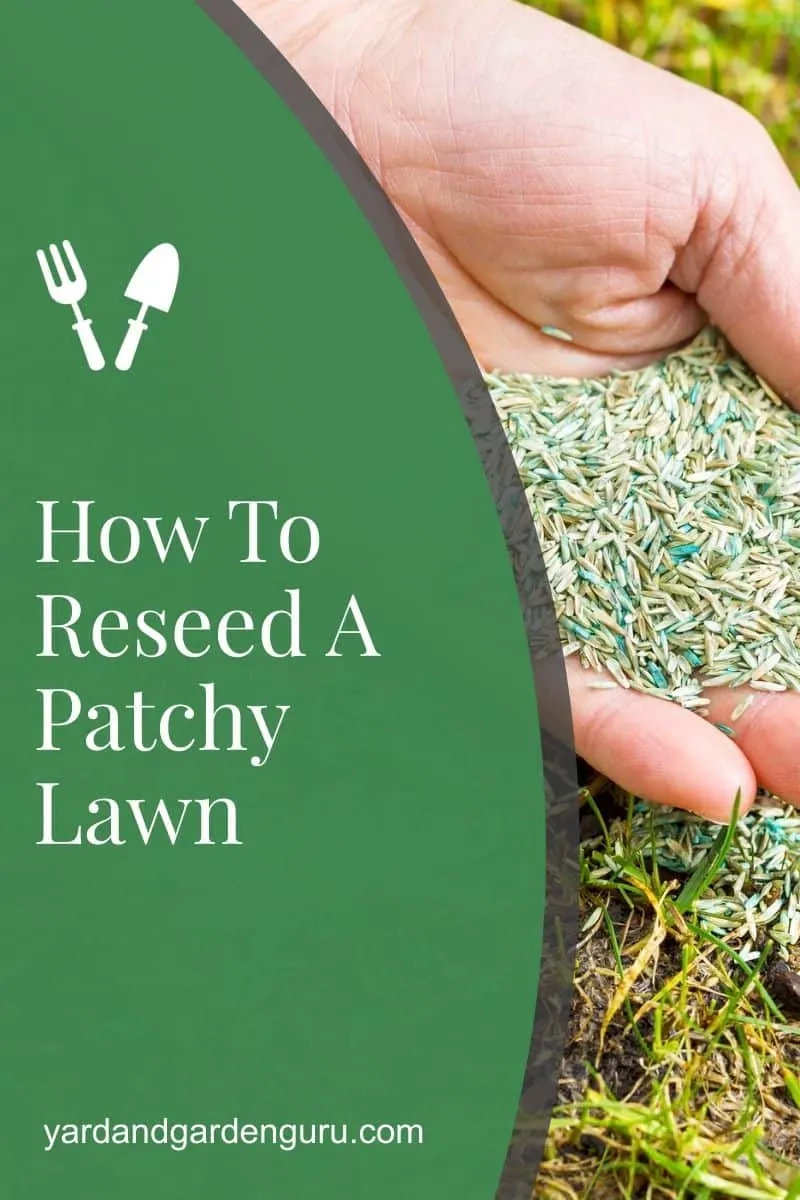
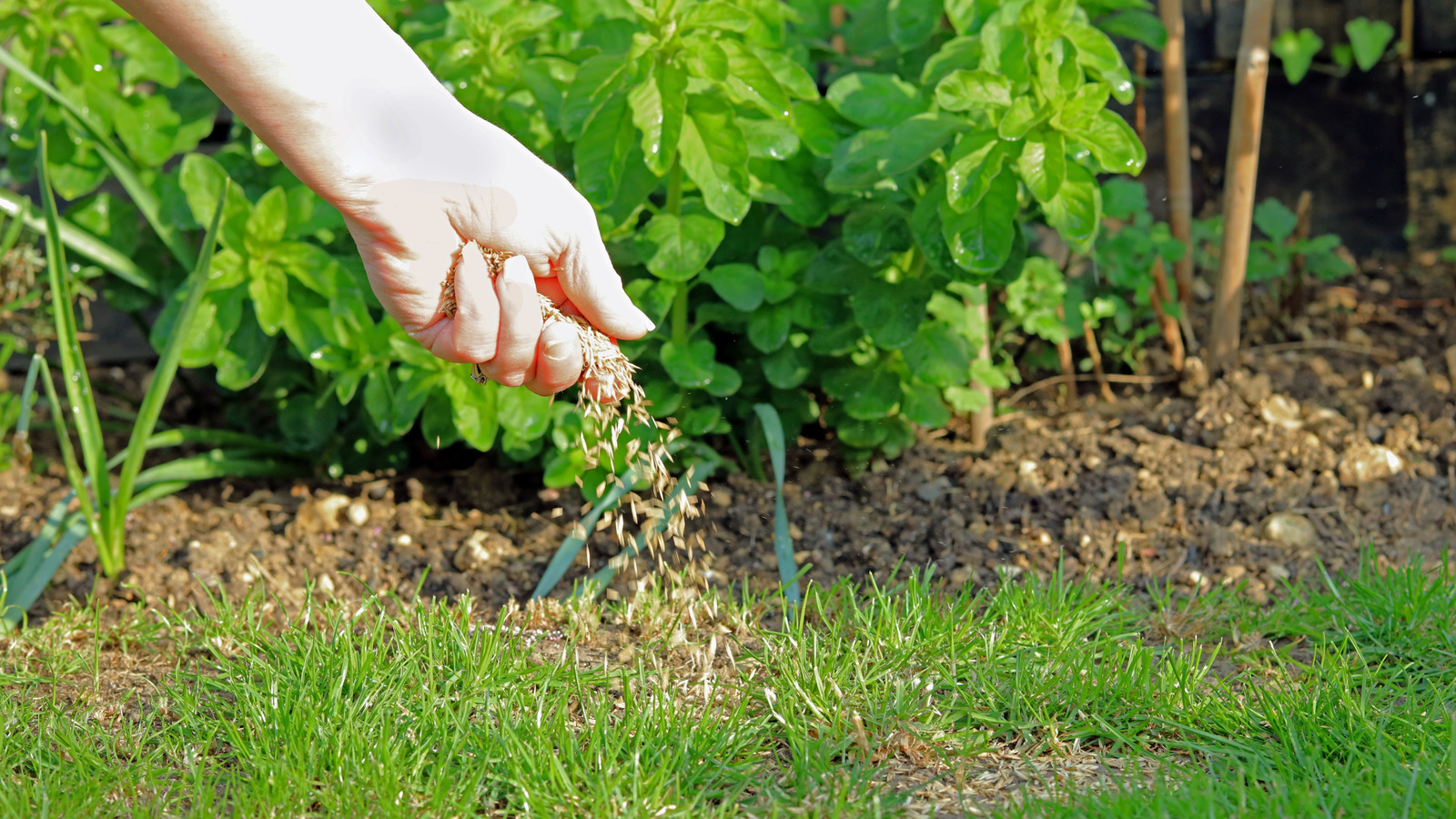
Aeration is powerful on its own, but it’s even better when you team it up with overseeding and topdressing. Think of it as a three-part harmony. The aeration opens the door. The seed walks through it. And the topdressing tucks it in. When you pull those cores, you leave behind perfect little holes for grass seed to fall into. This protects the seed from birds and wind, and keeps it moist against the soil. Germination rates skyrocket when you seed right after aerating.
Topdressing is the step many people skip, but it’s crucial for long-term soil health. This involves spreading a thin layer of compost or high-quality topsoil over the lawn after aerating. As you drag the material across the yard, it fills in the aeration holes. But more importantly, it adds organic matter to your soil. Over time, this builds up the soil structure, making it less prone to compaction in the future. It’s like adding sponges to your dirt. The compost holds water and nutrients, releasing them slowly to the roots.
In 2026, there’s a big push towards using locally sourced compost to support regional ecosystems. Avoid cheap, sterile topsoil. Look for rich, dark compost that smells earthy. Spread it evenly, about a quarter to a half-inch thick. You don’t want to smother the grass; you just want to feed the soil. This combination—aeration, seeding, and topdressing—is often called "renovation." Do this once a year, and you’ll rarely need to deal with major lawn problems. It’s proactive care that pays off every single season.
Common Mistakes That Ruin Your Efforts
Even with the best intentions, it’s easy to slip up. One of the biggest mistakes is aerating when the soil is too wet or too dry. If it’s soggy, the machine will clog, and you’ll churn up mud clumps that kill the grass underneath. If it’s bone dry, the tines won’t penetrate deeply enough, and you’ll just scratch the surface. The ideal condition is moist but not saturated. Water your lawn deeply a day or two before you plan to aerate. This softens the ground just enough for the tines to pull clean cores.
Another error is skipping the cleanup. Those soil plugs left behind by core aeration look messy at first. People rake them up and throw them away. Don’t do that! Let them sit on the lawn. They’ll break down naturally within a week or two, returning valuable nutrients and microbes back to the surface. Raking them up removes the very benefits you’re trying to achieve. If they bother you visually, run a lawn mower over them with the bag off. The blades will chop them up and scatter the bits, speeding up decomposition.
Finally, don’t forget to mark your sprinkler lines and utility cables. Aeration tines can go deep enough to hit shallow pipes or wires. It’s a costly mistake that’s easily avoided. Take ten minutes to map out your underground infrastructure before you start. Also, avoid applying herbicides right before or after aeration. You want the grass to focus on growing, not fighting chemicals. Give your lawn a gentle feed with a starter fertilizer after seeding, but hold off on weed killers for at least a month. Patience is key here.
So, is all this work worth it? Absolutely. A single aeration session won’t transform your lawn overnight. But doing it consistently year after year changes the entire ecosystem of your yard. You’ll notice the soil becoming softer underfoot. Water will soak in faster, reducing puddles and runoff. Your grass will stay green longer into the summer and bounce back quicker from winter dormancy. It becomes a self-sustaining system that requires less input from you.
Think about the money you’ll save. Less water usage. Less fertilizer needed because the soil is healthier and holds nutrients better. Fewer pesticides because strong grass outcompetes weeds naturally. In 2026, with rising costs for everything, a healthy lawn is actually a budget-friendly lawn. Plus, there’s the intangible benefit. There’s something deeply satisfying about walking barefoot on a thick, lush carpet of grass that you nurtured from the ground up. It connects you to your land in a way that mowing never could.
Ultimately, aeration and soil health are about respect. Respect for the biology beneath our feet. When you stop fighting nature and start working with it, the results speak for themselves. Your lawn stops being a chore and starts being a source of pride. It’s not just about having the greenest house on the block. It’s about creating a living, breathing space that supports life. And that’s a secret worth sharing.