
The morning sun hits the neighborhood just right, illuminating a pristine cedar privacy fence that separates two suburban backyards. To the untrained eye, the scene is pure domestic tranquility. But down in the dark, silent earth below the mulch line, a slow-motion subterranean war is brewing. A homeowner on the left side of the fence decided to plant a row of fast-growing Leyland cypress saplings three feet from the property line to block a neighbor’s second-story window. Fast forward six years, and those innocent green sentinels have morphed into woody titans. Their root systems have crossed the property boundary, heaving the cedar fence posts out of alignment, cracking the concrete footing, and silently declaring war across the legal divide.
Property lines on paper are crisp, two-dimensional lines drawn by surveyors using iron pins and legal descriptions. Property lines in living ecosystems, however, are wildly porous. Trees and shrubs do not recognize municipal plat maps or property deeds. They respond strictly to moisture gradients, oxygen availability, soil compaction, and nutrient distribution. When an ambitious gardener drops a specimen plant a mere yard away from a shared fence, they are initiating a multi-decade biological commitment. The above-ground canopy gets all the glory and the aesthetic credit, but the underground architecture dictates the structural longevity of the fence, the neighborly goodwill on the block, and thousands of dollars in potential future repair bills.
Most people drastically underestimate the sheer lateral reach of plant roots. The common misconception is that a tree’s root system mirrors its canopy—a neat, symmetrical cone hanging upside down beneath the trunk. Arboricultural science paints a vastly different, more expansive reality. Roots routinely stretch two to three times the width of the tree’s drip line, creeping outward in search of water and structural stability. When that outward migration hits a fence line, it encounters post-holes, gravel backfills, retaining walls, and concrete footings—all of which create localized micro-climates that attract roots like magnets. Understanding this invisible subterranean behavior before sinking a single spade into the dirt is the ultimate dividing line between a peaceful suburban coexistence and a neighborhood legal battle.
The history of shared fencing and boundary planting is littered with misplaced intentions. Generations of homeowners have planted privet hedges, bamboo screens, and ornamental maples to reclaim privacy, only to watch those living screens destroy the very structures anchoring their yards. As suburban lots shrink and property values soar, the physical margin for error has evaporated. A single miscalculated planting choice can turn a friendly weekend barbecue neighbor into an adversary embroiled in civil property disputes over structural damage, repair costs, and root pruning rights. To navigate this botanical minefield, one must look past the nursery tag and examine the hidden mechanics of root expansion, structural soil mechanics, and horticultural reality.
The Subterranean Reality of Lateral Root Expansion
Trees and large shrubs are hydraulic engineering feats, and their root systems are organized not as chaotic tangles, but as highly strategic survival networks. The vast majority of a woody plant’s root mass—up to ninety percent—resides within the top eighteen to twenty-four inches of soil. This shallow distribution happens because roots need oxygen to respire, and atmospheric oxygen concentration drops off precipitously the deeper you go. When a homeowner plants a tree along a fence line, they are introducing an expansive, shallow network right into the zone where fence posts are anchored. These shallow lateral roots do not gently tap downward; they spread outward in all directions, radiating like the spokes of a bicycle wheel from the trunk.
Soil compaction plays a massive, often overlooked role in how these roots behave near property boundaries. Along a fence line, construction equipment, heavy foot traffic, and the installation of the fence itself usually leave behind highly compacted soil trenches. Paradoxically, roots struggle to penetrate heavily compacted native earth, but they thrive in the loosened, disturbed backfill dirt of a fence post hole. Consequently, when lateral roots encounter a fence line, they frequently use the post-hole excavations as structural highways. They wrap around concrete footings, squeeze between wooden posts and gravel packs, and expand with tremendous biological force. As a root grows in girth, it exerts radial pressure capable of cracking concrete, snapping wooden posts, and buckling aluminum or vinyl panels.
Furthermore, the species of plant dictates the aggressiveness of this lateral spread. While an oak or a maple has a robust, spreading root system driven by sheer mass, other species are notorious for aggressive suckering and surface root proliferation. Trees like silver maples, poplars, and willows actively seek out moisture sources. If a shared fence sits near a poorly draining lawn, a French drain, or a neighbor’s underground irrigation line, these roots will home in on the moisture gradient with biological precision. Once they arrive, their fine feeder roots mat densely against the fence structure, while structural roots thicken and create visible humps in the lawn that cross property lines and destroy lawnmower blades.
Understanding this subterranean footprint requires shifting one’s mental model from a static plant in a fixed spot to a dynamic, expanding organism. A sapling planted in a five-gallon container today may possess a root plate spanning fifteen to twenty feet in diameter within a decade. If that center point is placed three feet from a shared fence, half of that massive root architecture will inevitably colonize the neighbor’s yard. This fundamental biological reality makes property line plantings an inherently shared enterprise, whether the neighbor consented to the planting or not. Recognizing that roots cross legal boundaries long before branches do is the foundational first step toward responsible landscape planning.
Legal Boundaries, Local Ordinances, and Neighborly Realities
Planting along a shared fence line immediately intersects with property law, municipal codes, and common-law doctrines that vary wildly from state to state and municipality to municipality. The baseline legal principle across most jurisdictions is the "self-help rule" regarding encroaching vegetation. Traditionally, if a neighbor’s tree branches or roots cross the property line, you have the legal right to trim, cut, or sever them back to the property boundary, provided your actions do not kill or structurally destabilize the tree. However, this legal right opens up a complex web of ethical, financial, and horticultural complications that few homeowners anticipate until the chainsaw starts buzzing.
Consider the financial liability when aggressive roots destroy a shared fence. Fences erected precisely on the property line are typically considered joint property, meaning both neighbors share maintenance and repair responsibilities. But what happens when neighbor A’s ornamental weeping cherry tree heaves the fence posts completely out of alignment? Legally, proving negligence or nuisance requires demonstrating that the tree owner had actual notice of the damage and failed to mitigate it, or that the species planted was inherently known for destructive, invasive root habits. Navigating these disputes in civil court is expensive, time-consuming, and guaranteed to ruin neighborhood relations for decades.
Municipalities also enforce strict codes regarding line-of-sight clearances, easements, and setback distances for trees and structures. Many cities require a minimum setback of five to ten feet for large canopy trees planted near property lines or utility easements. Ignoring these codes can result in forced removal orders by local code enforcement officers, leaving the property owner out the cost of the original specimen, the installation, and now the emergency extraction. Moreover, if utility lines—such as underground gas, water, or fiber-optic cables—run parallel to a shared fence, aggressive root systems can compromise those lines, shifting liability from a simple neighbor dispute to a utility company intervention.
Proactive communication remains the most powerful tool in navigating boundary plantings, long before legal doctrines come into play. Many destructive fence disputes could be avoided if neighbors simply discussed their landscaping plans over the fence before digging. Sharing the vision, discussing species selection, and agreeing upfront on who maintains the growth zones prevents bitter surprises. When neighbors co-sign a landscape plan, they often agree to split the cost of root barriers or select smaller, fence-friendly ornamental varieties. Respecting the shared nature of the boundary line transforms a potential source of conflict into an opportunity for collaborative neighborhood enhancement.
Step-by-Step Practical Implementation Guide for Boundary Planting
Designing and executing a fence-line planting project requires deliberate, methodical planning to protect both the flora and the boundary structure. Skipping these operational steps guarantees long-term structural headaches.
- Step 1 (Site Assessment and Utility Locating): Before purchasing a single plant, contact your local utility notification center to have all underground lines marked. Simultaneously, map out sunlight patterns, prevailing wind directions, and existing drainage slopes along the fence line to determine which species can actually thrive without forcing aggressive root foraging.
- Step 2 (Species Selection and Mature Spread Research): Discard nursery tags that only list current pot size. Research the mature crown width and root system classification of the candidate plant. Opt for species with vertical, deep-rooting tendencies (taproot or heart-root architectures) rather than aggressive, shallow lateral spreaders when planting within ten feet of a fence.
- Step 3 (Strategic Placement and Setback Calculation): Measure the expected mature radius of the tree or shrub. Ensure the trunk is planted at a distance equal to at least half its mature canopy spread away from the fence line. For large shade trees, this often means maintaining a ten-to-fifteen-foot buffer, while compact shrubs can safely sit three to five feet back.
- Step 4 (Installation of Root Barriers): If space constraints force you to plant closer to the fence than recommended, install a professional-grade vertical root barrier system made of high-density polyethylene (HDPE) sheets. Trench down to a depth of 24 to 36 inches between the planting hole and the fence line, insert the barrier vertically with the top edge slightly above grade, and backfill securely to deflect lateral root growth downward.
- Step 5 (Ongoing Maintenance and Root Pruning Schedule): Establish a proactive maintenance protocol that includes annual inspections of the fence line. Monitor for early signs of soil heaving, post displacement, or surface root emergence, and perform corrective structural root pruning during the dormant winter season before minor issues escalate into major structural failures.
Common Pitfalls and Field-Tested Workarounds for Fence-Line Gardens
Even experienced gardeners frequently fall into predictable traps when designing landscapes around shared fences. Recognizing these common errors saves immense labor, money, and neighborly friction.
- Pitfall 1 (Planting Invasive Bamboo or Aggressive Spreaders): Homeowners often plant running bamboo or aggressive suckering shrubs like winged euonymus for instant privacy, only to watch them tunnel under the fence and colonize the neighbor’s pristine lawn. Workaround: Strictly restrict boundary plantings to clump-forming species, or if running species are used, install a continuous, heavy-gauge steel or thick HDPE root barrier buried at least 36 inches deep with a two-inch lip above ground.
- Pitfall 2 (Ignoring Drainage and Soil Moisture Dynamics): Placing water-loving trees right next to a fence can trap excessive moisture against wooden posts, accelerating wood rot, fungal decay, and post degradation. Workaround: Choose drought-tolerant or moderate-water species for fence lines, and ensure the soil grade slopes away from the fence posts to prevent pooling water and accelerated root accumulation in damp post holes.
- Pitfall 3 (Violating Setback Rules and Easements): Planting massive shade trees directly over underground utility easements or too close to property lines violates municipal codes and risks forced removal by city crews. Workaround: Always consult your local zoning board and plat map before planting, maintaining a mandatory buffer zone around all recorded utility easements and property pins.
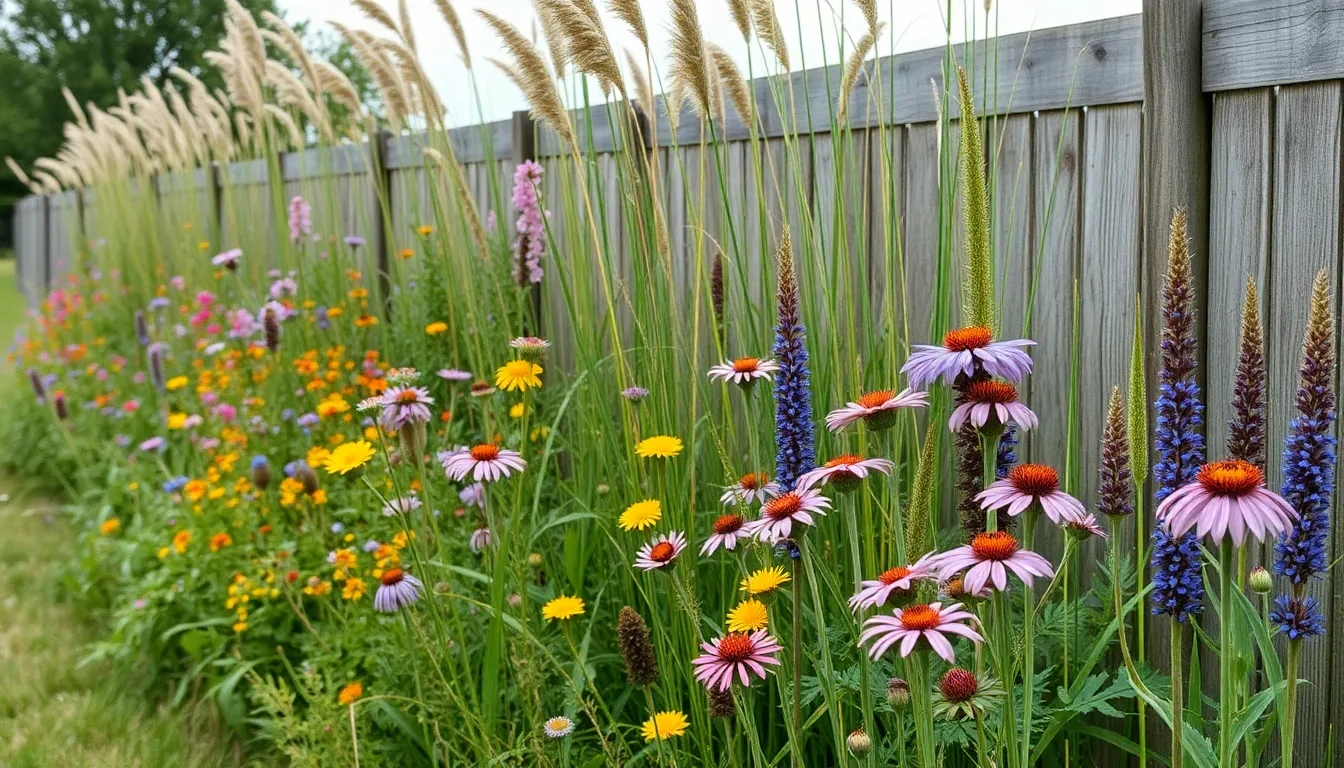
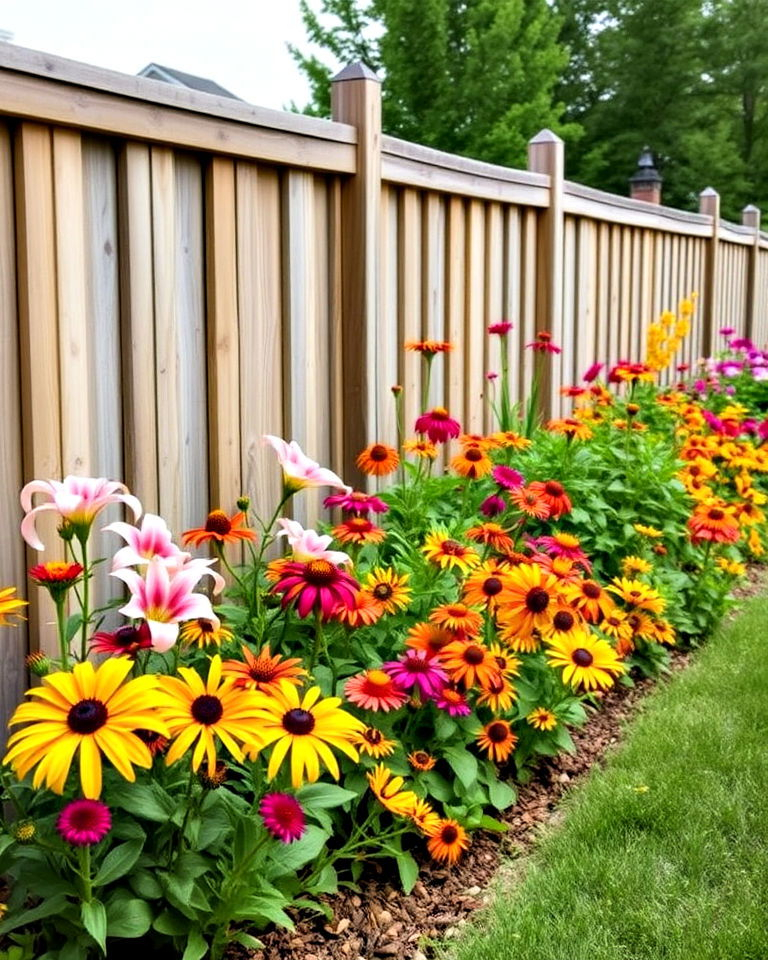
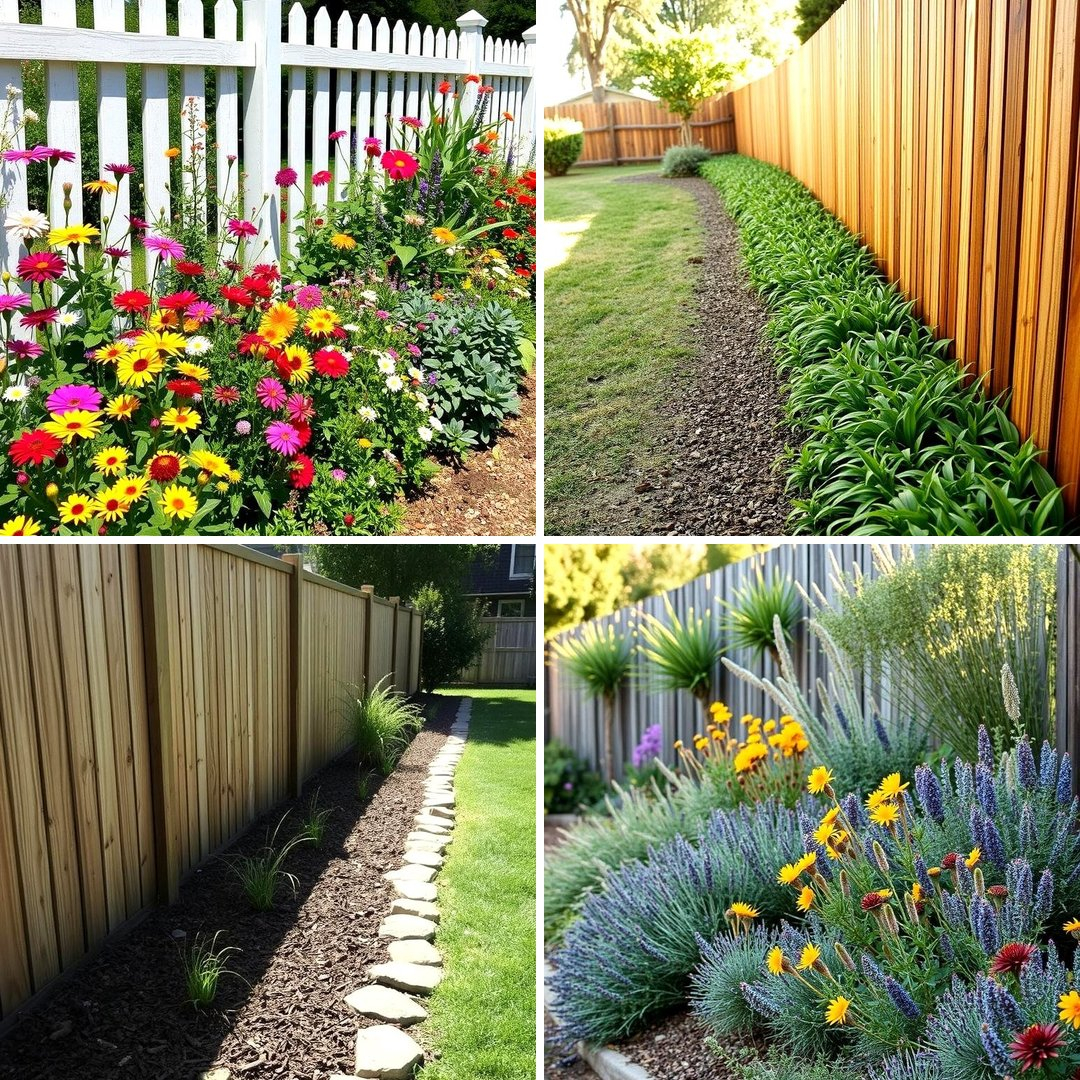
- Pitfall 4 (Using Shallow-Rooted Trees Near Vinyl or Chain-Link Fences): Planting shallow-rooted surface-feeders near lightweight fencing results in rapid structural distortion as roots lift the bottom rails and warp panels. Workaround: Pair lightweight fences exclusively with ornamental grasses, perennial flower beds, or dwarf shrubs rather than woody trees, reserving heavy trees for deep interior yard locations.
- Pitfall 5 (Neglecting Root Pruning Until Damage Occurs): Waiting until a root visibly buckles a fence before taking action often requires severe root cutting that can destabilize or kill the tree. Workaround: Implement preventive root pruning every three to four years by cutting clean vertical trenches along the fence line, severing minor lateral roots while they are small and before they wrap around structural posts.
The Broader Ecological and Structural Impact of Boundary Vegetation
Planting along a shared fence line is not merely an isolated design choice; it is an intervention in a complex, localized ecosystem and a localized real estate asset. From an ecological standpoint, fence lines serve as critical wildlife corridors and micro-habitats in suburban settings. Birds, beneficial insects, and small mammals utilize linear plantings of shrubs and trees to navigate densely built neighborhoods safely. When executed with ecologically sound species selection, a fence-line hedge can boost local biodiversity, provide crucial pollinators with early-season forage, and act as a natural windbreak that reduces home heating and cooling costs by buffering harsh seasonal drafts.
Simultaneously, the economic implications of root dynamics along property boundaries carry substantial weight. Real estate appraisers routinely factor the condition of boundary fencing and mature landscaping into overall property valuations. A failing fence pushed out of plumb by aggressive tree roots signals deferred maintenance to prospective buyers, potentially knocking thousands of dollars off a home’s asking price during a resale inspection. Conversely, a thoughtfully landscaped, harmonious boundary planting scheme enhances curb appeal, creates natural privacy screening that outperforms artificial structures, and fosters a collaborative neighborhood aesthetic that elevates the value of both adjacent properties.
Looking toward the future of residential landscape design, climate shifts and changing urban densities make smart boundary planning more critical than ever. As urban heat island effects intensify and rainfall patterns grow increasingly erratic, the micro-climates along fences will experience extreme stress. Selecting resilient, drought-tolerant native plants with deep, non-destructive root architectures ensures that neighborhood green spaces remain vibrant and structurally sound through severe weather events. Sustainable landscaping in the modern era requires a departure from reactive planting habits toward forward-thinking, scientifically informed ecological stewardship that honors both the beauty of nature and the boundaries of property law.
Strategic Recommendations and High-Impact Frameworks for Homeowners
To synthesize these insights into a workable framework for any property owner preparing to plant along a shared fence, consider the following structured guidelines for long-term success.
- Evaluate Structural Integrity First: Inspect the existing fence before planting. If the fence is aging, leaning, or constructed with untreated wood, do not plant heavy shrubs or trees nearby until the fence is replaced with a robust, heavy-duty system featuring steel posts and reinforced concrete footings.
- Adopt the ‘Mature Footprint’ Rule: Calculate the mature width of your chosen plant species. Never place the trunk or stem closer to the fence than one-third of its maximum mature spread. This single rule eliminates ninety percent of future root-to-structure conflicts.
- Prioritize Native and Non-Invasive Species: Consult local agricultural extension offices to select native, well-behaved species that support local pollinators without exhibiting aggressive surface-rooting or rampant suckering tendencies.
- Maintain Open Dialogue with Neighbors: Share your landscaping design with adjacent property owners before installation. Transparency builds trust, prevents costly misunderstandings, and opens the door to shared investments in premium root barriers or boundary enhancements.
- Schedule Routine Audits: Treat your fence-line landscape as living infrastructure. Conduct annual visual audits of soil levels, post alignment, and root emergence, addressing minor issues with timely pruning long before structural damage occurs.
The boundary between properties is rarely just a physical marker; it is a shared ecological canvas where human architecture meets natural biology. When we plant along a shared fence, we enter into an unspoken contract with the soil, the structures, and the neighbors who share our immediate world. The hidden world of root spreads reminds us that what happens beneath the surface ultimately dictates what stands tall above it. By respecting the immense lateral power of roots, understanding the legal and structural implications of our botanical choices, and planning with long-term foresight, we can transform potential neighborhood friction into a thriving, harmonious landscape.
The modern yard is a sanctuary of peace and privacy, but achieving that sanctuary requires patience, education, and respect for natural forces. As you look out at your fence line and dream of lush green privacy screens or vibrant floral borders, let science and deliberate planning guide your shovel. By making informed choices today, you protect your property investment, honor your neighbors, and cultivate a living environment that stands strong, resilient, and beautiful through the changing seasons of the years ahead.