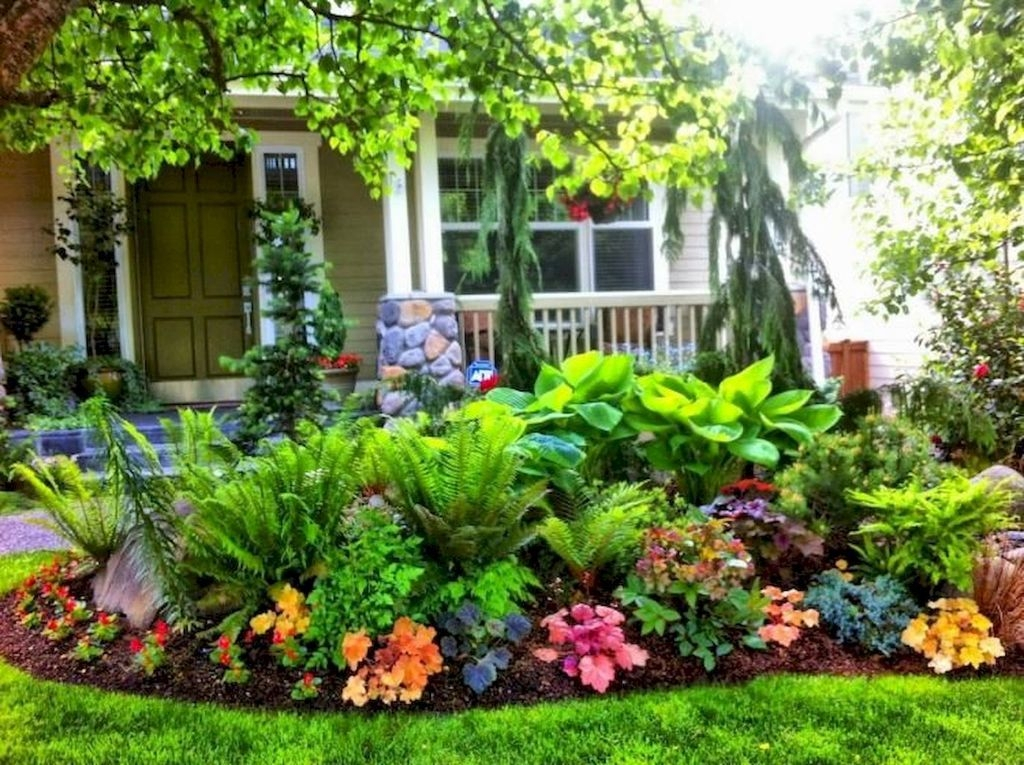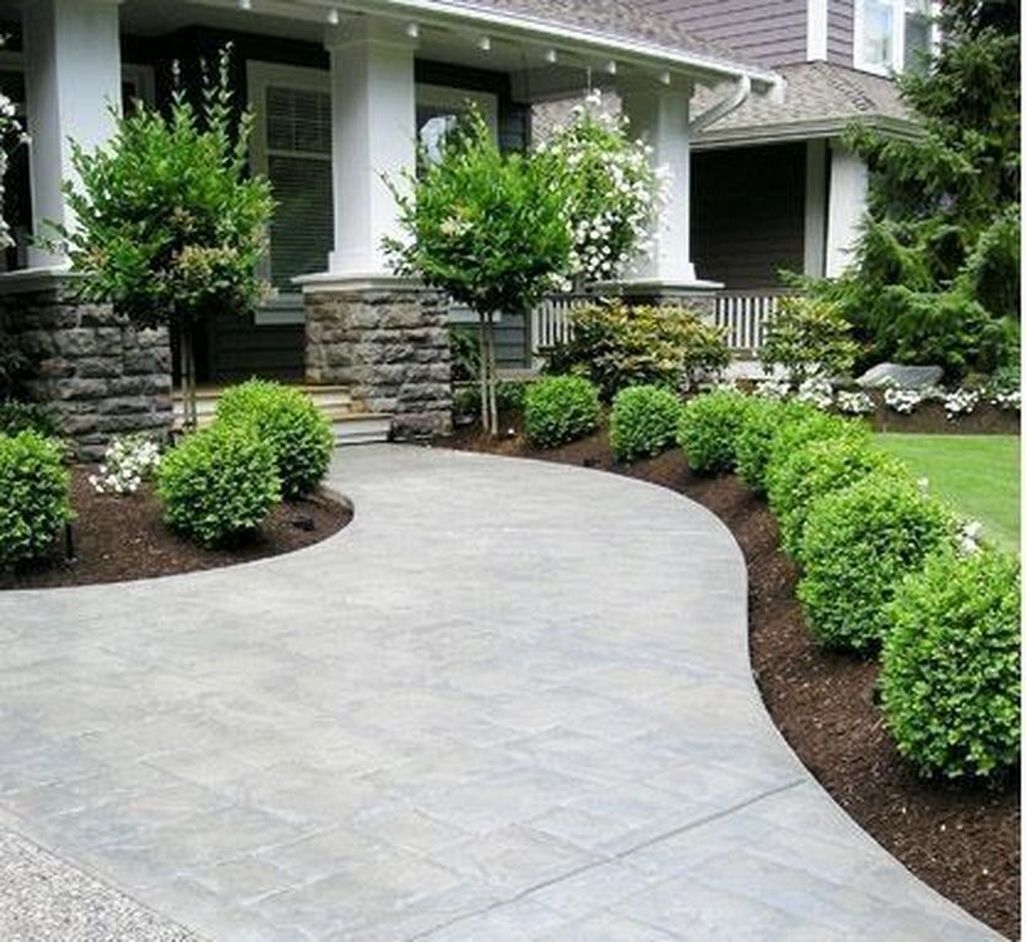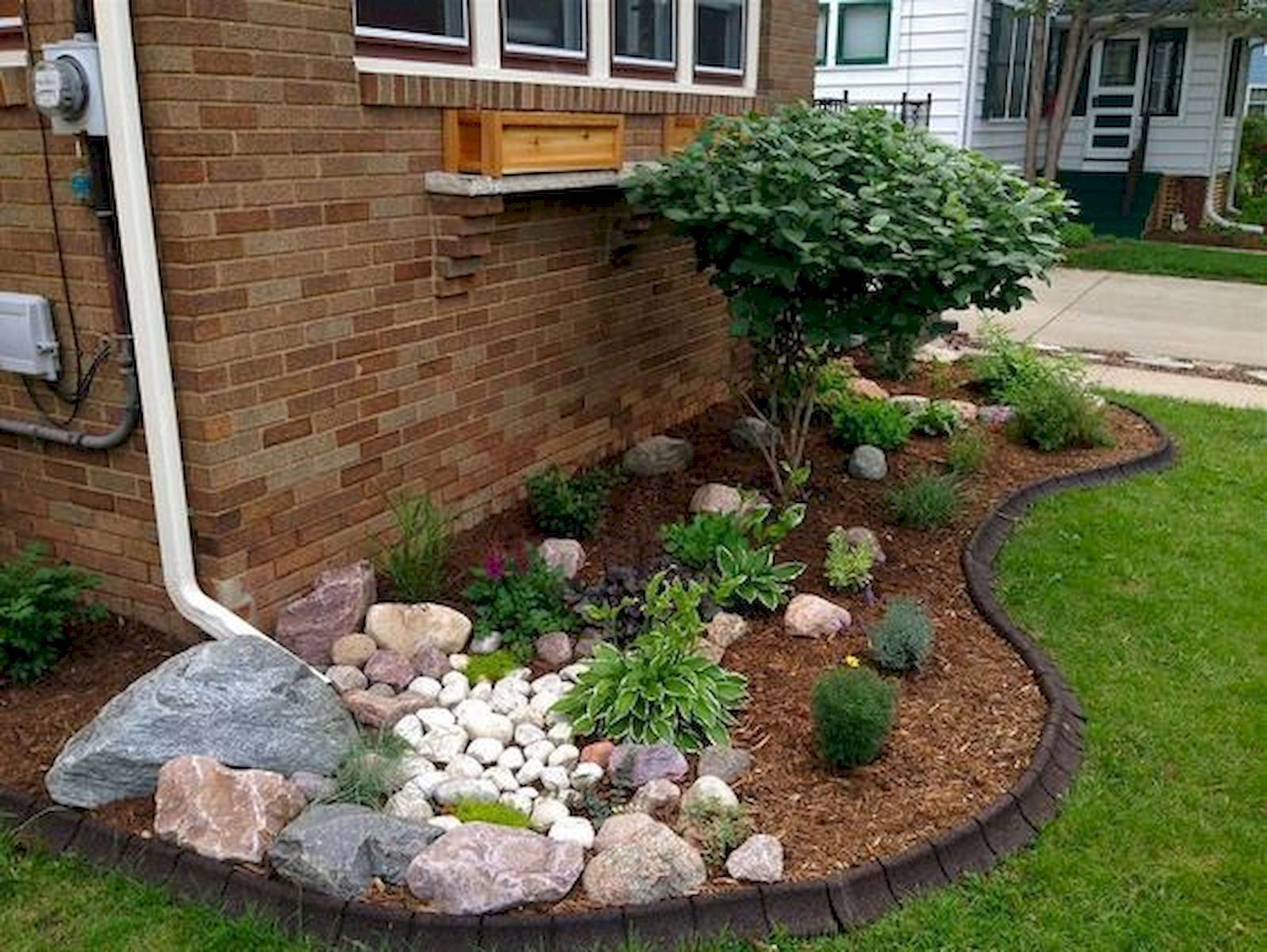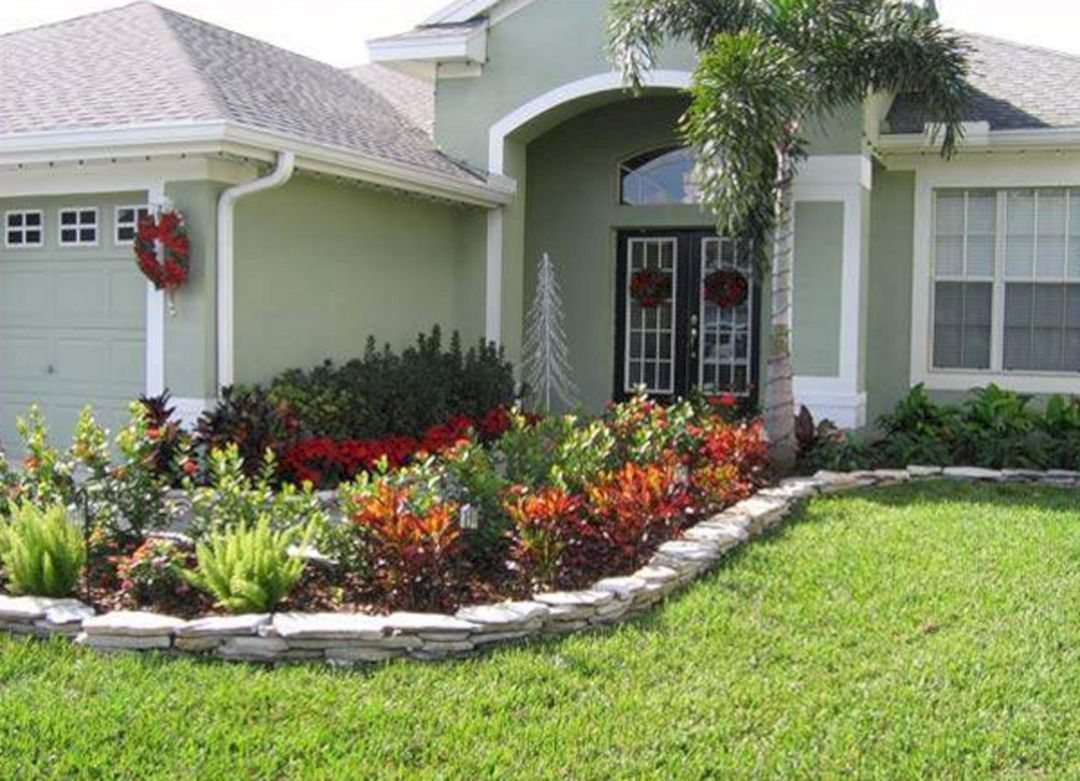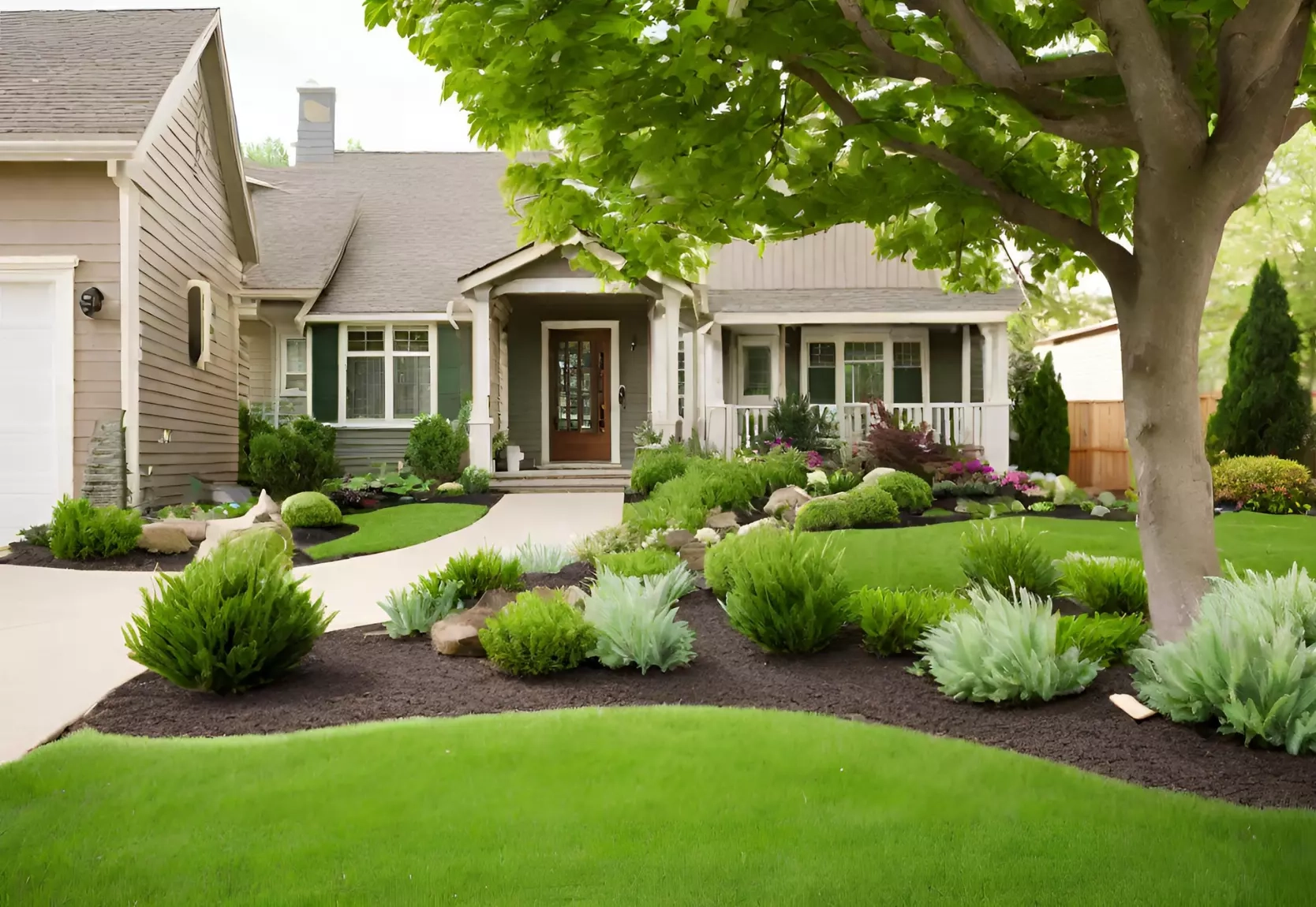

Ever walked past a house and just stopped? Not because it was a mansion, but because the little patch of green in front felt… inviting. It had soul. Maybe a quirky pot, a burst of color, or just really neat edges. You think, "I wish my place looked like that." But then you check your bank account, sigh, and keep walking. We’ve all been there. The myth is that curb appeal costs a fortune. The truth? It’s mostly about sweat equity and smarts.
In 2026, with gardening supplies costing a bit more than they did five years ago, being clever matters more than ever. You don’t need a landscape architect. You don’t even need a lot of space. A small front yard is actually easier to manage and can make a bigger impact per square foot if you play your cards right. It’s about focus. It’s about choosing the right battles. And honestly, it’s about letting go of perfection. Let’s dig into how you can turn that forgettable strip of dirt into a neighborhood standout, one dollar at a time.
The Power of the Clean Slate
Before you buy a single plant, look at what you already have. Really look. Most small yards suffer from visual clutter. Overgrown shrubs blocking windows, dead patches of grass, or old mulch that’s turned gray and dusty. The cheapest thing you can do is clean up. Grab a rake. Pull the weeds. Edge the sidewalk. It sounds boring, I know. But crisp lines make everything look intentional. When the edges of your lawn meet the pavement sharply, it signals care. It tells neighbors, "Someone lives here who pays attention."
Mulch is your best friend in this phase. It’s not sexy, but it works harder than almost anything else. A fresh layer of dark brown or black mulch makes colors pop. It hides the bare spots where grass refuses to grow. And it keeps moisture in the soil, which means you water less. In 2026, water bills are no joke, so saving every drop counts. You can often get free mulch from local tree trimming services or municipal waste centers. Call around. Some cities offer free compost or wood chips if you’re willing to haul them yourself. It’s heavy work, but it saves you hundreds.
Don’t underestimate the power of removal, either. If there’s a dying bush that’s been half-dead for three years, pull it. Don’t replace it immediately. Let the space breathe. Sometimes, less is more. A small yard feels bigger when it’s not choked with random plants. Clearing out the debris opens up sightlines. It lets light hit the facade of your house. Suddenly, your front door looks brighter. The windows look cleaner. You’ve spent zero dollars on new items, but the whole vibe has shifted. It’s a fresh start. And that feels good.
Go Native or Go Home
Plants are the jewelry of the yard. But they can also be the biggest money pit. Here’s the secret: stop fighting your climate. If you live in a dry area, stop trying to grow thirsty ferns. If you’re in a wet zone, don’t force cacti. Native plants are adapted to your local soil and weather. They need less water, less fertilizer, and less pampering. In the long run, they are virtually free to maintain. Plus, they support local bees and butterflies, which is a nice bonus for the ecosystem.
Visit a local native plant society sale or a community garden swap. These events are goldmines for budget gardeners. People often divide their perennials and give away extras for free or cheap. You can get established plants that are already tough enough to survive. Look for ground covers like creeping thyme or clover. They fill in spaces quickly, suppress weeds, and look lush. Clover lawns are having a moment in 2026 because they stay green with minimal water and fix nitrogen in the soil naturally. It’s a win-win.
Group plants by their needs. Put the thirsty ones together and the drought-tolerant ones in another spot. This makes watering efficient. You aren’t wasting water on plants that don’t need it. Also, think vertically. Small yards lack horizontal space, so go up. Trellises with climbing jasmine or clematis add height and drama without taking up footprint. You can build simple trellises from scrap wood or even old ladders. It draws the eye upward, making the yard feel larger and more immersive. It’s a trick designers use, but it costs you nothing but a few nails.
DIY Hardscaping with Character
Paths guide the eye. They tell people where to go. But concrete pavers are expensive. Gravel is cheap but can scatter. So, what’s the middle ground? Get creative with materials. Broken concrete, often called "urbanite," can be sourced for free from demolition sites or Craigslist. Arrange the pieces like a puzzle to create a rustic pathway. Fill the gaps with moss or creeping thyme. It looks artistic and old-world. It has character. It tells a story of reuse.
Edging defines your space. You don’t need plastic strips that crack after one winter. Use bricks you find on marketplace apps. Or use logs from fallen trees. Cut them into rounds and line your flower beds. It creates a natural, woodland feel. If you have extra stones from a previous project, pile them up to create a small retaining wall or a border. It adds texture. Texture is key in small spaces because it adds interest without adding color chaos. Keep the palette simple. Stick to two or three main materials. Wood, stone, and green. That’s enough.
Lighting changes everything at night. Solar lights have come a long way since the early 2000s. In 2026, they are bright, durable, and cheap. You don’t need an electrician. Just stake them in. Place them along your path or highlight a special plant. Warm white light feels welcoming. Cool blue light feels sterile. Go for warm. It makes your home feel cozy from the street. It invites people in. And since they are solar, they cost nothing to run. It’s a small detail, but when the sun goes down, your yard becomes a lantern. It stands out in the dark.
The Focal Point Strategy
In a small yard, if everything shouts, nothing is heard. You need a whisper. You need one thing that catches the eye. A focal point. It could be a bench. A unique pot. A small statue. Or even a really striking plant, like a Japanese maple or a large ornamental grass. Pick one spot. Usually, near the front door or visible from the street. Make that spot shine. Keep the rest simple. This directs attention. It creates a sense of order. Without a focal point, the eye wanders and gets confused.
Thrifting is your best tool here. Check estate sales, garage sales, and online marketplaces. An old chair can be painted and used as a plant stand. A vintage window frame can lean against a wall with flowers planted in front of it. These items have history. They add personality. New stuff from big box stores often looks generic. Used stuff looks curated. It shows taste. And it’s cheap. You might spend twenty dollars on a chair and ten on paint. That’s thirty dollars for a feature that looks custom.
Paint is another cheap transformer. Paint your front door a bold color. Paint your fence a dark charcoal to make the green plants pop. Paint terracotta pots in uniform colors to create a set. Consistency creates cohesion. If all your pots are different shapes and colors, it looks messy. If they are all the same color, it looks designed. Black, white, or terra cotta are safe bets. They blend with nature. They let the plants be the stars. Don’t underestimate the power of a unified color scheme. It ties disparate elements together.
Seasonal Swaps and Annuals
Perennials come back every year, which is great. But annuals give you instant gratification. They bloom all season. They are cheap. Use them strategically. Don’t fill the whole yard with them. Just use them in high-visibility spots. Like the pots by your door. Or a small bed near the walkway. In spring, think tulips and pansies. In summer, zinnias and marigolds. In fall, mums and ornamental kale. Rotate them. It keeps the yard feeling fresh. It gives you something to look forward to.
Grow some from seed. Seed packets cost a few dollars. A flat of nursery plants costs twenty or thirty. Start seeds indoors in late winter. By spring, you’ll have dozens of plants for pennies. It takes time, yes. But it’s rewarding. Watching a tiny seed become a blooming flower is magic. Plus, you can choose varieties you won’t find in stores. Unique colors. Strange shapes. It makes your yard one-of-a-kind. Neighbors will ask, "What is that?" It starts conversations. It builds community.
Don’t forget edibles. Herbs and vegetables can be beautiful. Rosemary bushes are evergreen and smell amazing. Lettuce has lovely ruffled leaves. Peppers produce colorful fruit. Mix them in with flowers. It’s called edible landscaping. It’s practical and pretty. You save money on groceries and landscaping. It’s a double win. In 2026, with food prices still fluctuating, growing your own garnish or salad greens is a smart move. It shows you are resourceful. It adds a layer of function to the beauty.
A beautiful yard isn’t a one-time project. It’s a habit. Ten minutes a day keeps the chaos away. Pull one weed while you drink your morning coffee. Deadhead a few flowers on your way to the car. Sweep the porch steps. These small acts prevent big jobs later. They keep the yard looking tidy. Tidy reads as expensive. Overgrown reads as neglected. You don’t need to spend hours. Just be consistent. It’s about stewardship. Loving the space you have.
Compost your yard waste. Grass clippings, leaves, spent flowers. Turn them into soil. Free fertilizer. It improves your soil structure. Healthy soil grows healthy plants. Healthy plants resist pests and disease. It’s a cycle. Start a small pile in a corner. Or buy a cheap bin. It reduces trash. It feeds your garden. It’s the ultimate budget hack. Nature recycles everything. You should too. It connects you to the process. You aren’t just decorating; you’re participating in a system.
Finally, enjoy it. Sit outside. Read a book. Watch the birds. If you don’t use the space, why maintain it? Add a small seat. Even a stump. Make it a place to be. When you enjoy your yard, you take better care of it. It becomes part of your life, not just a chore. That joy shows. It radiates. People can feel when a space is loved. That’s the real secret. Not the plants. Not the mulch. The love. That’s what makes a yard a standout. That’s what makes a house a home.
So, where do you start? Look at your yard today. What’s one thing you can remove? One thing you can clean? One spot you can highlight? Don’t try to do it all at once. Pick one project. Finish it. Then pick another. Slowly, surely, your small front yard will transform. It won’t happen overnight. But it will happen. And when it does, you’ll walk past your own house and stop. You’ll smile. You’ll feel proud. And that’s worth more than any amount of money spent.