
Ever pull into your driveway and feel a little sigh escape your lips? You’re not alone. For years, that patch of green (or brown, or patchy) grass has just been… there. It’s the first thing guests see, yet it often feels like an afterthought. A blank canvas you’re too tired to paint. But here’s the secret nobody tells you: you don’t need a landscape architect’s salary to make it sing. In fact, some of the most stunning yards I’ve seen were built with sweat equity, scavenged materials, and a whole lot of patience.
It’s 2026, and the idea of the "perfect lawn" is officially dead. Good riddance. People are trading water-guzzling turf for textures, colors, and life. We are moving away from status symbols and toward sanctuary. This shift isn’t just about aesthetics; it’s about reclaiming our connection to the earth right outside our front doors. And the best part? It doesn’t have to cost a fortune. Actually, it shouldn’t. Let’s dig into how you can turn that drab strip of dirt into a place that makes you want to linger, all while keeping your bank account happy.
Rethinking the Grass Obsession
Let’s be honest. Maintaining a traditional carpet of Kentucky Bluegrass is expensive. It demands water, fertilizer, mowing, and endless attention. In many parts of the country, water restrictions in recent years have made this old model unsustainable. So, step one is to shrink the lawn. You don’t need to kill it all at once. Start by identifying areas where foot traffic is low. Those corners? The strip next to the house? They are prime real estate for something else.
Consider replacing these high-maintenance zones with ground covers. Creeping thyme, sedum, or clover are fantastic options. They stay low, require minimal mowing (if any), and often bring a lovely scent or tiny flowers that bees adore. Clover, specifically, fixes nitrogen in the soil, which means it feeds itself and the plants around it. It’s a win-win. By reducing the square footage of your turf, you instantly cut down on water bills and weekend chores. Plus, a mixed tapestry of greens looks far more interesting than a monoculture.
If you aren’t ready to ditch the grass entirely, try "mow-less" May. Or June. Letting your lawn grow out a bit allows wildflowers to pop up and gives pollinators a break. It might look a bit unruly at first, but that’s the point. Nature isn’t manicured. Embracing a slightly wilder look reduces stress on your back and your budget. You are essentially working with nature instead of fighting it. And nature is a much cheaper partner than a landscaping crew.
The Magic of Free and Found Materials
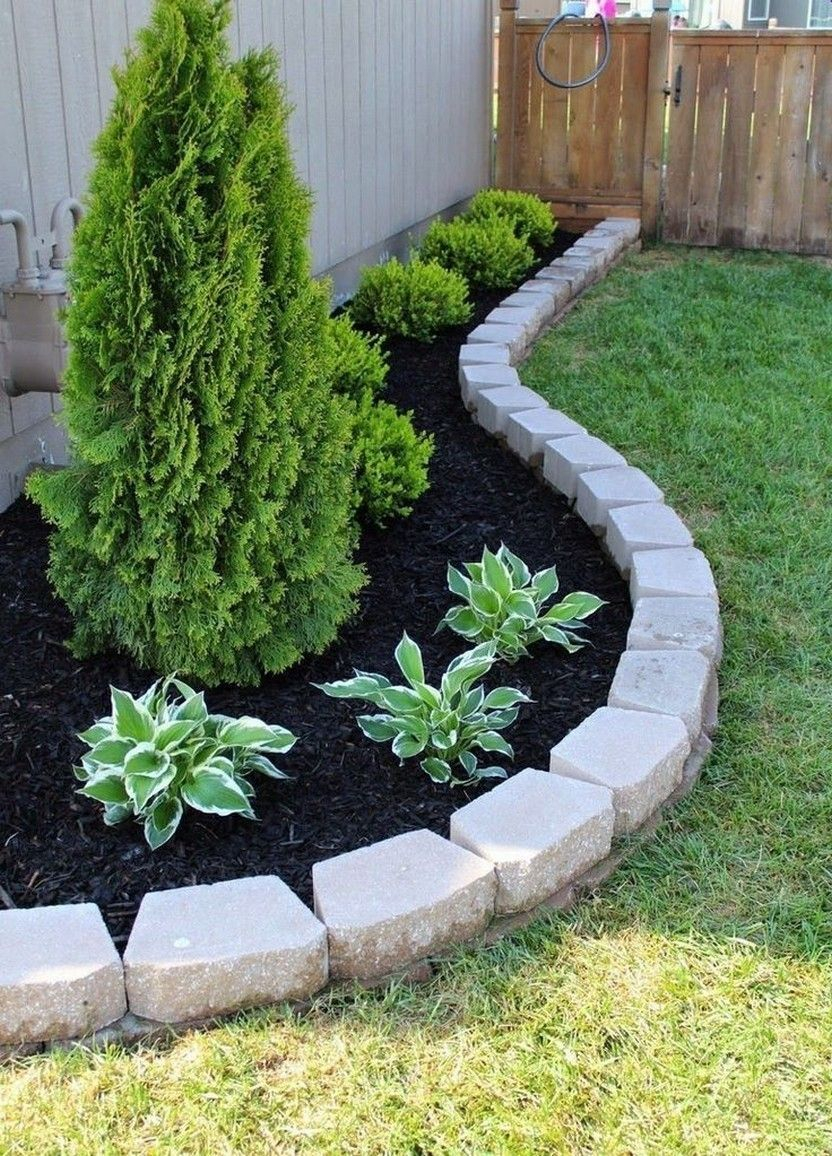
One of the biggest myths about gardening is that you need to buy everything new. Walk through any neighborhood on bulk trash day, and you’ll see gold. Old bricks, broken concrete chunks, discarded timber, and even rusty metal can become features. That pile of rocks your neighbor wanted gone? That’s your border edging. Those wooden pallets from the local grocery store? With a little sanding and sealing, they become vertical planters or rustic bench seating.
Scour online marketplaces like Freecycle or local community groups. People are often desperate to get rid of mulch, soil, or plants they’ve over-divided. In 2026, the culture of sharing and reusing is stronger than ever. Don’t be shy about asking. Most gardeners are thrilled to pass along extra hostas or daylilies because they know the joy of watching them grow elsewhere. This barter system builds community, too. You’re not just getting free stuff; you’re making connections.
When using found materials, safety is key. Check treated wood for chemicals before using it near edible plants. Clean bricks thoroughly to remove mortar that might alter soil pH. But don’t strive for perfection. A mismatched stone path has character. A bench made from reclaimed fence posts tells a story. These imperfections add warmth and history to your space, something you can’t buy at a big-box store. It makes your oasis feel unique to you.
Smart Plant Choices for Tight Wallets
Plants are the soul of your garden, but nursery prices can sting. The trick is to think small and slow. Buying a gallon-sized perennial is significantly cheaper than a five-gallon shrub, and often, the smaller plant establishes faster because it suffers less transplant shock. It takes patience, yes, but watching a tiny plug grow into a robust clump is deeply satisfying. It’s like raising a child, but with fewer tantrums.
Focus on native plants. They are adapted to your local climate, meaning they need less water, no fertilizer, and rarely get sick. In the long run, this saves you a bundle. Many native plant societies hold annual sales where members sell divisions from their own gardens at rock-bottom prices. Keep an eye on local botanical gardens or conservation districts for these events. They are treasure troves for budget-conscious gardeners.
Another pro tip: learn to divide. Many perennials like hostas, ornamental grasses, and coneflowers can be dug up, split in half (or quarters), and replanted. You essentially double or triple your stock for free. Do this in early spring or fall. Swap these divisions with friends. One person’s overgrown clump is another person’s new garden starter. This cycle of sharing keeps costs down and biodiversity up. It’s a simple way to fill space without filling your credit card bill.
DIY Hardscaping on a Dime
Hardscaping—paths, patios, walls—usually carries the heftiest price tag in landscaping. Labor and materials add up fast. But you can DIY these elements if you keep the design simple. Gravel paths are incredibly affordable and permeable, which helps with drainage. Use landscape fabric underneath to suppress weeds, then top with crushed stone. It looks clean, modern, and costs a fraction of pavers.
For seating areas, consider using large flat stones or leftover concrete slabs as a base. Top them with outdoor cushions made from recycled materials or sewn from durable drop cloths. You don’t need a formal patio to enjoy a cup of coffee outside. A simple circle of gravel with a fire pit made from a repurposed washing machine drum (yes, really) creates a cozy gathering spot. It’s functional, cheap, and surprisingly stylish.
Vertical space is your friend when floor space is limited or expensive to pave. Build a trellis from bamboo poles or fallen branches. Train climbing vines like clematis or jasmine up it. This adds height and privacy without building a fence. Paint old ladders and lean them against the wall to hold potted plants. These small touches draw the eye upward, making the space feel larger and more lush without requiring extensive groundwork. It’s about being clever, not wealthy.
Water Wisdom and Low-Tech Irrigation
Water is precious, and wasting it is both environmentally irresponsible and expensive. In 2026, smart watering isn’t a luxury; it’s a necessity. But you don’t need a high-tech system with sensors and apps. Start with the basics: mulch. A thick layer of organic mulch (shredded leaves, wood chips, straw) retains moisture, suppresses weeds, and breaks down to feed the soil. It’s the single most effective thing you can do to reduce watering needs. Aim for two to three inches deep.
Collect rainwater. Even if you can’t install a large cistern, a few rain barrels under your downspouts can capture hundreds of gallons during a storm. Use this water for your beds. It’s free, chlorine-free, and slightly acidic, which most plants love. If barrels are too pricey, look for second-hand food-grade drums. Just ensure they are cleaned properly. Every drop counts.
Group plants with similar water needs together. This is called hydro-zoning. Put thirsty plants near the house or water source, and drought-tolerant natives further away. This prevents you from overwatering the tough guys just to keep the divas alive. Hand-watering with a hose and a wand attachment is also more efficient than sprinklers, which lose so much to evaporation. It takes more time, sure, but it connects you to your garden. You notice problems earlier. You see the blooms open. It’s meditation, not chore.
Ambiance is what turns a yard into an oasis. But outdoor lighting kits are pricey. Instead, go for solar. Solar technology has improved drastically in recent years. You can find decent solar path lights and string lights for very little money. They aren’t as bright as hardwired LEDs, but they provide a soft, magical glow that’s perfect for evenings. Place them strategically to highlight textures or pathways.
Don’t overlook thrift stores and garage sales for decor. An old birdcage can become a hanging planter. A chipped ceramic bowl makes a charming birdbath. Mirror fragments glued to a fence can reflect light and greenery, creating an illusion of depth. These eclectic touches give your garden personality. It shouldn’t look like a catalog page; it should look like your page.
Finally, add sound and movement. Wind chimes made from silverware or keys add a gentle tinkling. Ornamental grasses sway in the breeze, creating visual rhythm. These elements cost nothing but add layers of sensory experience. They make the space feel alive. When you sit out at dusk, listening to the wind and watching the shadows lengthen, you’ll realize you didn’t need a fountain or a statue. You just needed to pay attention to what was already there.
Transforming your front lawn isn’t about achieving perfection. It’s about progress. It’s about taking small, manageable steps that align with your budget and your values. Start with one bed. Clear one patch of grass. Plant one native shrub. Watch what happens. Let the process unfold slowly. There is no rush. The garden will teach you patience if you let it.
Remember, the goal is joy, not judgment. Your neighbors might not understand why you replaced their pristine lawn with clover and rocks. That’s okay. You aren’t doing it for them. You’re doing it for yourself. For the bees. For the future. As you tweak and tune your space over the coming seasons, you’ll find it becomes a reflection of your care. And that is priceless.
So grab a shovel. Or don’t. Just start somewhere. Pull a weed. Plant a seed. Look up. Breathe. Your oasis is waiting, and it’s closer than you think. It’s right there, beneath the drab surface, waiting for you to say hello.