
Pull up to any suburban street, and the psychological contract of real estate happens in less than five seconds. Before a tire even stops rolling in the driveway, the brain has already categorized the property. We notice whether the grass looks like a velvet carpet or an abandoned pasture, whether the paint is peeling lazily from the eaves, and whether the front door invites you in or warns you to stay away. For decades, the knee-jerk reaction to a lackluster exterior has been a scorched-earth renovation policy: rip out the siding, tear down the porch, pour a massive new stamped concrete apron, or write a five-figure check to a landscape architect to bulldoze the front yard.
Yet, walk through neighborhoods where homes command top-tier appraisals and command instant buyer adoration, and you will notice a quiet rebellion against heavy construction. The magic rarely lives in a brand-new architectural facade or a mortgage-sized siding replacement. Instead, it hides in plain sight: the heavy, oil-rubbed bronze weight of a thumb-latch handleset; the crisp, geometric boundary where a freshly edged bed meets the turf; the intelligent placement of low-voltage brass path lights casting a 2700K warm glow against native switchgrass.
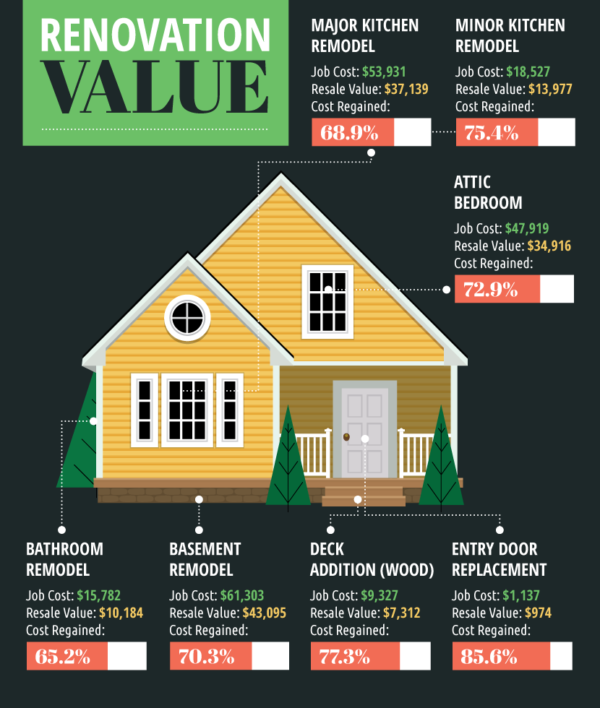
Market conditions heavily reward properties that look meticulously cared for rather than aggressively over-improved. When appraisers evaluate a home, they look for deferred maintenance versus pride of ownership. Spending forty thousand dollars on a sweeping portico addition rarely nets a dollar-for-dollar return in an appraisal, whereas a strategic, weekend-warrior transformation focused on high-touch points, color psychology, and clean lines can flip the narrative entirely. The secret of elite real estate stagers and seasoned inspectors is simple: structural transformations fix architectural mistakes, but smart details capture human emotion. And in the economy of first impressions, emotion dictates value.
To understand why micro-upgrades consistently outperform macro-renovations, one must look at how human sensory perception operates in the built environment. We are tactile and visual creatures. When a visitor approaches a front door, their hand reaches out to steady themselves on a railing or push open a portal. If that hardware is loose, chintzy, or coated in pitted, faded brass from the 1990s, the psychological impression plummets instantly—even if the roof overhead was replaced last Tuesday. The human brain uses micro-cues as a proxy for overall structural integrity. Conversely, when every tactile surface feels substantial, clean, and intentional, the subconscious assumption is that the entire mechanical and structural skeleton of the house has been pampered with equal diligence.
The Psychology of the Threshold: Why Tactile Elements Drive Perceived Value
The anatomy of a front entrance dictates the psychological trajectory of anyone approaching a home. Architectural theorists refer to this as the "compression and release" of spatial transition, but for the average homeowner, it is simply about how a threshold makes you feel. When a visitor walks up a path, their focus narrows to the immediate foreground: the texture of the doormat, the weight of the door handle, the clarity of the house numbers, and the ambient temperature of the exterior lighting. These elements represent the highest-frequency touchpoints on the entire property envelope, yet they are routinely ignored in favor of expensive siding packages that guests barely notice.
Upgrading these tactile features transforms a tired threshold into an expressive handshake. Consider the humble deadbolt and handleset. Swapping a hollow, lightweight brass lockset for a solid forged-brass or matte black stainless steel assembly changes the physical feedback of entry. It sounds solid; it feels heavy. When paired with oversized, clean-font house numbers mounted with standoffs to cast subtle shadows against the siding, the home suddenly projects a custom, architectural pedigree. These upgrades require neither architectural blueprints nor county permits, yet they instantly elevate the property above cookie-cutter neighbors.
Furthermore, the psychology of color plays an outsized role at the threshold. A front door is the singular focal point of a home’s front facade. Painting a dated oak door in a sophisticated, high-end hue—such as deep federal blue, charcoal, or a rich historical forest green—acts as an emotional anchor. It draws the eye naturally, creating a sense of visual hierarchy. By concentrating your budget and sweat equity on the three-foot radius surrounding the front entry, you create an optical illusion of a much larger, more expensive renovation project. The mind extrapolates the quality of the threshold across the rest of the exterior, assuming that if the details are this sharp, the hidden systems must be pristine.
Landscaping as Architecture: Shaping Space with Living Materials
The traditional approach to front yard landscaping often involves buying a truckload of generic shrubs from a big-box garden center, planting them in neat, rigid rows against the foundation like green soldiers, and drowning them in dyed red mulch. Within two years, those shrubs outgrow their spacing, block the windows, and require aggressive shearing that leaves them looking mangled. This is landscaping treated as a chore rather than a design medium. Smart curb appeal leverages living architecture—using native grasses, structural perennials, and layered textures to create year-round visual interest with a fraction of the maintenance.
The shift toward sustainable, low-maintenance landscapes has redefined modern property presentation. Current trends heavily favor native planting palettes that adapt effortlessly to local climate fluctuations, reducing irrigation demands while attracting vital pollinators. Rather than fighting nature with endless chemical treatments and weekly mowing of over-fertilized turf, smart homeowners use clean edging to frame naturalized beds. A deep, spade-trenched edge—the classic "English trench"—creates a razor-sharp shadow line between turf and mulch that instantly signals professional maintenance.
Layering is the secret weapon of high-end landscape design. By arranging plants in a staggered, staggered canopy—placing low-growing groundcovers like creeping thyme or native sedge at the front, mid-sized structural perennials like coneflowers or Russian sage in the middle, and architectural vertical accents like ornamental switchgrass or small-scale multi-stemmed trees (such as serviceberry or Japanese maple) in the rear—you build optical depth. This multi-tiered approach tricks the eye into perceiving a small suburban yard as a sprawling, meticulously curated estate garden. Best of all, once established, these native-heavy layouts require minimal watering and pruning, delivering exceptional aesthetic returns with drastically reduced long-term upkeep.
The Invisible Engine: Modernizing Exterior Lighting and Electrical Details
Nothing sabotages an otherwise charming home quite like neglected or aggressive exterior lighting. Harsh, bare-bulb floodlights mounted haphazardly under eaves make a house look less like a welcoming sanctuary and more like a high-security prison yard. Conversely, poor or missing lighting renders a home completely invisible during evening drive-bys, erasing its market presence the moment the sun dips below the horizon. The modern approach to exterior illumination is architectural, layered, and energy-efficient, relying on low-voltage systems and warm color temperatures to accentuate the best features of the facade.
Upgrading exterior sconces is one of the highest-yield weekend projects a homeowner can undertake. Standard-issue builder-grade coach lights often look undersized and dated. Replacing them with oversized, weather-rated fixtures in matte black, architectural bronze, or brushed nickel shifts the visual weight of the entryway. Crucially, the bulb matters just as much as the fixture. Swapping harsh, sterile blue-white LEDs for warm 2700K or 2400K vintage-style filament LEDs creates an inviting, golden glow that flatters brick, stone, and wood siding alike.
Beyond the front door, landscape lighting operates as the invisible engine of nighttime curb appeal. Installing simple, low-voltage LED path lights along walkways ensures safe passage while casting pools of soft light over perennial beds. Uplighting a mature tree trunk or a striking architectural column using narrow-beam bullet fixtures adds dramatic shadows and verticality that command attention from the street. Because modern LED landscape systems plug into simple transformers and can be operated via smart timers or astronomical clocks, achieving professional-grade nighttime ambiance no longer requires calling an expensive electrician.
Step-by-Step Implementation Guide for Maximum Weekend Impact
Transforming a home’s exterior without breaking the bank requires a disciplined, chronological approach. Jumping straight into planting flowers before cleaning the gutters or washing the siding is a recipe for wasted effort. By breaking the transformation down into logical phases, you ensure that every hour invested builds directly upon the last, maximizing both aesthetic impact and structural cleanliness.
- Step 1 (The Great Purge and Pressure Wash): Begin by clearing all clutter from the porch, removing old storm doors if they are dented or yellowed, and renting a gas pressure washer or using a high-pressure hose attachment to blast away years of accumulated pollen, spider webs, and road grime from siding, concrete walks, and foundation walls.
- Step 2 (Threshold and Hardware Overhaul): Focus intensely on the front entry zone. Sand and repaint the front door using a high-durability exterior enamel, replace worn locksets and hinges with solid metal hardware, and install a fresh, heavy-duty coir or rubber-backed doormat.
- Step 3 (Number, Sconce, and Accessory Refinement): Remove faded plastic house numbers and mount modern, high-contrast metal numbers with spacers. Swap out outdated coach lights for scaled-up, weather-rated sconces fitted with warm 2700K LED bulbs.
- Step 4 (Bed Shaping and Trenching Edging): Re-establish all garden bed boundaries by cutting a clean, two-inch-deep vertical trench along the grass line. This defines the landscape, prevents grass creeping, and eliminates the need for plastic edging borders that always pop up over time.
- Step 5 (Mulching and Plant Layering): Apply a uniform two-to-three-inch layer of dark, shredded hardwood or organic mulch across all beds to suppress weeds and retain moisture, then tuck in a few strategic flats of native perennials or ornamental grasses for instant seasonal color and texture.
Navigating Common Pitfalls and Practitioner Workarounds
Even with the best intentions, DIY exterior updates can occasionally backfire if executed without an eye for scale, material compatibility, or regional climate realities. Recognizing these common traps before you pick up a paintbrush or a shovel saves countless hours of frustration and prevents costly aesthetic missteps.
- Pitfall 1 (Undersized Hardware and Accessories): Homeowners frequently purchase house numbers, light fixtures, and doormats that are far too small for the scale of the house, making the entrance look pinched. Workaround: Follow the rule of thumb: house numbers should be a minimum of 5 to 6 inches tall for street visibility, and light fixtures should occupy roughly one-third of the height of the front door.
- Pitfall 2 (Over-Mulching and Volcano Mulching): Piling mounds of mulch directly against the trunks of trees and the stems of shrubs ("volcano mulching") traps moisture, rots the bark, and invites pests and fungal diseases. Workaround: Keep mulch pulled at least two to three inches away from plant stems and tree trunks, maintaining a donut shape rather than a volcano.
- Pitfall 3 (Ignoring Color Harmony with Fixed Elements): Painting a front door a trendy color that clashes violently with existing brick undertones, roof shingles, or stone veneers creates visual chaos. Workaround: Always test paint samples directly against your fixed architectural elements in natural light for 48 hours before committing to a full gallon.
- Pitfall 4 (Using High-Voltage, Glaring Floodlights): Blasting the entire front yard with blinding white spotlights destroys nighttime ambiance and creates harsh, unflattering shadows. Workaround: Stick to warm-toned (2700K) low-voltage path and uplighting fixtures with cowlings or shades that direct light downward and onto focal points rather than outward into neighbors’ windows.
- Pitfall 5 (Planting for Immediate Gratification Over Maturity): Over-crowding young plants so the bed looks instantly full results in tangled, suffocating root systems and overgrown foundation blockages within two seasons. Workaround: Research the mature spread of every plant on the tag and space them accordingly, utilizing temporary annuals to fill visual gaps while perennials grow into their permanent footprint.
The Economic and Environmental Logic of Low-Impact Maintenance
Shifting focus away from massive renovations toward smart, detailed upkeep is not merely an aesthetic choice; it is a sound financial strategy and an environmentally responsible stance. In an era where construction material costs fluctuate wildly and contractor availability remains unpredictable, relying on heavy remodeling carries immense financial friction. Every dumpster rental, permit fee, and structural change eats into the potential financial return of the property. Conversely, sweat-equity improvements focused on maintenance, planting native species, and refining details require minimal capital outlay while offering exceptional percentage returns upon resale.
From an ecological perspective, traditional manicured landscapes are massive resource hogs. Lawns requiring heavy synthetic nitrogen fertilizers, constant municipal water irrigation, and weekly gasoline-powered mowing contribute significantly to suburban carbon footprints and stormwater runoff pollution. Smart curb appeal leans heavily into sustainability. By prioritizing native grasses, drought-tolerant perennials, and efficient mulching techniques, homeowners drastically reduce their water consumption and chemical usage. This ecological mindfulness resonates deeply with modern buyers, who increasingly view sustainable, low-maintenance properties as a desirable luxury rather than a compromise.
Furthermore, community-wide property values operate on a feedback loop of deferred maintenance versus collective care. When one homeowner invests in sharp details—crisp edges, clean paint, thriving native beds, and warm lighting—it elevates the visual baseline of the entire street. Neighbors take notice, minor deferred maintenance gets addressed down the block, and the collective real estate valuation of the neighborhood rises. Smart curb appeal is therefore a community asset; it transforms individual effort into neighborhood wealth without the disruption, noise, and environmental waste of heavy construction.
Frameworks for Long-Term Exterior Resilience
Achieving a stunning exterior is only half the battle; maintaining that standard through changing seasons without turning your weekends into an endless series of grueling chores requires a systematic maintenance framework. The secret lies in seasonal micro-routines rather than overwhelming annual overhauls. By establishing a rhythm of proactive checks, you catch wear and tear before it metastasizes into expensive repairs.
- Spring Revival Framework: Clear out winter debris, cut back dead perennial foliage, refresh mulch depths where needed, test irrigation and low-voltage lighting transformers, and scrub the front entry threshold.
- Summer Maintenance Framework: Monitor native plant hydration during peak heat waves, perform light pruning on aggressive growers, keep garden bed edges sharp with a half-moon edger, and wipe down exterior light fixtures to remove cobwebs and dust.
- Autumn Preparation Framework: Plant spring-blooming bulbs (like daffodils and alliums) in perennial beds, clear fallen leaves promptly from gutters and garden soil to prevent matting, and apply a final coat of protective wax to metal hardware if needed.
- Winter Protection Framework: Drain and store garden hoses, insulate exterior hose bibs, inspect weatherstripping around the front door, and ensure path lights remain clear of heavy snow accumulation.
By organizing exterior care into these manageable seasonal buckets, the home remains in a state of perpetual readiness. You eliminate the frantic, last-minute scrambling that occurs when putting a home on the market or hosting family for the holidays. The property simply exists as a polished, welcoming extension of your living space year-round.
The enduring appeal of smart details over expensive renovations teaches us a profound lesson about how we inhabit and value our living spaces. We often fall into the trap of believing that quality requires consumption—that upgrading our homes demands writing large checks, tearing down walls, and introducing heavy industrial machinery into our quiet neighborhoods. Yet, the most resonant spaces are almost always those shaped by care, attention, and intentionality.
When you invest your time in sharpening an edge, selecting a rich color for a heavy wooden door, aligning warm pools of light along a garden path, or nurturing native plants that dance with the local breeze, you are doing something far more valuable than staging a house for a quick sale. You are forging a deeper connection with your environment. You are creating a daily ritual of arrival that signals safety, pride, and peace of mind every single time you return home.
As you step back to evaluate your own property’s exterior, resist the urge to draw up architectural plans or price out full-scale siding overhauls. Instead, walk down your sidewalk, touch your hardware, look at your lighting through the eyes of a stranger, and notice where the details are whispering for your attention. Answer those whispers with patience and craft. The rewards—both emotional and financial—will follow you home.