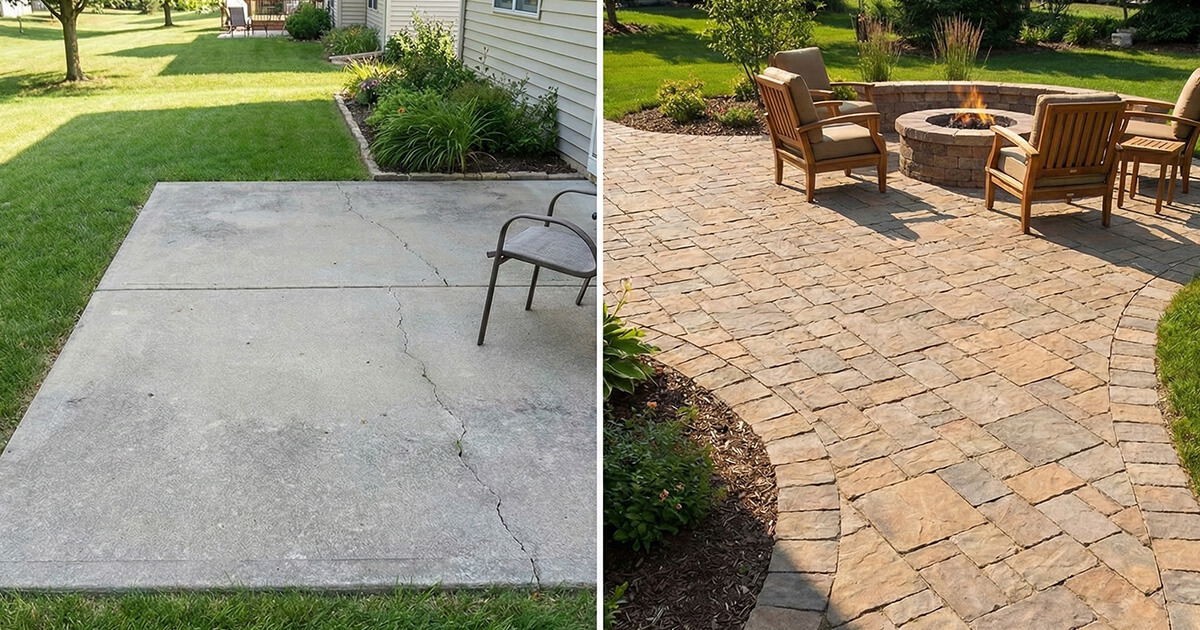

You’ve probably stood in your backyard, staring at that patch of mud or overgrown grass, dreaming of a place to sit with a cold drink after work. It’s a nice thought, right? But then the reality hits. You start wondering how much this dream is actually going to cost. Do you go cheap and fast with gravel? Or do you bite the bullet and pour concrete? It’s not just about the upfront price tag. It’s about what happens five years from now when weeds are poking through cracks or when you’re sweeping gravel out of your shoes for the hundredth time.
In 2026, material prices have shifted again. Labor isn’t getting any cheaper either. If you’re trying to decide between loose stone and a solid slab, you need more than just a per-square-foot quote. You need the whole story. We’re going to look at the real numbers, the hidden headaches, and the actual value each option brings to your home. No fluff. Just the facts you need to make a choice you won’t regret next summer.
The Upfront Hit: Initial Installation Costs
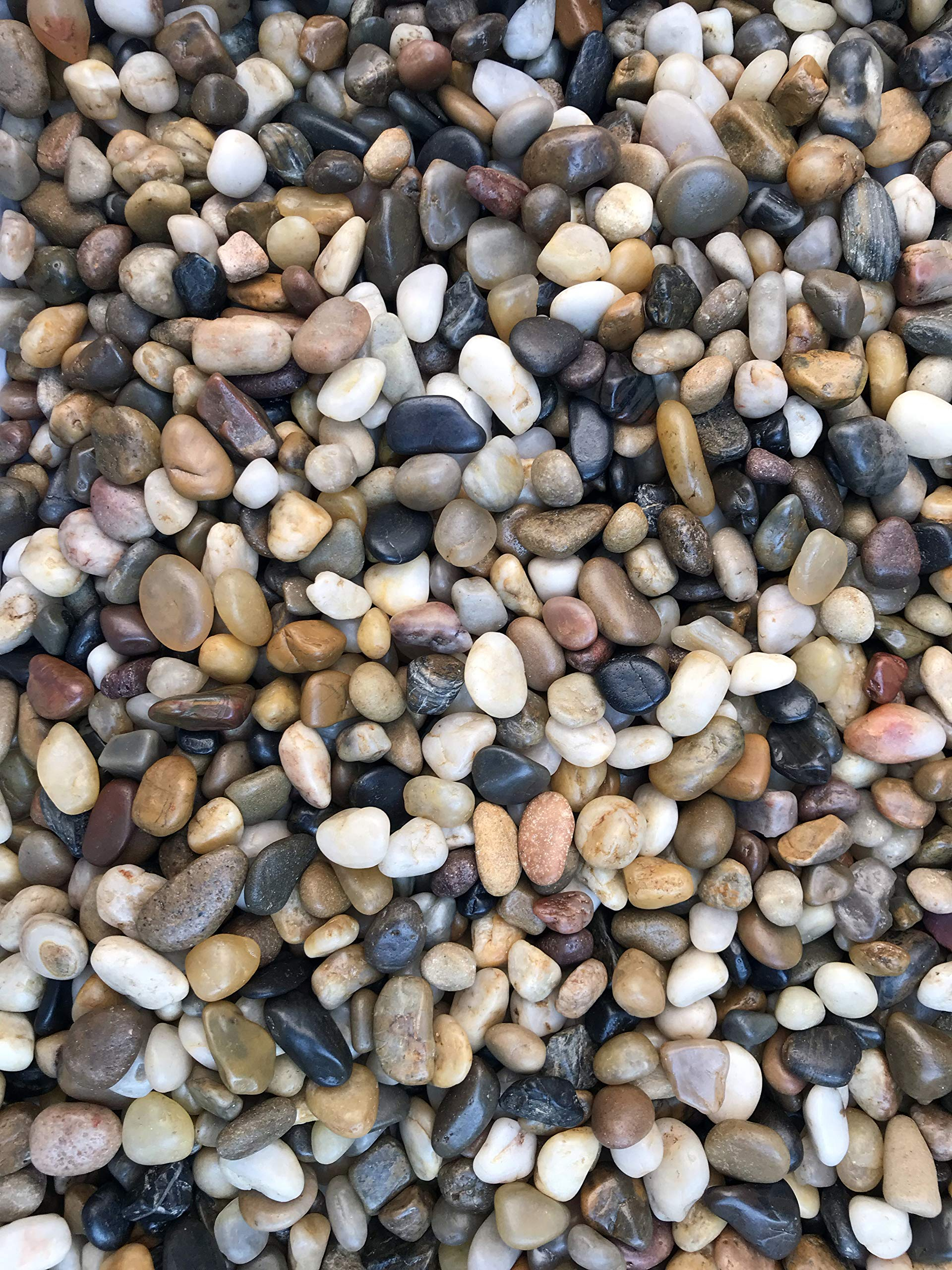
Let’s talk money. The first thing everyone asks is, “How much per square foot?” For a basic gravel patio, you’re looking at roughly $3 to $8 per square foot if you hire a pro. If you’re handy and decide to DIY it, you might get that down to $1 or $2 per square foot, mostly paying for the stone and some landscape fabric. It’s the budget king for a reason. You don’t need heavy machinery to lay it down, just some muscle and a rake.
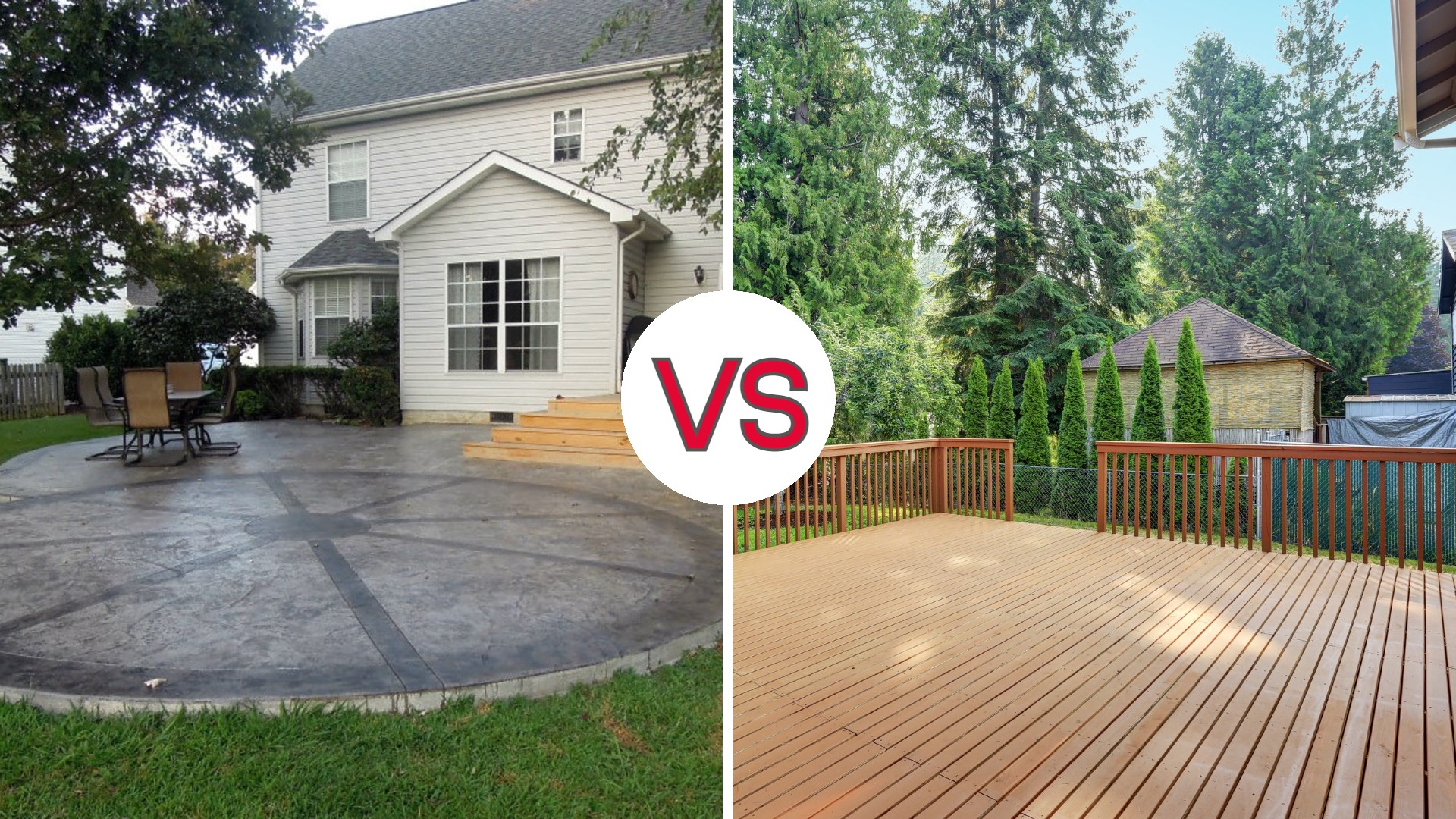
Concrete is a different beast entirely. In 2026, a standard poured concrete slab runs between $8 and $15 per square foot installed. That’s a big jump from gravel. Why? Because it’s labor-intensive. You need forms, rebar or wire mesh for strength, and a crew to pour and finish it before it sets. If you want it stamped or colored to look like stone, expect to pay $12 to $20+ per square foot. It’s an investment. You’re paying for permanence.
But here’s the catch with those low gravel numbers. They assume your ground is already flat and easy to work with. If you have a slope, poor drainage, or rocky soil, that $3 per square foot can quickly double. You’ll need extra fill dirt, more excavation, and possibly retaining walls. Concrete has similar site-prep needs, but because it’s a rigid structure, the base preparation has to be perfect. A bad base means cracked concrete. A bad base for gravel just means a few puddles. So, while gravel looks cheaper on paper, the site conditions matter a lot more than you’d think.
Hidden Costs: What They Don’t Tell You
Everyone forgets about the stuff that happens after the crew leaves. This is where the “cheap” option often gets expensive. With gravel, the biggest hidden cost is maintenance. You aren’t just setting it and forgetting it. Gravel shifts. It sinks. It gets kicked into the lawn. You’ll need to top it off with fresh stone every couple of years. That’s not free. A cubic yard of decent decorative gravel can cost $50 to $100, plus delivery. Over ten years, that adds up.
Then there’s the weed problem. Even with high-quality landscape fabric, weeds find a way. Pulling them out of gravel is tedious. Using herbicides costs money and time. And let’s be honest, gravel tracks. It ends up in your house, in your car, and in your dog’s fur. If you hate vacuuming, this is a hidden lifestyle cost you should consider. Some people buy special binders to lock gravel in place, but that pushes the cost closer to concrete anyway.
Concrete seems low-maintenance, but it’s not zero-maintenance. It needs sealing. If you don’t seal it every few years, it stains. Oil from your grill, wine from a party, or even leaves can leave marks that are hard to remove. Sealer costs about $0.50 to $1.00 per square foot every two to three years. Also, if it cracks—and it likely will, due to temperature changes or tree roots—repairing it isn’t cheap. Patching concrete is visible. It rarely looks as good as new. So, while you aren’t raking it, you are caring for it.
Long-Term Value: The 10-Year Cost Comparison
When you stretch the timeline out to a decade, the math changes. Backyardbases.com and other industry analysts point out that gravel might seem like the winner initially, but the cumulative cost of replenishment and labor (your time) narrows the gap. Over 10 years, a gravel patio might cost you an additional $500 to $1,000 in materials and upkeep, depending on the size and how much foot traffic it gets.
Concrete, on the other hand, has higher upfront costs but lower annual upkeep. Aside from occasional cleaning and resealing, it sits there. It doesn’t move. It doesn’t need refilling. If we look at the total cost of ownership over 10 years, concrete often becomes the more economical choice for homeowners who plan to stay in their home. The break-even point usually hits around year 7 or 8. Before that, gravel is cheaper. After that, concrete starts to pay for itself.
But value isn’t just about cash. It’s about resale. A well-installed concrete patio adds tangible value to your property. Appraisers and buyers see it as a finished, permanent improvement. Gravel? Not so much. Many buyers see gravel as a temporary solution or something they’ll have to replace. If you’re planning to sell in five years, concrete might give you a better return on investment. If you’re staying forever, the decision comes down to how much you value your weekends. Do you want to spend them maintaining your patio, or enjoying it?
Durability and Lifespan: Which Lasts Longer?
Let’s talk about toughness. Concrete is hard. Obviously. A properly poured slab can last 30 to 50 years. That’s a long time. But it’s brittle. If a large tree root grows underneath it, it will crack. If the ground freezes and thaws aggressively (hello, Midwest and Northeast), it can heave. These aren’t dealbreakers, but they are realities. You can’t fix a major structural crack easily. You usually have to live with it or replace the whole slab.
Gravel is forgiving. It moves with the ground. If the earth shifts, the gravel just settles. No cracks. No breaks. In that sense, it’s infinitely durable because it’s not a single solid unit. However, it degrades in a different way. The stones can crush under heavy furniture or constant foot traffic, turning into dust and mud. Edges erode. Without proper edging (which costs extra), your patio will slowly spread into your garden beds.
Weather plays a huge role too. In rainy climates, gravel drains beautifully. Water goes right through. Concrete, unless it’s sloped perfectly, can pool water. Puddles on concrete are annoying and can lead to slippery surfaces. But in snowy areas, shoveling snow off gravel is a nightmare. You’ll scoop up half your patio with the snow. Concrete is easy to shovel. You can even use a snowblower if you’re careful. So, your local climate should heavily influence which durability factor matters more to you.
Aesthetics and Usability: Living with Your Choice
How does it feel to use? This is subjective, but important. Concrete offers a clean, modern look. It’s stable. You can put a dining table on it, and it won’t wobble. Kids can ride bikes on it. It’s versatile. You can paint it, stamp it, or stain it to match your house. It feels like an extension of your indoor living space. It’s solid. Grounded.
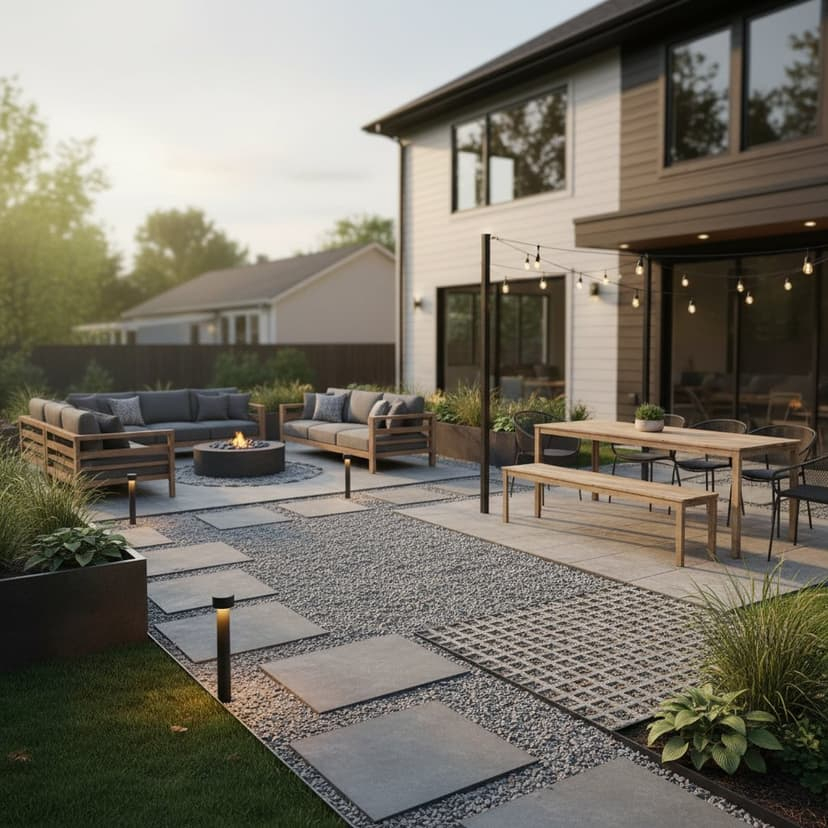
Gravel has a rustic, natural charm. It crunches underfoot. Some people love that sound; others find it irritating. It’s softer to walk on barefoot, which is nice. But try moving a chair across it. You can’t. You have to lift everything. Hosting a dinner party? Forget about high heels or delicate furniture legs. They’ll sink. Gravel patios are best for casual lounging, fire pits, and pathways. They aren’t great for formal dining or precise activities.
There’s also the visual drift. Gravel patios can look messy if not edged well. Stones migrate. Grass creeps in. It requires a certain tolerance for imperfection. Concrete stays crisp. It defines the space clearly. If you’re a neat freak, gravel might drive you crazy. If you prefer a relaxed, garden-like vibe, concrete might feel too sterile or industrial. Think about how you actually live. Do you host big dinners? Go concrete. Do you just want a spot to read a book by the fire? Gravel might be perfect.
DIY Potential: Can You Save Money Doing It Yourself?
If you’re handy, you can save a ton on gravel. It’s one of the most DIY-friendly projects out there. You rent a compactor, lay down fabric, spread the stone, and rake it level. It’s hard work, but it doesn’t require specialized skills. Most homeowners can tackle a small to medium gravel patio in a weekend or two. The risk of messing up is low. If it’s uneven, you just rake it again.
Concrete is not a beginner DIY project. Sure, you can mix bags of concrete for a tiny pad, but a full-sized patio? That’s risky. Pouring requires timing. If it rains while you’re finishing, you’re ruined. If you don’t get the slope right, water pools. If you don’t reinforce it properly, it cracks in a year. Professional concrete crews have experience, tools, and insurance. One mistake can cost thousands to fix. Most experts strongly advise against DIYing a large concrete slab unless you have prior experience.
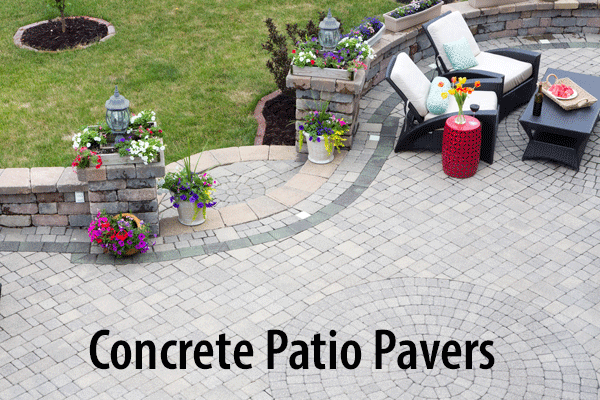
So, if budget is your main constraint and you have strong friends willing to help, gravel is the way to go. You keep the labor cost in your pocket. If you want concrete but can’t afford pro prices, consider a compromise: concrete pavers. They’re easier to install than poured concrete (no wet mixing) and offer a similar look. But for pure poured concrete, hiring out is usually the smarter financial move in the long run, avoiding costly repairs from amateur errors.
Choosing between gravel and concrete isn’t just about picking the cheaper option. It’s about matching the material to your life. If you’re on a tight budget right now, gravel gets you a usable space immediately. It’s flexible, drains well, and you can always upgrade later. But be ready for the upkeep. Accept that you’ll be raking and refilling. Embrace the rustic look.
If you can stretch your budget, concrete offers stability and longevity. It’s a one-and-done project that adds value to your home. It’s easier to keep clean and better for entertaining. But you pay for that convenience upfront. And you’ll need to seal it occasionally. There’s no perfect choice, only the right choice for your specific situation.
Take a look at your backyard. Think about how you use it. Talk to your family. Do they want a smooth surface for basketball, or a cozy fire pit area? Once you align the cost with your lifestyle, the decision becomes much clearer. Don’t just look at the price per square foot. Look at the price per year of enjoyment. That’s the number that really matters.