
The roar of the Saturday morning lawnmower has become an inescapable urban and suburban soundtrack. For generations, the American dream has worn the uniform of a manicured, emerald-green turfgrass monoculture—a thirsty, labor-intensive carpet requiring relentless applications of synthetic fertilizers, chemical herbicides, and thousands of gallons of municipal water. Yet, beneath the hum of two-stroke engines and the scent of freshly chopped blades lies a quiet ecological fatigue. Homeowners are increasingly looking out across their uniform yards and asking if there is a better, more alive way to inhabit their outdoor spaces.
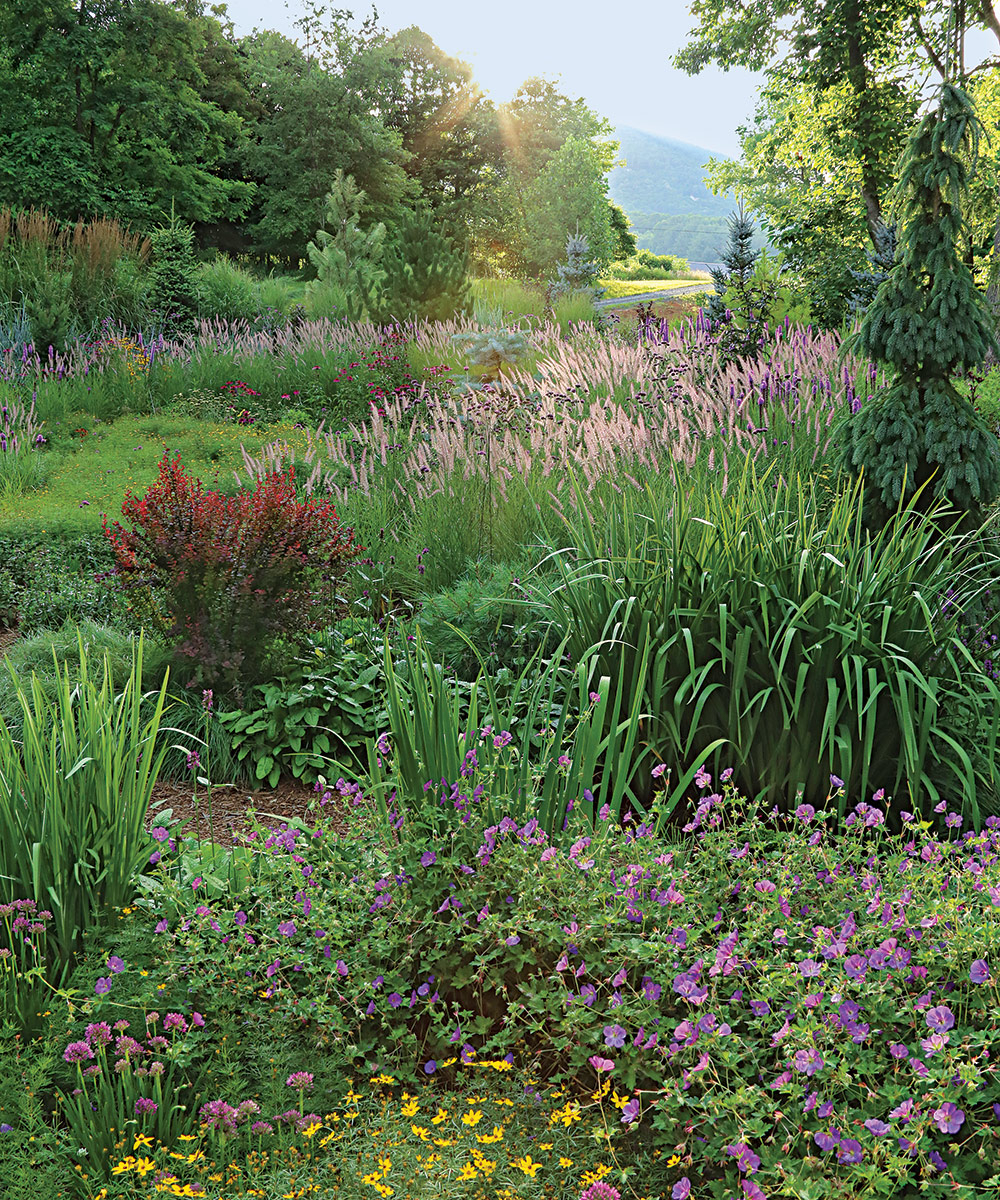
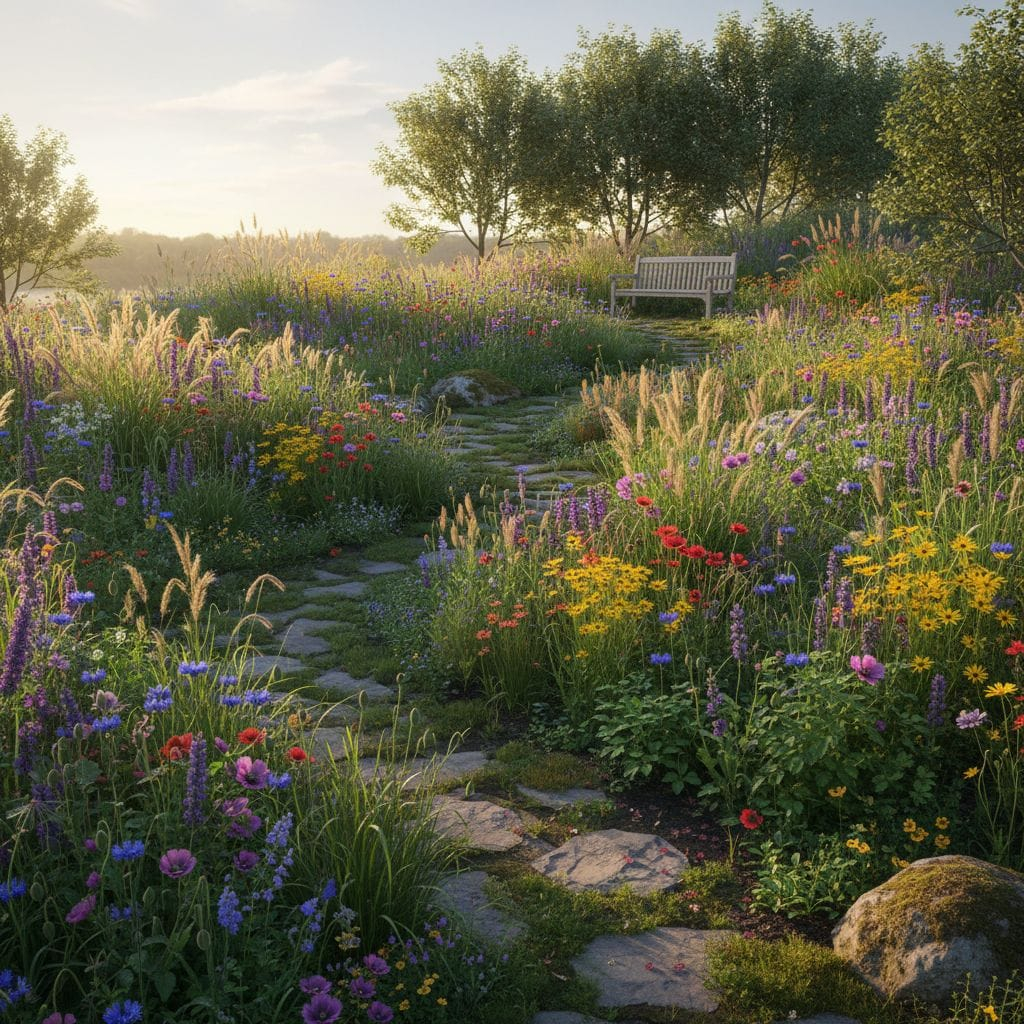
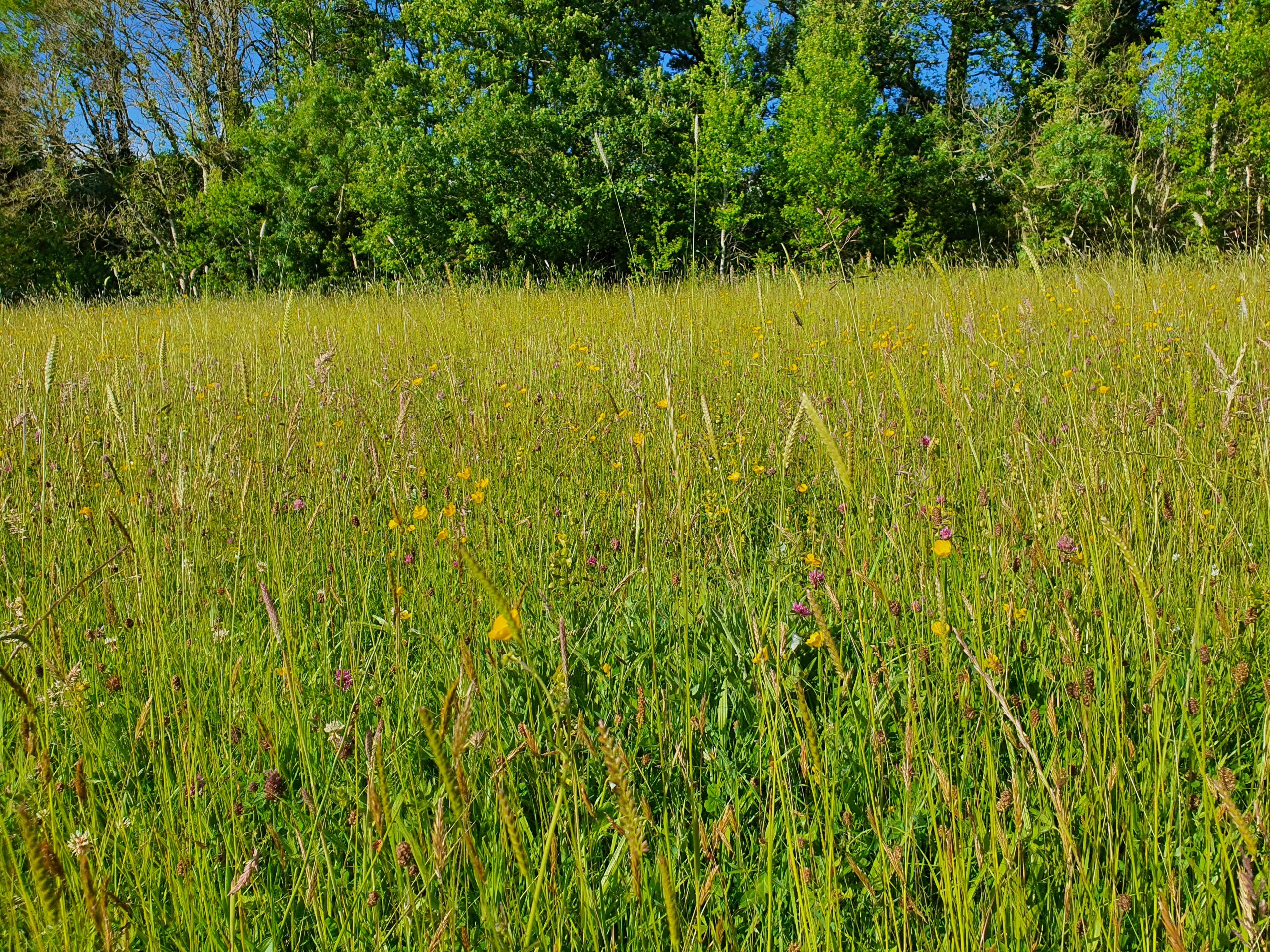
Enter the backyard wildflower meadow. Transforming a sterile turf lawn into an undulating sea of native perennials, wild grasses, and nectar-rich blooms is more than an aesthetic pivot; it is a profound reclamation of local ecology. As urban sprawl continues to fragment natural habitats, residential backyards represent a massive, interconnected network of potential sanctuaries. When you trade Kentucky bluegrass for coneflowers, black-eyed Susans, and native milkweeds, you are not just saving yourself hours of weekend yard work. You are engineering a biological rescue station for declining pollinators, rebuilding the soil sponge beneath your feet, and anchoring a dynamic, self-sustaining ecosystem right outside your back door.
The shift from turf to meadow, however, is not as simple as throwing a bag of mixed seeds onto the grass and waiting for a miracle. Traditional turfgrass is a pugnacious competitor, evolutionarily wired to choke out interlopers. Success demands an understanding of botany, soil science, and strategic patience. By approaching this transformation with the eye of a restoration ecologist rather than a weekend hobbyist, you can bypass the common traps of weed infestations and patchy growth, turning your yard into a resilient, jaw-dropping natural landscape that evolves with every changing season.
Deconstructing the Turfgrass Monoculture and Understanding Meadow Ecology
To successfully dismantle a traditional lawn, you first have to understand why it is so remarkably resilient and why it resists change. Turfgrass species like Kentucky bluegrass, tall fescue, and Bermuda grass are the ultimate botanical bullies. They develop dense, subterranean mats of roots and rhizomes that lock up soil nutrients and block sunlight from reaching anything trying to sprout underneath. Furthermore, centuries of standard suburban development have stripped native topsoils, compacted the earth beneath heavy machinery, and left behind nutrient-rich, weed-friendly matrices that favor invasive annuals over delicate native wildflowers.
A true meadow operates on an entirely different physiological logic. Natural meadows are characterized by low soil fertility, high plant diversity, and deep-rooted perennials that create vertical structural layers. While turfgrass roots rarely venture deeper than two to four inches, native meadow plants like switchgrass, purple prairie clover, and wild bergamot drive roots down three to ten feet into the earth. This subterranean architecture opens compacted subsoils, allows rainwater to infiltrate deeply rather than running off into storm drains, and locks away atmospheric carbon in stable organic compounds.
When you convert a lawn, you are effectively shifting the ecological succession of your land backward and then guiding it forward along a healthier trajectory. You are starving out the high-nitrogen-loving turfgrass by lowering soil fertility, disrupting the shallow root mats, and introducing a balanced cocktail of seeds that have co-evolved with your local climate, pollinators, and weather extremes. This transition replaces a thirsty, lifeless green desert with a vibrant, self-reliant habitat that changes its color palette from week to week as different species cycle through their blooming periods.
Why Spring is the Ideal Season for Your Meadow Installation
Timing is everything in horticulture, and spring serves as the critical operational window for launching a meadow conversion. As winter thaws and soil temperatures begin to consistently hover around 50 to 60 degrees Fahrenheit, the natural world wakes up with an aggressive push for growth. By aligning your site preparation and seeding efforts with this natural biological awakening, you harness the momentum of the season to give your native seeds the competitive edge they need.
Spring sowing benefits from predictable seasonal moisture patterns in many regions. Spring rains provide the steady, gentle hydration required for tiny wildflower seeds to imbibe water, crack their seed coats, and push their first radical roots downward. Unlike fall plantings—which run the risk of seeds washing away during heavy winter downpours or being consumed by hungry overwintering birds—spring plantings let you actively manage weed competition as it emerges from the soil. You can catch invasive weed seeds right as they germinate, wiping out the competition before your slower-growing native perennials even break the surface.
There is also a psychological and experiential advantage to spring installations. Watching a barren or herbicide-treated patch of earth transform into a green haze of emerging seedlings, followed by the rapid ascent of summer blooms, provides immediate positive feedback. You get to witness the full seasonal arc of your new ecosystem in real time. Annual nurse plants included in your custom seed mix will often flower within weeks of spring germination, providing instant color and drawing in early-season pollinators while your deep-rooted perennial species quietly build their foundational root systems below ground.
Step-by-Step Methodology for Converting Your Lawn to a Wildflower Meadow
Executing a successful meadow conversion requires disciplined execution across several distinct phases. Whether you choose a traditional sod-removal approach, a sheet-mulching technique, or a solarization method, meticulous preparation determines whether your meadow thrives or gets overrun by crabgrass and thistle.
- Step 1 (Site Assessment and Soil Testing): Before touching a shovel or buying a single seed, evaluate your backyard’s sunlight exposure and test your soil composition. Most meadows require full sun—at least six to eight hours of direct daily sunlight. Send a core soil sample to your local university extension office to check pH levels, texture, and nutrient content, which will dictate your custom native seed selection.
- Step 2 (Extermination of Existing Turfgrass): Eradicate the existing turf completely. You can strip the sod mechanically with a sod cutter, smother the grass using layers of corrugated cardboard and organic compost via the no-dig sheet-mulching method, or kill it using clear plastic solarization over the hot summer months prior to spring sowing. Leaving even ten percent of the original turfgrass alive will compromise the entire project.
- Step 3 (Custom Seed Selection and Sourcing): Source a regionally native seed mix from a reputable, specialized native plant nursery rather than generic big-box store "wildflower" packets, which often contain non-native annuals or invasive species. Aim for a balanced ratio of roughly 60 to 70 percent native grasses to 30 or 40 percent native wildflowers; grasses provide the structural backbone and prevent soil erosion.
- Step 4 (Seed-to-Soil Contact and Sowing): Lightly rake or scarify the prepared soil surface to create micro-grooves no deeper than a quarter-inch. Mix your native seeds with an inert carrier like damp sand, kitty litter, or sawdust to ensure even distribution, then broadcast them by hand or with a mechanical spreader. Roll or tamp the area firmly to ensure intimate seed-to-soil contact without burying the seeds too deep, as many native species require light to germinate.
- Step 5 (Establishment Maintenance and Mowing): Water the seeded area lightly and frequently during the first four to six weeks to keep the seedbed moist. During the first growing season, mow the meadow down to a height of four to six inches whenever weeds or fast-growing annual weeds reach 12 inches tall; this "mow-high" technique suppresses weeds while allowing low-growing native seedlings to receive vital sunlight.
Navigating Common Pitfalls and Field-Tested Workarounds
Transforming a turf lawn is a multi-year ecological restoration project, and setbacks are bound to test your resolve. The most common psychological hurdle for homeowners is the "ugly phase"—that awkward period during the first and second years when the yard looks less like a picturesque cottage garden and more like an unmanaged, weed-strewn vacant lot. Knowing how to troubleshoot these inevitable challenges separates successful meadow keepers from frustrated quitters.
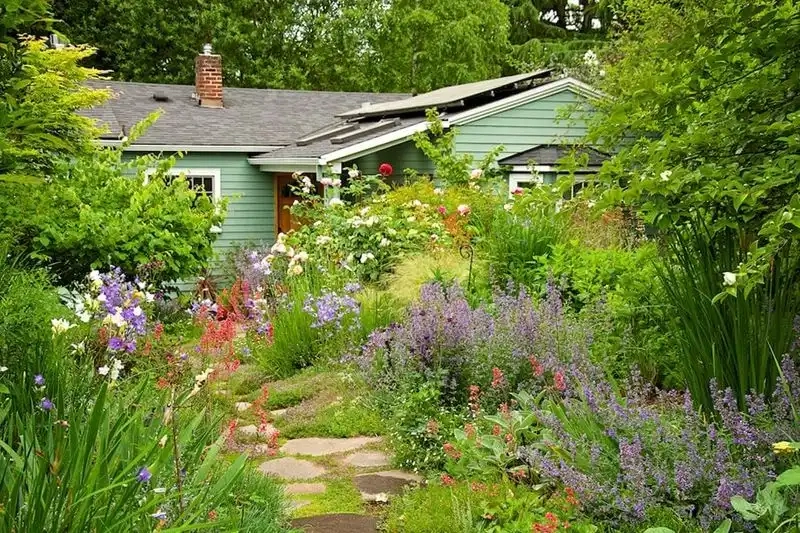
- Pitfall 1 (The Ugly First-Year Appearance): Panic sets in when perennial seedlings focus entirely on root growth while unsightly annual weeds dominate the surface. Workaround: Embrace intentional design cues by mowing crisp edges along the perimeter of the meadow, installing a split-rail fence, or placing a cleanly cut mulch pathway through the center. These human-made indicators signal to neighbors that the wildness is a deliberate design choice rather than neglect.
- Pitfall 2 (Invasive Weed Takeover): Aggressive weeds like Canada thistle, dandelion, and quackgrass infiltrate the bare soil before native plants establish dominance. Workaround: Hand-pull persistent biennial and perennial weeds before they set seed, and rely on strategic high-mowing during the first summer to decapitate tall broadleaf weeds without harming emerging rosette-forming native wildflowers.
- Pitfall 3 (Improper Seed Burial): Raking seeds deeply into the soil results in zero germination because many native wildflower seeds are photoblastic—they need exposure to sunlight to trigger growth. Workaround: Never bury native seeds deeper than 1/8 to 1/4 inch; broadcast them over a firm seedbed and simply press them down using a lawn roller or pedestrian foot traffic.
- Pitfall 4 (Nutrient-Rich Soil Backfiring): Rich, highly fertile garden soil causes fast-growing weeds to outcompete slow-starting native perennials. Workaround: Do not add fertilizers, compost, or rich topsoil to a meadow conversion site. Native meadow plants evolved in lean, unamended soils and actually prefer poor growing conditions that disadvantage nutrient-hogging weeds.
- Pitfall 5 (Pollinator and Wildlife Grazing Pressure): Local herbivores like rabbits and deer can devastate young, tender native shoots before they have a chance to establish woody stems. Workaround: Temporarily fence off sections of the meadow with chicken wire or biodegradable netting during the first spring, or incorporate unpalatable native aromatic herbs like mountain mint and wild bergamot into your seed mix.
The Long-Term Evolution, Maintenance, and Ecological Rewards
As your meadow transitions past its awkward adolescence into its third and fourth years, the character of the landscape shifts dramatically. The deep-rooted perennial grasses and robust wildflowers establish deep dominance, crowding out opportunistic weeds and creating a dense, self-regulating plant community. You will notice a profound change in the micro-fauna of your backyard. Native bees, bumblebees, syrphid flies, butterflies, and predatory insects arrive in waves, turning your yard into a bustling epicenter of local biodiversity.
Maintenance shifts from weekly lawn mowing to annual or biennial management. Instead of spending your weekends pushing a mower, sweating behind a weed trimmer, and applying chemical treatments, your primary maintenance task becomes a single annual haircut. In late winter or early spring—just before new green shoots emerge—you mow the entire meadow down to a height of four to six inches and leave the clippings in place to decompose, or use a controlled burn if local ordinances allow. This mimics natural grazing and fire cycles, clearing away dead thatch and allowing sunlight to jumpstart the new season’s growth.
Beyond the time and financial savings of ditching the turf lawn, the environmental dividends are immense. Your yard becomes a sponge that captures and filters stormwater runoff, recharging local groundwater tables rather than overwhelming municipal sewer systems. Furthermore, the diverse root systems sequester substantial amounts of carbon, transforming a carbon-emitting lawnmower-dependent zone into a localized carbon sink. You are participating in a quiet regenerative revolution that reclaims suburban real estate for the natural world.
Practical Frameworks for Integrating a Meadow Into Modern Suburbia
Successfully introducing a wildflower meadow into a residential neighborhood requires balancing wild ecological function with social aesthetics and community norms. While an untamed five-acre prairie works effortlessly in a rural setting, a suburban backyard requires deliberate design framing to ensure it looks purposeful, maintained, and harmonious within its built environment.
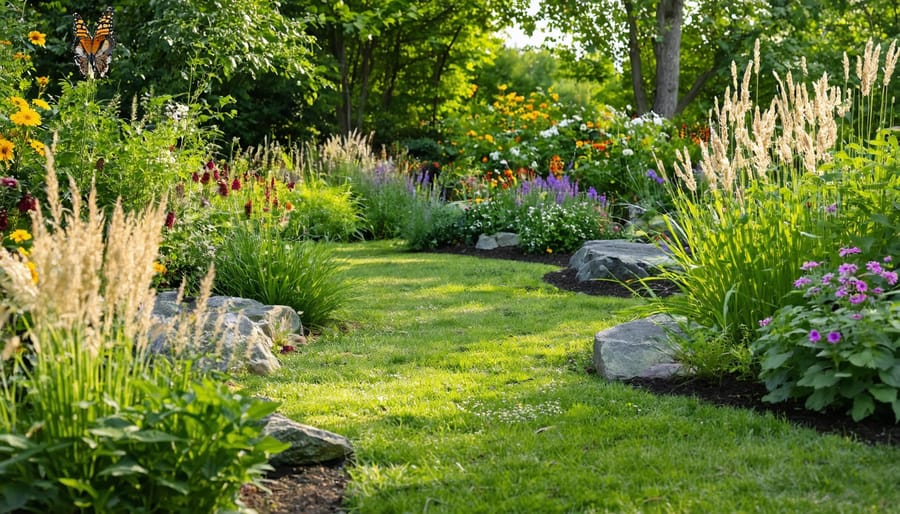
- Frame the Wilds with Borders: Create a clean visual contrast by planting a manicured turfgrass border, installing low stone walls, or laying down a woodchip pathway around the edge of the meadow. This clear boundary tells the human eye that the wild interior is a curated design choice rather than an abandoned lawn.
- Incorporate Structural Anchors: Mix tall, architectural native shrubs or ornamental grasses—such as little bluestem, purple coneflower, or switchgrass—into the meadow to provide visual interest and vertical structure even when the seasonal blooms fade in late autumn.
- Design for Year-Round Interest: Select a diverse mix of native species that bloom sequentially from early spring through late autumn, followed by seed heads that provide essential winter food for resident birds and architectural snow-catching silhouettes during cold months.
- Communicate with Neighbors: Share the ecological mission of your meadow with curious neighbors, explaining how it supports declining honeybees, monarch butterflies, and reduces chemical runoff into local watersheds, turning potential skepticism into local environmental enthusiasm.
Transforming your backyard lawn into a thriving wildflower meadow is an act of ecological optimism. It requires stepping away from the cultural conditioning that equates bare green turf with civic pride, choosing instead to measure the health of your land by the number of bumblebees buzzing through the goldenrod and the depth of the roots anchoring your soil. It is an investment in patience, yielding rewards that compound season after season as your landscape matures into a resilient, self-sustaining ecosystem.
This spring offers the perfect blank canvas to begin that transformation. By respecting the biological requirements of native plants, preparing your soil with methodical care, and embracing the wild beauty of natural succession, you can replace the hum of the mower with the chorus of pollinators. Your backyard will cease to be a maintenance chore and become a living, breathing sanctuary that heals the earth one square foot at a time.