
You know that feeling. You step out onto your patio with a cup of coffee, ready for a quiet moment, and then—honk. A delivery truck. Then the low, constant hum of the highway nearby. It’s exhausting, isn’t it? For years, we’ve tried building higher fences or planting thicker hedges, but sound is tricky. It leaks. It bounces. But lately, there’s been a shift in how we’re tackling this urban din. We aren’t just trying to block it anymore. We’re drowning it out.
In 2026, the approach to backyard tranquility has evolved. It’s less about building walls and more about curating sound. The secret weapon? Water. Not just any trickle, but strategically positioned, purposeful water features designed to mask the jagged, irregular noises of city life with something our brains find inherently calming. It’s not magic, though it feels like it. It’s acoustics, psychology, and a bit of garden design smarts all rolled into one. Let’s dive into how you can turn your noisy street-side yard into a serene retreat.
The Science Behind the Splash
So, why does water work when a brick wall sometimes doesn’t? It comes down to a concept called "acoustic masking." Unlike physical barriers that try to stop sound waves (which is really hard to do completely without massive structures), water features flood your space with a consistent, soothing frequency. Research published in recent studies highlights that the continuous nature of flowing water is particularly effective at covering up those jarring, unpredictable sounds of traffic and construction.
Think of it like this. Traffic noise is erratic. A car passes, then silence, then another car, then a siren. Your brain is constantly on alert, processing these sudden changes. Water, on the other hand, provides a steady "white noise" or "pink noise" blanket. It’s predictable. It’s smooth. When you introduce a steady stream of water sound, it raises the ambient noise floor just enough that the sharp peaks of traffic noise blend into the background. They don’t disappear, but they lose their power to startle or annoy you.
It’s also about frequency. The sound of running water often shares similar frequencies with road noise, which allows it to effectively compete for your ear’s attention. But because water sounds are perceived as natural and relaxing, your brain chooses to focus on them instead of the stress-inducing traffic. It’s a psychological trick as much as a physical one. You aren’t just hearing less noise; you’re feeling less stressed by the noise that’s still there.
Choosing the Right Type of Flow
Not all water sounds are created equal. If you’re dealing with heavy street noise, a gentle bubbling brook might not cut it. You need volume, but you also need the right kind of volume. In 2026, the trend is moving toward "loud" fountains specifically designed for noise masking. These aren’t the silent, meditative spheres you might see in a spa. These are robust, cascading tiers or high-pressure jets that create a significant auditory presence.
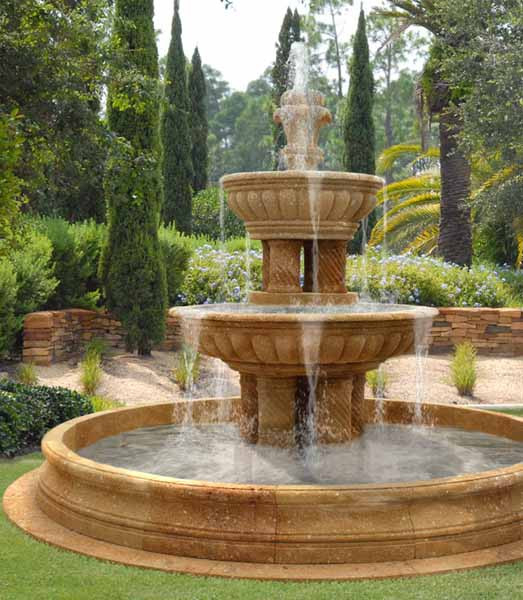
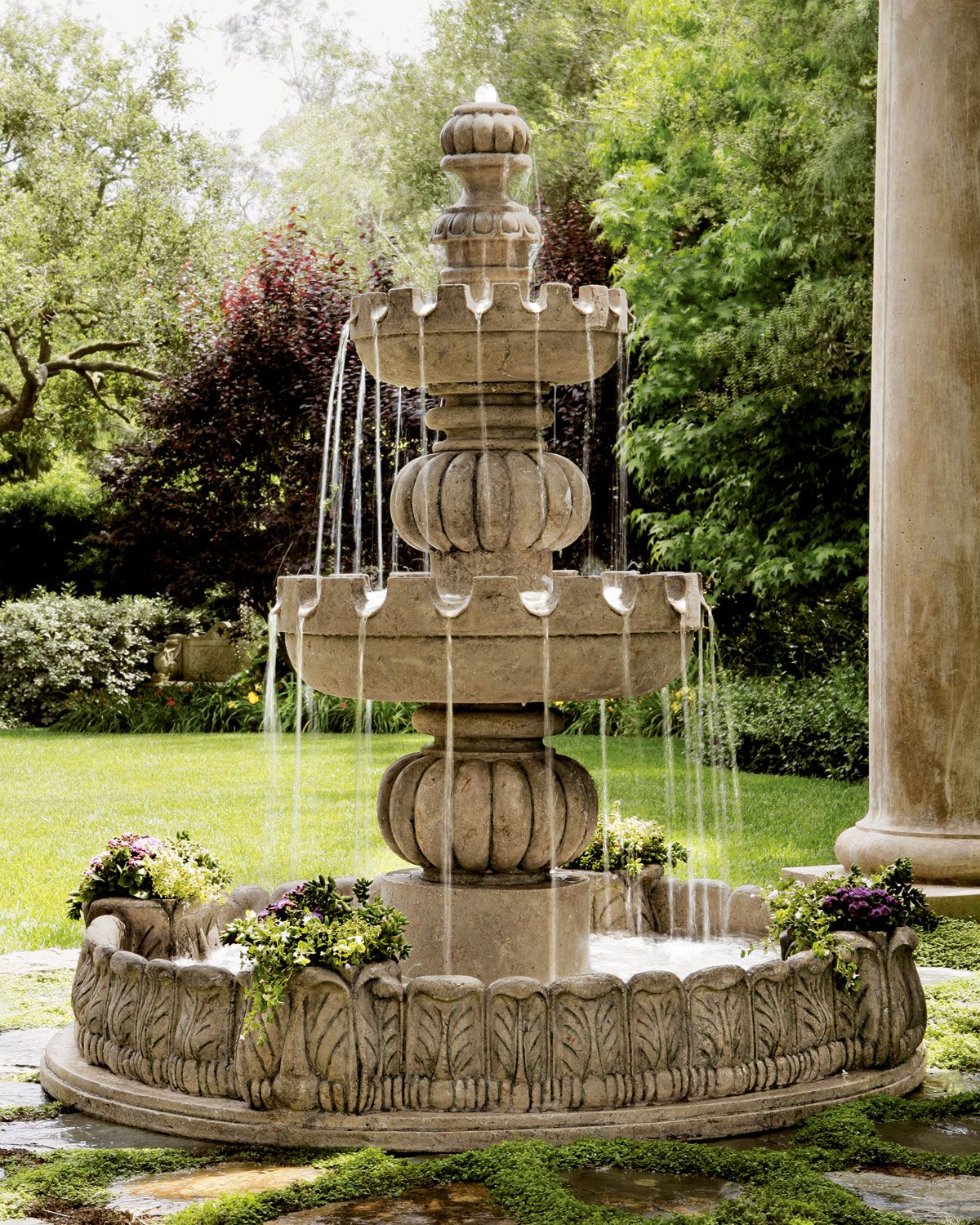
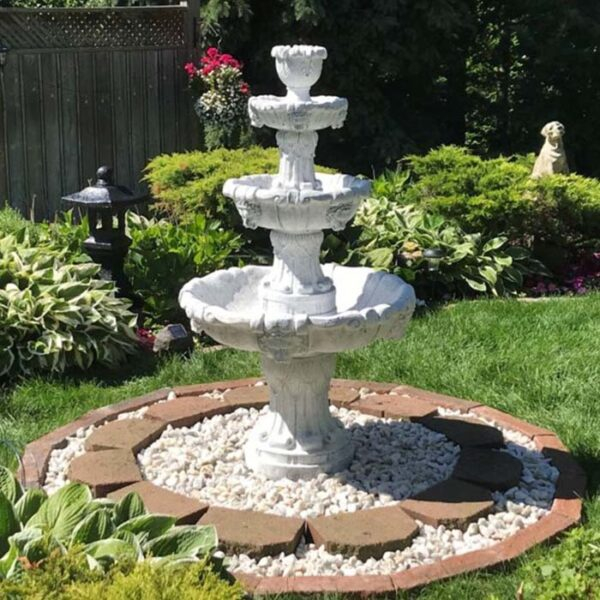
Tiered fountains are a classic choice for a reason. As water crashes from one level to the next, it creates a layered sound profile. The impact of the water hitting the lower basins generates a deeper, broader tone that can travel further and mask lower-frequency rumbles from trucks or buses. On the other hand, jet fountains or wall-mounted waterfalls can produce a sharper, higher-pitched hiss or splash. This is great for masking higher-frequency noises like tire whine or distant sirens.
When selecting your feature, consider the "throw" of the sound. A fountain placed in the center of a small patio will sound different than one tucked against a back wall. The goal is to create a sound field that covers the area where you spend the most time. Don’t be afraid to go bigger than you think. Many homeowners regret buying a feature that’s too quiet. If your main goal is noise reduction, prioritize models known for their acoustic output. Look for descriptions that mention "cascading," "splashing," or "high-volume" flow.
Strategic Placement Is Everything
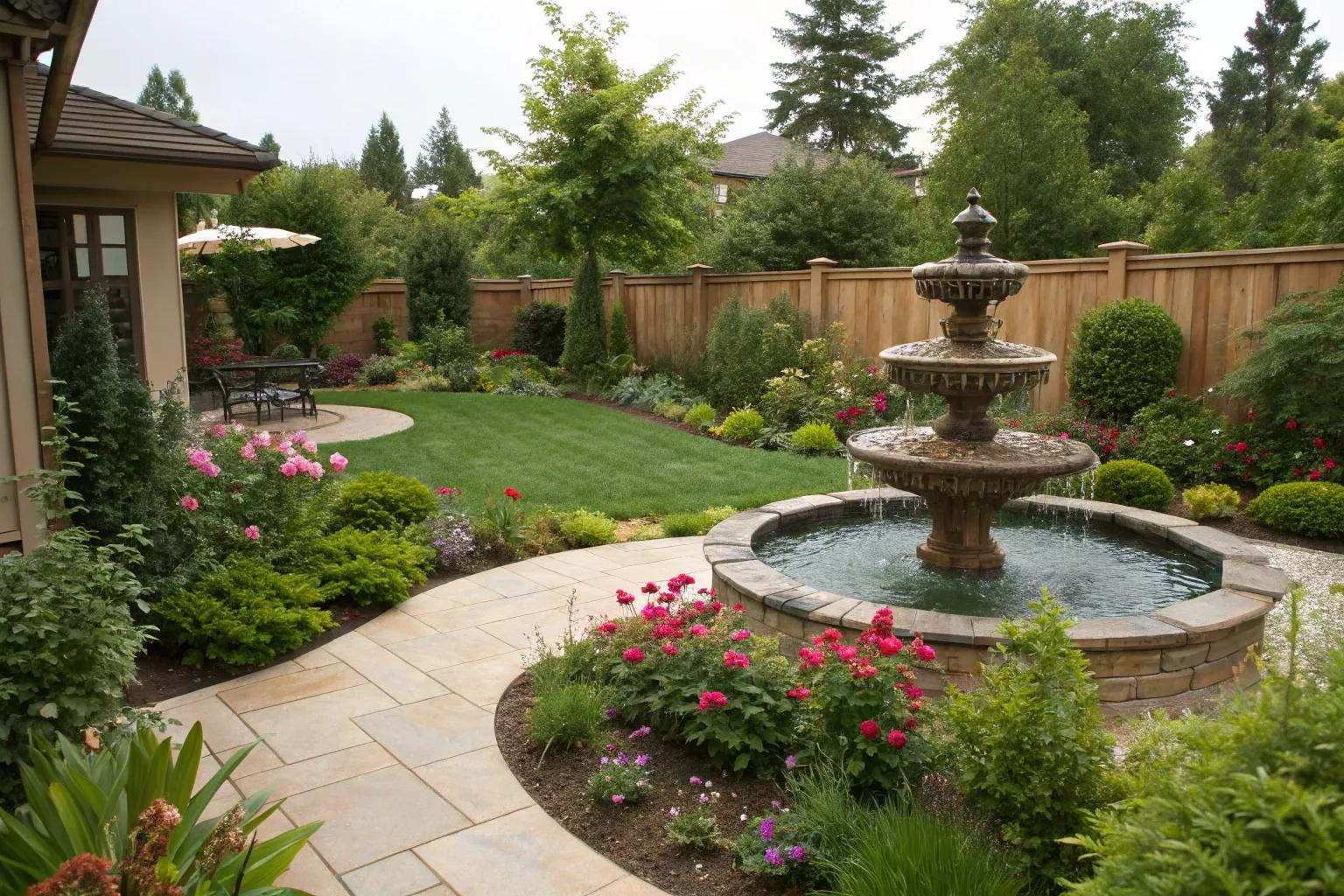
You can have the loudest fountain in the world, but if you put it in the wrong spot, it won’t do you much good. Placement is arguably the most critical factor in successful noise masking. The general rule of thumb? Put the water feature between you and the noise source. If the street is to the north of your yard, place the fountain on the north side. This creates a sonic barrier that intercepts the traffic noise before it reaches your ears.
However, it’s not just about line-of-sight. Sound reflects off hard surfaces. If you place a fountain against a solid brick wall, the sound will bounce back into your yard, amplifying the masking effect. This is a handy trick for smaller spaces. By using existing structures like fences, trellises, or even the side of your house, you can boost the perceived volume of the water without needing a larger pump. Just be mindful of neighbors—you want to create privacy for yourself, not a nuisance for the person next door.
Another key consideration is elevation. Sound travels differently depending on height. If you’re on a second-story balcony, a ground-level fountain might not be effective. In these cases, wall-mounted water features or elevated tiered fountains can bring the sound source closer to your ear level. Conversely, if you’re in a sunken patio, a lower, wider waterfall might fill the space more effectively. Think about where you sit. Where do you drink your morning coffee? Where do you read in the evening? Position the feature so the sound envelops those specific zones.
Smart Tech and Modern Solutions
We’re in 2026, so naturally, technology has entered the chat. Smart fountains are no longer a novelty; they’re a practical tool for urban living. These modern systems allow you to control the flow rate—and therefore the volume—of your water feature via an app. Why does this matter? Because noise levels aren’t constant. Rush hour is loud. Midnight is quiet. With a smart fountain, you can crank up the flow during the day to mask traffic, then dial it down to a gentle trickle at night so you don’t disturb your sleep (or your neighbors).
Some advanced models even integrate with environmental sensors. Imagine a fountain that automatically adjusts its volume based on the ambient noise level detected in your yard. If a construction crew starts up next door, the fountain responds by increasing its flow. When the site goes quiet, it settles back down. This dynamic adjustment ensures you’re always getting the right amount of masking without wasting water or energy. It’s efficiency meets serenity.
Beyond volume control, smart pumps are quieter themselves. Older fountains often had noisy motors that added an annoying mechanical hum to the water sound. Newer submersible pumps are designed to be nearly silent, ensuring that the only sound you hear is the water itself. This purity of sound is crucial for the psychological benefit. You want the natural splash, not the buzz of a motor. When shopping, look for features that explicitly mention "quiet pump" technology or variable speed controls.
Maintenance and Seasonal Realities
Let’s be real for a second. Water features aren’t "set it and forget it" installations. They require maintenance. And if you live in a colder climate, they have a seasonal lifespan. This is the downside that landscape designers often point out. In regions with freezing winters, you’ll need to drain and winterize your fountain to prevent cracking. That means a few months of silence every year. It’s a trade-off. You get summer tranquility, but you lose it in January.
Regular cleaning is also non-negotiable. Algae, leaves, and debris can clog pumps and change the sound of the water. A clogged nozzle might sputter instead of flow, ruining the consistent masking effect you’re after. In 2026, there are more self-cleaning filters and UV clarifiers available than ever before, which help reduce the workload. But you still need to check the water levels, skim the surface, and inspect the pump occasionally. Think of it as part of the ritual of caring for your space.
Despite the upkeep, many people find the effort worth it. The eco-benefits are a nice bonus, too. Well-designed water features can help manage rainwater runoff and reduce erosion, adding functionality to their beauty. And let’s not forget the wildlife. Birds and beneficial insects are drawn to moving water. So, while you’re masking the sound of a garbage truck, you might also be inviting a chorus of sparrows into your yard. It’s a net positive for biodiversity, even if it means scooping out a few leaves now and then.
Combining Strategies for Maximum Effect
While water features are powerful, they aren’t a cure-all for extreme noise pollution. If you live directly next to a highway or a train track, a fountain alone might not be enough. The most effective approach is often a layered one. Combine your water feature with physical barriers. Dense vegetation, such as thick hedges or evergreen shrubs, can help absorb some of the higher frequencies of traffic noise. When paired with the masking effect of water, the result is a significantly quieter environment.
Structures like pergolas, gazebos, or even simple trellises can also play a role. They break up the path of sound waves and provide surfaces for climbing plants, which add another layer of absorption. Plus, they create a sense of enclosure that makes the space feel more private and secluded. This psychological barrier is just as important as the physical one. When you feel enclosed and protected, you perceive the space as quieter, even if the decibel level hasn’t dropped dramatically.
The key is to think holistically about your outdoor space. Don’t just plop a fountain in the corner and hope for the best. Look at the whole picture. Where is the noise coming from? Where are the hard surfaces reflecting sound? Where can you add softness with plants? By integrating water, greenery, and structure, you create a multi-dimensional defense against noise. It’s about crafting an experience, not just installing a product. And in 2026, that’s what successful outdoor design is all about.
At the end of the day, the goal isn’t just to reduce decibels. It’s to reclaim your peace. It’s to create a space where you can breathe, relax, and connect with nature, even if you’re in the middle of a bustling city. Water features offer a unique way to do this. They engage our senses in a way that walls and fences never could. They bring movement, life, and a timeless soothing quality to our homes.
So, if you’re tired of the honking and the humming, consider adding the sound of water to your life. Start small if you need to. Test out a portable fountain on your patio. See how it feels. Listen to how it changes the atmosphere. You might find that the simple act of listening to water flow is enough to shift your perspective. It’s not about escaping the city entirely. It’s about finding your calm within it.
Remember, there’s no one-size-fits-all solution. Your space, your noise levels, and your preferences are unique. Take the time to experiment. Adjust the placement. Try different flow rates. Mix in some plants. Build your own personal soundscape. In a world that’s getting louder every year, creating a quiet corner is an act of self-care. And with the right water feature, that quiet corner might be closer than you think.