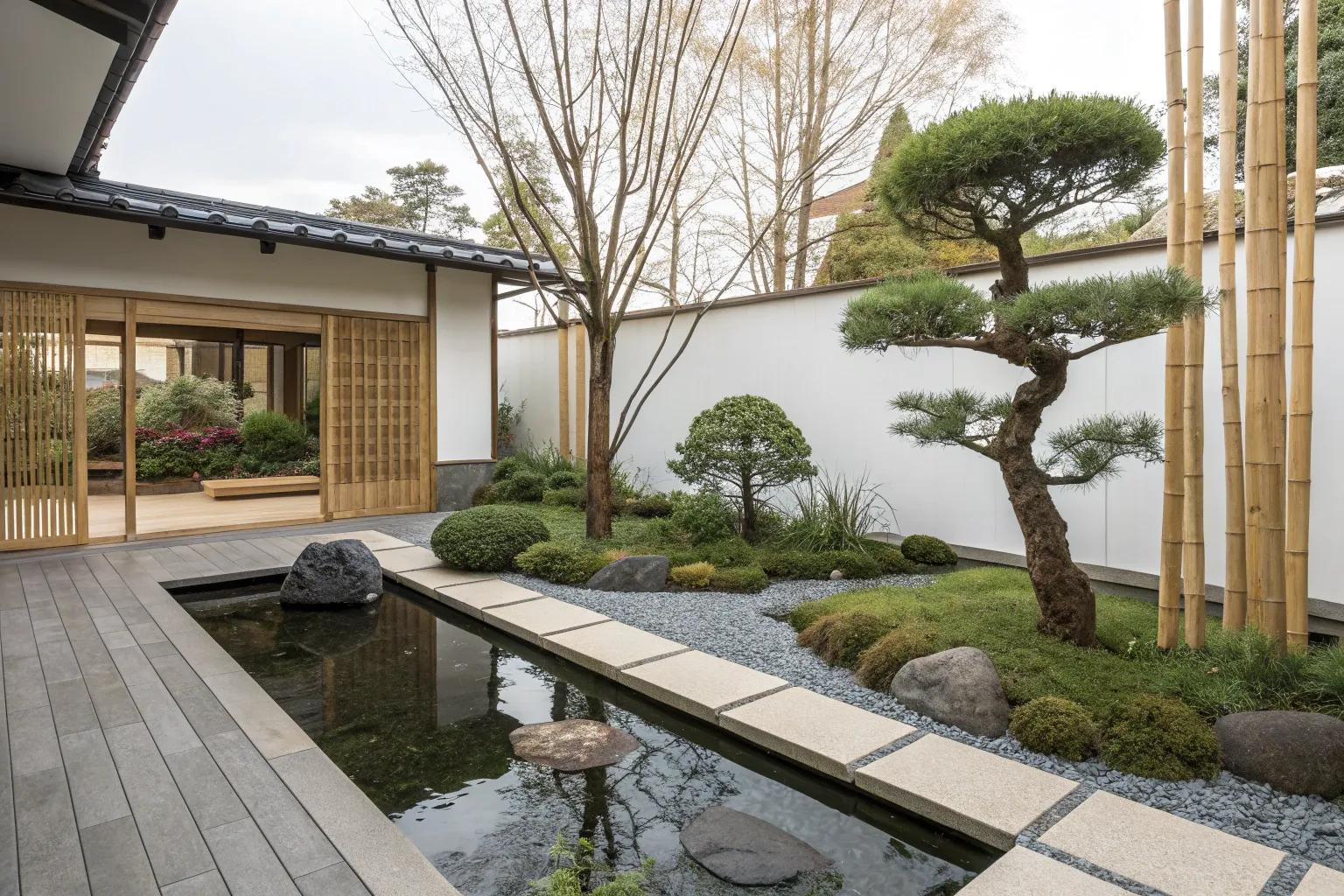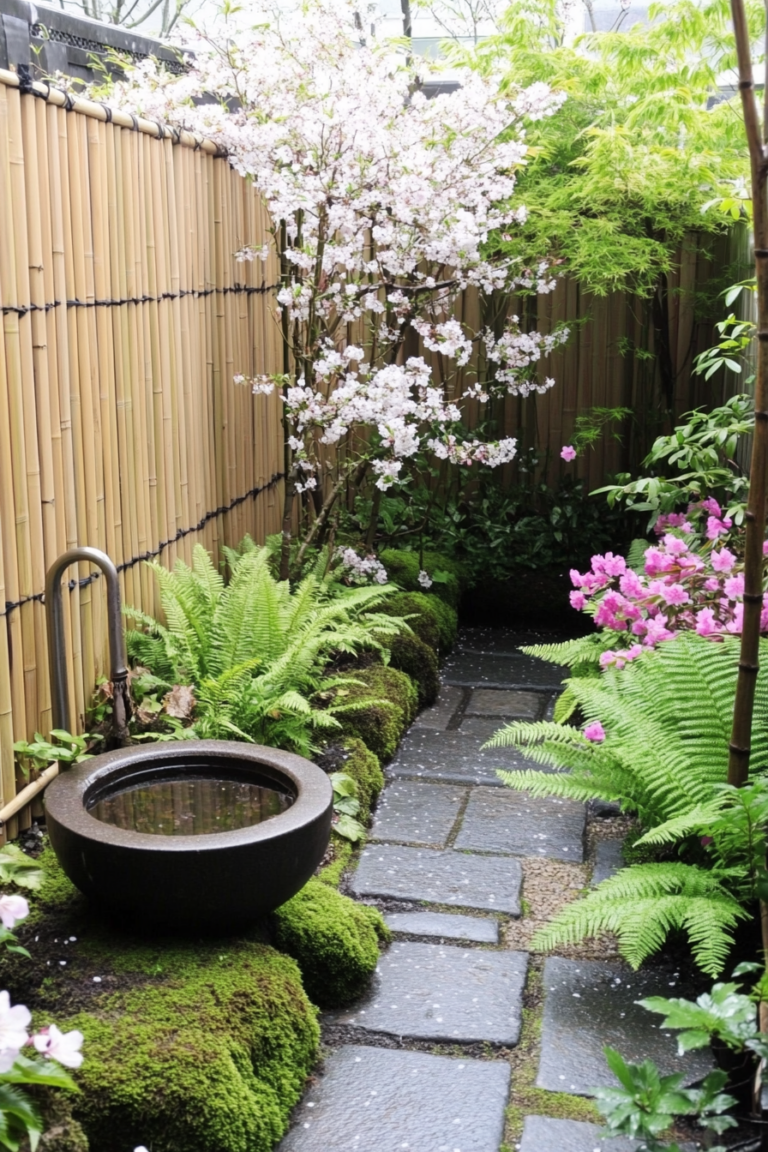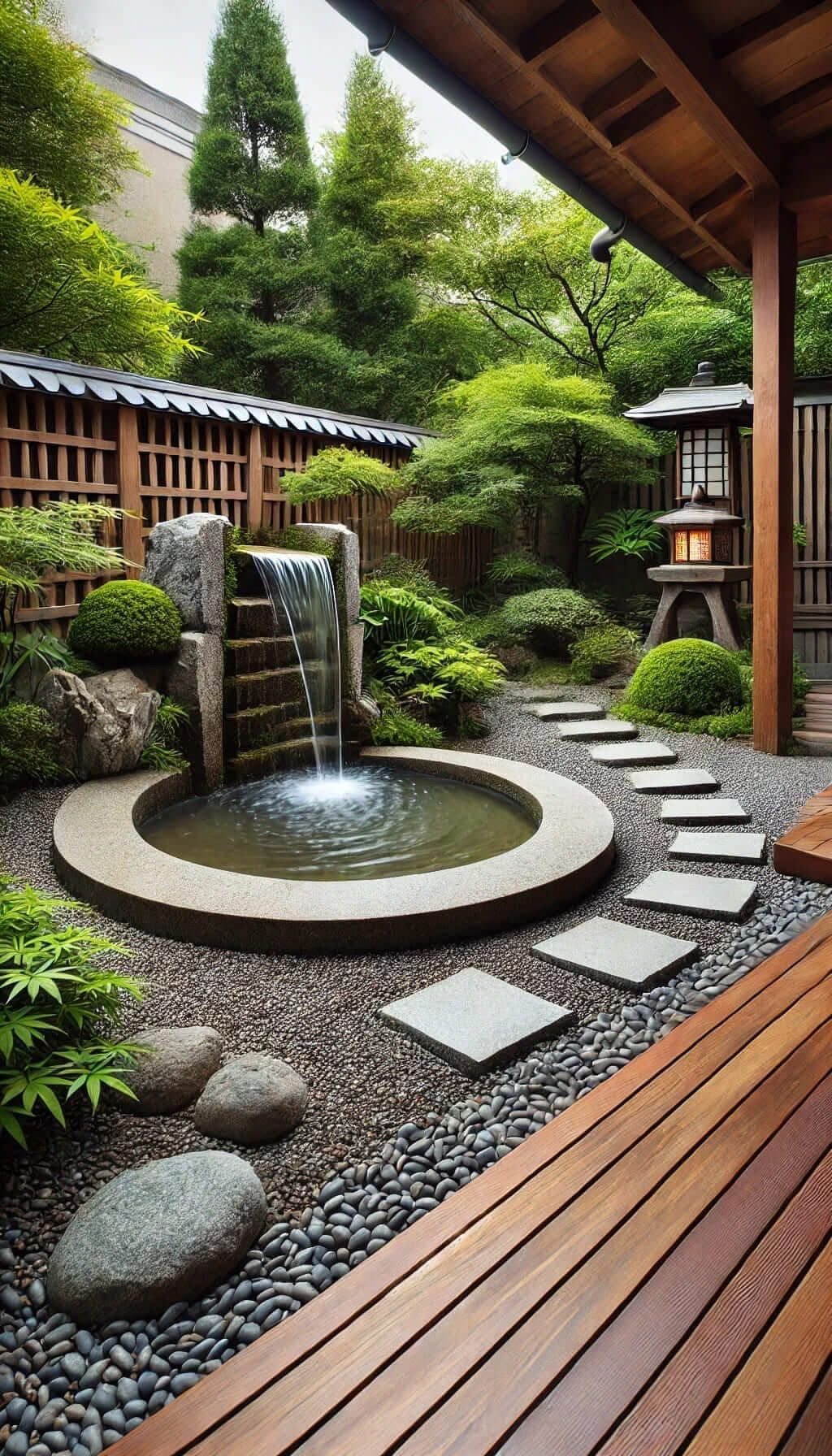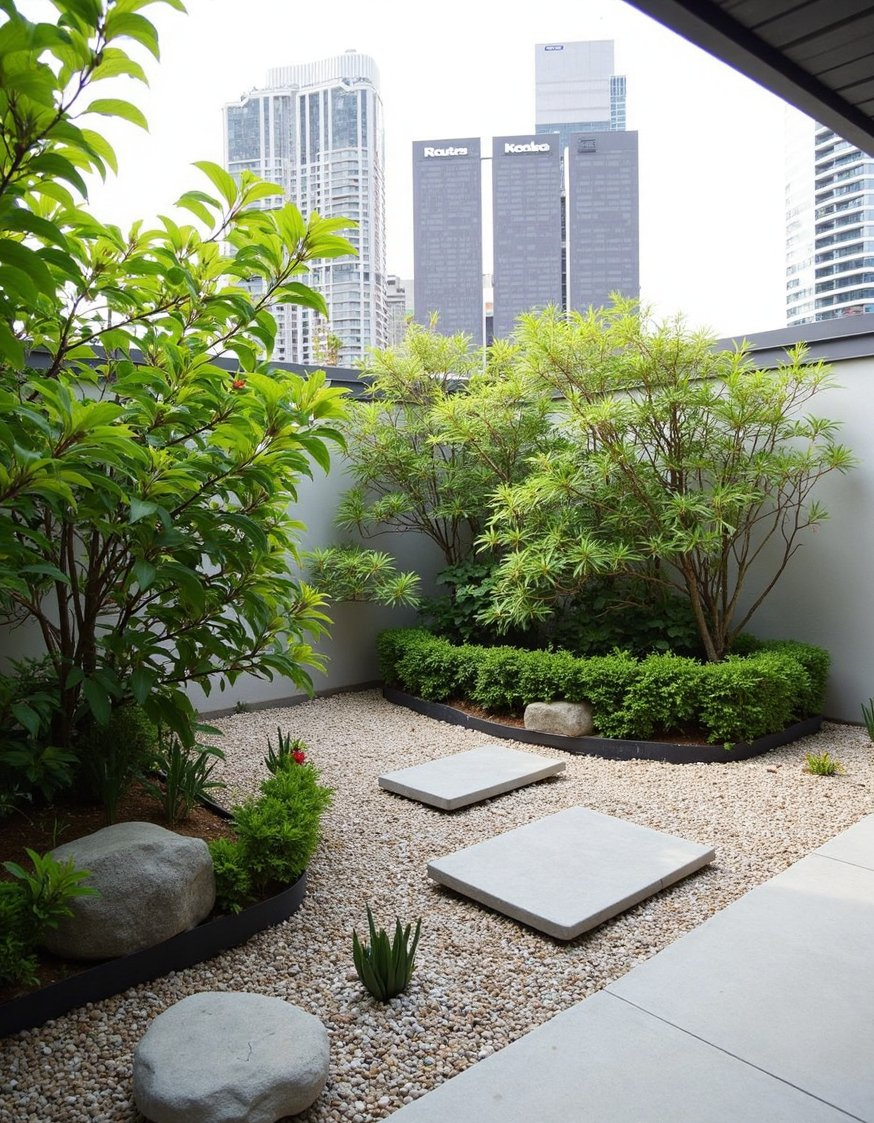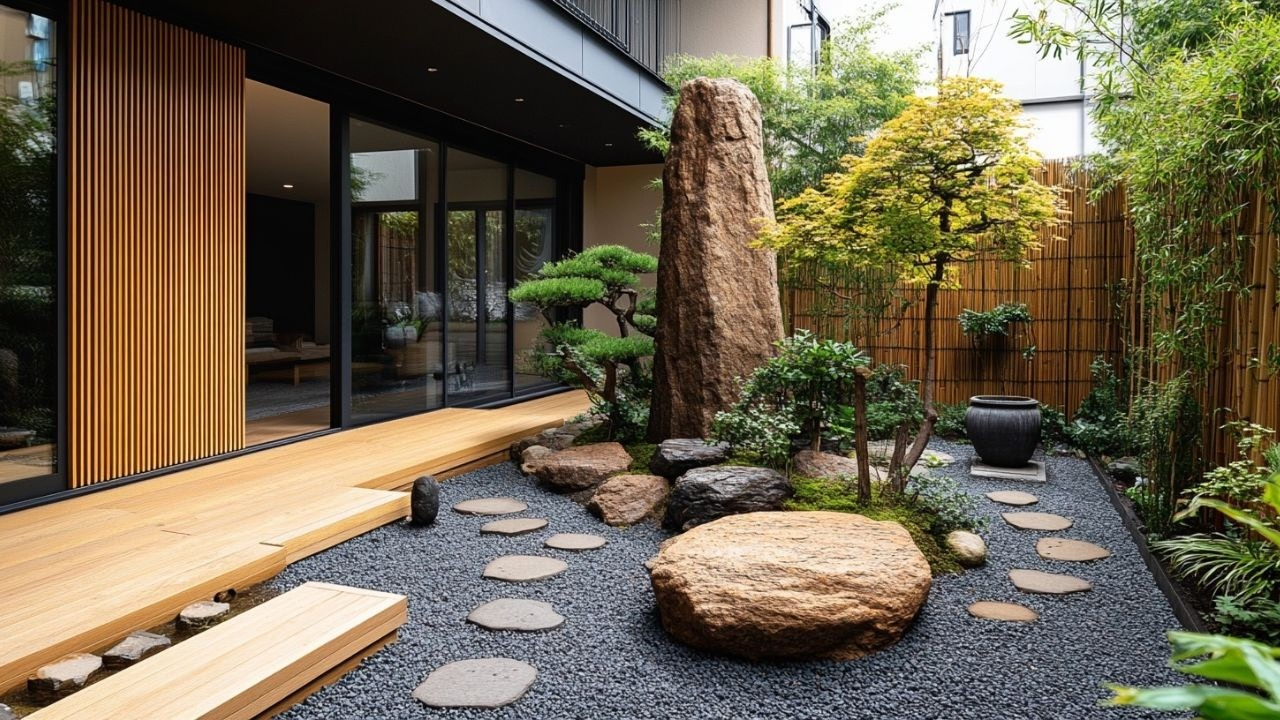

City life is fast, loud, and constantly in your face. By the time 2026 rolls around, our urban spaces have only gotten tighter and our schedules busier. Don’t you just want a place to step outside and instantly feel your shoulders drop. That is the magic of a classic Japanese courtyard garden, known traditionally as a tsubo-niwa. You don’t need acres of land to build one—just a few square feet and the right mindset.
Even a tiny, shadowed concrete plot between brick walls can become a sanctuary. The beauty of this style is that it thrives on constraints. In fact, limiting what you put into the space is exactly how you create that deep sense of quiet. Let’s look at how you can transform your own small outdoor corner into a breathtaking escape.
The Power of Empty Space
In Western design, we often feel the urge to pack every corner with plants or furniture. Japanese gardening teaches the exact opposite through a concept called ma, which basically means negative space. It’s about the beauty of what isn’t there. By leaving parts of your courtyard completely empty, you give the mind room to breathe.
Think of a single, beautifully shaped maple tree sitting in a bed of clean moss, surrounded by nothing but smooth river stones. Because there is no clutter, your eyes focus entirely on the texture of the bark and the shape of the leaves. It creates an instant feeling of stillness.
Choosing the Right Greenery
You don’t need a jungle to make an impact. When space is limited, every single plant has to earn its keep. Japanese maples are a classic choice because their delicate leaves change beautifully with the seasons, showing bright greens in spring and fiery reds in autumn. They also grow slowly, so they won’t overwhelm a tight courtyard.
Ferns, moss, and bamboo are also fantastic for shady urban spots. If bamboo makes you nervous because it spreads like crazy, just use clumping varieties or keep them in heavy pots. Mixing different textures of green keeps the space looking lush and deep without needing bright, distracting flowers.
Working with Stones and Gravel
Rocks are the backbone of any Japanese garden. They represent mountains and permanence. Instead of buying a dozen small rocks, look for one or two large, interesting boulders that look like they have been weathered by time. Bury them slightly into the ground so they look natural, like they’ve always been there.
Gravel or raked sand can stand in for flowing water. Raking patterns into fine gravel is actually a form of meditation. Plus, a simple gravel bed makes a small courtyard look much larger and cleaner than patchy lawn ever could.
Bringing in the Sound of Water
Nothing drowns out the hum of city traffic or noisy neighbors quite like the trickle of water. A traditional stone water basin, called a tsukubai, is perfect for this. Originally used for washing hands before tea ceremonies, it adds an old-world charm to modern spaces.
You can set up a simple bamboo pipe that drips water slowly into a hollowed-out stone. The sound is soft, rhythmic, and incredibly relaxing. It turns your courtyard from a place you just look at into a full sensory experience.
Framing the View
A great tsubo-niwa is often designed to be looked at from the inside of your home. Treat your back door or window like a picture frame. When you open your blinds in the morning, what is the first thing you see. Align your main rock or your favorite plant directly with that view.
Use simple bamboo fences or dark wooden panels to block out the messy urban background, like garbage bins or ugly pipes. By hiding the chaos of the outside world, you create an illusion that your garden is a secret world hidden away from everything else.
Light and Shadow Play
Urban courtyards are notorious for getting very little direct sunlight, but you can use that to your advantage. Moss thrives in damp, shady corners, turning old bricks into velvety green carpets.
When night falls, simple lighting can completely change the mood. Instead of bright floodlights, hide a few warm, soft lights behind rocks or under bushes. A single stone lantern casting gentle shadows creates a magical, mysterious vibe that makes the space feel infinitely deeper than it actually is.
Building the garden is only the first step; living with it is where the real joy happens. Taking five minutes in the morning to rake the gravel or prune a stray twig from a maple branch becomes a small daily escape. It forces you to slow down and notice the tiny changes in nature.
Your courtyard doesn’t have to be perfect or expensive to work its magic. By focusing on simplicity, natural materials, and a little bit of quiet, you can build a personal retreat that keeps you grounded, no matter how chaotic the city gets around you.