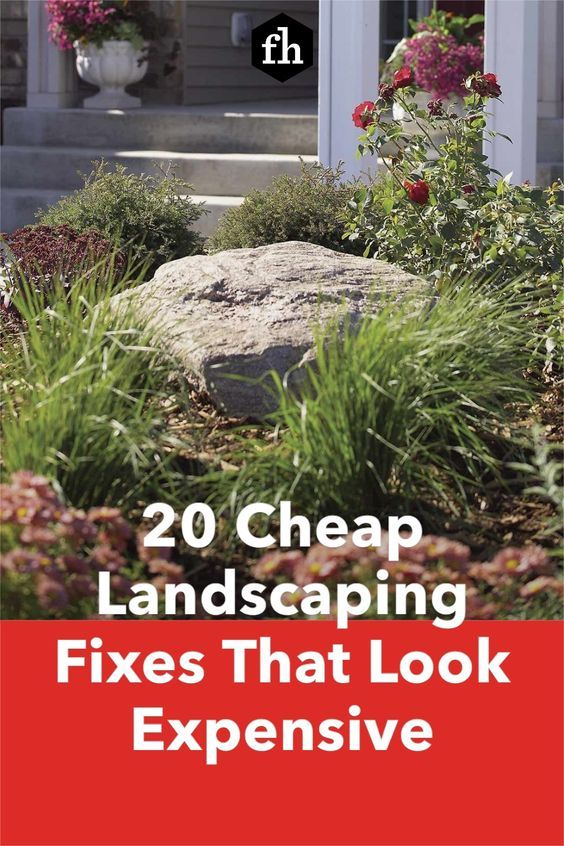

You walk past that house on the corner. You know the one. The landscaping is crisp, the colors are deliberate, and it just feels… rich. It doesn’t scream money, but it whispers quality. Then you look at your own front bed. Maybe it’s a bit sparse. Maybe the plants are leggy. Or perhaps you’re staring at a blank patch of dirt, wondering how to fill it without draining your savings account. Here is the truth: that expensive look isn’t about the price tag on the plant tag. It’s about intention. It’s about design. And honestly? It’s mostly about patience and a few clever tricks that nursery pros don’t always tell you.
In 2026, gardening has shifted. We aren’t just throwing seeds in the ground anymore. We are curating outdoor rooms. But inflation is real, and plant prices have climbed. So, how do we get that high-end aesthetic on a shoestring budget? The secret isn’t buying rare, exotic species. It’s taking the common, the cheap, and the ubiquitous, and treating them like royalty. It’s about massing, pruning, and context. You can buy a five-dollar shrub and make it look like a fifty-dollar specimen if you know how to frame it. Let’s dive into how you can trick the eye and elevate your curb appeal without emptying your wallet.
The Power of Repetition and Massing
One of the biggest mistakes DIY gardeners make is buying the "garden center sampler pack." You grab one of this, one of that, and maybe a couple of those. The result? A cluttered, chaotic mess that looks like a clearance rack exploded. High-end landscapes rely on rhythm. They use repetition. When you plant three, five, or seven of the same inexpensive plant together, something magical happens. The individual cheapness of the plant disappears, and it becomes a deliberate design feature. It looks intentional. It looks curated.
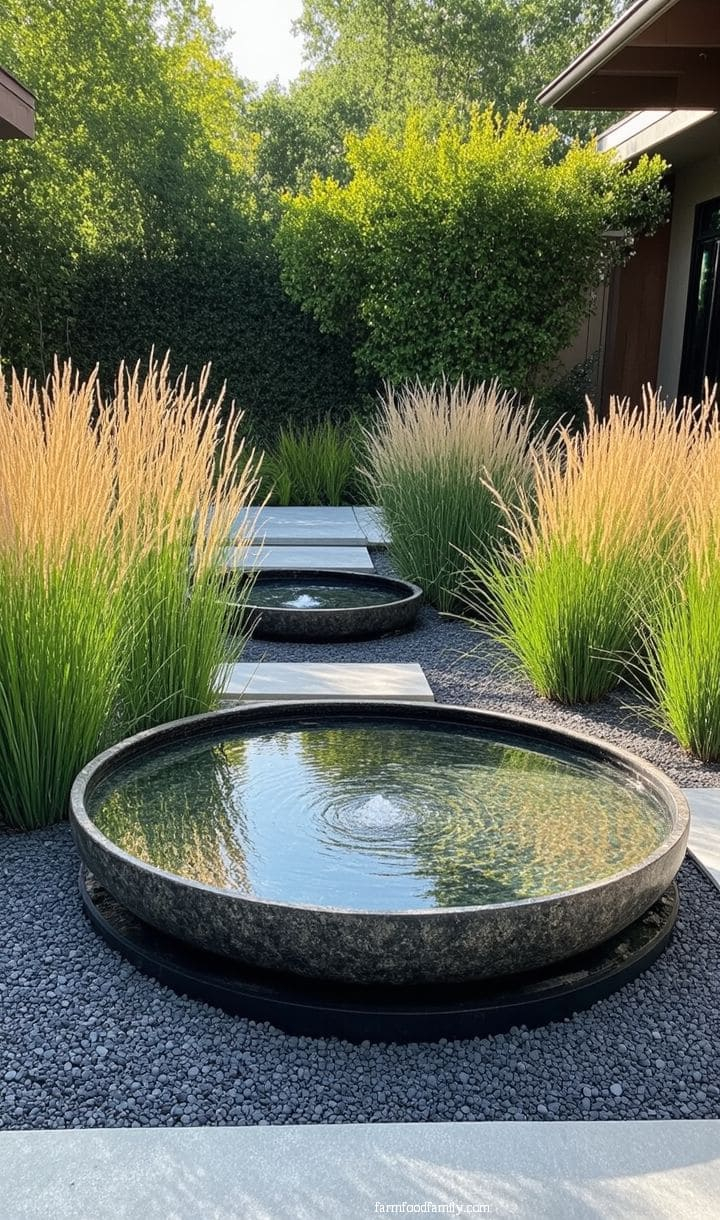
Take the common boxwood or even a humble ornamental grass like fountain grass. Buying one small pot looks sad. But buying ten small pots and planting them in a sweeping curve or a tight cluster creates volume. It creates weight. In 2026, designers are calling this "biophilic minimalism." It’s not about having less; it’s about having more of the same thing. This technique forces the eye to travel across the landscape smoothly. It creates a sense of calm and order. And guess what? Bulk buying often gets you a discount. So you save money while looking like you hired a pro.
Don’t be afraid to go big with boring plants. Hostas, daylilies, and sedums are dirt cheap. But when you plant a sea of them, they become a texture bomb. The key is uniformity. Make sure they are all the same variety. Don’t mix three types of hosta in one clump unless you are an expert in color theory. Stick to one type, plant it en masse, and watch it transform from a bargain bin find to a lush, green carpet that screams luxury. It’s simple math: volume equals value.
Pruning Is Free Luxury
Here is a hard pill to swallow: a cheap plant left wild looks cheap. A cheap plant that is pruned, shaped, and cared for looks expensive. Pruning is the single most effective tool in your arsenal, and it costs nothing but your time. Most people are terrified of cutting their plants. They think they’ll kill them. But most shrubs and perennials love a good haircut. It encourages denser growth, better flowering, and a tighter shape. Think of it like a tailored suit. An off-the-rack suit fits okay, but a tailored one fits perfectly. Pruning is tailoring for your garden.
Start with the "thriller, filler, spiller" concept, but apply it to maintenance. For thrillers (the tall focal points), keep the base clean. Remove lower branches to expose the trunk or stem. This lifts the canopy and creates negative space underneath. Negative space is a hallmark of high-end design. It lets the plant breathe. It shows off the structure. For fillers, pinch back the tips. This stops them from getting leggy and promotes bushiness. A dense, compact shrub looks healthier and more valuable than a sparse, stretched-out one. Even a $4 hydrangea looks premium if it’s a tight, rounded mound rather than a tangled web of sticks.
Timing matters, too. In early spring, before the new growth starts, give everything a once-over. Remove dead wood. Crossed branches. Anything that looks messy. Throughout the summer, deadhead your flowers. Don’t let them go to seed if you want continuous blooms. Snipping off spent flowers tells the plant to make more. More flowers mean more impact. More impact means more bang for your buck. It’s a small effort, but the visual payoff is huge. Your neighbors will wonder why your plants look so robust while theirs look tired. It’s not magic. It’s just a pair of shears and a little bit of courage.
The Magic of Mulch and Edging
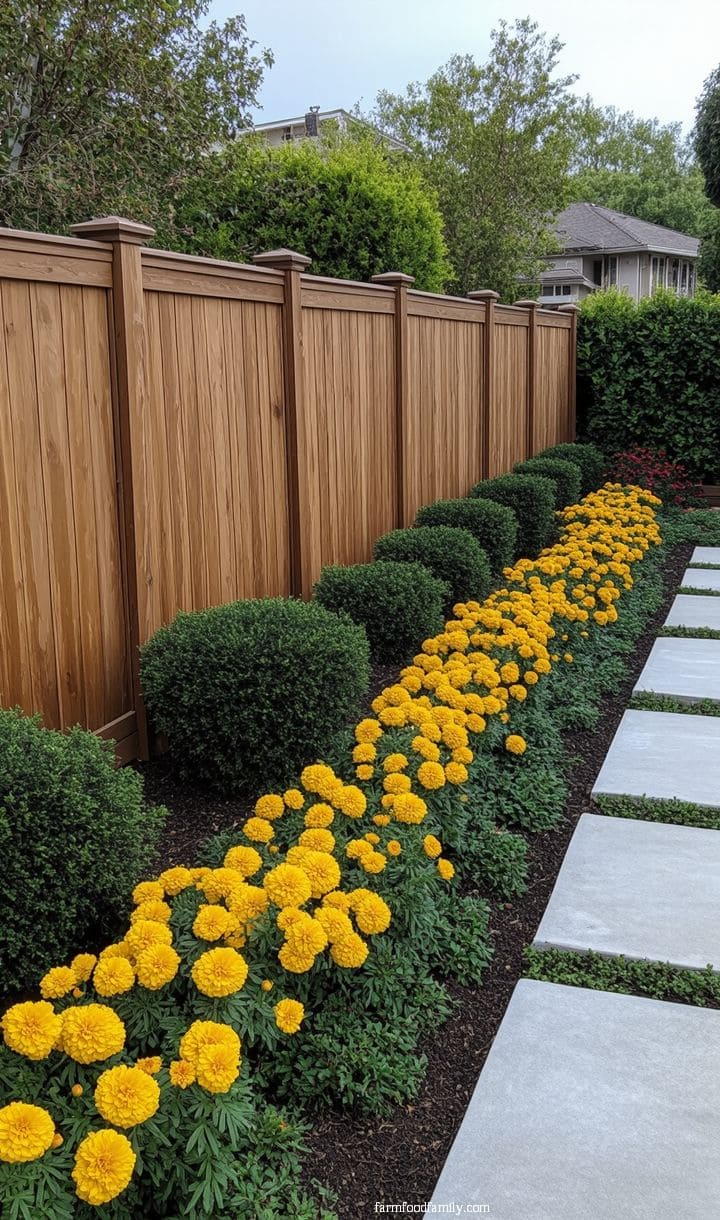
You can have the most beautiful plants in the world, but if they are sitting in bare, cracked dirt, they will look neglected. Soil is the canvas, and if the canvas is dirty, the painting suffers. Mulch is the great equalizer. A fresh layer of dark, rich mulch instantly makes any plant pop. It provides contrast. It hides the imperfections of the soil. It makes the greens greener and the flowers brighter. But not all mulch is created equal. Avoid the bright red or blue dyed mulch. It looks tacky and dates your yard to the 1990s. Stick to natural shades: dark brown, black, or shredded hardwood.
In 2026, the trend is towards fine-textured mulch. It looks more refined than chunky bark. It creates a smoother surface that reflects light softly. Apply it evenly, about two to three inches deep. Don’t volcano mulch around the tree trunks. Keep it pulled back a few inches from the stems. This prevents rot and looks cleaner. The line between the mulch and the lawn is critical. This is where edging comes in. A crisp, clean edge separates the garden from the lawn. It creates a boundary. It says, "This area is cared for."
You don’t need expensive stone or metal edging. A simple spade cut works wonders. Just dig a shallow trench along the border of your bed. Keep it sharp. Re-cut it every few months. If you have a bit more budget, consider recycled plastic or rubber edging that mimics stone. It’s cheap, durable, and keeps the mulch in place. The combination of fresh mulch and a sharp edge frames your plants like a picture frame. It draws the eye in. It makes the whole scene feel finished. And a finished scene always looks more expensive than an unfinished one. It’s the difference between a rough draft and a published novel.
Choosing Structure Over Flash
Flashy flowers are nice, but they are fleeting. They bloom for a week and then fade. Structural plants, on the other hand, work for you all year round. They provide the backbone of your design. When you are on a budget, invest in structure. Look for plants with interesting shapes, textures, or evergreen foliage. Boxwoods, yews, dwarf conifers, and ornamental grasses are your friends. They might not have huge, showy blooms, but they hold their shape. They provide winter interest. They create the skeleton that holds the garden together.
Think about the silhouette. A plant with a strong architectural form stands out. A spiral juniper or a globe thistle commands attention. You only need a few of these anchor plants. Place them strategically. Maybe one by the front door. One flanking the path. These become the stars of the show. Then, surround them with cheaper, softer perennials. The contrast between the rigid structure and the soft foliage creates depth. It creates sophistication. It’s a classic design principle that never goes out of style.
Also, consider native plants. In many regions, native shrubs are cheaper because they are easier to propagate. They are adapted to your climate, so they require less water and fertilizer. Less maintenance means they look better for longer. A healthy native oak leaf hydrangea looks far more impressive than a struggling exotic rose. In 2026, sustainability is chic. Using natives isn’t just good for the planet; it’s good for your wallet and your aesthetic. They blend seamlessly into the local landscape, creating a sense of place. And a sense of place feels authentic. Authenticity feels expensive.
Lighting and Accessories as Force Multipliers
Plants don’t exist in a vacuum. They interact with their surroundings. Lighting is the secret weapon of nighttime curb appeal. You don’t need a complex electrical system. Solar lights have come a long way. In 2026, high-lumen solar spotlights are affordable and effective. Use them to uplight your structural plants. Shine a light on the textured bark of a tree. Highlight the form of a sculptural shrub. This creates drama. It extends the life of your garden into the evening. It makes your yard feel like a destination, not just a pass-through.
Place lights sparingly. Less is more. Three well-placed lights are better than twenty scattered ones. Aim for warmth. Choose bulbs with a warm white color temperature (around 2700K). Cool white light looks clinical and cheap. Warm light feels inviting and luxurious. It enhances the natural colors of the foliage. It creates shadows and depth. Shadows are just as important as light. They add mystery. They add dimension. A simple uplight on a $10 fern can make it look like a tropical specimen. It’s all about perspective.
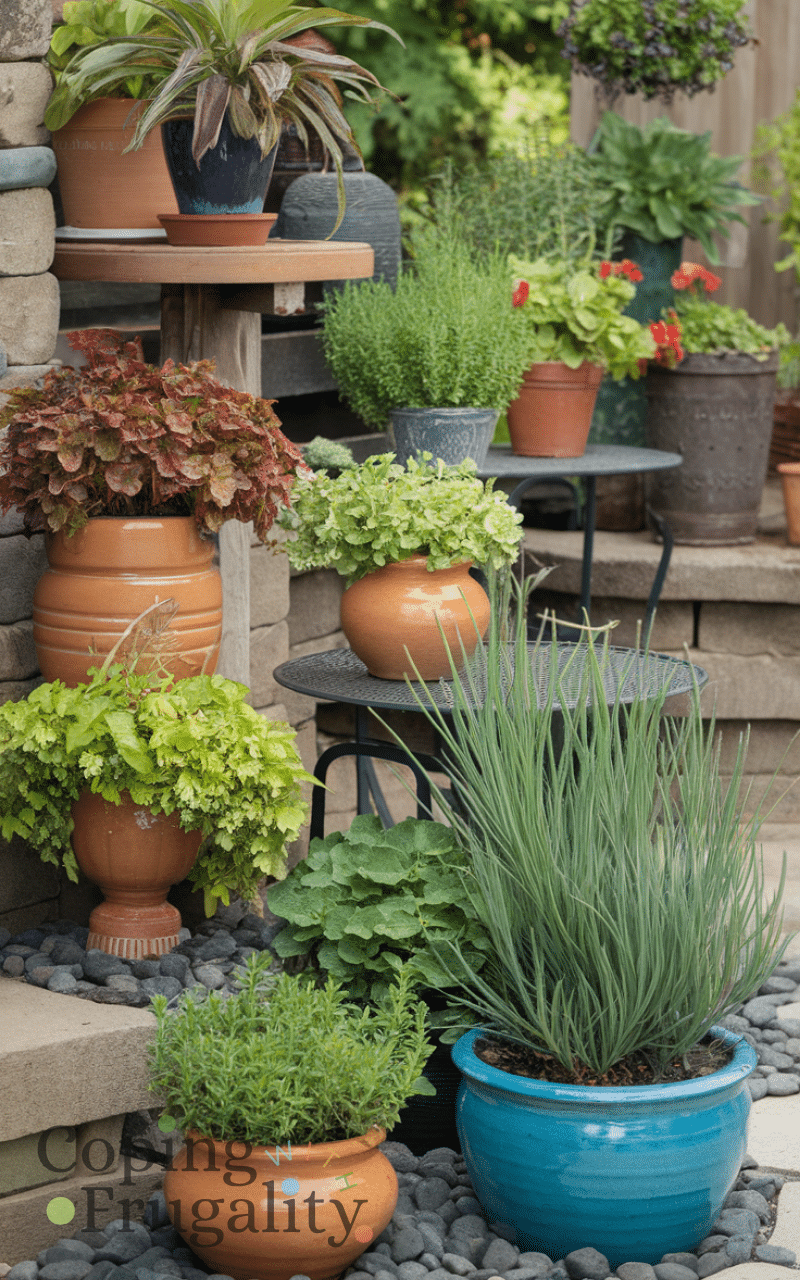
Accessories matter too. A terracotta pot looks cheap if it’s stained and cracked. Wash it. Seal it. Or paint it a uniform matte black or white. Uniformity in containers elevates the plants inside. Group pots in odd numbers. Threes and fives are visually pleasing. Vary the heights but keep the style consistent. Add a simple bench or a birdbath. Something that suggests human presence. Something that invites you to sit and stay. These elements break up the greenery. They add focal points. They tell a story. And a story is worth more than just a collection of plants. It’s about creating an experience.
The final secret isn’t a product or a technique. It’s time. Expensive gardens look established. They look like they’ve been there forever. You can fake age, but you can also just wait. Be patient. Let your plants grow into their space. Don’t rush to fill every gap. Empty space is okay. It allows the plants you do have to shine. As they mature, they will fill in. They will become denser. They will look more substantial. This takes time, but it’s free. And the result is a garden that feels grounded and real.
However, you can speed up the process with seasonal swaps. In spring, buy cheap annuals like pansies or violas. They provide instant color while your perennials wake up. In fall, swap them for mums or ornamental kale. These are inexpensive ways to keep the garden looking full and vibrant year-round. Don’t leave bare patches. Cover them with temporary color. It distracts the eye. It keeps the energy high. It shows that you are engaged with your space. Engagement reads as care. Care reads as value.
Also, divide and conquer. Many perennials can be divided. Hostas, daylilies, sedums. After a few years, they get too big. Dig them up. Split them in half. Replant one half. Give the other half to a friend or swap it. Now you have two plants for the price of one. This is the ultimate hack. It expands your garden without spending a dime. It also keeps the plants healthy. Divided plants often bloom better. So you get more beauty for less effort. It’s a cycle of renewal. Embrace it. Share it. Grow it.
So, there you have it. The secret to making cheap plants look expensive isn’t a secret at all. It’s about design. It’s about care. It’s about seeing the potential in the ordinary. You don’t need a massive budget. You need a vision. You need to mass your plants. Prune them with purpose. Mulch them deeply. Choose structure. Light them wisely. And be patient. Your front yard is a canvas. Paint it with intention. Make it yours. And watch as the compliments roll in. Because in the end, the most expensive thing in your garden isn’t the plant. It’s the love you put into it. And that’s priceless.