
Ever stood in front of a garden center aisle, staring at price tags that seem to mock your wallet? It happens to the best of us. You want that lush, green backdrop that hides the neighbor’s ugly fence or frames your front door with dignity, but you don’t want to spend your entire savings account on plants that might die come winter. It’s a frustrating spot to be in. We all crave that instant curb appeal, that sense of permanence and peace that only greenery can provide, yet the cost of landscaping has climbed steadily into 2026.
But here is the secret most landscapers won’t tell you upfront: you don’t need expensive, specimen-sized plants to get the job done. In fact, some of the toughest, most reliable plants are also the cheapest. The trick isn’t just buying what’s on sale; it’s knowing what will actually survive your specific patch of dirt. Durability is the ultimate money-saver. A cheap plant that dies in six months is expensive. A slightly more costly plant that lives for twenty years is a bargain. Let’s dig into how to find that sweet spot where resilience meets affordability.
Know Your Zone (And Ignore the Hype)
Before you even look at a leaf, you need to know your USDA Hardiness Zone. This isn’t just bureaucratic gardening nonsense; it’s the difference between a thriving shrub and a brown stick. In 2026, with weather patterns shifting more unpredictably than ever, sticking to plants native or well-adapted to your zone is crucial. Don’t fall for the trap of buying a beautiful Southern Magnolia if you live in Minnesota. It might look great in the catalog, but it will shiver itself to death by January. Check your local extension office website for the most current zone maps, as these have been updated recently to reflect warmer average temperatures in many regions.
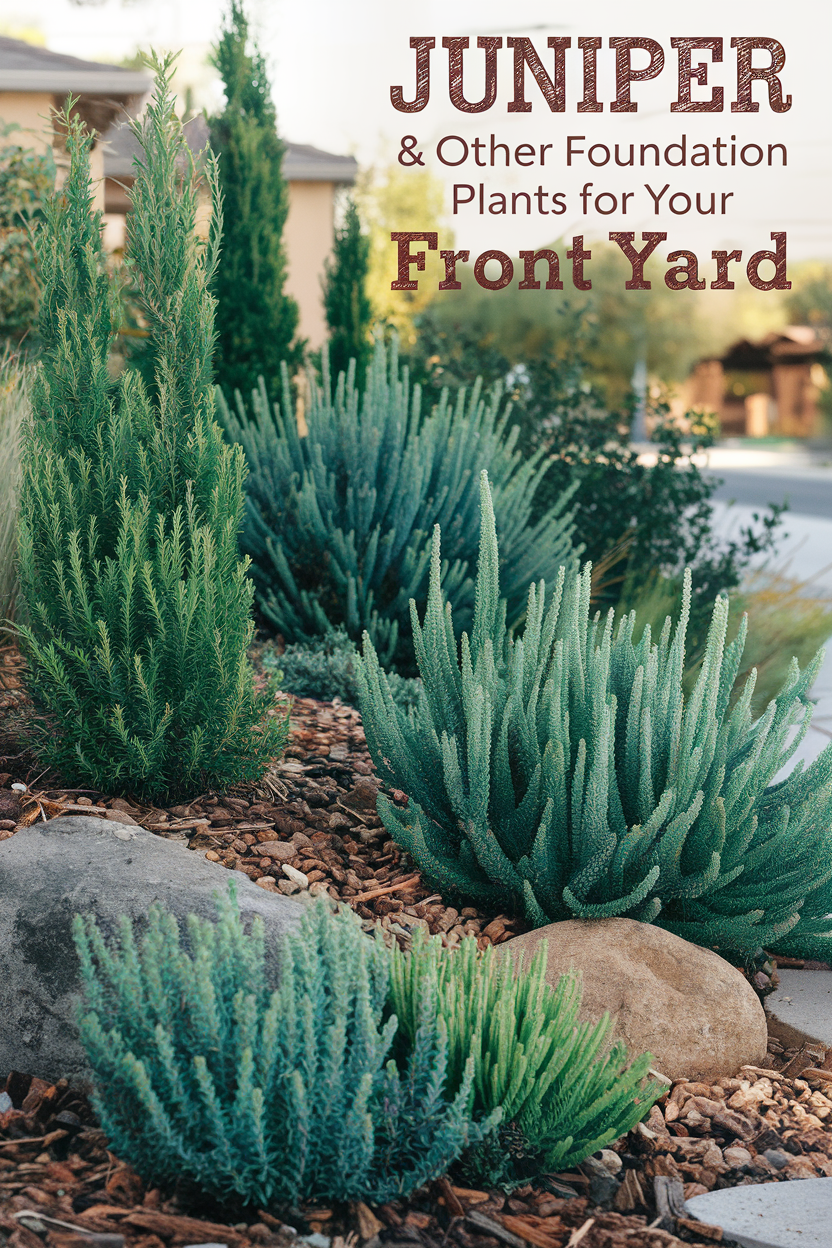
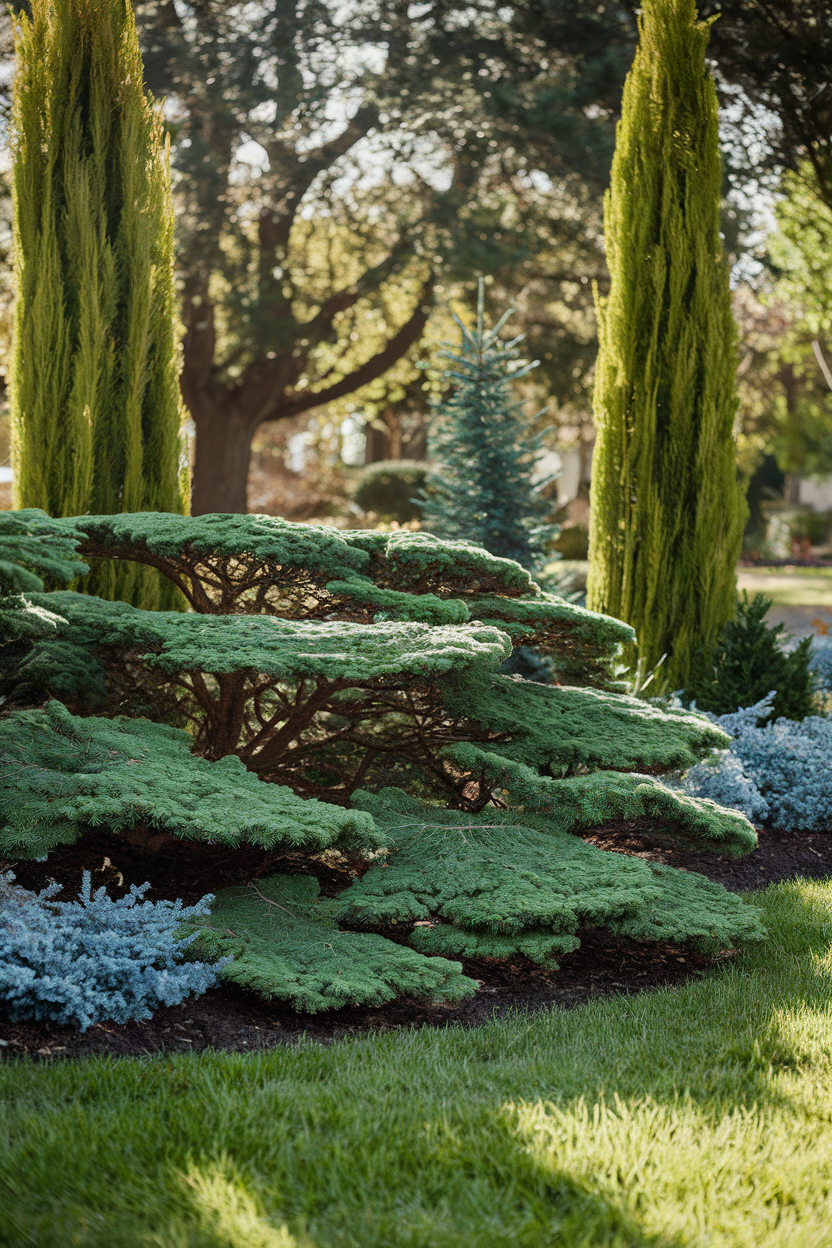
Once you know your zone, look for "workhorse" plants. These are the shrubs that nurseries grow by the thousands because they are easy to propagate and hard to kill. Boxwoods, while popular, have faced disease issues in recent years, so be cautious. Instead, look for alternatives like Inkberry Holly or certain Junipers. These plants are often priced lower because supply is high. They aren’t exotic. They won’t make your neighbors gasp in awe. But they will sit there, green and sturdy, year after year, asking for very little in return. That reliability is worth its weight in gold, or rather, saved cash.
Also, consider the microclimate of your home. Is that spot next to the foundation hot and dry in summer? Does wind whip around the corner of your garage? A plant that is technically hardy for your zone might fail if it’s in a harsh micro-spot. Observe your yard for a few days. Where does the sun hit hardest? Where does the snow pile up? Choosing a shrub that likes those specific conditions means you won’t have to replace it when it succumbs to stress. It’s about matching the plant to the place, not forcing a square peg into a round hole.
Size Matters: Buy Small, Think Big
Here is a counterintuitive tip that saves hundreds of dollars: buy small. Really small. When we walk into a nursery, we are drawn to the five-gallon pots or the balled-and-burlapped specimens that look like instant landscapes. We want immediate gratification. But those large plants carry a huge premium. They are heavier to ship, harder to handle, and often suffer from transplant shock because their root systems are cramped. A one-gallon pot, or even a quart-sized plug, costs a fraction of the price. Sometimes less than ten percent of the cost of a mature shrub.
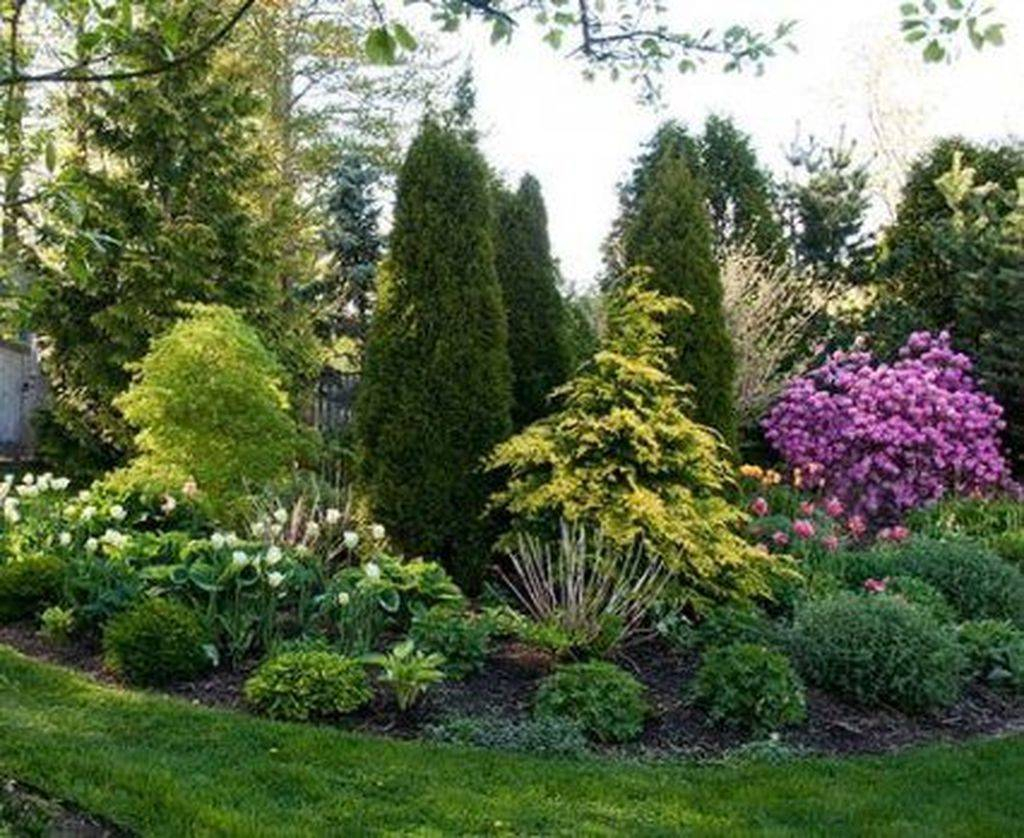
The trade-off, of course, is time. You have to wait. But evergreen shrubs, particularly varieties like Arborvitae or Yew, grow surprisingly fast once established. If you buy a three-foot Arborvitae, you might pay $40. A one-foot version might cost $8. If you plant three of the small ones in a triangle pattern, you still spend less than the single big one, and within two or three growing seasons, they will fill in and look just as full. In 2026, with inflation still affecting household budgets, this patience pays off literally. It allows you to spread your landscaping costs over several seasons rather than dropping a grand in one weekend.
Plus, smaller plants establish better. Their roots aren’t pot-bound, so they spread out into the native soil more eagerly. They become more drought-tolerant and stable because they aren’t relying on a confined root ball. There is a satisfaction in watching something you planted tiny grow into a substantial part of your home’s exterior. It creates a connection to the landscape that buying a pre-grown tree just doesn’t offer. You become a participant in its life, not just a consumer of its aesthetics. Just make sure you protect those little guys from lawnmowers and curious dogs while they get started.
Native vs. Non-Native: The Cost of Care
There is a massive push right now for native plants, and for good reason. They support local pollinators and biodiversity. But from a purely durability and cost standpoint, natives also win because they are adapted to your local pests and rainfall patterns. A native Evergreen Azalea or a local variety of Juniper won’t need extra watering once it’s settled. It won’t need fungicides because it’s already resistant to the local blights. This reduces the "hidden costs" of gardening—the water bill, the replacements, the treatments.
However, don’t rule out non-natives entirely if they are proven performers. Some introduced species, like certain types of Barberry (check local regulations, as some are invasive in your area) or Japanese Holly, have been around so long they are practically naturalized. They are cheap because they are easy to grow in mass quantities. The key is to avoid the "diva" plants. These are the shrubs that require acidic soil amendments, winter wrapping, or special pruning techniques. If you have to baby a plant, it’s not durable. And if it’s not durable, it’s not cheap, no matter what the sticker price says.
Look for plants labeled as "low maintenance" or "drought tolerant." In 2026, water conservation is becoming a bigger issue in many parts of the country, so municipalities are even offering rebates for replacing thirsty lawns with hardy shrubs. Check if your city has such programs. You might get paid to plant these durable greens. A shrub that survives a heatwave without wilting is a shrub that stays in the ground. Staying in the ground is the whole point. Avoid anything that requires constant attention. You have a life to live; your shrubs should be able to handle themselves.
Timing Your Purchase for Maximum Savings
Nurseries operate on thin margins, and their inventory cycles create opportunities for savvy shoppers. The best time to buy evergreens is often late fall or early spring. In late fall, nurseries are desperate to clear out inventory before winter sets in. They don’t want to store plants or worry about them dying over winter in pots. You can often find discounts of 30-50% on healthy, durable shrubs. The downside is you need to plant them immediately and mulch heavily to protect the roots from freezing. But if you do it right, the plant settles in during the cool months and bursts into growth in spring.
Early spring is another golden window. Before the rush of annual flowers and vegetable starters takes over the display space, evergreens are often promoted to kick off the landscaping season. Look for "buy one, get one" deals or bundle offers. Many big-box stores and local nurseries will discount shrubs that have been sitting out for a few weeks, even if they are perfectly healthy. A little bit of dust on the leaves or a slightly faded pot doesn’t mean the plant is sick. It just means it’s been waiting for you. Inspect the roots if you can. If they are white and firm, the plant is good to go, regardless of how messy the exterior looks.
Avoid buying in the peak heat of summer unless you have no choice. Plants stressed by heat in pots are more likely to fail after transplanting. And never buy damaged plants hoping to nurse them back to health unless you are an experienced gardener with plenty of time. For a beginner looking for durability, start with healthy stock. A slight discount on a dying plant is no bargain. Stick to the clearance racks for healthy but unsold inventory, not for damaged goods. Patience and timing can cut your budget in half without sacrificing quality. It’s about being in the right place at the right time.
The Right Plant for the Right Spot (Light and Soil)
It sounds obvious, but so many people plant shade-loving shrubs in full sun and wonder why they burn up. Or they put sun-lovers in the dark and watch them stretch and fade. Read the tag. Seriously. The tag tells you exactly what the plant needs. If it says "Full Sun," it needs at least six hours of direct light. If it says "Partial Shade," it wants protection from the harsh afternoon sun. Matching the plant to the light conditions ensures it grows vigorously without your help. A stressed plant is vulnerable to disease and pests, which leads to replacement costs.
Soil is the other half of the equation. Most affordable evergreens prefer well-draining soil. If you have heavy clay, don’t fight it by trying to grow plants that hate wet feet. Choose shrubs that tolerate clay, like certain Junipers or Viburnums (some are semi-evergreen). If you have sandy soil, pick drought-tolerant varieties. Amending soil is expensive and labor-intensive. It’s much cheaper to pick a plant that likes your dirt as it is. You can test your soil pH with a cheap kit from a garden center. Knowing if your soil is acidic or alkaline helps you avoid buying plants that will struggle to absorb nutrients.
Also, think about airflow. Crowding plants too close together invites fungal diseases like powdery mildew or root rot. Give them room to breathe. This means you might need fewer plants than you think. Proper spacing promotes health. A healthy plant fills out better and looks fuller. Overcrowding leads to dead patches in the center of shrubs, which looks ugly and requires pruning or replacement. Measure your space and respect the mature width of the plant. It feels sparse at first, but trust the process. The green will come. And it will stay.
Durability isn’t just about the plant’s genetics; it’s about how you treat it. The cheapest shrub is the one you don’t have to replace. Mulching is your best friend. A two-to-three-inch layer of wood chips or shredded bark around the base of your shrubs retains moisture, suppresses weeds, and regulates soil temperature. It’s incredibly cheap, especially if you can get bulk mulch or use fallen leaves. Mulch reduces the need for watering and weeding, saving you time and money. It also protects the shallow roots of young evergreens from extreme temperature swings.
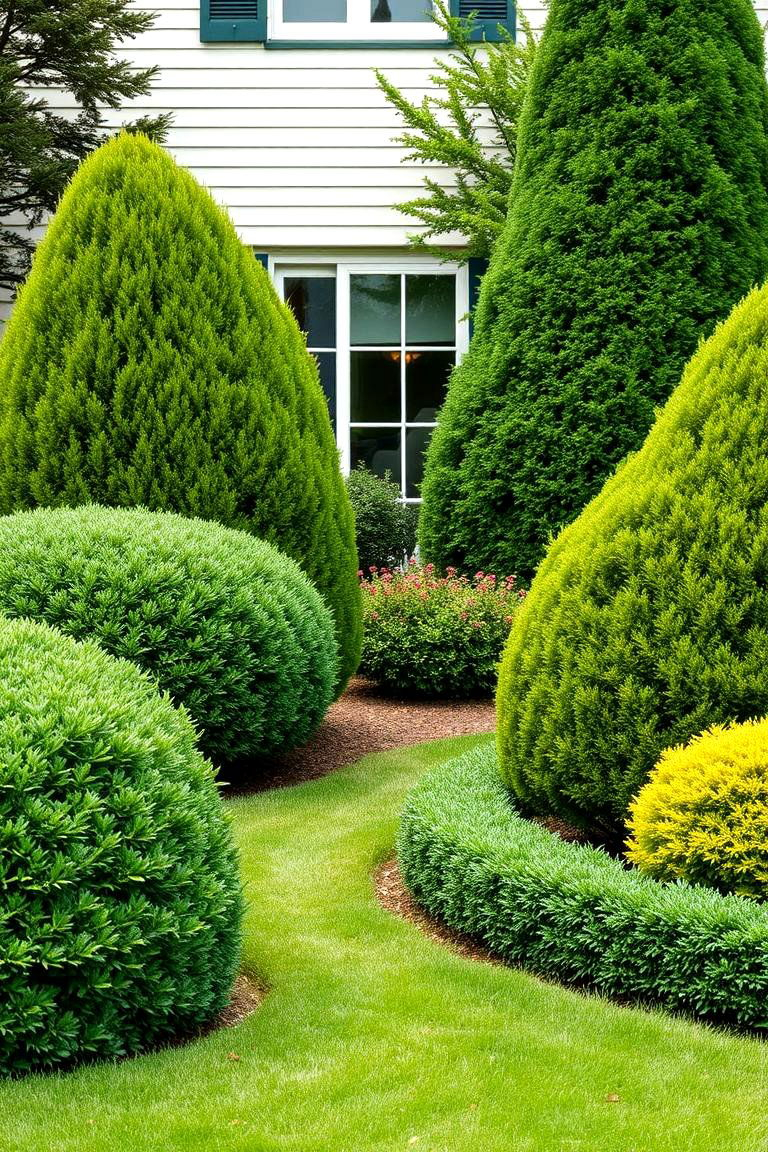
Pruning is another area where less is more. Many evergreens, like Junipers and Spruces, do not regenerate from old wood. If you hack them back too far, they stay bare. Learn the specific pruning needs of your chosen shrub. Most just need a light trim to keep shape, or no trimming at all. Letting a shrub grow to its natural size is often healthier and looks more modern anyway. The sheared boxwood look is out; the natural, textured look is in. This shift in style is great for your wallet because it means less work. Embrace the wilder aesthetic. It’s forgiving and resilient.
Finally, watch for problems early. A small infestation of aphids can be blasted off with a hose. A bit of yellowing might mean you need to adjust watering. Catching issues when they are small prevents plant death. Walk your garden once a week. Look at your plants. Touch the leaves. Get to know them. This simple habit builds intuition. You’ll notice when something is off before it becomes a crisis. In 2026, with resources tight, this proactive approach is essential. It turns gardening from a chore into a quiet, rewarding ritual. And it keeps your greenery green, year after year, without draining your bank account.
So, there you have it. Building a durable, affordable evergreen landscape isn’t about finding a magic plant. It’s about making smart choices. Know your zone. Buy small. Pick the right spot. Time your purchases. And let nature do the heavy lifting. It’s a slow process, sure. But there is a deep joy in watching your home soften and green up over time, knowing you did it wisely. You didn’t just buy plants; you built a legacy of resilience. And that looks pretty good from the curb.