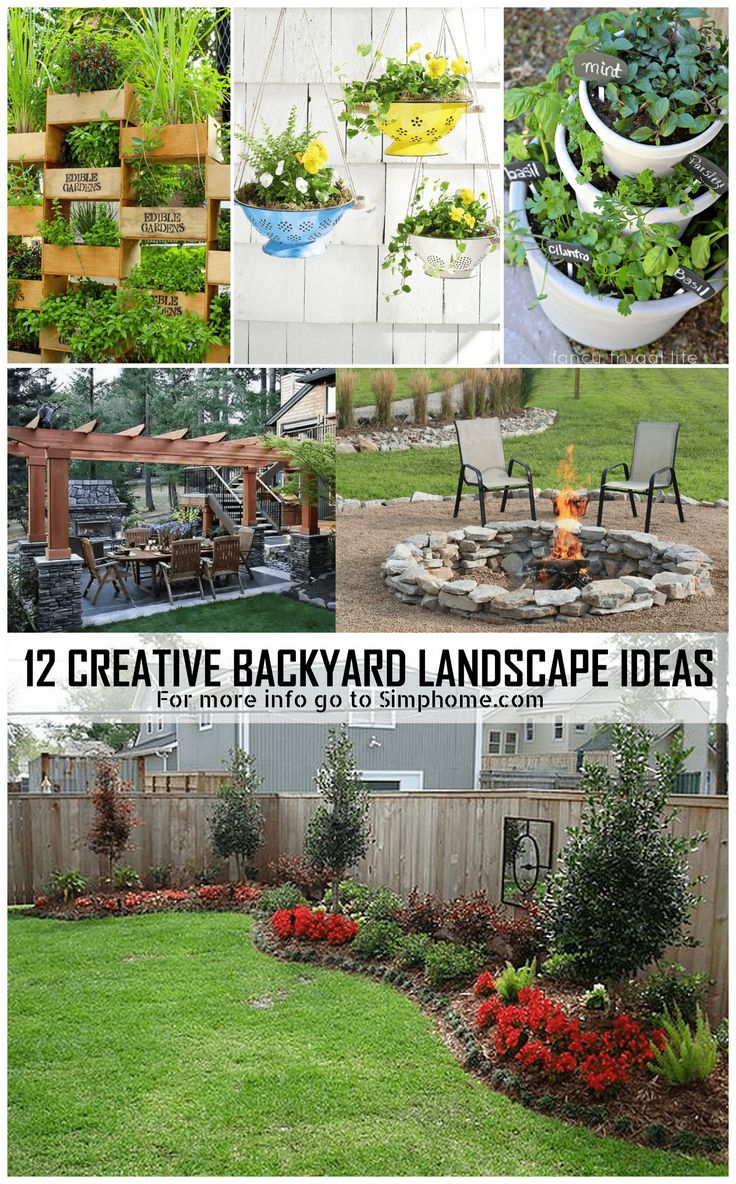

You’ve probably stood in your backyard, squinting at that patch of dirt or overgrown shrubs, wondering where to even begin. Maybe you bought a bag of mulch on a whim, tossed it down, and hoped for the best. Or perhaps you planted a tree because it looked cute in the nursery, only to watch it struggle in the shade three weeks later. We’ve all been there. It’s easy to feel overwhelmed by the sheer number of choices—plants, pavers, lights, furniture—and the fear that one wrong move will cost you hundreds, if not thousands, of dollars.
But here is the good news: you don’t need to be a landscape architect to get it right. In 2026, the gap between dreaming and doing has never been smaller. With new tech tools and a bit of old-school common sense, you can stop guessing and start building a space that actually works for you. It’s not about perfection. It’s about intention. Let’s walk through how to turn that chaotic patch of grass into your personal sanctuary, step by simple step.
Know Your Space Before You Spend a Dime
Before you buy a single plant or stone, you need to become a detective in your own yard. Most mistakes happen because people skip this part. They see a pretty picture online and try to force it onto their land without checking if it fits. Take a weekend to just observe. Where does the sun hit in the morning? Where are the shady spots in the afternoon? This matters more than you think. A rose bush might look stunning in a catalog, but if you put it in deep shade, it’s going to sulk and die.
Grab a notebook or your phone and map out the "bones" of your yard. Note where the water pools after a rainstorm. Is there a slope that causes erosion? Are there existing trees or structures you want to keep? Understanding these physical constraints saves you from heartache later. For instance, if you have poor drainage, no amount of fancy paving will fix the mud problem unless you address the water flow first. This initial assessment is the foundation of everything else. It’s boring, sure, but it’s also the secret to a yard that lasts.
Don’t forget to look up and down, too. Check for overhead power lines if you’re thinking about tall trees. Look underground for utility lines before you dig any holes for posts or ponds. In many places, you can call a local service to mark these lines for free. Ignoring this step can lead to dangerous accidents or costly repairs. By taking the time to truly know your land, you’re setting yourself up for success rather than fighting against nature.
Define How You Actually Live Outside
Now that you know what your yard can do, ask yourself what you want it to do. This is where many folks get tripped up. They design for a lifestyle they wish they had, not the one they actually live. Do you really see yourself hosting large dinner parties every weekend? Or would you prefer a quiet corner with a hammock and a book? Be honest. If you hate gardening, don’t plan a massive flower bed that requires weekly deadheading. You’ll end up resenting the space.
Think about your daily routines. Do you have dogs that need room to run? Kids who need a safe play area? Maybe you work from home and need a secluded spot for Zoom calls with a nice view. List your top three priorities. Maybe it’s privacy, low maintenance, and a place to grill. Whatever it is, let those needs drive the design. A yard should serve you, not the other way around. If you love cooking, invest in a good patio and outdoor kitchen setup. If you love stargazing, clear out some sky view and add comfortable seating.
Consider the flow of movement, too. How do you get from the back door to the trash cans? Is there a clear path? People often forget practical paths and end up trampling the grass because it’s the easiest route. Create intentional walkways that connect the zones you use most. This makes the yard feel larger and more organized. It’s about creating a seamless transition between your indoor life and your outdoor oasis. When the layout matches your habits, the space feels natural and inviting.
Visualize It Without the Risk
Here is where things get exciting. In the past, you’d have to hire an expensive designer or spend hours learning complex software to see what your yard might look like. But in 2026, technology has leveled the playing field. Tools like AI-powered backyard planners allow you to upload a photo of your current space and instantly generate realistic designs. You can try out different styles—modern, cottage, tropical—without lifting a shovel. It’s like trying on clothes before you buy them.
These tools aren’t just gimmicks. They help you spot issues early. Maybe you realize that a huge patio blocks too much light for your garden. Or perhaps you see that a certain color scheme clashes with your house’s brick. By visualizing first, you avoid the regret of buying materials that don’t fit the vibe. Some platforms even let you swap out plants and hardscape materials with a click, giving you a clear idea of costs and aesthetics. It takes the guesswork out of scale and proportion.
Of course, digital renders aren’t perfect. They might not account for every nuance of your soil or microclimate. But they are incredibly useful for brainstorming. Use them to narrow down your ideas. Pick two or three concepts you love and refine them. You can even share these images with friends or family to get feedback. It’s a low-stakes way to experiment. Once you have a visual plan you’re happy with, you’ll feel much more confident moving forward. You’re no longer guessing; you’re executing a vision.
Pick Plants That Want to Be There
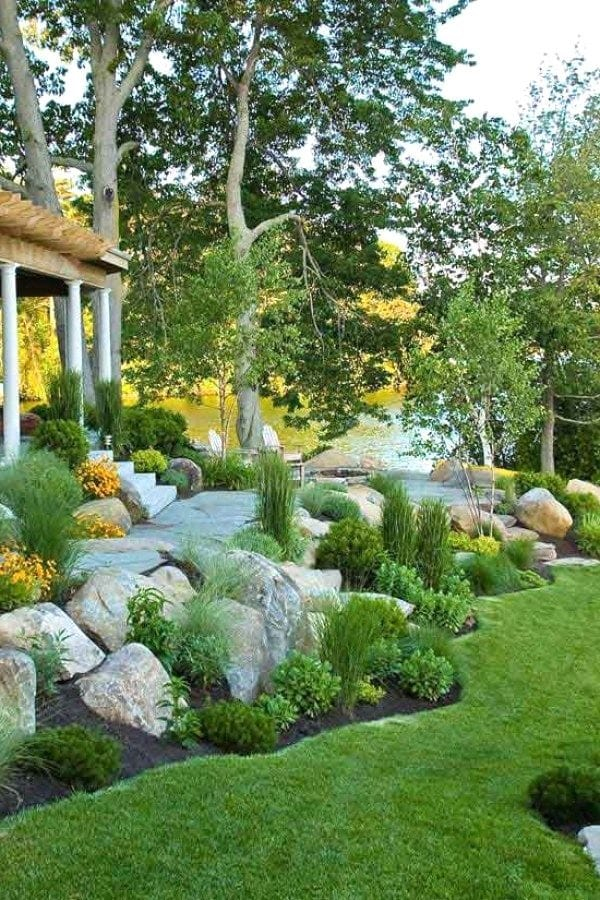
One of the biggest myths in landscaping is that you can make any plant grow anywhere if you just try hard enough. You can’t. And you shouldn’t have to. The key to a lush, vibrant yard is choosing plants that are native or well-adapted to your specific region. These plants are already suited to your local weather, soil, and pests. They require less water, less fertilizer, and less fuss. It’s working with nature instead of against it.
Start by identifying your hardiness zone. This tells you which plants can survive your winter temperatures. Then, look at your soil type. Is it sandy? Clay-heavy? Loamy? Some plants love dry, sandy soil, while others rot in it. Matching the plant to the site ensures they thrive with minimal effort. For example, if you have a shady, damp corner, ferns and hostas will flourish there naturally. Trying to grow lavender in that spot is a recipe for frustration.
Also, think about year-round interest. Don’t just pick plants that bloom in spring. Choose a mix that offers color, texture, and structure throughout the seasons. Evergreen shrubs provide backbone in winter. Ornamental grasses add movement in fall. Bulbs pop up in early spring. This creates a dynamic space that feels alive all year long. And remember, biodiversity matters. Native plants support local pollinators like bees and butterflies, which helps the whole ecosystem. It’s a small choice that makes a big impact.
Build the Bones with Hardscaping
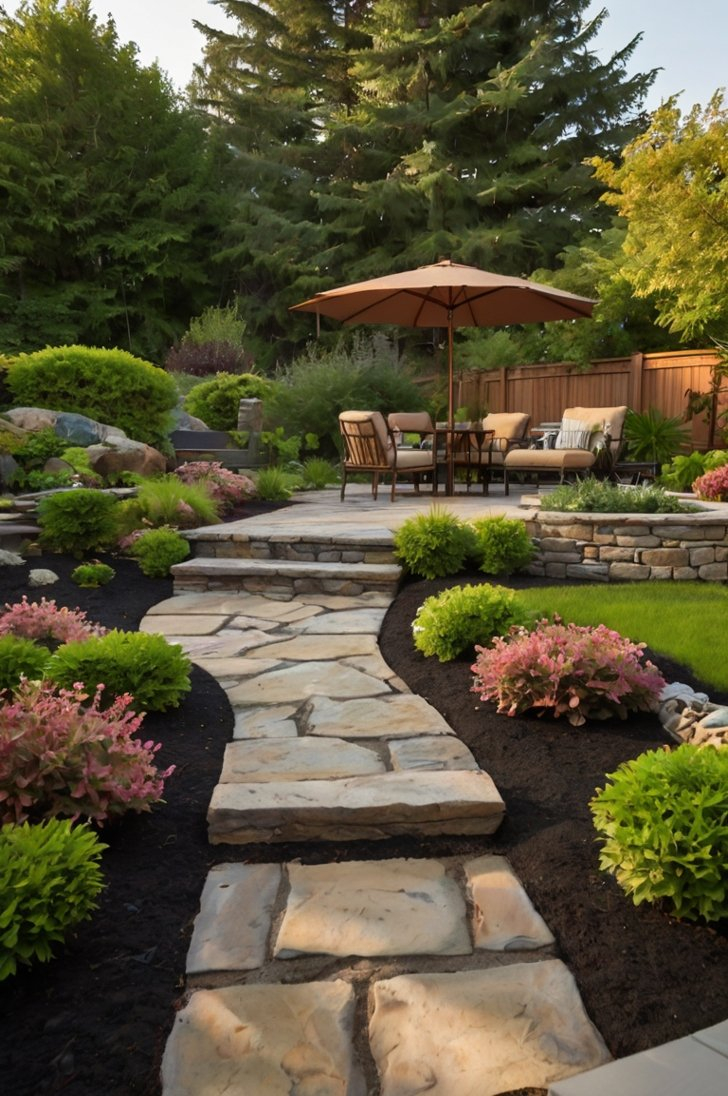
Plants are the flesh and blood of your yard, but hardscaping is the skeleton. It provides structure and function. Patios, pathways, retaining walls, and fences define the spaces and make them usable. When planning hardscape, think about durability and maintenance. Natural stone looks beautiful but can be pricey and irregular. Pavers are consistent and easier to install for DIYers. Concrete is affordable but can crack in freeze-thaw cycles if not poured correctly. Choose materials that fit your budget and skill level.
Scale is crucial here. A tiny patio in a huge yard looks lost. A massive deck in a small garden feels cramped. Measure carefully and use stakes or hoses to outline the areas on the ground before you build. Walk around the outlines. Does it feel right? Is there enough room for a table and chairs? Can you open the door fully without hitting a step? These small details make a huge difference in comfort. Don’t skimp on the base preparation either. A well-compacted gravel base prevents sinking and shifting later on.
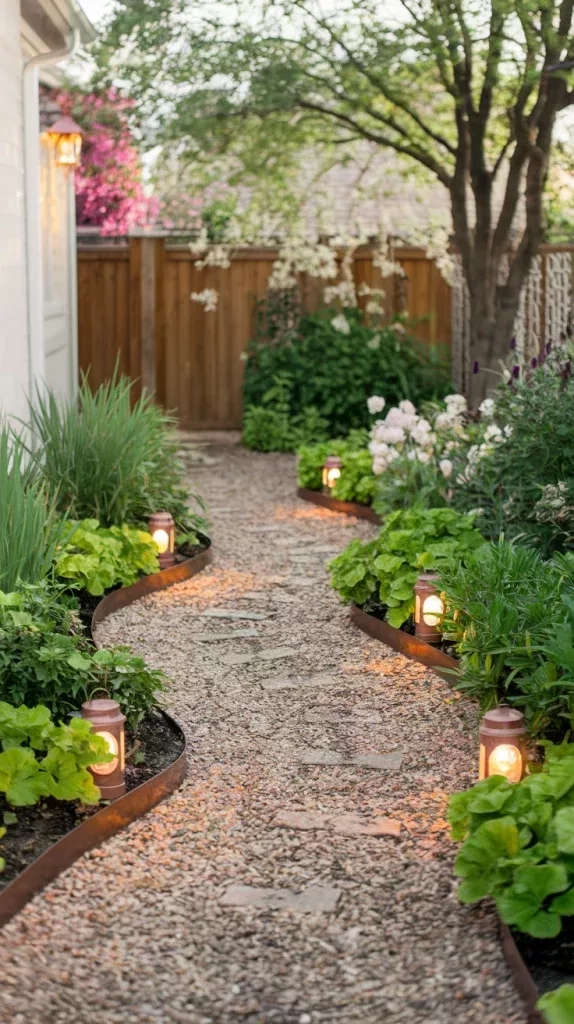
Lighting is part of hardscaping too. It extends the usability of your yard into the evening. Think layered lighting: ambient light for general visibility, task light for cooking or reading, and accent light to highlight trees or architectural features. LED options are energy-efficient and long-lasting. Solar lights have improved significantly in recent years, offering brighter, more reliable illumination without wiring. Plan your lighting early so you can bury wires or place fixtures during construction, rather than retrofitting later.
Trying to do everything at once is a fast track to burnout and bankruptcy. Landscaping is a marathon, not a sprint. Break your project into manageable phases. Start with the essentials: clearing debris, fixing drainage, and installing major hardscape elements like patios or paths. These are the hardest parts to change later, so get them right first. Once the heavy lifting is done, you can move on to planting and softer touches.
Phase two might involve adding larger trees and shrubs. These take time to establish, so planting them early gives them a head start. Leave room for perennials and annuals in phase three. This allows you to adjust as you see how the space evolves. Maybe you realize you need more privacy screening, or you find a spot that’s perfect for a vegetable garden. By leaving some flexibility, you can adapt to your changing needs and budget.
Don’t be afraid to pause between phases. Let the dust settle. Enjoy the new patio for a season before adding more. This gives you time to save money and gather inspiration. It also prevents decision fatigue. Landscaping is personal and iterative. Your yard will grow and change with you. By taking it step by step, you reduce stress and ensure each element gets the attention it deserves. Plus, spreading out the cost makes it more affordable. You’re building a legacy, not just a weekend project.
Creating your dream yard doesn’t have to be a mystery. It starts with understanding your space, defining your needs, and using the tools available to visualize your goals. By choosing the right plants, building solid hardscape, and tackling the work in phases, you transform a daunting task into a rewarding journey. Remember, the goal isn’t a magazine-perfect lawn. It’s a space that reflects who you are and supports how you live. So take a deep breath, grab a notebook, and start planning. Your outdoor oasis is waiting.