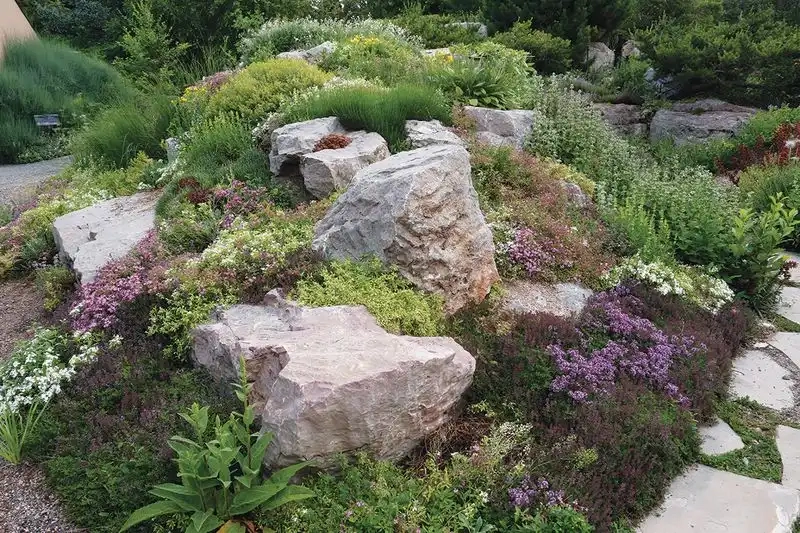

Ever stepped outside on a scorching summer afternoon and felt like you were walking into an oven? You’re not alone. As temperatures climb and droughts become more common in 2026, homeowners are looking for ways to beat the heat without draining their wallets or the local reservoir. But here’s the thing: you don’t need a massive irrigation system or a shady forest to find relief. You just need to understand the secret language of your yard.
It’s called microclimate design, and when paired with xeriscaping, it’s a game-changer. Most people hear "xeriscape" and picture barren rocks and sad, spiky cacti. That’s a huge misconception. A properly designed xeriscape can be lush, colorful, and seasonally dynamic. It’s about working with nature, not against it. By strategically placing plants, hardscapes, and water features, you can drop the temperature in your garden by several degrees. Sounds nice, right? Let’s dig into how you can make it happen.
Understanding the Hidden Climate Zones in Your Yard
Before you buy a single plant, you need to become a detective in your own backyard. Every yard has unique microclimates—small areas where the temperature, moisture, and wind conditions differ from the rest of the property. Maybe the north side of your house stays cool and damp because it rarely sees direct sun. Or perhaps that corner near the driveway is a heat trap, reflecting sunlight and baking everything nearby. Identifying these zones is the first step to success.
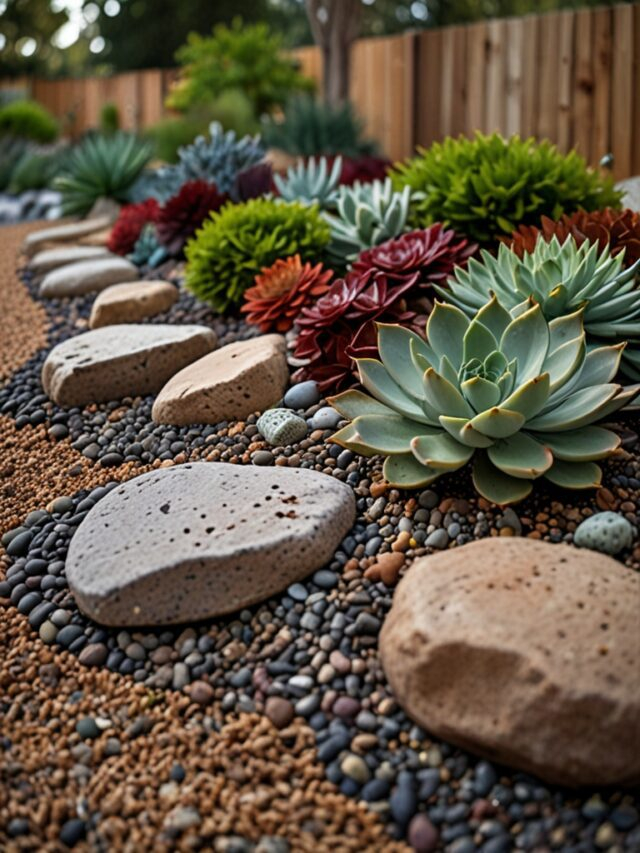
Start by observing your space at different times of day. Where does the frost linger in winter? Where does the soil dry out fastest in July? These patterns tell you what each zone can handle. For instance, a south-facing wall might be too hot for delicate ferns but perfect for heat-loving succulents. Meanwhile, a shaded area under a large oak could support moisture-retentive groundcovers that would wilt elsewhere. This isn’t just guesswork; it’s intelligent site analysis.
Don’t forget to consider wind patterns too. A breezy spot might dry out plants quickly, requiring species with tough, waxy leaves. Conversely, a sheltered nook protected by a fence might hold humidity longer, allowing for a wider variety of plant choices. By mapping these invisible boundaries, you create a blueprint that works with your natural environment rather than fighting it. It saves water, saves money, and honestly, it just makes gardening less stressful.
The Myth of the Barren Desert Garden
Let’s clear the air: xeriscaping does not mean zero-scaping. There’s a big difference. Zero-scaping relies heavily on hardscape like concrete and gravel, which can actually radiate heat and make your yard hotter. Xeriscaping, on the other hand, uses beautiful plantings to create cooler microclimates. It’s a proactive approach to climate change adaptation that looks good and feels good. In fact, studies show that well-designed xeriscapes can reduce irrigation needs by 50-75% while maintaining ecological function and property value.
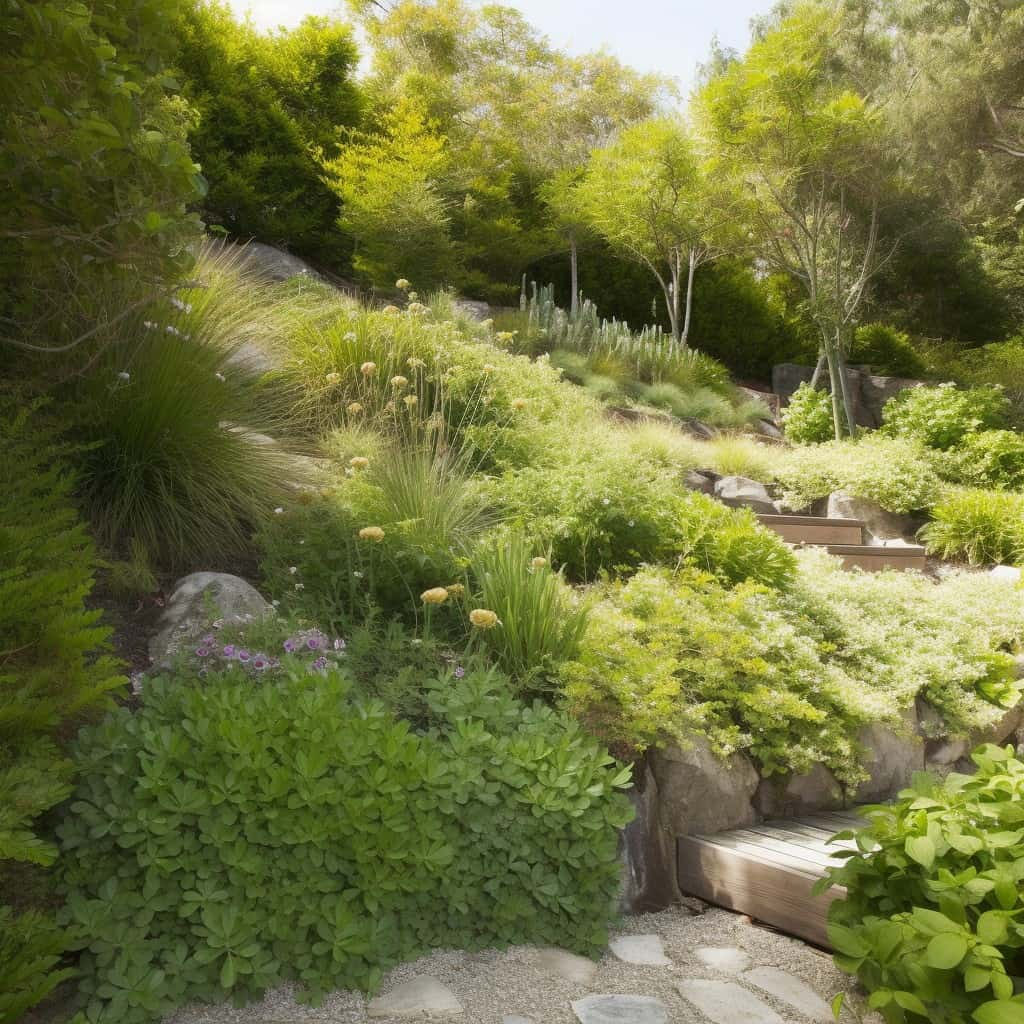
The key is diversity. Think beyond cactus. Imagine flowing ornamental grasses that sway in the breeze, vibrant flowering perennials that attract pollinators, and shade trees that provide canopy cover. These elements work together to lower ambient temperatures. Plants release moisture through transpiration, which acts like natural air conditioning. When you group them strategically, they create a humid, cooler bubble that contrasts sharply with the surrounding heat.
Color and texture play a huge role here too. Light-colored foliage reflects sunlight, keeping plants cooler. Dark green leaves absorb heat. By mixing these, you can manage thermal loads across your garden. Plus, a diverse plant palette ensures something is always blooming or looking interesting, no matter the season. It’s not about deprivation; it’s about smart selection. You get a lush, dynamic landscape that thrives on less water. Who wouldn’t want that?
Strategic Plant Placement for Maximum Cooling
Now that you know your zones and have busted the myths, it’s time to place your plants with purpose. The goal is to create layers of protection against the sun and wind. Start with the biggest players: shade trees. Planting deciduous trees on the west and south sides of your home can block intense afternoon sun in summer while allowing warming light through in winter. This simple move can significantly reduce indoor cooling costs and create a comfortable outdoor living space.
Next, think about windbreaks. Strong winds strip moisture from soil and leaves, forcing you to water more often. A dense hedge or a row of shrubs can slow down the wind, creating a calmer, more humid environment behind it. Native grasses are excellent for this because their deep root systems stabilize soil and require minimal care once established. They also add movement and sound to your garden, which is pretty soothing if you ask me.
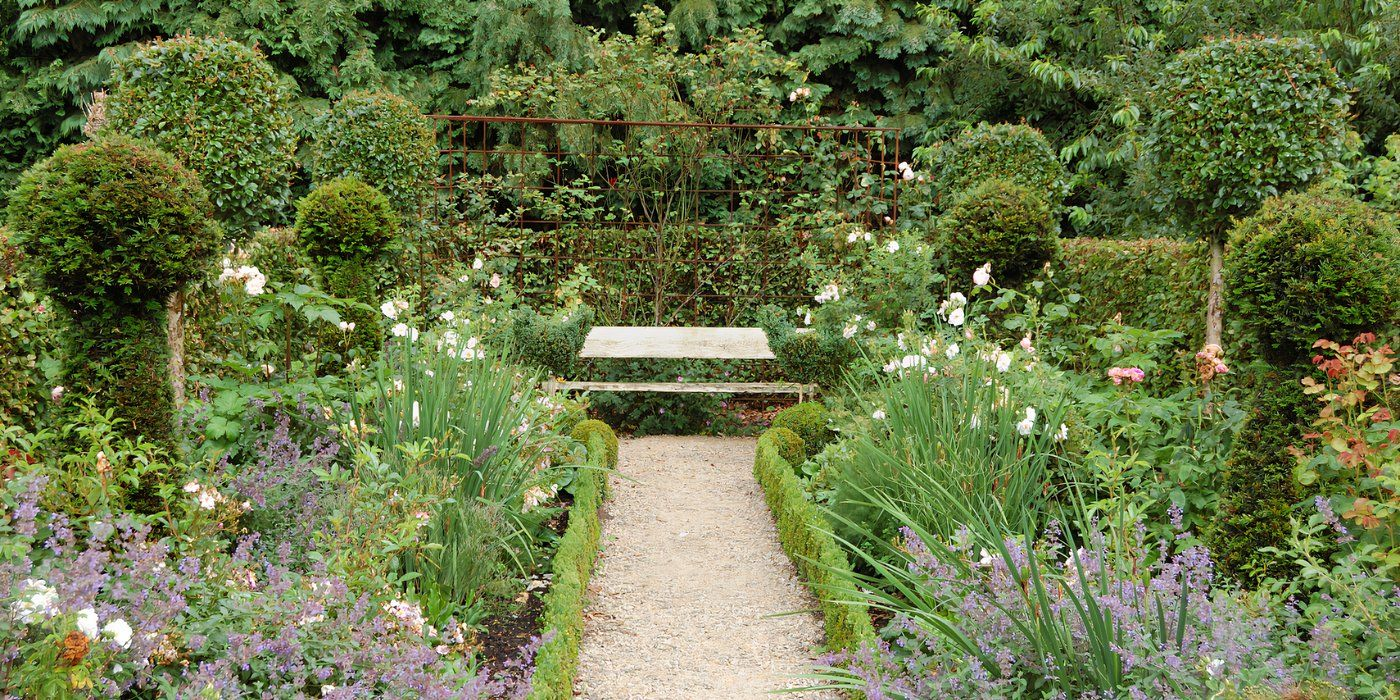
Don’t overlook vertical space either. Vines climbing a trellis or a wall can insulate buildings from heat. Green walls aren’t just trendy; they’re functional. They shade the structure beneath them, reducing heat absorption. Just make sure to choose drought-tolerant varieties like jasmine or honeysuckle that won’t demand constant soaking. By layering plants from tall trees down to groundcovers, you build a self-sustaining ecosystem that regulates its own temperature. It’s like building a natural umbrella over your yard.
Hardscape Choices That Keep Things Cool
Plants are vital, but hardscape matters too. The materials you choose for paths, patios, and walls can make or break your microclimate. Traditional dark asphalt or concrete absorbs heat during the day and releases it at night, turning your yard into a radiator. Instead, opt for light-colored permeable pavers, decomposed granite, or mulch. These materials reflect sunlight and allow water to infiltrate the soil, keeping roots cool and hydrated.
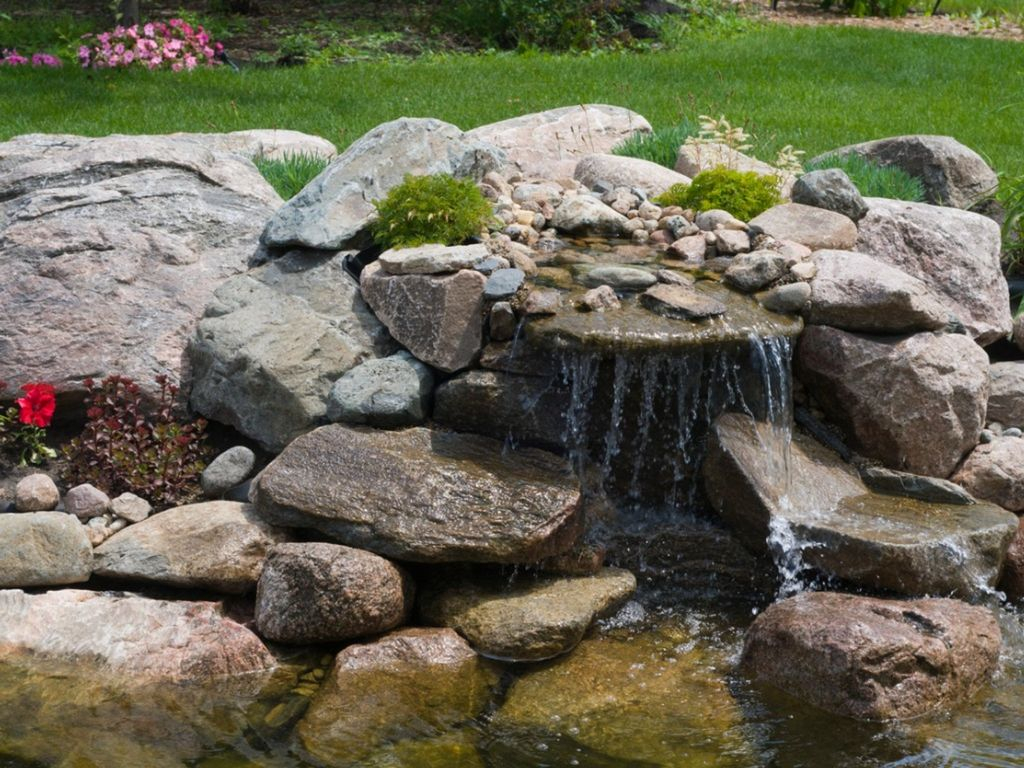
Water features are another powerful tool. You don’t need a massive pond; even a small bubbling fountain can help. As water evaporates, it cools the surrounding air. This process, known as evaporative cooling, can lower temperatures by several degrees in immediate vicinity. Plus, the sound of running water adds a sensory layer that makes your garden feel like a retreat. Just ensure the feature is sized appropriately for your space so it doesn’t become a maintenance burden.
Grouping plants with similar water needs is crucial here too. This practice, called hydrozoning, prevents overwatering some areas while underwatering others. Place high-water-use plants near water sources or in naturally moist microclimates, and keep drought-tolerant species in drier spots. This efficiency not only saves water but also promotes healthier plant growth. When your hardscape and softscape work in harmony, you create a balanced environment that feels intentional and peaceful. It’s less about controlling nature and more about guiding it gently.
Soil Health and Mulching Secrets
Healthy soil is the foundation of any successful garden, especially in dry climates. Compacted, poor-quality soil drains too fast or holds too much water, stressing plants. Amending your soil with organic matter improves its structure, allowing it to hold moisture and nutrients better. Compost is your best friend here. It feeds beneficial microbes and helps roots penetrate deeper, where temperatures are more stable.
Mulch is arguably the most underrated hero in xeriscape design. A thick layer of organic mulch—like wood chips or shredded bark—acts as insulation. It keeps soil cool in summer and warm in winter, reducing evaporation by up to 70%. This means you water less frequently, and your plants stay happier. Plus, as mulch breaks down, it adds nutrients back into the soil. It’s a win-win situation.
Avoid using plastic weed barriers if you can. They prevent water and air from reaching the soil and eventually degrade into microplastics. Natural mulches breathe and improve soil health over time. If you’re worried about weeds, a layer of cardboard under the mulch works wonders as a biodegradable barrier. Remember, healthy soil leads to healthy plants, and healthy plants create better microclimates. It’s all connected. Taking care of the dirt beneath your feet pays off in spades later on.
Creating a cool microclimate isn’t a one-and-done project; it requires ongoing care. But don’t worry, xeriscaping is low-maintenance, not no-maintenance. Regular observation is key. Check your plants for signs of stress, like wilting or yellowing leaves, and adjust your watering schedule accordingly. In 2026, smart irrigation controllers can help automate this process, adjusting based on weather forecasts and soil moisture levels. This tech saves time and ensures your plants get exactly what they need.
Pruning is another essential task. Removing dead or diseased branches improves air circulation and reduces pest habitats. It also helps shape your plants to maximize shade and wind protection. Don’t be afraid to cut back hardy perennials in late winter to encourage fresh growth in spring. And remember to clean out debris from water features and gutters to keep everything functioning smoothly. A little effort goes a long way.
Finally, be patient. Establishing a new landscape takes time. Plants need a season or two to settle in and develop deep root systems. During this establishment phase, they may need more frequent watering. But once they’re rooted, they’ll thrive with minimal intervention. Enjoy the process. Watch how the birds and butterflies return. Notice how the air feels cooler under your new shade tree. These small victories make the work worthwhile. Gardening is a journey, not a race.
So, there you have it. Creating cool microclimates through strategic xeriscape design is entirely within reach. It starts with understanding your yard’s unique personality, choosing the right plants, and using smart hardscape choices. You don’t need to be an expert to start; you just need to be willing to observe and adapt. By reducing water use and lowering temperatures, you’re not just improving your own comfort—you’re contributing to a more sustainable future.
The beauty of this approach lies in its flexibility. Whether you have a tiny urban patio or a sprawling suburban lot, these principles apply. Start small if you need to. Replace a patch of thirsty lawn with native grasses. Add a shade tree. Lay down some mulch. Each step counts. And as you see the results—lower water bills, cooler evenings, and a vibrant garden—you’ll likely want to do more.
In a world facing increasing climate challenges, our gardens can be part of the solution. They can be sanctuaries of coolness and life amidst the heat. So grab your shovel, get your hands dirty, and start designing. Your yard—and the planet—will thank you. It’s never too late to grow something beautiful and resilient.