
You look out your window and see a sea of green grass. It’s neat. It’s tidy. But it’s quiet. Too quiet, maybe? For years, we’ve been told that a perfect lawn is the peak of home ownership. But something has shifted. In 2026, more people are realizing that their yards can be more than just a carpet to mow. They can be living, breathing habitats.
It feels overwhelming, doesn’t it? The idea of ripping out everything and starting over. The cost. The labor. The fear of killing every plant you touch. But here is the secret nobody tells you: you don’t have to do it all at once. In fact, you shouldn’t. Small steps matter. A single milkweed plant can save a monarch butterfly. One native shrub can feed a family of birds. You don’t need an acre. You just need a start.
Why Tiny Changes Create Big Waves
Think about the last time you saw a butterfly. Was it in a manicured lawn? Probably not. Native plants are the backbone of our local ecosystems. They have co-evolved with insects, birds, and mammals for thousands of years. Exotic plants, no matter how pretty, often offer little to no food value for local wildlife. They might look nice, but they are essentially plastic flowers to a hungry caterpillar.
When you pledge to add even a few natives, you are plugging into a network. Stuart Pimm, a conservation biologist at Duke University, noted recently that even small suburban gardens provide crucial habitats. It’s not about size. It’s about function. A patch of native flowers acts as a fueling station for migrating birds. A cluster of native oaks supports hundreds of species of caterpillars, which in turn feed baby birds. It’s a chain reaction, and you are the first link.
This isn’t just about saving bugs, though that’s important. It’s about reconnecting with the place you live. When you plant what belongs there, the garden starts to feel like it fits. It feels right. You stop fighting against the soil and the climate, and you start working with them. That shift in perspective is powerful. It turns gardening from a chore into a partnership with nature. And honestly? It’s much less work in the long run.
Start Where You Are, Not Where You Wish You Were
The biggest mistake people make is trying to boil the ocean. They look at their entire yard, get intimidated, and do nothing. Don’t do that. Instead, pick one spot. Maybe it’s that sunny corner by the mailbox that always looks bare. Or perhaps it’s the shady strip under the oak tree where grass refuses to grow. That’s your starting line.
Laura Tipton, a native plant expert, started her own rewilding journey with small patches. She didn’t dig up her whole yard on day one. She added beds gradually. The result? Less mowing, more biodiversity, and a deep sense of satisfaction. You can do the same. Take a look at your existing landscape. Can you swap out one non-native bush for a native alternative? Can you expand a flower bed by two feet? These micro-changes add up.
If you are starting from scratch, or just want a new bed, consider removing a small section of turf grass. The Native Plant Society of Texas suggests finding an area where you’d like to add natives and just going for it. It doesn’t have to be perfect. It just has to be planted. Remember, this is a work in progress. Nature doesn’t rush, and neither should you. Give yourself permission to experiment. If a plant dies, it’s not a failure. It’s data. You learned what doesn’t work. Try something else next season.
Know Your Ground Before You Dig
Before you buy a single plant, stop. Look. Observe. This step saves so much heartache later. Every yard has its own personality. Some spots are bone-dry and baked by the sun. Others are soggy shadows. Native plants are tough, but they still have preferences. A plant that loves dry, rocky soil will rot in a damp clay patch. Knowing your conditions is half the battle.
Take a walk around your property. Notice where the sun hits in the morning versus the afternoon. Check the drainage after a rainstorm. Is the water pooling or soaking in quickly? Visit local natural areas if you can. The Lady Bird Johnson Wildflower Center recommends observing native plants in the wild to see where they thrive. If you see a certain fern growing happily in a shady, wet creek bed nearby, it might do well in your damp backyard corner.
Soil type matters too. You don’t need a lab test, but a simple squeeze test helps. Wet some soil and squeeze it. Does it hold its shape like clay? Does it crumble like sand? Most natives are adaptable, but matching the plant to the soil reduces the need for amendments and extra water. Also, think about water. Do you have irrigation? Will you hand-water? Be honest about how much time you want to spend. Many natives are drought-tolerant once established, but they need help getting started. Plan accordingly.
Designing for Humans and Wildlife
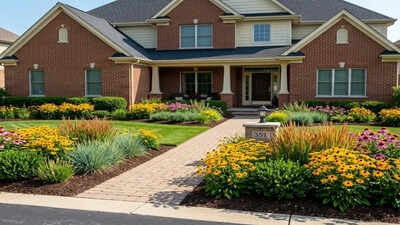
There is a myth that native gardens look messy. Like a neglected weed patch. This couldn’t be further from the truth. Intentional design is key. Especially if you live in a community with strict rules, like an HOA. Homegrown National Park advises creating gardens that look organized and deliberate. Use edges. Define your beds with clear lines. Mulch neatly. Group plants in drifts rather than scattering them singly. This creates a visual impact that reads as "landscape," not "accident."
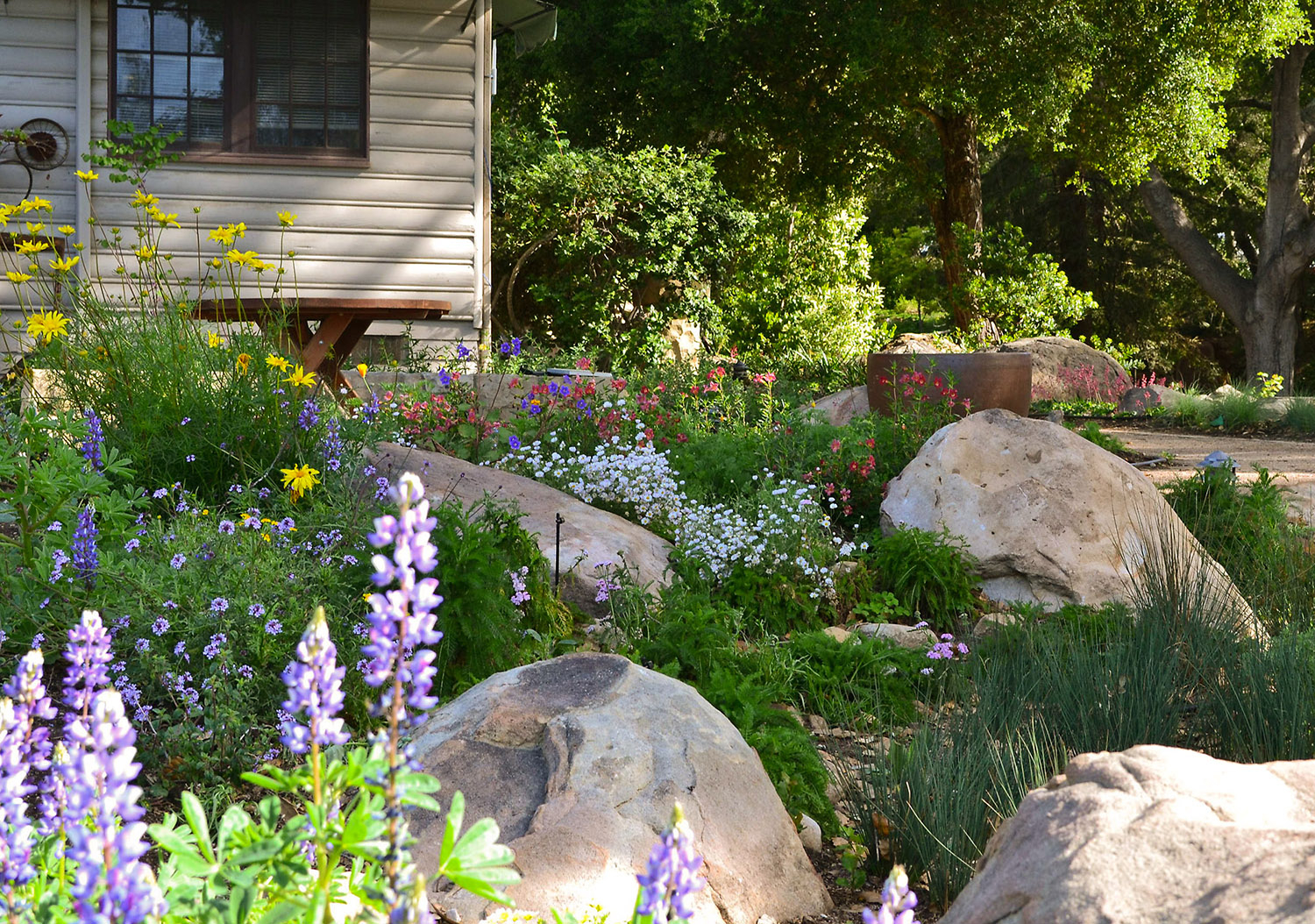
Layering is another pro tip. Think like a forest. You have trees in the canopy, shrubs in the understory, and perennials on the ground. Even in a small space, you can mimic this. Plant a small native tree, surround it with shrubs, and fill in the gaps with flowers. This provides shelter and food for wildlife at different levels. Birds nest in the shrubs. Butterflies lay eggs on the leaves. Bees buzz among the flowers. It’s a vertical city for nature.
Don’t forget the human element. You live there too. Include paths so you can walk through and enjoy the view. Add a bench. Choose plants with scents you love, or textures that feel good to touch. A garden should engage all your senses. When you design with both beauty and ecology in mind, you get the best of both worlds. You get a sanctuary for yourself and a haven for wildlife. And if neighbors complain? A tidy, blooming native garden is hard to argue with. It’s colorful, alive, and clearly cared for.
Navigating Rules and Community Pushback
Let’s talk about the elephant in the room. Homeowner Associations. Or nosy neighbors. Or city ordinances. It can feel like there are barriers everywhere. But in 2026, the tide is turning. More communities are updating their guidelines to allow for eco-friendly landscaping. The first step is knowledge. Read your HOA’s covenants. Look for words like "native," "drought-tolerant," or "xeriscape." Often, the rules are vaguer than you think.
Communication is your best tool. Talk to your board or neighbors before you dig. Show them pictures of what you plan to do. Explain the benefits. Less water usage. No pesticides. More birds. Frame it as an upgrade, not a rebellion. If you are worried about appearance, stick to the "intentional design" rule mentioned earlier. Keep the edges crisp. Keep the height manageable near sidewalks. Show that you are a responsible steward.
You are not alone in this. There are movements like Homegrown National Park that encourage people to sign pledges and add their yards to a map. Seeing that others in your area are doing it too gives you confidence. It creates a sense of community. You might even inspire a neighbor to join in. Imagine if every house on your block added just three native plants. The cumulative effect would be massive. Corridors of habitat would form, allowing wildlife to move safely through the neighborhood. Your small step becomes part of a larger stride.
The Joy of Watching Life Return
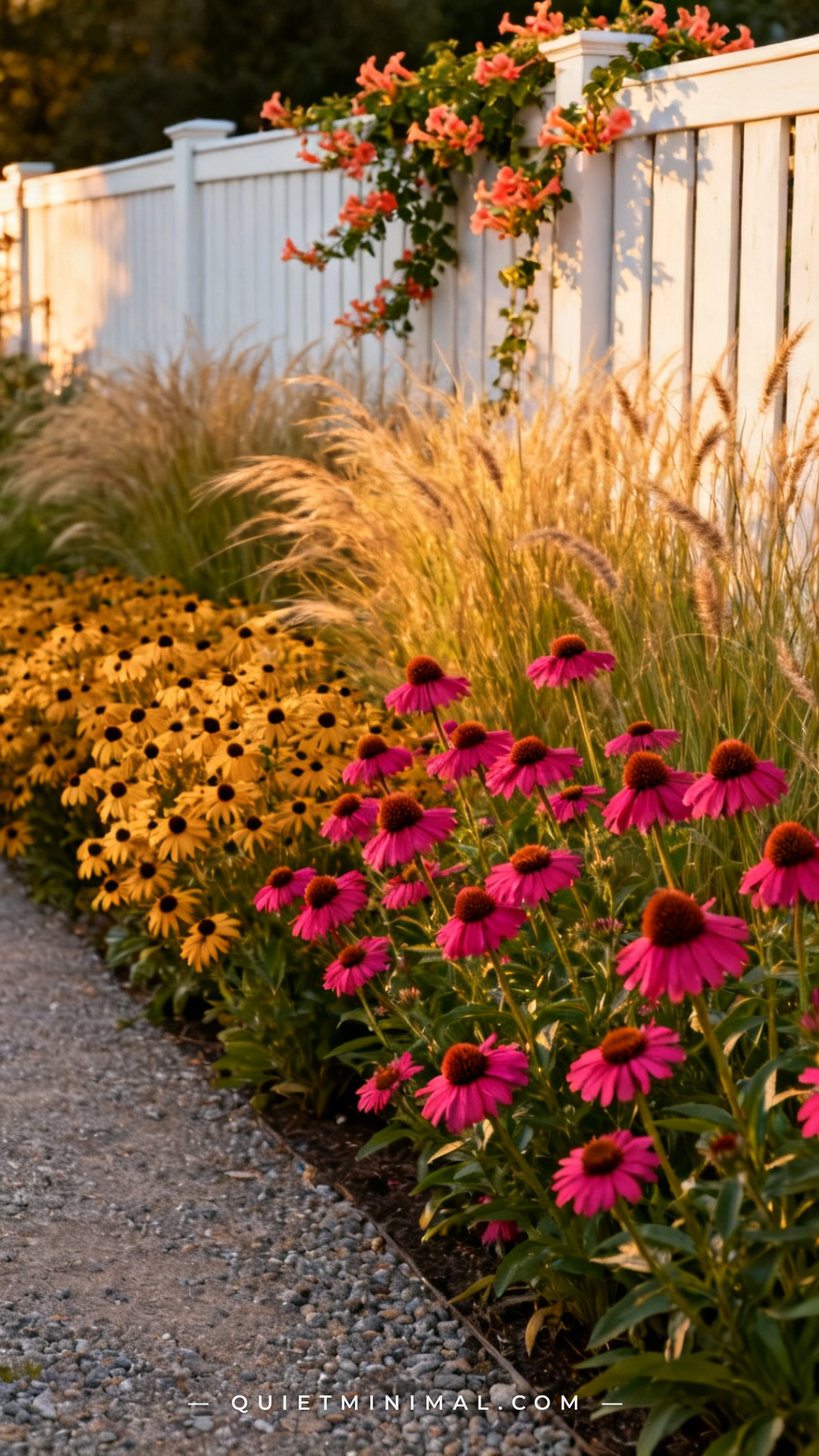
Here is the payoff. The reason we do this. It’s not just about checking a box or being "green." It’s about the magic of watching life return. You plant a few purple coneflowers. A week later, a goldfinch lands on one. You plant some milkweed. A monarch caterpillar appears. It’s slow at first. Then, suddenly, it’s everywhere. The silence breaks. The air hums.
This connection is profound. In a world that feels increasingly digital and disconnected, tending to a native garden grounds you. You notice the seasons changing. You see the first bud of spring. You watch the leaves turn in fall. You become attuned to the rhythms of your local environment. It’s a form of mindfulness that doesn’t require sitting still. It requires getting your hands dirty.
And let’s be real. It’s fun. There is a genuine joy in seeing a bee drunk on nectar. In hearing a chickadee call from a branch you planted. These moments are small, but they add up to a richer life. You are participating in something ancient and vital. You are helping to heal the land, one square foot at a time. So don’t worry about doing it perfectly. Just start. Plant one thing. Watch what happens. Then plant another. The rest will follow.
So, where do you go from here? You’ve picked your spot. You’ve checked your soil. You’ve bought your first few plants. Now, be patient. Native plants often spend their first year establishing roots. They might not look like much above ground. Don’t panic. They are building a foundation. Water them regularly during that first season. After that, they will likely thrive on their own.
Keep learning. Join a local native plant society. Attend workshops. Swap seeds with friends. Gardening is a communal activity, even when you’re alone in the yard. Share your successes and your failures. Talk about what’s working. The more we share knowledge, the easier it becomes for everyone. In 2026, resources are more available than ever. Use them.
Remember, this is a marathon, not a sprint. You don’t have to finish the project this year. Or next year. Let the garden evolve. Let it surprise you. Maybe a volunteer seedling pops up where you didn’t plant anything. Let it stay. See what it is. It might be a rare native you didn’t know you had. Embrace the unexpected. Keep adding small steps. Keep pledging to do a little more. Because when we all take small steps, we move mountains. Or at least, we grow forests. And that’s enough.