
Ever looked at your backyard and felt a mix of pride and panic? Pride because it’s yours, a little slice of earth. Panic because, well, have you seen the price of mulch lately? It feels like every time we turn around, the cost of making our outdoor spaces beautiful goes up. But here’s the thing. It’s not just about inflation or supply chain hiccups anymore. The way we think about our gardens has shifted. Big time.
We are in 2026, and the old rules don’t really apply. You can’t just throw money at a generic lawn care service and expect it to look good or feel right. People want spaces that do more. They want gardens that save water, support bees, and maybe even help lower their electric bills. If your budget is still stuck in 2019, you might be overspending on things that don’t matter and underinvesting in what does. Let’s talk about where your money should actually go this year.
The Shift from "Green Grass" to "Smart Ground
Remember when a perfect, emerald-green lawn was the ultimate status symbol? Yeah, those days are basically gone. In 2026, maintaining a thirsty, high-maintenance turf is seen as a bit of a financial leak. Water restrictions have tightened in so many regions, and the cost of irrigation has skyrocketed. Homeowners are realizing that pouring hundreds of dollars into keeping grass alive during dry spells is just not sustainable.
Instead, the budget is moving toward "smart ground" covers. This means clover, creeping thyme, or native fescues that stay green with a fraction of the water. It’s not just about being eco-friendly; it’s about being wallet-friendly. By swapping out large swaths of traditional sod for these alternatives, you cut your water bill significantly. Plus, you spend less on fertilizer and mowing fuel. It’s a win-win that looks lush without the high price tag.
If you are still budgeting for weekly mowing and heavy chemical treatments, stop. Redirect those funds. Invest in soil health instead. Healthy soil holds moisture better and supports stronger plant roots. A one-time investment in compost and soil amendment pays off for years. It’s a slower burn, sure, but your bank account will thank you every month when the utility bill arrives.
Native Plants Are No Longer Just a Niche Choice
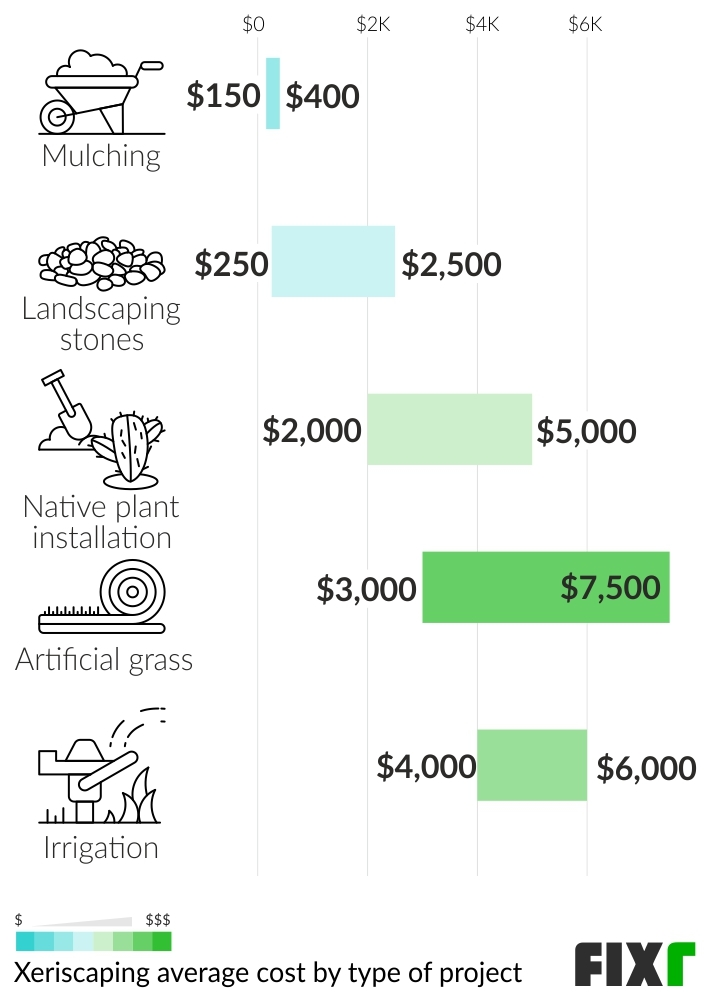
There was a time when planting native species was something only hardcore environmentalists did. Now? It’s the smartest financial move you can make in your garden. Non-native exotic plants often struggle in local climates. They need extra water, special fertilizers, and constant coddling. When they get sick, you have to pay an expert to fix them or replace them entirely. That is a budget killer.
Native plants, on the other hand, are built for your specific area. They know how to handle the local rain patterns and temperature swings. In 2026, nurseries are seeing a huge surge in demand for these local heroes. Because they are easier to grow in bulk, prices have become more competitive. You aren’t paying a premium for rarity anymore; you’re paying for reliability. And reliability saves money.
Think about the labor costs too. A garden filled with natives requires far less maintenance. You aren’t pruning them into unnatural shapes or fighting off pests that don’t belong there. This means you can hire a landscaper for fewer visits per year, or if you DIY, you spend your weekends relaxing instead of sweating. The initial setup might cost the same as a traditional garden, but the five-year cost is drastically lower.
Hardscaping: Quality Over Quantity
Here is a tough pill to swallow. Cheap pavers crack. Flimsy decks rot. In previous years, people might have opted for the lowest bid to get a patio installed quickly. But with material costs remaining high in 2026, doing it twice is not an option. The trend now is to do it once, and do it right. This means allocating a bigger chunk of your budget to high-quality hardscaping materials that last decades, not just seasons.
This doesn’t mean you have to buy imported marble. It means choosing local stone or high-grade composite materials that withstand weather extremes. Climate change has made weather more unpredictable. We see hotter summers and wetter winters. Materials that couldn’t handle these swings are failing left and right. Investing in durability is a form of insurance. It protects your home’s value and saves you from emergency repair bills.
Also, consider the layout. Smaller, well-designed hardscape areas are trending over massive concrete slabs. A cozy fire pit area with nice seating costs less than a huge patio and feels more intimate. It uses fewer materials and creates a focal point. By scaling back the square footage but upgrading the quality, you keep the budget in check while boosting the aesthetic appeal. It’s about intentionality, not excess.
The Rise of Edible and Functional Landscapes
Why just look at your garden when you can eat from it? The line between ornamental and functional is blurring. In 2026, more homeowners are integrating edible plants into their decorative beds. Imagine blueberry bushes serving as hedges or kale adding texture to a flower border. This isn’t just a cute idea; it’s a budget strategy. Every vegetable or fruit you grow is one less item on your grocery list.
Herb gardens are particularly popular. They are cheap to start, easy to maintain, and provide immediate value. A small raised bed with basil, rosemary, and mint can save you dozens of dollars a year. Plus, fresh herbs taste better, which makes cooking at home more enjoyable. It’s a small shift that adds up. When planning your budget, set aside space and funds for these productive plants.
Beyond food, functional landscaping includes things like rain barrels and compost bins. These aren’t sexy purchases, but they are crucial. A rain barrel system can cut your outdoor water use by half. A compost bin turns your kitchen scraps into free fertilizer. These items have upfront costs, but they pay for themselves quickly. They transform your yard from a money pit into a resource generator. That is a mindset shift worth making.
Tech Integration: Smart Sprinklers and Lighting
Technology isn’t just for inside the house anymore. Outdoor tech is becoming a standard part of the landscaping budget. Smart irrigation controllers are no longer a luxury; they are a necessity for efficient water use. These devices adjust watering schedules based on real-time weather data. If it rains, they skip the cycle. If it’s hot, they water deeper. This precision prevents waste and keeps plants healthier.
The cost of these systems has dropped significantly in recent years. You can now get a reliable smart controller for a reasonable price. Installation is often simple enough for a handy homeowner. The savings on your water bill usually cover the cost of the device within the first year. It’s one of the highest ROI (return on investment) upgrades you can make in your yard today. Don’t overlook it.
Lighting is another area where tech helps. LED fixtures with motion sensors or timers ensure you aren’t leaving lights on all night. Solar-powered options have improved dramatically too. They are brighter and last longer than the flimsy versions from a few years ago. By using smart tech, you enhance security and ambiance without inflating your energy bills. It’s modern living extending outdoors.
Let’s be real. Not everyone has the time or skill to build a retaining wall. But not every job needs a professional either. In 2026, the smartest budgets are hybrid. They mix professional help for complex tasks with DIY for the rest. Hire a pro for the hardscaping, the electrical work, and the major tree installations. These are high-risk jobs where mistakes are costly.
For planting, mulching, and basic maintenance, consider doing it yourself or hiring local students or neighborhood helpers. There is a growing market for micro-landscaping services. Instead of a big company with overhead costs, you might find a skilled individual who charges less. Platforms connecting homeowners with local gardeners are thriving. This allows you to get quality work at a better rate.
Education is also key. Spend a little money on workshops or online courses. Learning how to properly prune a shrub or divide perennials saves you from hiring someone to do it every year. Knowledge is a tool that pays dividends. By empowering yourself with skills, you reduce long-term dependency on expensive services. It’s about building confidence and competence in your own space.
So, where does that leave us? Your landscaping budget in 2026 shouldn’t just be about making things look pretty. It should be about creating a resilient, functional, and sustainable outdoor living area. Stop throwing money at outdated practices like high-water lawns and fragile exotic plants. Embrace native species, invest in quality hardscaping, and use technology to save resources.
It’s okay if your garden looks a little different than your neighbor’s. In fact, it’s better. A garden that reflects your values and your wallet’s reality is a true success. Take a hard look at your spending. Cut the waste. Invest in what lasts. And remember, the best gardens aren’t the most expensive ones. They are the ones that thrive with care and intention. You’ve got this.