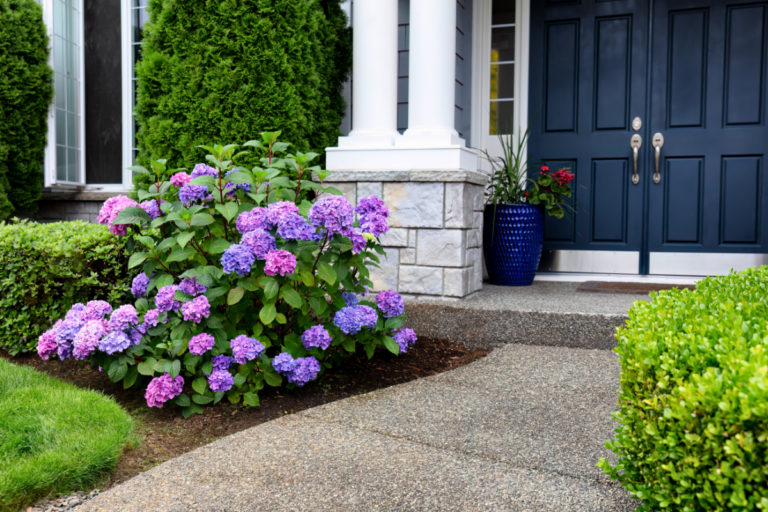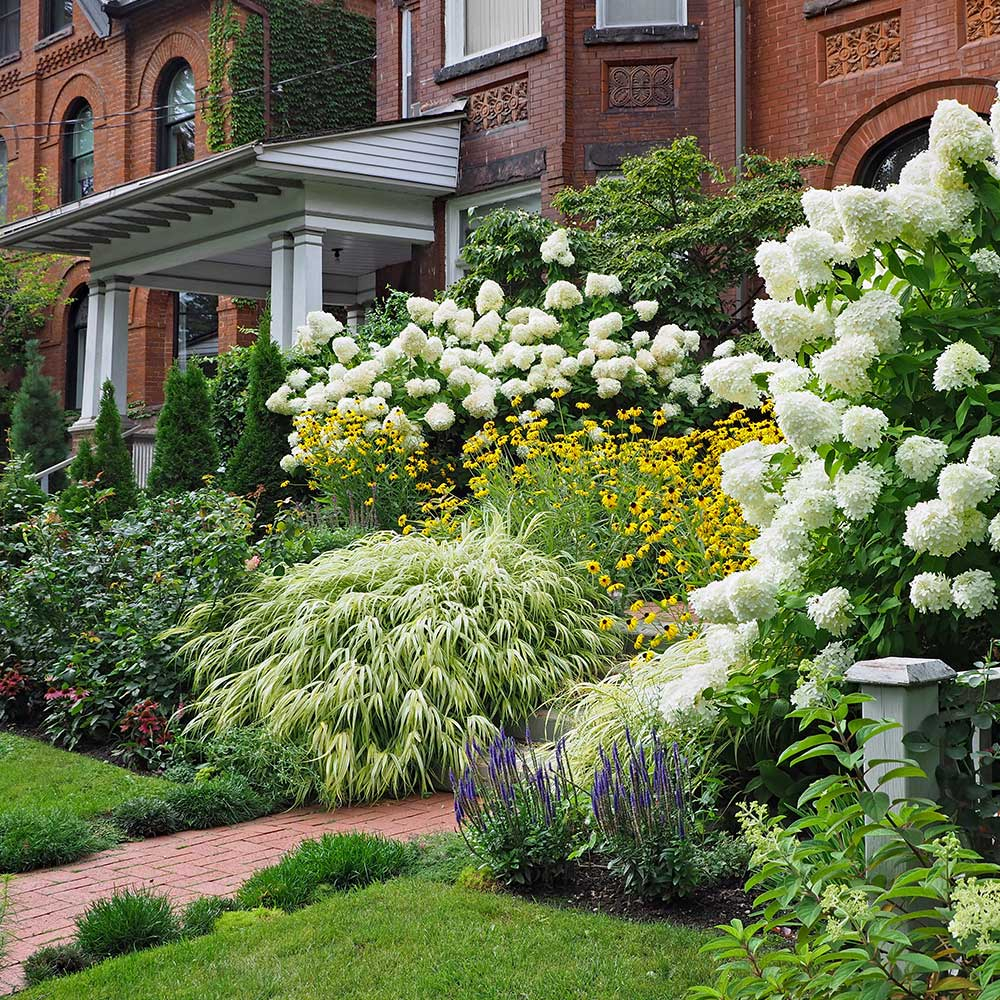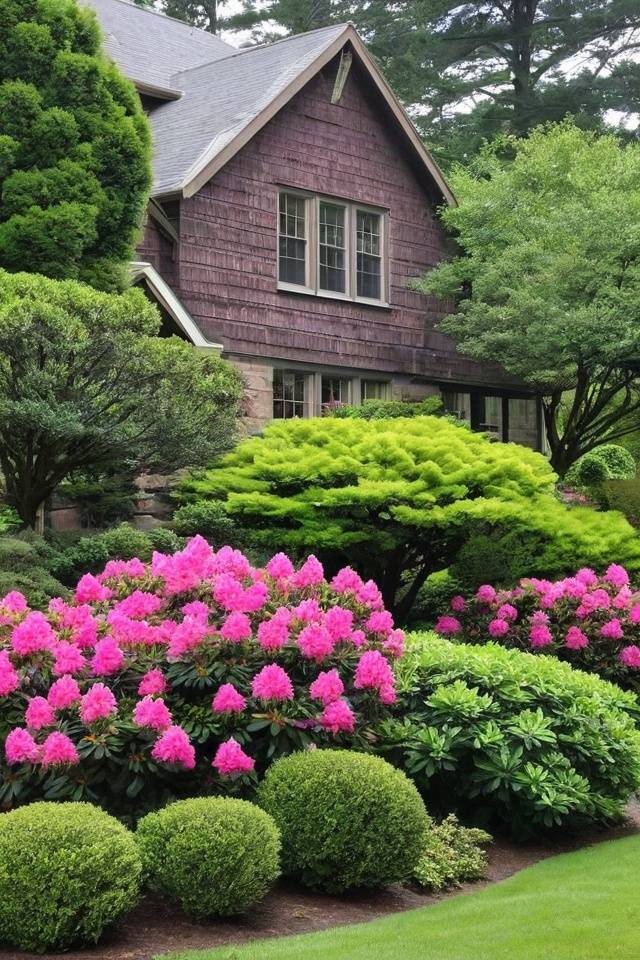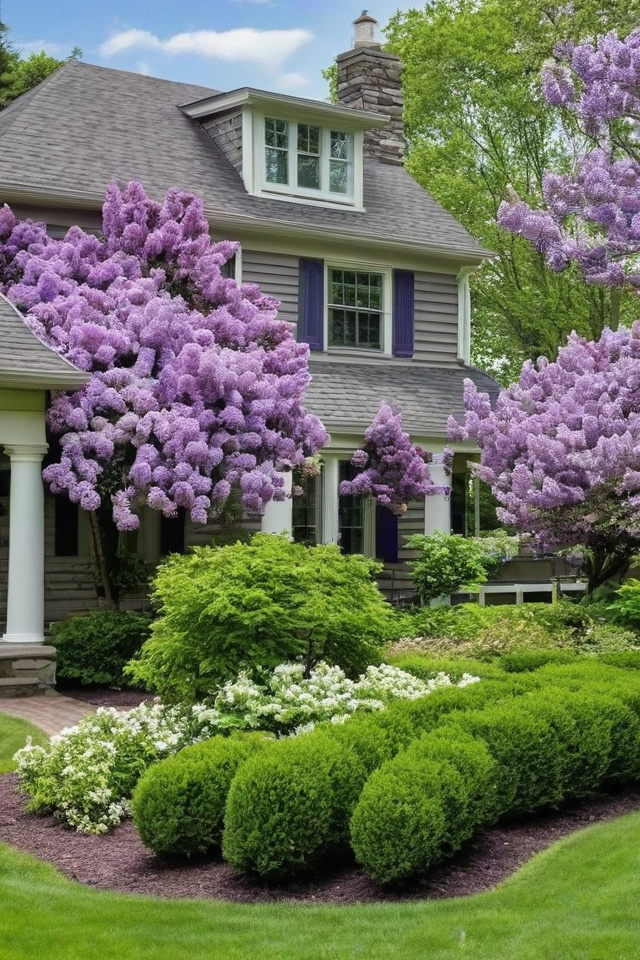

The sun feels different these days, doesn’t it? It’s sharper. More persistent. If you’ve stepped outside in the last few summers, you’ve probably noticed that the old rules of gardening just don’t apply anymore. We used to worry about too much rain or a late frost. Now, the biggest enemy is thirst. And nowhere is this more apparent than in the front yard. That strip of land between your door and the street is your home’s handshake with the world. It’s the first thing people see. But keeping it lush and colorful when the hose is restricted or the well is running low? That’s a real challenge.
But here’s the good news. You don’t have to choose between a beautiful entrance and being responsible with water. In fact, some of the most stunning plants available in 2026 are the ones that practically beg you to ignore them. They thrive on neglect. They love the heat. And they put on a show that rivals any thirsty tropical import. We’re talking about shrubs that have evolved over millennia to survive in harsh, arid conditions. They aren’t just surviving; they’re flourishing. And they can do the same for your home.
Let’s be honest. Nobody wants a front yard that looks like a gravel pit. We want color. We want scent. We want life. The misconception has always been that "drought-tolerant" means "ugly" or "spiky." That couldn’t be further from the truth. Today’s selections are soft, fragrant, and bursting with blooms. Whether you have a tiny patch of dirt by the porch or a sweeping bed along the driveway, there is a tough-as-nails beauty waiting for you. Let’s dig in.
The Fragrant Powerhouses: Lavender and Rosemary Reimagined
When we think of drought tolerance, lavender is usually the first name that pops up. And for good reason. But in 2026, it’s not just about the old standby Lavandula angustifolia. Breeders have been working overtime to create varieties that are even tougher, more disease-resistant, and longer-blooming. Take the ‘Phenomenal’ series, for instance. It handles humidity better than most, which is crucial if you live in a place that swings from dry spells to muggy heatwaves. It stays silver-green even when other plants wilt into sadness.
Rosemary is another contender that often gets overlooked as a mere kitchen herb. But have you seen a mature rosemary shrub in full bloom? It’s a cloud of blue-purple flowers that buzzes with bees from early spring straight through to fall. The prostrate varieties are perfect for spilling over retaining walls or edging walkways. They don’t need much soil. In fact, they prefer it poor. Rich, heavy soil actually kills them faster than drought does. So if you’ve got a rocky, neglected corner near your foundation, this is your plant.
The key with these aromatic herbs is drainage. They hate wet feet. If your front yard clay holds water like a bathtub, you need to mound the soil up or mix in plenty of gravel. Once established, though, they are virtually indestructible. You can forget to water them for weeks, and they’ll just keep on ticking. Plus, the scent? Walking past your front door and catching that wave of herbal calm is a luxury that costs nothing but a little sunlight.
The Mediterranean Stars: Rockrose and Sage
If you want something that looks like it belongs in a high-end landscape magazine but requires zero fuss, look toward the Mediterranean basin. Cistus, commonly known as Rockrose, is a standout. These shrubs have crinkly, paper-thin flowers that look like crepe paper. They come in whites, pinks, and purples, often with a dark blotch at the base of each petal. It’s delicate-looking, but don’t let that fool you. Cistus is built for fire and drought. Its leaves are often sticky or hairy, adaptations that help it retain moisture and reflect intense sun.
Then there’s Russian Sage. Despite its name, it’s not a sage in the culinary sense, nor is it from Russia (it’s from Central Asia). But it has taken American front yards by storm. By mid-summer, it erupts into a hazy cloud of violet-blue spikes. It smells faintly of sage when you brush against it. The best part? It doesn’t flop. Older varieties used to get leggy and messy, but newer cultivars like ‘Little Spire’ stay compact and tidy. They don’t need staking. They don’t need deadheading. You just let them be.
One thing to watch out for with these Mediterranean beauties is pruning timing. If you cut them back in the fall, you might lose next year’s blooms. Wait until spring, when you see new green growth starting to push out. Then, give them a haircut. It keeps them dense and encourages more flowers. It’s a small bit of effort for a huge payoff. And in the heat of July, when everything else is brown, these guys are still partying.
The Native Heroes: Butterfly Bush and Sumac
Going native isn’t just a trend; it’s a survival strategy. Plants that evolved in your specific region know exactly how to handle your local weather quirks. The Butterfly Bush (Buddleia) is a classic example. Yes, it’s technically from Asia, but it has naturalized in many parts of North America and Europe. However, for true ecological points, look for sterile varieties that don’t spread seeds invasively. These shrubs are magnets for pollinators. In 2026, with bee populations still under pressure, planting a Buddleia is a small act of environmental stewardship.
Another native powerhouse is the Dwarf Sumac. Not the poison kind! The flowering sumacs, like Rhus aromatica or ‘Gro-Low’, are incredible ground-covering shrubs. They turn brilliant shades of red and orange in the fall, providing seasonal interest long after the flowers have faded. In spring, they produce fuzzy, upright cones of yellow-green flowers that are surprisingly attractive to bees. They spread by runners, so they’re great for filling in large, difficult areas under trees or on slopes where erosion is a concern.
The beauty of using natives is that they fit into the local web of life. They support caterpillars, which feed birds. They provide shelter for beneficial insects. And because they are adapted to your local rainfall patterns, they need little to no supplemental water once their roots are deep. It’s a win-win. You get a garden that looks like it belongs there, and you save money on your water bill. Plus, there’s a certain pride in knowing your front yard is supporting the local ecosystem.
The Structural Anchors: Yucca and Agave
Sometimes, you need a plant that makes a statement. Something architectural. Something that says, "I am here, and I am not moving." That’s where Yuccas and Agaves come in. For years, these were considered too harsh for residential front yards. Too spiky. Too desert-like. But modern landscaping has embraced the sculptural quality of these plants. A single, well-placed Yucca rostrata (Beaked Yucca) can serve as the focal point of your entire front garden. Its blue-silver leaves form a perfect sphere, topped in spring with a towering stalk of creamy white bells.
Agaves are similar but offer a wider variety of forms. Some are small and round, perfect for container planting by the front door. Others are massive and sprawling. The key is to choose cold-hardy varieties if you live in a zone with freezing winters. Many agaves can handle temps down to 10°F or lower if they are kept dry. Wet cold is the killer. Dry cold? They laugh at it. Their geometric shapes add a modern, clean line to any garden design. They pair beautifully with softer, flowing grasses or perennials.
Don’t be afraid of the thorns. Place these plants where foot traffic is low. Use them as barriers near windows or along property lines. They deter intruders (both human and animal) naturally. And when they do bloom, it’s an event. The flower spikes can reach ten feet or more. It’s a dramatic display that happens only once in the plant’s life (for monocarpic species), but the wait is worth it. It’s nature’s fireworks.
The Unexpected Bloomers: Hibiscus and Oleander
When people hear "drought tolerant," they rarely think of big, tropical-looking flowers. But there are exceptions. The Hardy Hibiscus (Hibiscus syriacus), also known as Rose of Sharon, is a tough cookie. It blooms in late summer when most other shrubs are tired. The flowers are huge, dinner-plate sized, and come in every color except true blue. They attract hummingbirds like crazy. While they prefer some water to look their absolute best, they can survive significant dry spells once established. They are forgiving plants.
Oleander is another option, but with a major caveat: it is toxic. Every part of the plant. So, if you have small children or pets who chew on things, skip this one. But if you don’t, Oleander is arguably the toughest flowering shrub on this list. It handles heat, wind, salt spray, and pollution with ease. It’s often seen along highways for a reason. It blooms continuously from spring to frost. The flowers are delicate and rose-like, but the plant itself is iron-clad. There are dwarf varieties now that fit better in residential settings, so you don’t need a massive hedge.
The trick with these bigger-leafed plants is mulch. A thick layer of organic mulch helps keep the roots cool and retains whatever moisture is in the soil. It mimics the forest floor. It also suppresses weeds, which compete for water. So, while these plants are tougher than they look, a little help in the form of mulch goes a long way. It’s about working smarter, not harder.
Choosing the right plants is only half the battle. How you put them together matters just as much. In 2026, the concept of "hydro-zoning" is essential. This means grouping plants with similar water needs together. Don’t plant a thirsty fern next to your lavender. Keep the thirsty stuff in pots near the house where you can easily water it by hand. Keep the drought-tolerant shrubs in the ground, where they can fend for themselves. This saves you time and ensures no plant gets too much or too little.
Soil preparation is another critical step. Most drought-tolerant plants hate heavy, wet clay. If your soil is dense, amend it with grit, sand, or compost before planting. Better yet, build raised beds or mounds. This improves drainage instantly. Remember, it’s not just about adding water; it’s about managing what’s already there. Good drainage prevents root rot, which is the silent killer of many succulents and Mediterranean herbs. A healthy root system is the foundation of drought tolerance.
Finally, patience is key. When you first plant these shrubs, they need regular watering to get established. This usually takes one to two growing seasons. Don’t give up on them if they look a bit sad the first summer. Once their roots dive deep into the earth, they will tap into moisture reserves you can’t even see. After that, you can back off. Way off. You’ll find yourself walking past your front yard with a sense of awe. How did something so vibrant require so little? That’s the magic of working with nature, not against it.
So, where do you start? Look at your space. Note the sun exposure. Check your soil. Then, pick one or two of these champions. Maybe a fragrant lavender by the path. A structural yucca in the corner. A burst of butterfly bush for the bees. Layer them in. Watch them grow. And enjoy the peace of mind that comes with a garden that doesn’t demand your constant attention. It’s freedom, really. The freedom to enjoy your home, rather than just maintaining it. In a world that’s getting hotter and drier, that’s a gift worth cultivating.