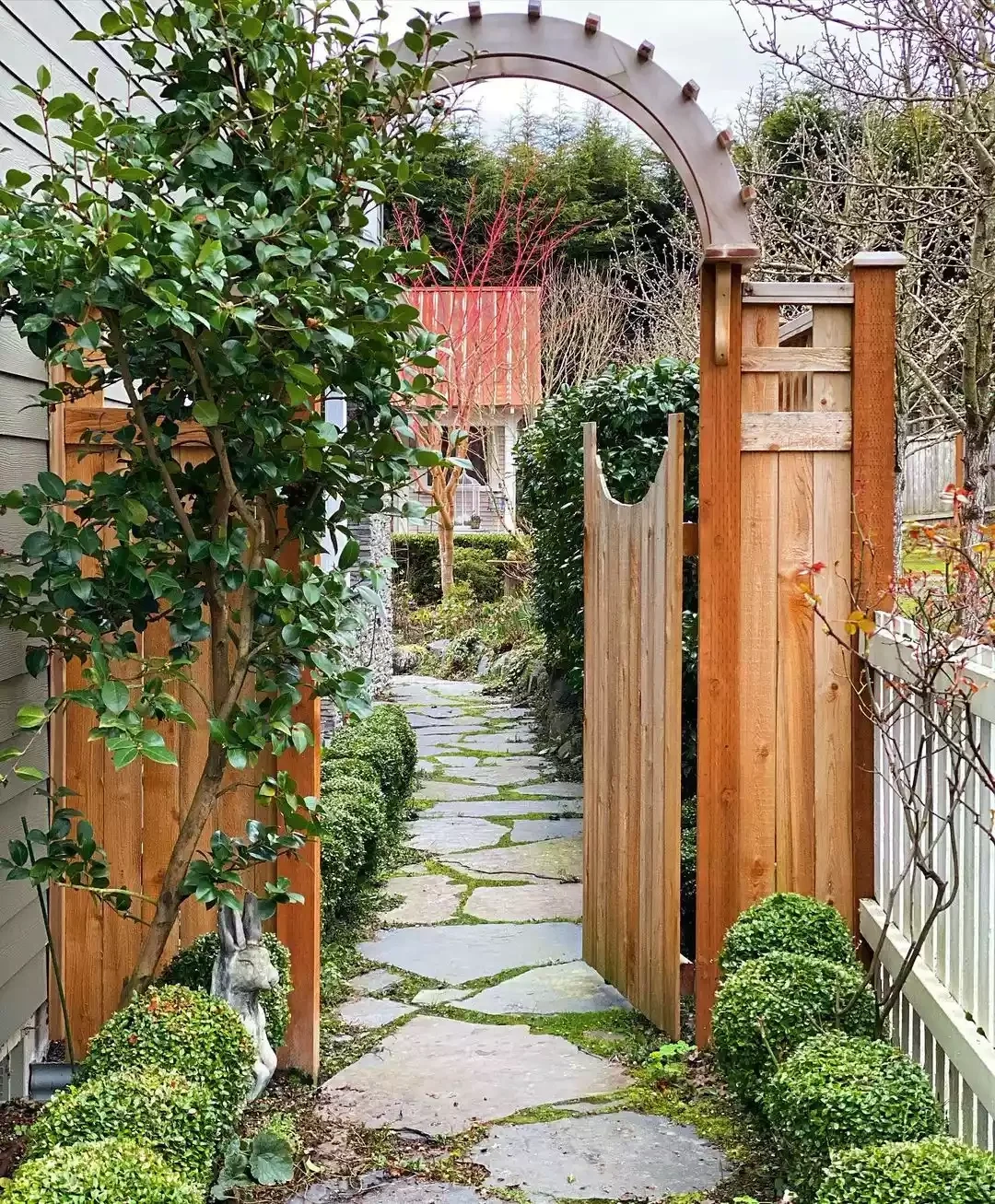

Ever walked down a path that felt like it was pulling you into another world? You know the feeling. The air smells different. The light filters through leaves in a way that makes everything look soft and golden. It’s not just a way to get from point A to point B. It’s an experience. Most of us start with something much simpler, though. A straight line of concrete. Maybe some cracked pavers that have seen better days. It gets the job done, sure. But it doesn’t spark joy. It doesn’t invite you to linger.
In 2026, the trend isn’t just about landscaping anymore. It’s about creating sanctuaries. People are tired of sterile, perfect yards. They want spaces that feel alive. A pathway is the spine of your garden. If you get that right, the rest follows. You don’t need a massive budget or a team of architects. You just need a bit of vision and a willingness to let nature take the wheel. Let’s talk about how to turn that boring strip of dirt or stone into a journey that feels like stepping into a fairytale.
The Art of the Curve and the Story It Tells
Straight lines are efficient. Nature hates them. If you want magic, you have to ditch the ruler. A meandering path does more than just look pretty. It slows you down. It forces you to pay attention to what’s around you. When a path curves, you can’t see the end. That creates mystery. It invites exploration. Think about the last time you walked through a forest. The trail wasn’t a laser beam. It wound around trees and over roots. That’s the vibe we’re chasing.
Start by laying out a hose or a rope on your lawn. Play with the shape. Make it S-shaped if you have the space. Or maybe just a gentle arc that disappears behind a bush. The goal is to reveal the garden in chapters, not all at once. As noted in recent design trends, winding pathways tell a story. They create a sense of journey. Each turn should offer a new view. A glimpse of a statue. A burst of lavender. A quiet bench tucked away. This technique transforms a simple walk into a narrative. You’re not just crossing the yard. You’re moving through scenes.
Don’t be afraid to make the path narrow in spots and wider in others. A narrow section feels intimate. It pulls you in. A wider spot near a focal point gives you room to breathe and admire the view. This rhythm keeps the brain engaged. It prevents the "walkway fatigue" that happens when every step looks the same. By varying the width and direction, you’re essentially directing traffic with emotion rather than just logic. It’s subtle, but your guests will feel it. They’ll relax without knowing why.
Choosing Materials That Whisper Instead of Shout
The material you pick sets the tone. Concrete is loud. It says "utility." Natural stone says "timelessness." In 2026, reclaimed materials are huge. Not just because they’re eco-friendly, but because they have soul. Old bricks with chipped edges. Weathered wood slices. Flat stones pulled from a riverbed. These items have history. When you use them, you’re borrowing that history for your garden. It makes the space feel established, like it’s been there for centuries.
Moss is your secret weapon here. If you use stone or brick, leave gaps. Let the moss grow in those cracks. It softens the hardscape. It adds that lush, green velvet texture that screams "enchanted forest." Stone pathways with moss growing between them create an ancient feeling. It suggests your garden has existed long before you arrived. If you’re in a dry climate, try thyme or creeping sedum. They handle foot traffic well and smell amazing when you step on them. That sensory detail is key. Magic isn’t just visual. It’s olfactory too.
For a more whimsical touch, consider mixing materials. Don’t just stick to one type of stone. Combine smooth river rocks with rough slate. Or intersperse wooden stepping stones among gravel. This variety mimics the randomness of nature. It avoids the "catalog look" where everything matches perfectly. Imperfection is charming. A slightly uneven step forces you to look down, to be present. It grounds you. And if you’re on a budget, look for local sources. Quarry remnants or broken concrete from demolition sites (urbanite) can be free or cheap. Break it up, arrange it creatively, and you’ve got a unique path that no one else has.
Lighting That Creates Mystery and Warmth
Daytime is easy. Everything is visible. Nighttime is where the real magic happens. But please, skip the floodlights. They kill the mood. You want pools of light, not a stadium effect. Think about how fireflies glow. Soft. Intermittent. Mysterious. In recent years, low-voltage LED technology has made this easier and cheaper. But the placement matters more than the bulb. You want to light the path, not the sky.
Glow-in-the-dark aggregate is a fantastic option for a subtle, electrical-free solution. You can mix luminous stones into concrete or resin pathways. During the day, they look like normal pebbles. At night, they emit a soft, ethereal glow. It’s like walking on stars. This is especially great for kids or anyone who wants a safe path without harsh glare. It creates a magical nighttime illumination that feels otherworldly. No wires. No switches. Just pure, stored sunlight released in the dark.
If you do use electric lights, keep them low. Solar-powered stake lights are okay, but they often look cheap. Try burying small well lights along the edge of the path to graze the texture of the stones. Or hang lanterns from low-hanging branches. Paper lanterns, copper cages, even mason jars with fairy lights. The goal is to create pockets of warmth. Light one specific plant. Illuminate a piece of art. Leave the rest in shadow. Shadow is just as important as light. It lets the imagination fill in the blanks. A path that disappears into darkness is infinitely more intriguing than one that’s fully lit.
Planting for Immersion and Sensory Delight
A path without plants is just a hallway. To make it a journey, you need to blur the edges. The plants shouldn’t just sit next to the path. They should spill onto it. They should brush against your legs. This immersion is what makes a garden feel alive. Use layers. Tall grasses or ferns in the back. Mid-height perennials in the middle. Low-growing groundcovers at the front. This creates depth. It makes the path feel like it’s cutting through a jungle, even if your yard is tiny.
Scent is powerful. Plant fragrant herbs and flowers along the walkway. Jasmine. Lavender. Rosemary. Mint. When you walk by, you disturb the air and release their perfume. It’s an invisible gift. In the evening, night-blooming flowers like moonflowers or evening primrose add another layer. They open up when the sun goes down, releasing their scent specifically for the nocturnal hours. This connects you to the rhythm of the day. It makes the garden feel dynamic, changing with the clock.
Don’t forget texture. Mix soft, fuzzy leaves with spiky ones. Smooth bark with rough twigs. Visual interest keeps the eye moving. In 2026, native plants are preferred not just for sustainability, but because they support local wildlife. Butterflies, bees, and birds will visit your path. Watching a bee land on a coneflower while you walk by adds life to the scene. It’s not just a static picture. It’s an ecosystem. Choose plants that thrive in your specific zone. A struggling plant is never magical. A thriving one is.
Architectural Whimsy and Focal Points
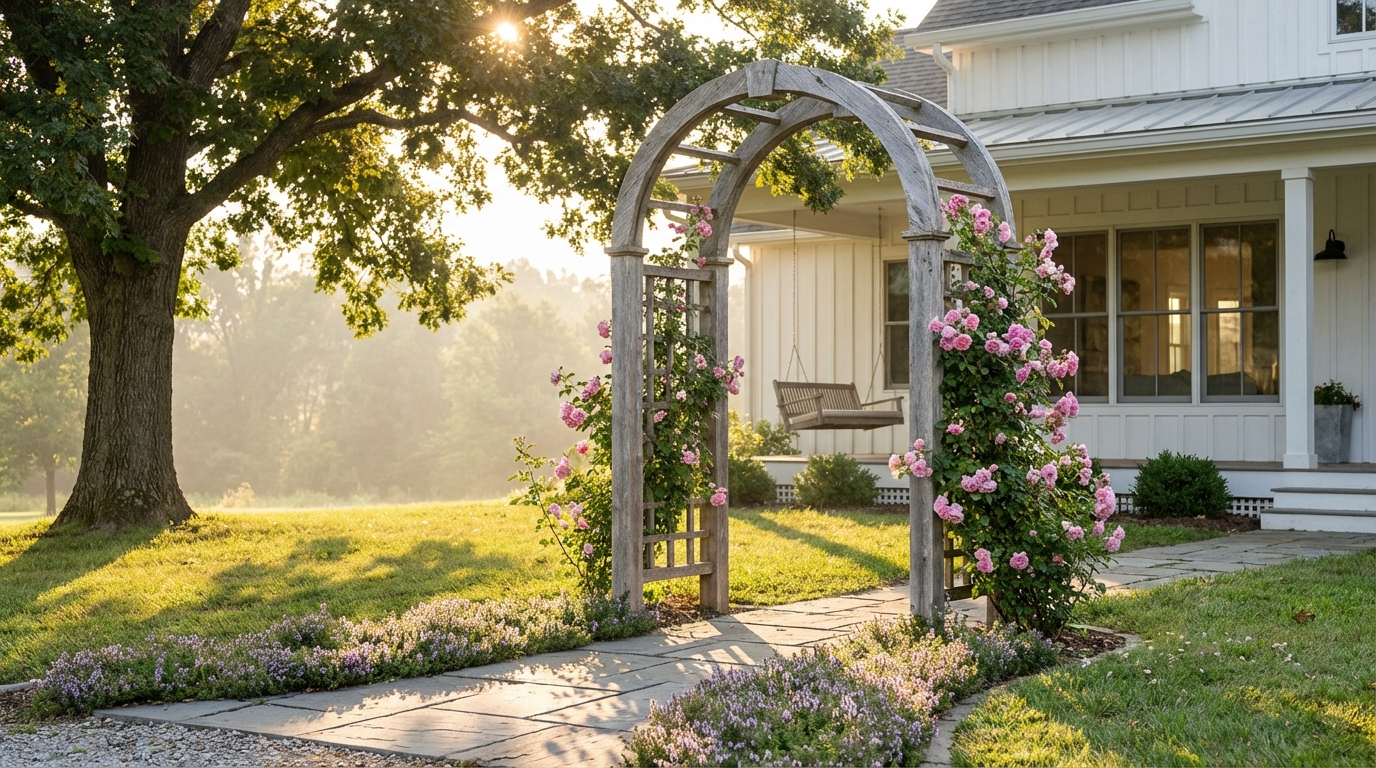
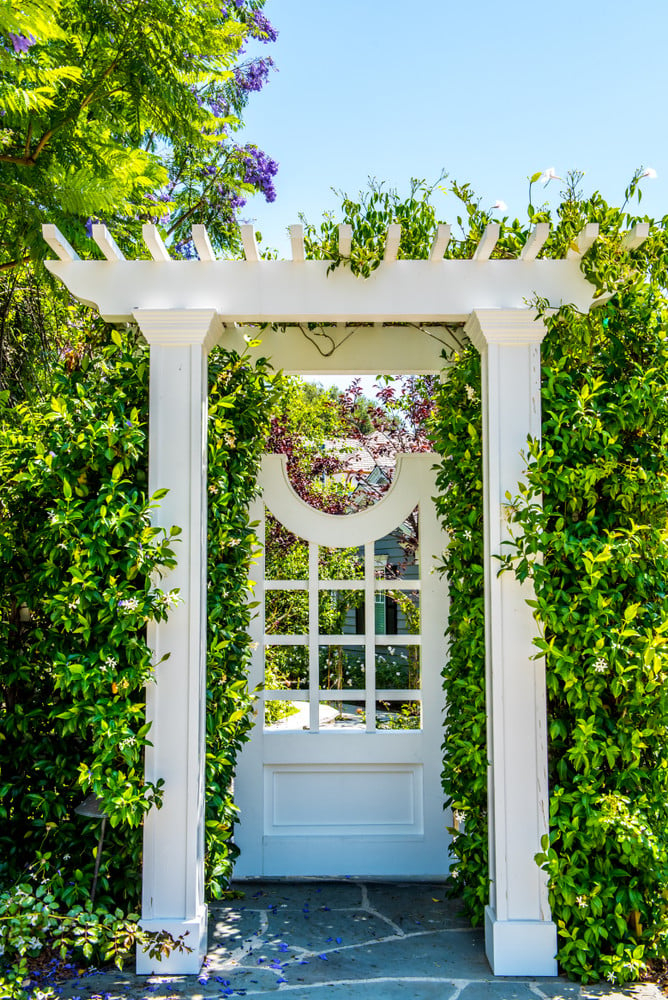
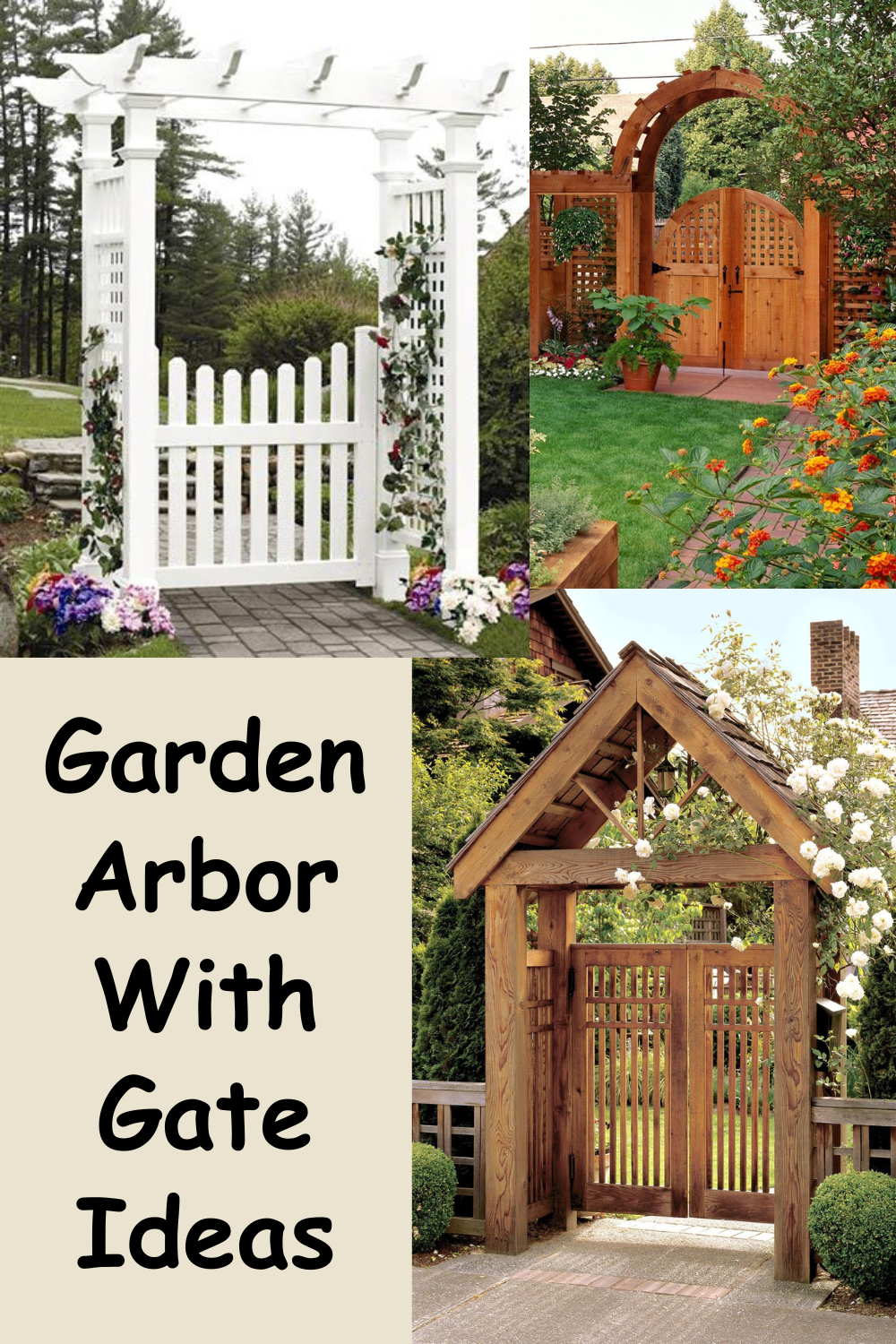
Every good story needs plot points. In a garden path, these are your focal points. They give the eye a place to rest. Without them, the path can feel endless and monotonous. An archway is a classic choice. It acts as a portal. Walking through an arch signals a transition. You’re leaving one space and entering another. Cover it with climbing roses or wisteria. In spring, it’s a tunnel of flowers. In winter, the bare branches create a striking silhouette. It frames the view beyond, making whatever is on the other side look more important.
Benches are another crucial element. Place one at a curve or at the end of a long stretch. It invites you to stop. To sit. To just be. A garden isn’t just for walking through. It’s for being in. A weathered wooden bench or a stone seat becomes part of the landscape. It suggests that people have sat there before, thinking thoughts, watching the rain. It adds a human scale to the space. You can also use sculptures, birdbaths, or even a large, interesting rock. The key is intentionality. Don’t clutter. Pick one or two strong pieces. Let them shine.
Mirrors can be tricky, but used correctly, they’re magical. A small, weathered mirror hidden among ferns can reflect the sky or a patch of sunlight. It creates an illusion of depth. It surprises you. Just make sure it’s safe for birds (use etched glass or place it carefully). Water features also work well. A small bubbling fountain near the path adds sound. The trickling water masks neighborhood noise and creates a calming backdrop. It draws you in. You want to see where the water is coming from. It pulls you forward along the path.
Here’s the truth: a magical garden isn’t static. It changes. Leaves fall. Weeds grow. Stones shift. If you fight this, you’ll burn out. Instead, embrace it. Maintenance should feel like a ritual. A way to connect with your space. Sweep the path regularly, but don’t scrub it sterile. Let a little dirt remain. Let a few leaves stay in the corners. This patina adds character. A perfectly clean path looks like a museum exhibit. A slightly lived-in path looks like home.
Check your lighting seasonally. Clean the solar panels. Replace bulbs if needed. Trim back plants that are encroaching too much. But don’t over-prune. Let things get a little wild. The charm of a cottage garden or a woodland path is its slight unruliness. If a plant moves itself via seeds, consider keeping it. It might be a happy accident. Gardening is a conversation with nature. You suggest, and nature responds. Listen to what it’s telling you. If a certain spot stays muddy, maybe it needs better drainage or a different material. Don’t force it. Adapt.
In 2026, sustainability is part of the magic. Use rain barrels to water your path-side plants. Compost your garden waste and use it to feed the soil. Avoid chemicals. A healthy soil biome creates healthier plants, which means less work for you. It’s a cycle. When you care for the garden with respect, it cares for you. It provides peace. It provides beauty. It provides a escape from the digital noise of daily life. The path is your entry point into that peace. Treat it well, and it will guide you there every time.
So, where do you start? Look at your current path. Really look at it. What’s missing? Is it too straight? Too bare? Too dark? Pick one thing to change this weekend. Lay down a few stones. Plant some lavender. Hang a lantern. Magic doesn’t happen all at once. It accumulates. Layer by layer. Step by step. Before you know it, you won’t just have a walkway. You’ll have a journey. And every time you step onto it, you’ll leave the ordinary world behind.