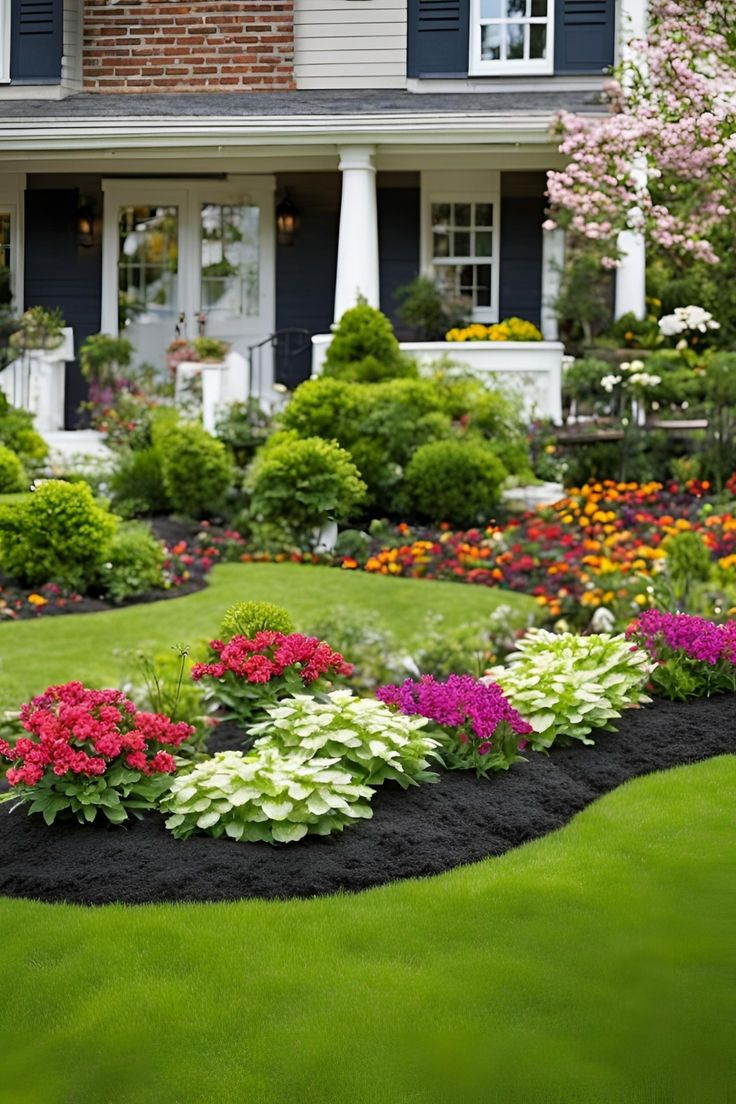

Let’s be honest for a second. We’ve all stood there, staring at that patch of grass in the backyard, wondering why it looks so tired. Maybe it’s brown from the summer heat. Maybe it’s got those weird bare spots where the dog likes to dig. Or maybe you’re just exhausted from pushing that mower around every single Saturday morning. It feels like a chore, doesn’t it? Like a never-ending cycle of water, cut, fertilize, repeat. But here’s the thing nobody really talks about at the neighborhood barbecue: that perfect green carpet is costing you a fortune. And I don’t just mean the price of the gas for the mower.
We are living in 2026, and the way we think about our yards is shifting. It’s not just about looking pretty anymore. It’s about what makes sense for our wallets and our planet. For decades, we’ve been sold this idea that a lawn is the default setting for any home. But if you look closer, the math doesn’t add up. Traditional lawns are high-maintenance divas. They demand constant attention, specific chemicals, and tons of water. Meanwhile, there’s a quiet revolution happening in gardens across the country. People are ditching the turf for native ground covers. And guess what? They aren’t just doing it to save the bees. They’re doing it because it saves them serious cash.
So, what’s the real deal? Is it worth the hassle of ripping out your grass? How much does it actually cost? And will your neighbors judge you? Let’s dig into the numbers, the realities, and the surprising benefits of letting nature do the heavy lifting. You might find that the best investment you can make for your home isn’t a new kitchen, but a new kind of yard. One that works with you, instead of against you.
The Sticker Shock of Keeping Up Appearances
When we talk about the cost of a lawn, most people only think about the initial setup. You buy the sod or the seed, maybe rent a tiller, and you’re done, right? Wrong. That’s just the entry fee. The real financial bleed happens over time. Think about what goes into keeping that grass green. In many parts of the US, maintaining a traditional lawn involves weekly mowing during the growing season. That’s fuel, oil, blade sharpening, and eventual machine replacement. If you hire someone to do it, you’re looking at hundreds of dollars a month. Even if you do it yourself, your time has value. How many Saturdays have you lost to the roar of an engine?
Then there’s the water bill. This is a big one. Traditional turf grasses, like Kentucky Bluegrass or Fescue, are thirsty. They aren’t always native to the places we plant them. So, when it doesn’t rain, we turn on the sprinklers. In 2026, water rates are climbing in many municipalities due to climate pressures and infrastructure costs. A typical suburban lawn can consume thousands of gallons of water each summer. That adds up. Fast. Add in the fertilizers, the herbicides to kill the dandelions, and the pesticides to keep the grubs away, and you’ve got a recurring chemical subscription you didn’t ask for.
It’s easy to ignore these costs because they’re spread out. You pay the water bill monthly. You buy gas for the mower occasionally. It doesn’t feel like a huge lump sum. But if you tally it all up over a year, the average homeowner spends between $500 and $1,500 annually just on maintenance. That’s a vacation. That’s a new laptop. That’s a lot of groceries. And for what? A surface you mostly walk across to get to the patio. It’s a luxury we’ve normalized, but it’s a expensive habit.
The Upfront Investment: What Does Switching Actually Cost?
Okay, so traditional lawns are money pits. But switching to native ground covers isn’t free either. Let’s be real about the upfront costs. This is where most people get stuck. They see the price tag for native plants and panic. Installing a native landscape does require an initial investment. You have to remove the existing grass (solarization, sheet mulching, or sod cutting), prepare the soil, and buy the plants. Depending on the size of your yard and the types of plants you choose, this can range from $3 to $10 per square foot. For a 1,000-square-foot yard, that’s $3,000 to $10,000. Ouch.
Compare that to laying sod, which might cost $1 to $2 per square foot installed. On paper, the lawn looks like the bargain. But this is a classic case of "buy nice or buy twice." The key difference is longevity and input. Sod needs constant care to survive. Native plants, once established, are tough cookies. They are adapted to your local climate. They know how to handle the droughts and the freezes. The upfront cost of natives is essentially pre-paying for years of low maintenance. It’s like buying a reliable car versus a cheap one that breaks down every month.
Also, you don’t have to do it all at once. This is a secret many landscapers won’t tell you unless you ask. You can phase the project. Start with the front yard. Or just the sunny slope that’s impossible to mow anyway. Spread the cost over two or three years. Many local nurseries and conservation districts in 2026 offer rebates or discounts for removing turf and planting natives. Some cities even provide free mulch or compost to help with the transition. Do a little digging into local programs. You might be surprised at how much help is available to offset that initial sticker shock.
The Long Game: 20-Year Savings Breakdown
Let’s look at the long term. This is where the native ground cover strategy really shines. Studies and real-world data from 2026 show that over a 20-year period, eco-friendly lawn alternatives can cost 40-60% less than traditional lawns. Let’s break that down. If you spend $1,000 a year maintaining a turf lawn, that’s $20,000 over two decades. If you spend $5,000 upfront on natives and then only $200 a year on minimal maintenance (maybe some occasional weeding or pruning), your total is $9,000. That’s an $11,000 savings.
Where does that extra money go? Well, it stays in your pocket. But also, consider the hidden costs of turf. Equipment replacement. Mowers don’t last forever. Trimmers break. Hoses leak. With native ground covers, you eliminate most of this. You don’t need a mower. You don’t need a trimmer. You don’t need a hose running for hours. The plants do the work. They spread, they fill in, they suppress weeds. Their root systems hold the soil together, preventing erosion. This means you aren’t paying to fix washouts or replace mulch every spring.
Think about the value of your time, too. If you save 2-4 hours a week during the growing season by not mowing and watering, that’s 100-200 hours a year. Over 20 years, that’s 2,000-4,000 hours. What could you do with that time? Learn a new skill? Spend time with family? Just relax? The financial savings are clear, but the time savings are arguably more valuable. We are busy people. Giving ourselves back our weekends is a huge benefit that doesn’t show up on a bank statement, but it definitely shows up in our stress levels.
Beyond the Bank Account: Environmental and Health Perks
Money isn’t everything, though it helps. The shift to native ground covers brings a host of other benefits that are harder to quantify but deeply important. First, biodiversity. Traditional lawns are essentially green deserts. They support very little life. Native plants, on the other hand, are the foundation of local ecosystems. They provide food and habitat for pollinators like bees and butterflies, as well as birds and small mammals. By planting natives, you’re creating a mini-sanctuary. In 2026, with pollinator populations still under threat, every little patch helps.
Then there’s the issue of chemicals. When you stop using fertilizers and pesticides, you’re making your yard safer for your kids, your pets, and yourself. No more worrying about whether the dog should stay off the grass after treatment. No more runoff carrying those chemicals into local streams and rivers. Native plants thrive in natural soil conditions. They don’t need the synthetic boost. This leads to healthier soil structure, better water infiltration, and cleaner groundwater. It’s a ripple effect of positive change starting right in your front yard.
And let’s not forget the cooling effect. Urban heat islands are a real problem, especially in summer. Traditional lawns can get hot, but native ground covers, especially those with deeper roots and varied textures, can help cool the air around your home. Some studies suggest that well-planted native landscapes can reduce ambient temperatures by several degrees. That means your AC doesn’t have to work as hard. Another small saving on the utility bill, plus a more comfortable outdoor space for you to enjoy. It’s win-win-win.
Making the Switch: Practical Steps for Homeowners
So, you’re convinced. The math makes sense. The environment matters. But where do you start? It can feel overwhelming. Don’t worry. You don’t need to be a botanist. Start by observing your space. What gets sun? What’s shady? Where does water pool? Native plants are specific to regions, so what works in Florida won’t work in Maine. Use online resources from local universities or extension services. They often have lists of recommended native ground covers for your specific area. Look for plants like creeping phlox, wild strawberry, or native sedges. These are tough, attractive, and spread nicely.
Next, plan your removal method. Avoid harsh herbicides if you can. Sheet mulching (layering cardboard and compost) is a great way to kill grass and build soil health at the same time. It takes a few months, but it’s effective and eco-friendly. If you’re in a hurry, sod cutting works, but it’s labor-intensive. Once the grass is gone, amend your soil if needed. Natives usually prefer less fertile soil than turf, so don’t go overboard with rich compost. Just ensure good drainage.
Planting is the fun part. Group plants in clusters rather than spacing them out evenly. This looks more natural and helps them support each other. Mulch heavily around the new plants to retain moisture and suppress weeds while they get established. Water them regularly for the first year. This is crucial. Once their roots are deep, they’ll be drought-tolerant. But in year one, they need help. After that, sit back and watch them grow. You might need to pull a few weeds here and there, but largely, the yard will take care of itself.
There’s a lot of misinformation out there about native landscaping. Let’s clear up a few myths. Myth number one: "Native yards look messy and unkempt." This used to be true if people just let things go wild. But modern native landscaping is designed. It’s intentional. You can have a neat, tidy, beautiful yard with natives. It just looks different. It has texture, color, and seasonal interest. It’s not a monoculture green carpet. Many people find it more visually appealing once they get used to it.
Myth number two: "Natives are hard to find and expensive." Ten years ago, maybe. But in 2026, the market has exploded. Most nurseries carry a wide variety of native plants. Online retailers ship them nationwide. Prices have come down as demand has gone up. You can also propagate plants from friends or join local plant swaps. It’s easier and cheaper than ever before.
Myth number three: "HOAs will forbid it." This is a common fear. However, many HOAs are updating their rules. There’s a growing movement towards "smart landscaping" ordinances. Check your covenants. Often, you can get approval if you present a planned design. Show them pictures of well-maintained native gardens. Explain the water savings. Many boards are more open to this now than they were in the past. If you face resistance, start small. A border of natives might be acceptable, and then you can expand later. Don’t let fear stop you from exploring your options.
Switching from a traditional lawn to native ground covers is one of the smartest financial and ecological decisions a homeowner can make in 2026. Yes, there is an upfront cost. Yes, it requires some effort to establish. But the long-term savings are undeniable. You’ll spend less money on water, chemicals, and equipment. You’ll gain back precious time on your weekends. And you’ll contribute to a healthier, more resilient environment. It’s not just about saving money. It’s about changing our relationship with our land. Instead of fighting nature to maintain a sterile ideal, we’re working with it to create something vibrant and alive.
So, take a look at your yard. Really look at it. Ask yourself if that green carpet is worth the price tag. Consider the alternative. Imagine a space that blooms with color, buzzes with life, and asks for nothing but a little rain and sun. It’s possible. It’s practical. And it’s probably cheaper than you think. The grass isn’t always greener on the other side. Sometimes, it’s just a lot more expensive.