
It’s a quiet Tuesday evening. You’re sipping coffee on the porch, watching the sunset paint the sky in shades of orange and purple. It’s peaceful. Until you look over the fence. There it is again. That lush, emerald carpet of grass next door. It looks like something out of a magazine. And you know, just know, that Dave didn’t spend nearly as much time or money on it as you did. In fact, last week you saw him toss a single bag of generic stuff onto his yard while you were carefully measuring out premium liquid nutrients. It feels unfair. Maybe even a bit personal. But here’s the thing: it’s probably not about luck. It’s about strategy. And maybe, just maybe, you’ve been playing the game wrong this whole time.
We’ve all been there. Staring at our brown patches or yellowing tips, wondering where the money went. You paid for the "premium" service. You bought the top-shelf fertilizer. Yet, Dave’s lawn looks like a golf course, and his wallet seems intact. This isn’t magic. It’s economics, biology, and a little bit of neighborhood psychology mixed together. In 2026, with rising costs for everything from water to labor, understanding these differences isn’t just about saving a few bucks. It’s about getting smart with your home maintenance. Let’s dig into why your bill is higher, and how you can fix it without turning your yard into a chemistry experiment.
The Bulk Buying Secret and Group Power
One of the biggest reasons your neighbor pays less is simply volume. Most homeowners buy fertilizer in small, convenient bags from big-box stores. These are marked up significantly because they’re designed for impulse buys and ease of transport. Dave, however, might be part of a local gardening co-op or a neighborhood buying group. In 2026, these community-driven initiatives have exploded in popularity. By pooling resources with five or ten other households, they purchase industrial-sized pallets of nutrient blends directly from distributors. This cuts out the middleman and the retail markup entirely.
Think about it like this. Would you rather pay $50 for a 40-pound bag at the store, or $30 per bag if you buy a ton with your neighbors? The savings add up fast. Plus, many local agricultural supply centers offer steep discounts for bulk orders that individual homeowners rarely qualify for. If you’re going it alone, you’re paying a "convenience tax." Start talking to your neighbors. You might find that three other houses on your block are tired of overpaying too. Forming a small buying circle can slash your material costs by thirty percent or more. It’s social, it’s smart, and it keeps more cash in your pocket.
Soil Testing: The Hidden Game Changer
Here’s a hard truth: you might be feeding your lawn things it doesn’t even need. Many people apply a standard "all-purpose" fertilizer every spring and fall. This is a shot in the dark. Your neighbor likely tested their soil first. A basic soil test costs around $15 to $20, but it saves hundreds in wasted product. In 2026, digital soil testing kits have become incredibly accurate and easy to use. You send in a sample, and within days, you get a detailed breakdown of pH levels, nitrogen, phosphorus, and potassium needs.
If your soil is already rich in phosphorus, adding more is just throwing money away. Worse, it can run off into local waterways, causing environmental issues. By knowing exactly what’s missing, you buy only what’s required. Dave’s lawn thrives because he’s giving it a tailored diet, not a buffet. He’s not guessing. He’s prescribing. If you haven’t tested your soil in the last two years, you’re basically flying blind. Stop buying generic blends. Get a test kit. It’s the single most effective way to stop overspending on nutrients your grass can’t even absorb.
Timing Is Everything (And You’re Probably Wrong)
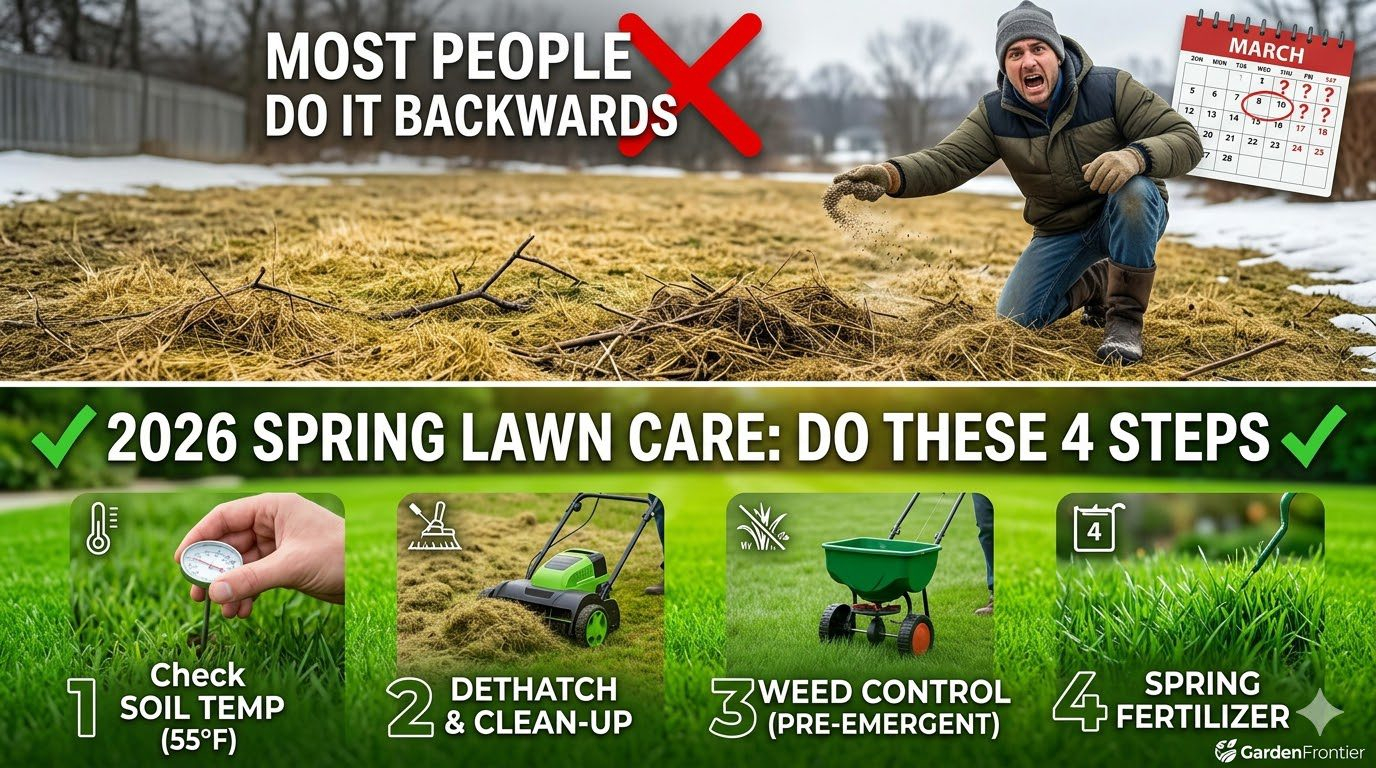
When do you fertilize? If you said "when I remember" or "early spring," you might be losing efficiency. Fertilizer effectiveness depends heavily on weather conditions and grass growth cycles. Applying nutrients when the grass is dormant or during a heatwave means much of it washes away or evaporates before the roots can take it up. Your neighbor likely follows a precise schedule based on local climate data. In many regions, late fall fertilization is actually more critical than spring applications because it helps roots store energy for winter survival.
Missed timing leads to waste. If it rains heavily right after you spread granular fertilizer, a significant portion runs off into the street. That’s literally money flowing into the sewer. Smart landscapers use slow-release formulas applied during optimal growth windows. They also watch the forecast like hawks. By aligning application with mild temperatures and moderate moisture, they ensure maximum uptake. You’re paying for 100% of the product, but maybe only getting 60% of the benefit. Adjusting your calendar to match your grass’s biological clock ensures every dollar spent actually ends up in the blades.
The Equipment Efficiency Gap
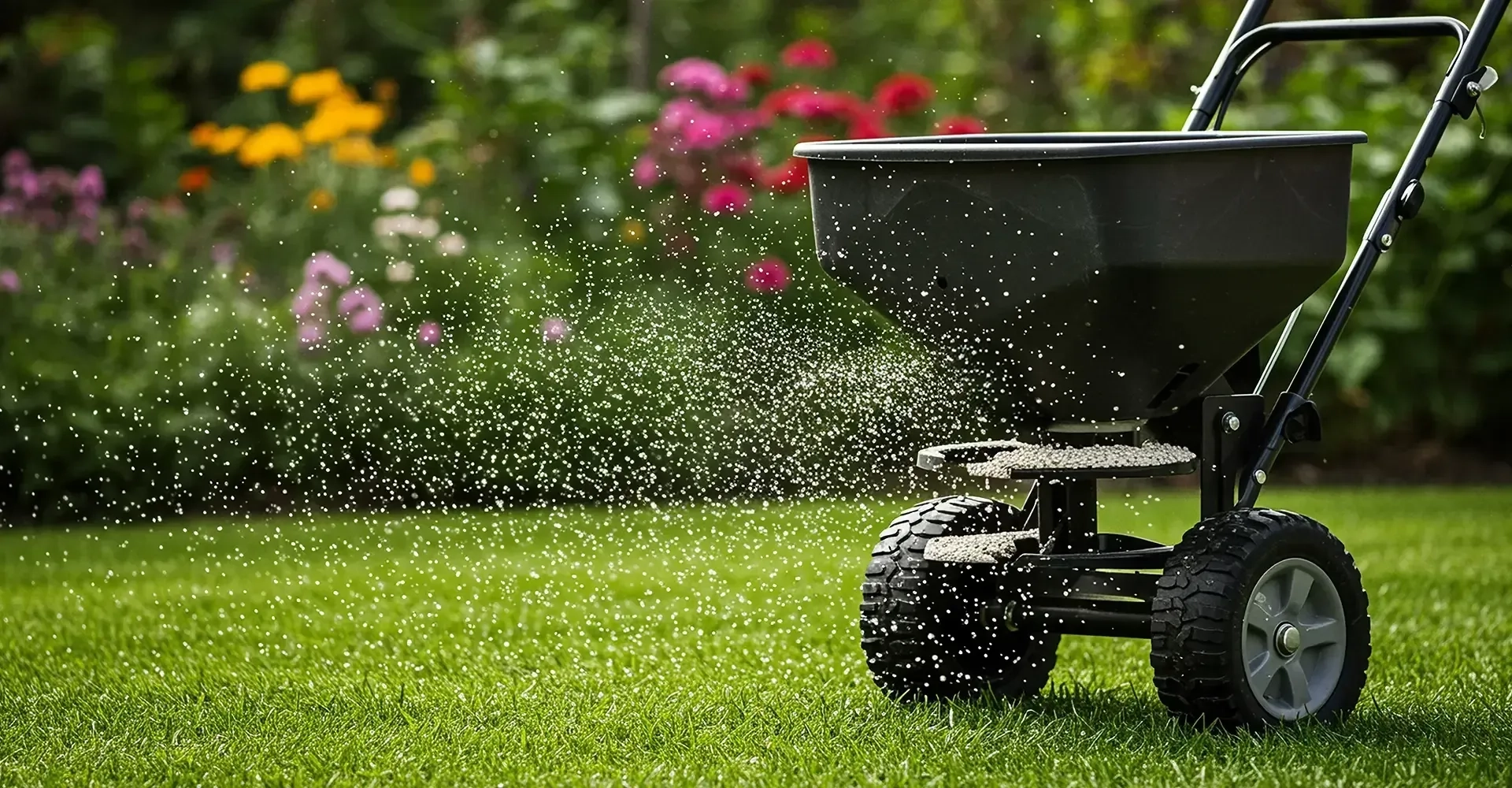
Let’s talk about how the stuff gets on the ground. Are you using a cheap, handheld spreader that clogs up and distributes unevenly? Or perhaps you’re hand-scattering pellets, hoping for the best? Inconsistent application leads to patchy growth, which tempts you to buy more fertilizer to fix the bare spots. It’s a vicious cycle. Your neighbor might be using a high-quality broadcast spreader calibrated correctly. Better equipment ensures even coverage, meaning no wasted piles in one corner and starving patches in another.
Moreover, some neighbors invest in aerators. Compacted soil prevents nutrients from reaching the roots. No matter how much expensive fertilizer you pour on top, if the soil is hard as concrete, the grass won’t eat it. Aeration opens up the ground, allowing water and nutrients to penetrate deep. While renting an aerator costs money, doing it once a year can double the efficiency of your fertilization program. You’ll need less product because the product actually works. It’s not about spending more on gear; it’s about spending wisely on tools that amplify your efforts.
Organic vs. Synthetic: The Long-Term Cost Trap
There’s a common misconception that organic is always more expensive. Initially, yes, organic fertilizers often have a higher price tag per pound. But here’s the twist: they build soil health over time. Synthetic fertilizers give a quick green-up but don’t improve the soil structure. Over years, synthetic-dependent lawns become addicted, requiring more frequent applications to maintain color. Organic options, like compost teas or manure-based blends, feed the microbes in the soil. These microbes then feed the grass naturally.
Your neighbor might be using a mix of compost and lower-dose organic inputs. This builds a resilient ecosystem underground. Once the soil is healthy, it retains moisture better and requires fewer external inputs. You’re stuck on the synthetic treadmill, buying bag after bag every few months. They’re investing in soil biology, which pays dividends for years. In 2026, sustainable lawn care isn’t just eco-friendly; it’s economically superior in the long run. Switching to a soil-building approach might cost a bit more upfront, but your annual bills will drop significantly as your lawn becomes self-sustaining.
Finally, let’s address the elephant in the room: labor. Did you hire a company to come out and spray your lawn? Professional services include overhead, insurance, fuel, and profit margins. Your neighbor might be doing it themselves. But it’s not just about skipping the pro fee. It’s about knowledge. DIYers who educate themselves on proper techniques avoid costly mistakes. They learn to calibrate spreaders, identify weed types, and understand seasonal needs.
If you’re paying a service, you’re paying for their expertise. If you want to pay less, you need to become the expert. Watch tutorials, read extension service guides, and practice. The learning curve is real, but once you master the basics, you eliminate the labor markup entirely. Even if you still hire help for heavy tasks like aeration, handling the regular fertilization yourself can cut your annual costs in half. It’s about taking ownership. The more you know, the less you pay. Dave isn’t just lucky; he’s informed. And now, so are you.
So, why does your neighbor pay less? It’s not one single trick. It’s a combination of buying smart, testing soil, timing applications perfectly, using the right tools, building soil health, and doing the work themselves. It’s a system. You don’t have to change everything overnight. Start with a soil test. Talk to your neighbors about bulk buying. Check your spreader settings. Small shifts lead to big savings. Your lawn doesn’t need to be a money pit. With a bit of strategy, you can have that emerald green look without the emerald green bank account drain. Go ahead, look over the fence again. This time, you’ll know exactly what’s going on. And next season? It’ll be your lawn they’re staring at.