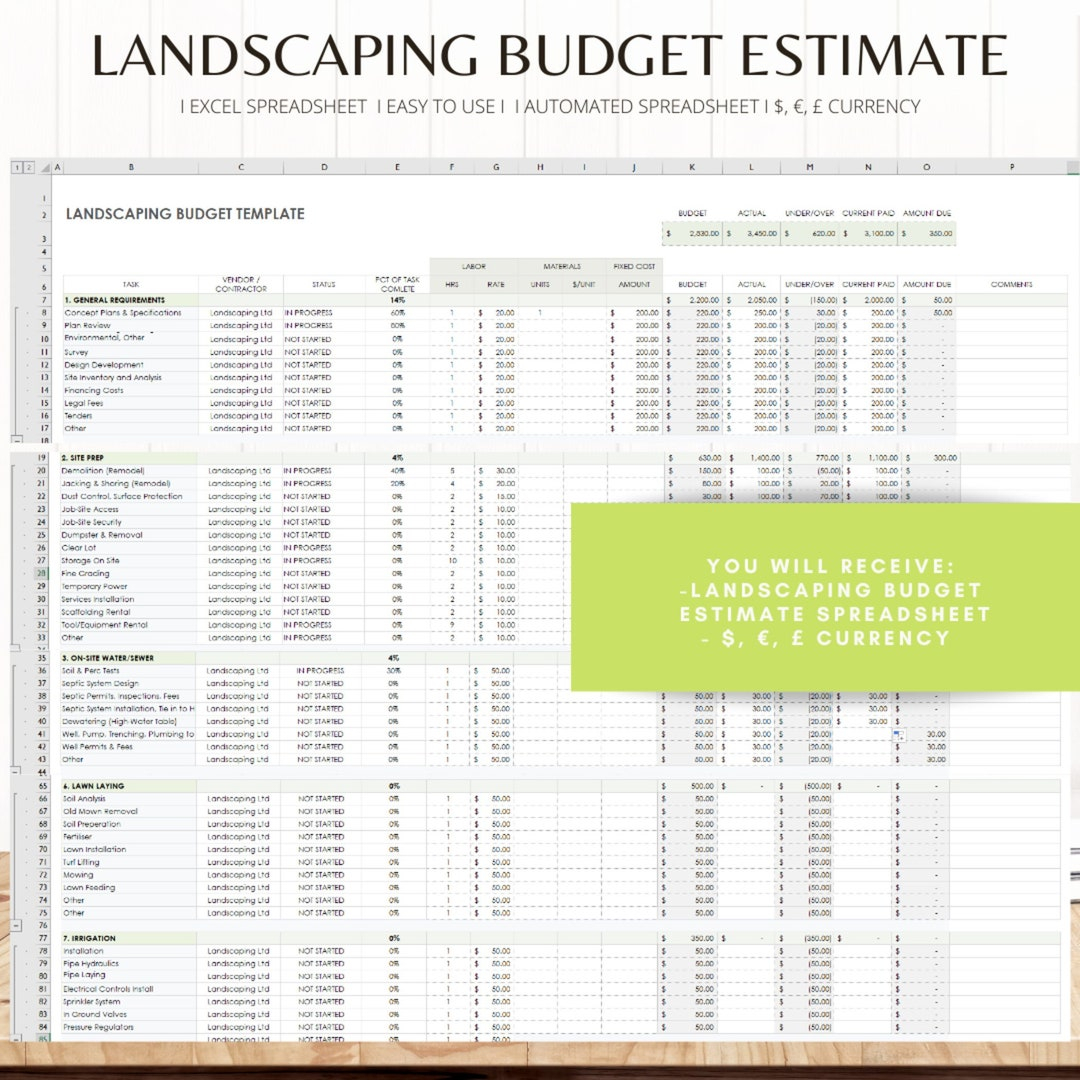

You step outside on a crisp spring morning, coffee in hand, and look at your yard. It’s green, sure. But is it happy? Or is it just surviving? For most of us, the lawn is that quiet companion we either love or love to hate. We want it to look good. We want the neighbors to nod in approval. But then the bill comes. Or worse, you realize you’ve spent three weekends mowing when you could have been hiking.
It’s 2026, and let’s be honest, everything costs a bit more than it did five years ago. Water rates are creeping up in drought-prone areas. Fertilizer prices have stabilized but remain higher than the pre-pandemic norms. And if you’re hiring help? Good luck finding a crew that shows up on time without breaking the bank. So, how do you keep your outdoor space inviting without letting your wallet bleed out? It starts with knowing what you’re actually paying for. Not the guesswork. The real numbers.
Let’s cut through the noise. This isn’t about selling you a new mower or a subscription service. It’s about understanding the rhythm of your yard’s needs and matching that with your budget. Because a yard shouldn’t be a financial black hole. It should be a place where you relax. If you’re stressed about the cost of keeping it alive, you’re missing the point. Let’s figure out where your money goes, so you can decide where it should go.
The Big Picture: What Are We Talking About?
When we say "annual yard expenses," it sounds vague. Like, does that include the hose you bought in July? Probably not. But it definitely includes the big stuff. For the average suburban home in 2026, you’re looking at a baseline. If you do all the work yourself, you might spend between $500 and $1,500 a year. That covers gas, blades, seeds, and maybe a bag of mulch. Sounds manageable, right?
But here’s the catch. Most people don’t do all the work. Or they don’t want to. If you hire a basic mowing service, that number jumps. Fast. We’re seeing average weekly mowing costs hover around $45 to $65 depending on your region and lot size. Do the math. That’s $2,000 to $3,000 just for cutting grass. Add in seasonal cleanups, fertilizing, and weed control, and you’re easily hitting $4,000 or $5,000 annually. It adds up quicker than you’d think.
And then there’s the "hidden" layer. The stuff you forget. Replacing a broken sprinkler head. Buying extra soil because the ground settled. The tree trimmer who says, "While I’m here, I should really take down that dead branch." These aren’t monthly bills. They’re surprises. And in 2026, with labor costs still tight, those surprise visits aren’t cheap. You need a buffer. A "yard emergency fund," if you will. Because things break. Plants die. And life happens.
Water: The Silent Budget Killer
Water is weird. In some places, it’s cheap. In others, it’s becoming liquid gold. If you live in the Southwest or parts of California, you know this pain. Even in traditionally wet areas, summer droughts are getting more common. Your irrigation system is likely your biggest variable expense. A typical suburban lawn needs about an inch of water a week. That sounds small. But over 20 weeks? That’s thousands of gallons.
Let’s talk numbers. If you’re on city water, check your tiered rates. Many municipalities in 2026 have increased penalties for high usage. You might pay $2 per hundred cubic feet for the first block, but $8 for the next. Running your sprinklers for 30 minutes a day can add $50 to $100 to your monthly bill during peak summer. That’s $600 to $1,200 a year just for hydration. Ouch.
So, what’s the fix? Smart controllers are no longer a luxury; they’re a necessity. These devices adjust watering based on local weather data. They skip cycles when it rains. They reduce output when it’s cool. They cost about $100 to $200 upfront but can save you 20-30% on your water bill. That’s a no-brainer. Also, consider the type of grass you have. Fescue needs less water than Bermuda in transition zones. Switching to native ground covers or clover mixes can slash your water needs by half. It’s not just about saving money. It’s about being smart with resources.
Chemicals vs. Care: The Fertilizer Dilemma
Remember when we just threw down a bag of "weed and feed" every spring? Those days are fading. In 2026, there’s a bigger awareness of what those chemicals do to our soil and local waterways. Plus, regulations are tightening. Some states have banned certain phosphorus-based fertilizers entirely. This shifts the cost structure. Organic options are pricier upfront but often require less frequent application.
A standard synthetic fertilizer program might cost you $200 to $400 a year if you DIY. You buy four bags, spread them, and hope for the best. But if you hire a pro service, they’ll charge $50 to $80 per visit, usually four to six times a year. That’s $300 to $500. It’s convenient, sure. But is it effective? Often, yes. But you’re paying for the truck roll, not just the granules.
On the other hand, organic care is slower. You might spend $300 on compost top-dressing and organic pellets. It doesn’t give you that neon-green instant gratification. But it builds soil health. Healthy soil holds water better. It resists disease. Over three or four years, your dependency on external inputs drops. You spend less. The yard becomes more resilient. It’s a mindset shift. From "feeding the plant" to "feeding the soil." Which one fits your budget and your patience?
Labor: To Hire or Not to Hire?
This is the big decision. The fork in the road. Doing it yourself saves cash but costs time. Hiring it out saves time but costs cash. In 2026, the labor market for landscaping is still tight. Finding reliable help is hard. Prices reflect that scarcity. If you value your weekends, hiring might be worth it. But you need to know what you’re buying.
Basic mowing is the easiest service to outsource. It’s commoditized. You can shop around. But specialized work? Tree trimming, aeration, overseeding? These are skilled tasks. A certified arborist isn’t cheap. They might charge $150 an hour. But they won’t kill your oak tree with a bad cut. An amateur might charge $50 but cause $2,000 in damage. Know the difference.
There’s a middle ground, too. Hybrid models are popping up. You handle the weekly mowing. You hire pros for the heavy lifting twice a year. Spring cleanup and fall leaf removal. This splits the difference. You keep the routine cheap. You pay for expertise when it matters. It’s a smart way to balance budget and sanity. Just make sure you’re clear on scope. "Cleanup" means different things to different people. Get it in writing. Always.
Equipment: The Hidden Depreciation
You bought a mower five years ago. It’s still running. Great. But is it efficient? Older gas mowers guzzle fuel and oil. They emit more pollutants. And they break down. More often. In 2026, battery-powered tools have finally caught up. They’re powerful. They last. And they’re quiet. But the upfront cost is higher. A good battery mower setup might cost $600 to $800. A gas one? $300 to $400.
Look beyond the sticker price. Gas costs money. Oil changes cost money. Spark plugs, air filters, blade sharpening. It’s death by a thousand cuts. Battery tools have zero fuel costs. Zero oil changes. You just charge them. Over five years, the battery setup often pays for itself. Plus, your back will thank you. No pull cords. No fumes.
Don’t forget the other tools. Trimmers. Blowers. Hedge shears. If you’re buying cheap plastic ones every two years, you’re wasting money. Invest in quality. Look for brands with good warranty support. And maintain what you have. Clean the decks. Sharpen the blades. A sharp blade cuts cleaner. It stresses the grass less. The lawn looks better. It’s simple physics. But we ignore it. Don’t.
Unexpected Costs: The "Oh No" Fund
Here’s the truth. Your yard will try to bankrupt you. Not on purpose. But nature is chaotic. A storm knocks down a fence panel. $200. Voles eat your tulip bulbs. $50. The irrigation controller fries in a lightning strike. $150. These aren’t regular expenses. They’re anomalies. But they happen. Every year.
If you don’t plan for them, they hurt. You’ll dip into your grocery budget. Or your vacation fund. That’s no fun. So, create a sinking fund. Put aside $50 a month. That’s $600 a year. It seems like a lot. But when the tree service says, "That limb is hanging by a thread," you can say, "Cut it." Without panic. Without debt.
Also, consider insurance. Does your homeowner’s policy cover landscape damage? Sometimes. But often there are limits. $500 or $1,000 caps are common. If you have expensive specimen trees or custom hardscaping, you might need a rider. Talk to your agent. It’s boring. But it’s important. Knowing your coverage prevents nasty surprises when disaster strikes. And in 2026, with weather getting weirder, disaster is more likely.
So, where does this leave you? Stressed? Hopefully not. Empowered? That’s the goal. Your yard is a living thing. It has needs. But those needs don’t have to dictate your financial life. You have choices. You can DIY. You can hire out. You can mix and match. The key is intentionality. Don’t just spend. Plan.
Look at your 2026 budget. Where can you trim? Maybe you switch to a lower-water grass. Maybe you learn to sharpen your own blades. Maybe you accept a few dandelions because they’re food for bees. Perfection is expensive. Beauty is subjective. Find the level of care that makes you happy. Not what the magazine says. Not what the neighbor does. What works for you.
Start small. Track your spending this year. See where the leaks are. Adjust next year. It’s a process. Yards aren’t static. Neither are our lives. Be flexible. Be kind to yourself. And remember, the best yard isn’t the one that costs the most. It’s the one where you actually want to sit down and stay awhile.