
Ever felt like your backyard was a bit too open, a little too exposed? You’re not alone. In an increasingly bustling world, the desire for a private sanctuary, a personal slice of paradise right outside our doors, has never been stronger. But for many, the old trusty wooden fence just doesn’t quite cut it anymore. It’s functional, sure, but does it truly inspire. Does it bring life.
That’s why, across neighborhoods big and small, homeowners are turning to a more organic, more vibrant solution: natural screens. These aren’t your grandmother’s hedges; we’re talking about clever, beautiful, and often surprisingly simple ways to blend living plants into your landscape to create seclusion, add aesthetic appeal, and even boost local ecosystems. It’s a movement that’s gaining serious traction, transforming sterile boundaries into lush, breathing walls by 2026.
The Allure of Living Walls and Green Fences
Why the sudden shift from solid barriers to vibrant green ones. Well, it’s a mix of things. For starters, there’s the undeniable visual appeal. A dense row of evergreens or a flowering vine climbing a trellis is just plain more attractive than a vinyl fence, isn’t it. Homeowners are realizing that privacy doesn’t have to mean sacrificing beauty. Instead, it can become an integral part of their garden’s charm. Think about it: instead of a stark division, you get a dynamic, changing backdrop that shifts with the seasons, offering different textures and colors.
Then there’s the feeling. A natural screen simply feels softer, more inviting, and less imposing. It can muffle street sounds, filter harsh winds, and even provide a cooling effect during those hot summer months. People are truly seeking to create an atmosphere, an experiance, in their outdoor areas. It’s about crafting an environment that feels good to be in, not just a space that’s walled off. This holistic approach to landscape design is what’s driving much of the innovation we’re seeing.
Choosing the Right Green Guardians
Picking the perfect plants for your living screen can feel a bit daunting, but it doesn’t have to be. The key is to consider your local climate, soil type, and the amount of sunlight your chosen spot receives. Are you looking for something fast-growing to offer quick coverage, or do you have the patience for a slower, more established growth. Many folks are gravitating towards native species, which are often more resilient and require less water once they’re settled in. For example, in many regions, something like a native holly or a specific type of juniper can create a dense, evergreen barrier that thrives without constant fuss.
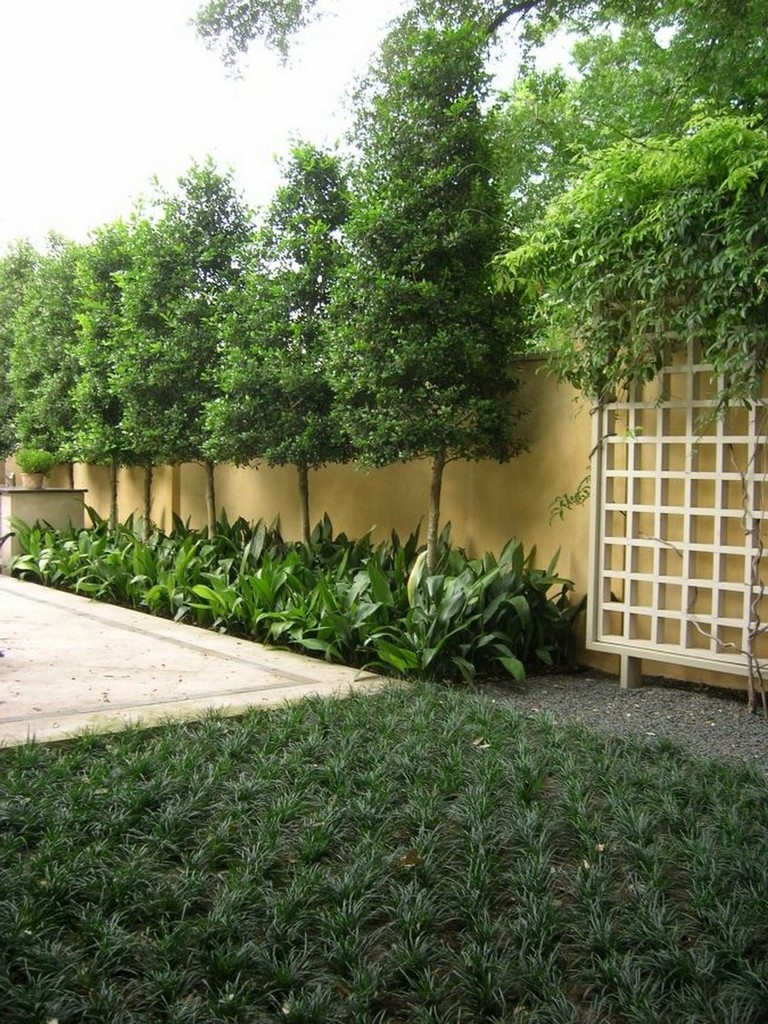
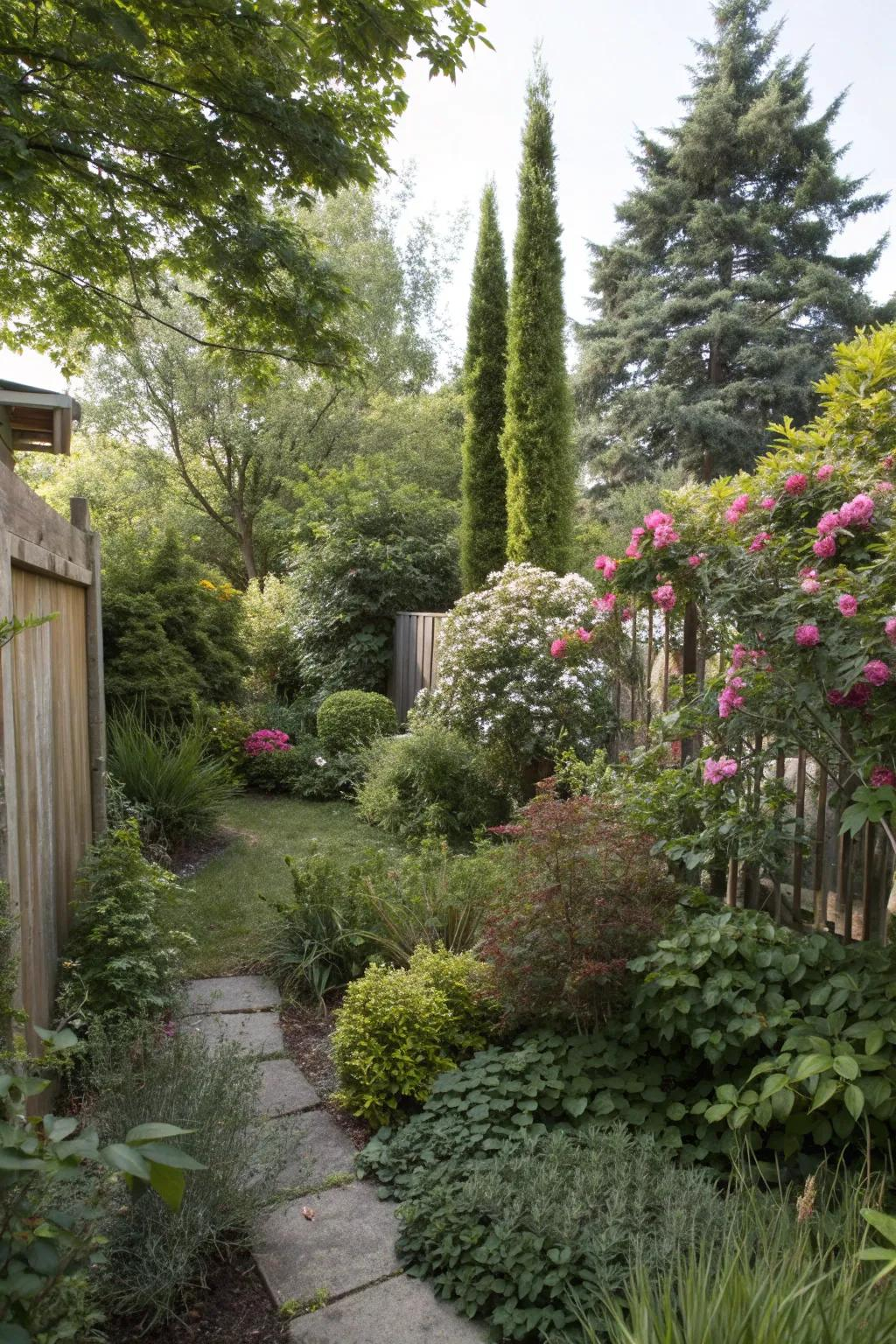
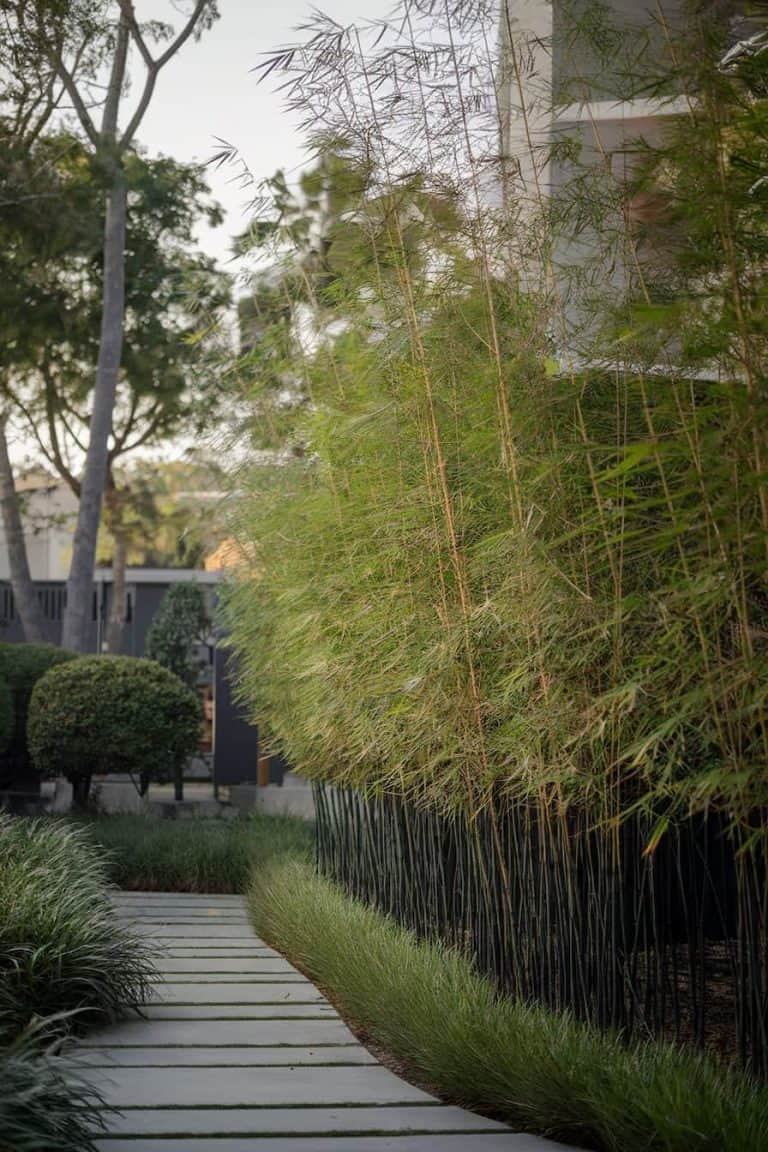
Consider the ultimate height and spread, too. You don’t want a plant that will quickly outgrow its space and become a maintenance nightmare. Think about whether you need year-round privacy, which points towards evergreens like arborvitae, Leyland cypress, or certain bamboo varieties (though be careful with running bamboos; clumping types are usually a safer bet for controlled growth). Deciduous options, such as some flowering shrubs or even small trees, can provide stunning seasonal interest and still offer significant screening when in leaf. The trick is to match the plant’s natural tendencies with your specific needs and the site’s conditions.
Design Principles for Seamless Integration
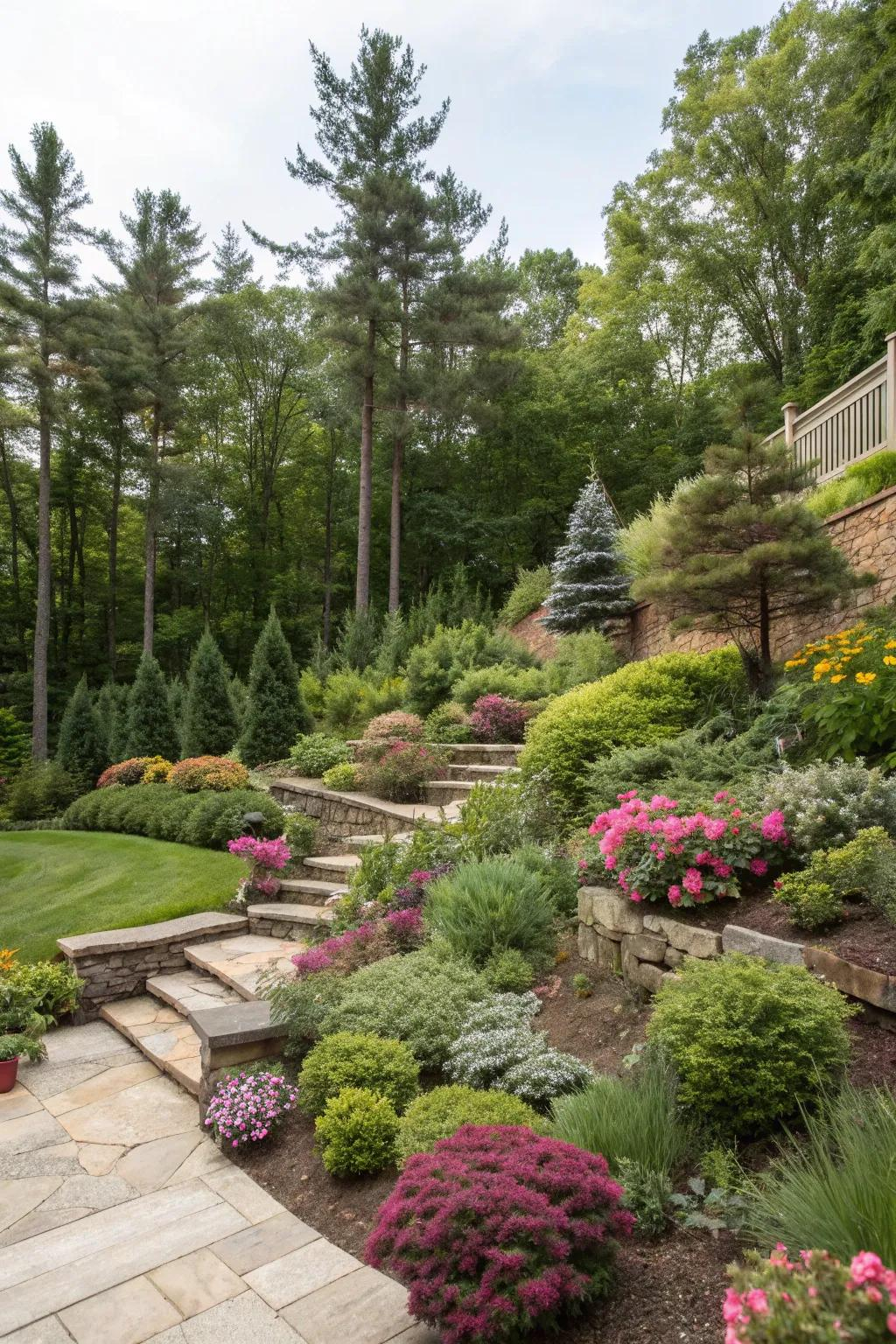
A natural screen shouldn’t look like an afterthought; it should feel like an organic part of your landscape. One popular approach is to vary the plant types and heights within the screen itself. Instead of a single straight line of identical shrubs, imagine layering different plants – taller ones at the back, medium-sized ones in front, and perhaps some groundcover or low-growing perennials at the base. This creates depth and visual interest, making the screen feel much more natural and less like a military hedge.
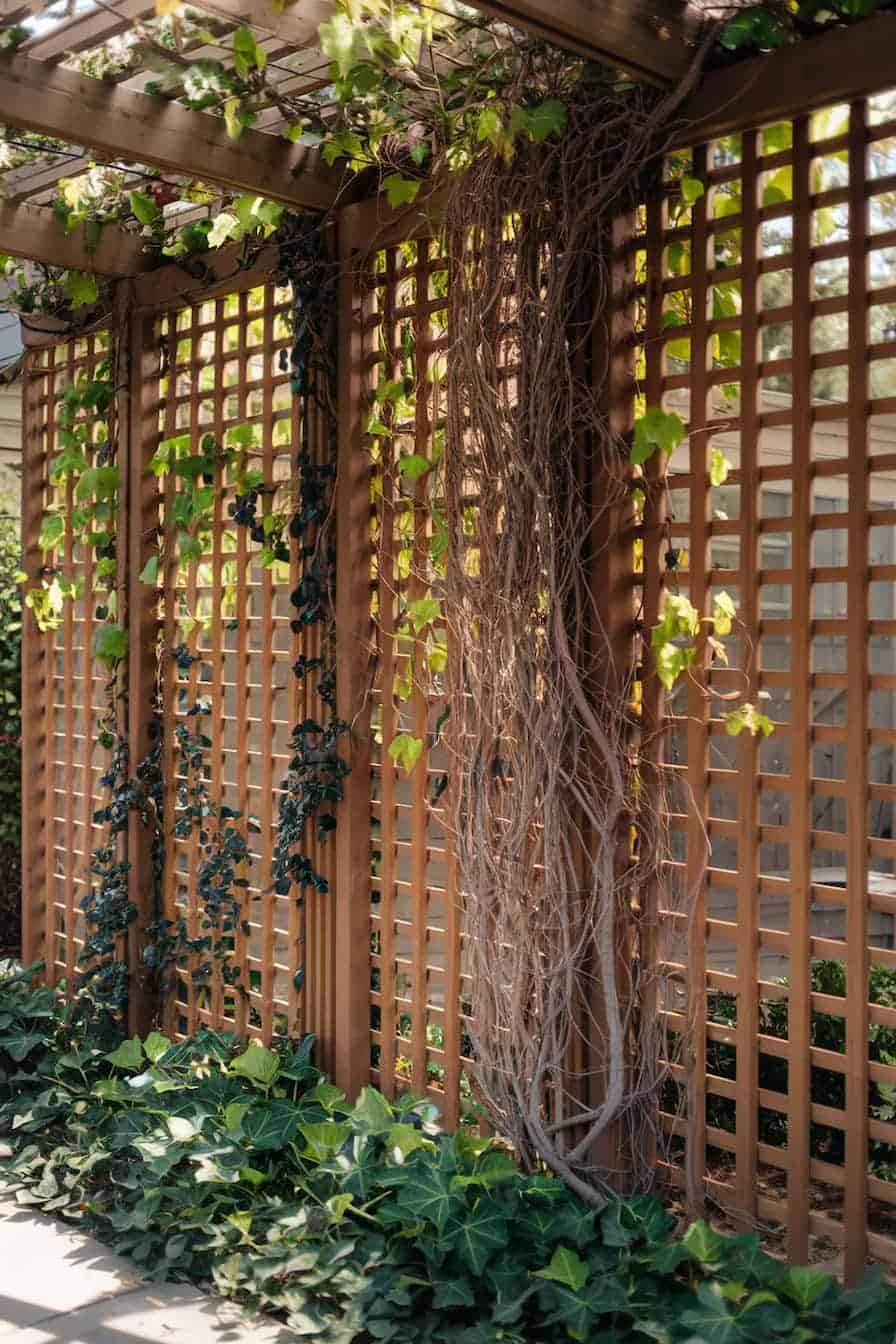
Another clever tactic is to incorporate structural elements. A sturdy trellis or an elegant pergola can provide the perfect framework for climbing plants like clematis, jasmine, or even edible grapes. These structures offer instant height and shape, allowing vines to quickly fill in the gaps and create a lush, living wall. Some homeowners are even blending in decorative panels or artistic elements between sections of planting, creating a truly unique and personalized boundary. It’s all about creating a sense of flow and harmony, where the screen feels intentional and integrated, not just a barrier.
Beyond Privacy: Ecological Benefits and Biodiversity Boost
Here’s where natural screens really shine beyond just aesthetics and seclusion. They’re not just pretty faces; they’re environmental champions. By planting a dense screen, you’re creating a mini-habitat, offering shelter and food for local wildlife. Birds will love nesting in the branches, and beneficial insects will find a home, which in turn helps with pollination and pest control in your wider garden. It’s a fantastic way to support biodiversity right in your own backyard, something many homeowners are increasingly conscious of in 2026.
Think about the air quality, too. Plants are natural air purifiers, absorbing carbon dioxide and releasing oxygen. A substantial green screen can help filter out airborne pollutants and dust, making your outdoor living spaces healthier and more pleasant. And let’s not forget about stormwater management. Dense plantings help absorb rainwater, reducing runoff and contributing to healthier soil and waterways. It’s a win-win situation, offering both personal enjoyment and a positive impact on the broader enviroment.
Small Spaces, Big Impact: Urban and Compact Solutions
"But what if I have a tiny yard?" you might ask. Good question. The beauty of natural screens is their adaptability. You don’t need acres of land to make a difference. For urban dwellers or those with compact outdoor areas, vertical gardening has become a revelation. Think living walls made from modular planters, or narrow trellises adorned with espaliered fruit trees or flowering vines. These solutions maximize vertical space, providing privacy and greenery without eating up precious ground area.
Container planting is another excellent option. Large, attractive pots filled with tall grasses, slender evergreens, or even dwarf fruit trees can be arranged to create movable screens. This offers incredible flexibility; you can reconfigure your "walls" as needed for different events or seasons. Even a small balcony can be transformed into a private oasis with a few well-chosen potted plants or a simple bamboo screen. It just goes to show that creativity, and not necessarily square footage, is the real limit here.
Let’s be real: natural screens aren’t entirely set-it-and-forget-it. Like any living thing, they need a little love and attention. The good news is that with proper plant selection, maintenance can be relatively minimal. Regular watering, especially during establishment and dry spells, is crucial. Pruning is another key aspect; it helps maintain the desired shape, density, and health of your plants. For formal hedges, this might mean a few trims a year, while more naturalistic screens may only need occasional shaping.
Fertilization can give your plants a boost, especially if your soil isn’t particularly rich. And keep an eye out for pests or diseases. Catching these early can prevent bigger problems down the line. Remember, a healthy plant is a happy plant, and a happy plant makes for a beautiful, effective screen. Don’t be afraid to consult with local nurseries or gardening experts; they can offer tailored advice for your specific plants and region, helping you keep your green guardians thriving for years to come.
So, there you have it. The trend of blending natural screens into landscape designs isn’t just a fleeting fad; it’s a thoughtful, sustainable, and utterly charming way for homeowners to reclaim their outdoor spaces. It’s about more than just privacy; it’s about creating beauty, fostering biodiversity, and enhancing the overall well-being of our homes and our planet. Whether you’re dreaming of a lush, evergreen barrier or a delicate, flowering vine, there’s a natural screening solution waiting to transform your yard into the private, peaceful haven you’ve always wanted. Why settle for less when you can have so much more.