
You know that feeling when you pull into your driveway after a long, chaotic day? The noise of traffic fades, the emails stop pinging, and suddenly, there’s just… quiet. That’s the power of a well-designed front yard. It isn’t just about curb appeal for the neighbors; it’s about setting a tone for your life before you even step through the front door. In 2026, we’re seeing a massive shift away from the high-maintenance, cluttered lawns of the past. People are tired of spending their weekends fighting with grass clippings and weed whackers. They want peace. They want simplicity.
Minimalism in landscaping doesn’t mean empty or cold. Far from it. It means being intentional. It’s about choosing quality over quantity. It’s about letting a single, sculptural tree take center stage instead of hiding it behind a dozen busy shrubs. This year, the trend is firmly rooted in "timeless" design. We aren’t chasing fleeting fads that will look dated in three years. We are building spaces that feel grounded, calm, and effortlessly elegant. Whether you have a sprawling estate or a tiny patch of dirt in front of a townhouse, the principles remain the same. Less noise, more soul.
Mastering the Power of Negative Space
The biggest mistake people make when trying to go minimalist is thinking they need to fill every inch. They don’t. In fact, the most luxurious element you can offer yourself is space. Negative space—the empty areas between plants and hardscape—is what allows the eye to rest. It creates a sense of breathing room. Think of your front yard like a page in a book. If every line is packed with text, it’s exhausting to read. But with wide margins and clear spacing, it becomes inviting.
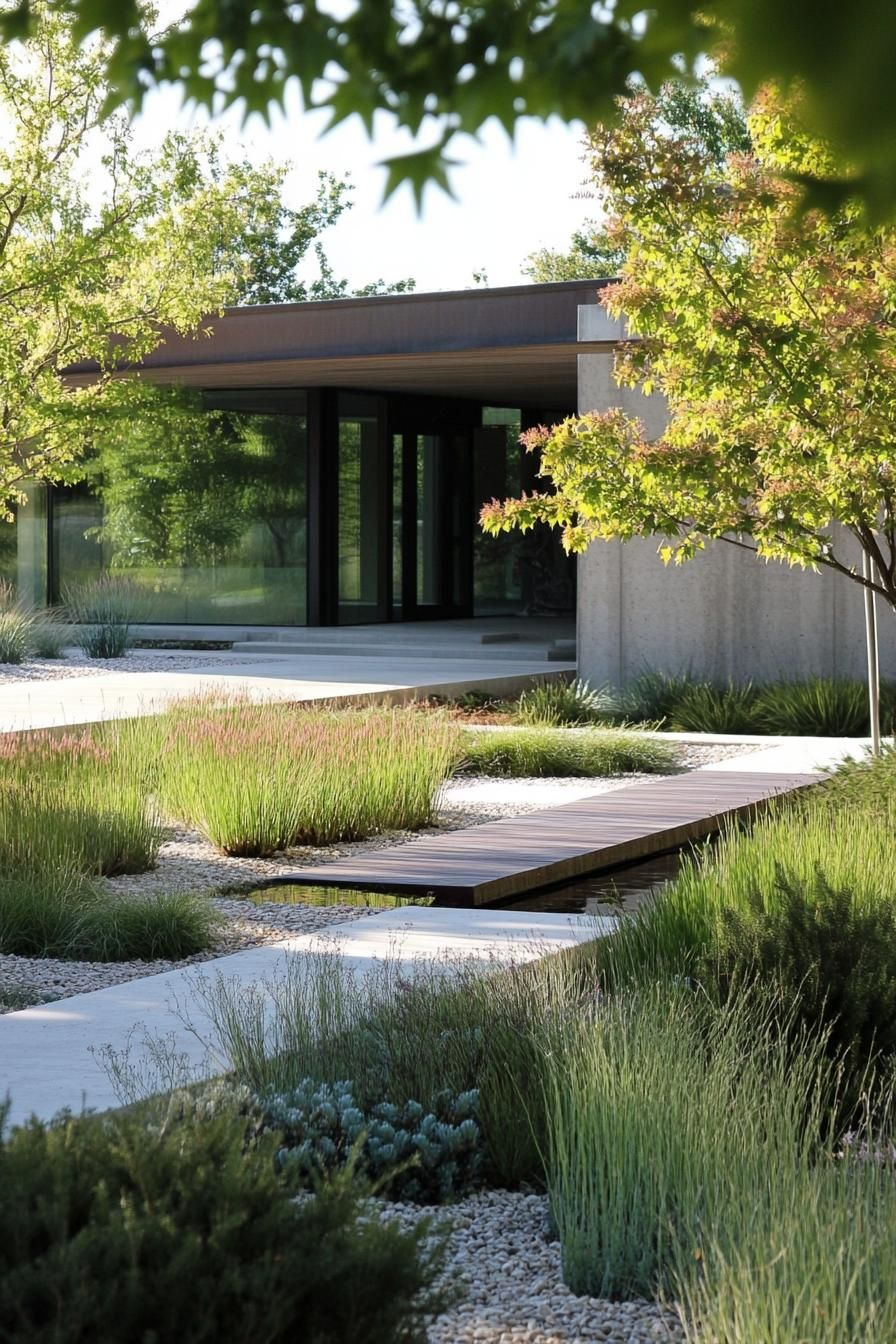
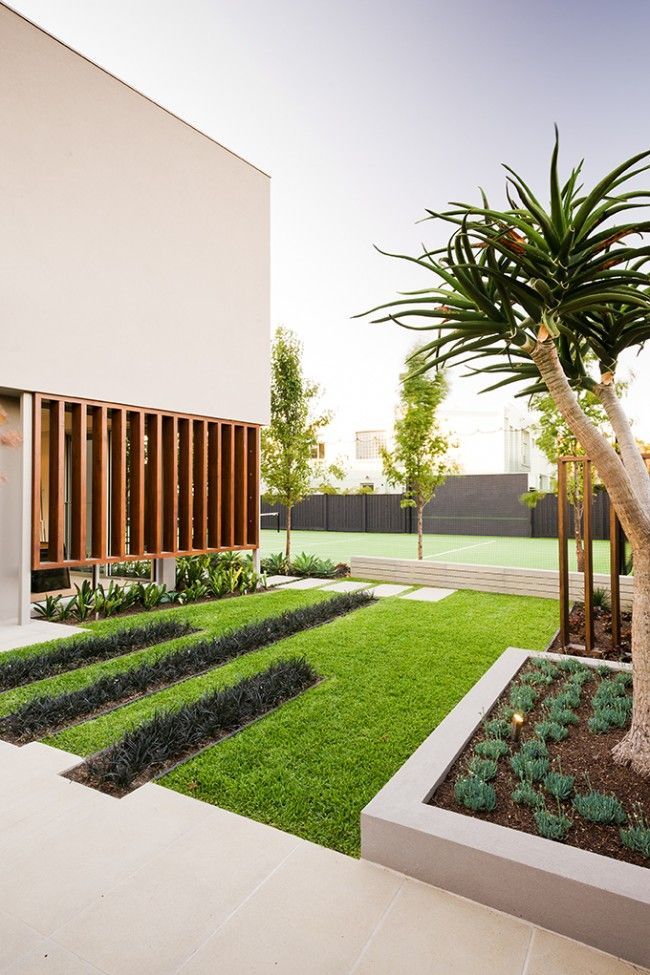
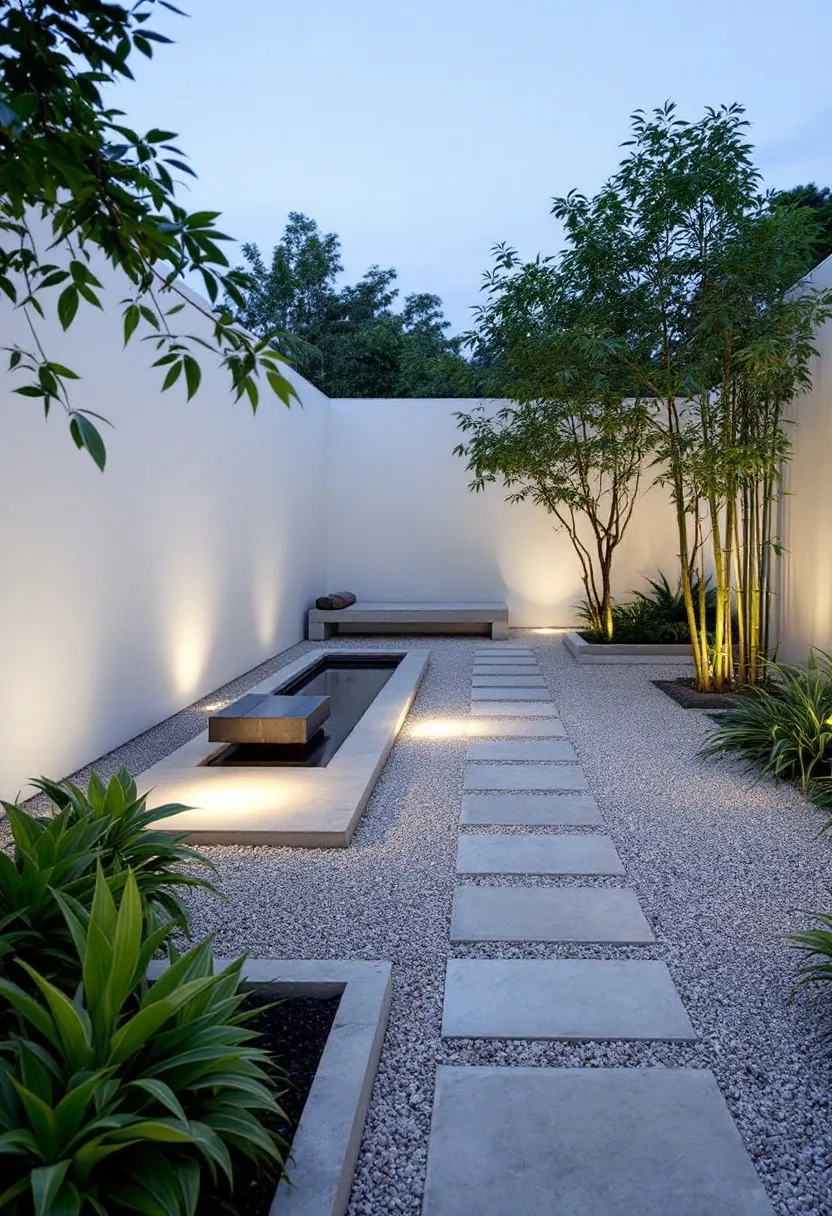
In 2026, designers are prioritizing open ground planes. This might mean replacing a chunky, irregular lawn with smooth, large-format concrete pavers or sleek gravel beds. The goal is to create clean, geometric lines that guide the eye toward the entrance of your home. By reducing the number of elements, each remaining feature gains importance. A single boulder looks like a mistake in a crowded garden, but in a minimalist setting, it becomes a piece of art. It anchors the space. It gives weight to the design.
This approach also has a practical side. Fewer plants mean fewer things to water, prune, and worry about. It reduces the visual clutter that contributes to mental stress. When you stand on your porch and look out, you shouldn’t feel overwhelmed by a jungle of competing colors and textures. You should feel a sense of order. That order is calming. It tells your brain that everything is under control. So, resist the urge to plug every gap. Let the emptiness do the heavy lifting. It’s harder than it sounds, I know. We love to collect things. But in this case, holding back is the bravest design choice you can make.
Curating a Restrained Plant Palette
Let’s talk about plants. Or rather, let’s talk about fewer plants. A common misconception is that minimalist means no plants. That’s boring. Instead, think of it as editing. You wouldn’t wear ten necklaces at once if you were going for a chic look. Why would you plant ten different species in a small bed? The secret to a timeless look is repetition and restriction. Pick two or three plant varieties and stick to them. Mass them together.
Native plants are having a huge moment right now, and for good reason. They are adapted to your local climate, which means they need less water and care. In 2026, sustainability isn’t just a buzzword; it’s a baseline expectation. Using natives like ornamental grasses, sedums, or local ferns ensures your garden thrives without constant intervention. Perennials are another smart choice. Unlike annuals that need replacing every spring, perennials come back year after year. They establish deep roots and grow stronger with time. Boxwoods, privet, and catmint are classic choices that offer structure and texture without demanding too much attention.
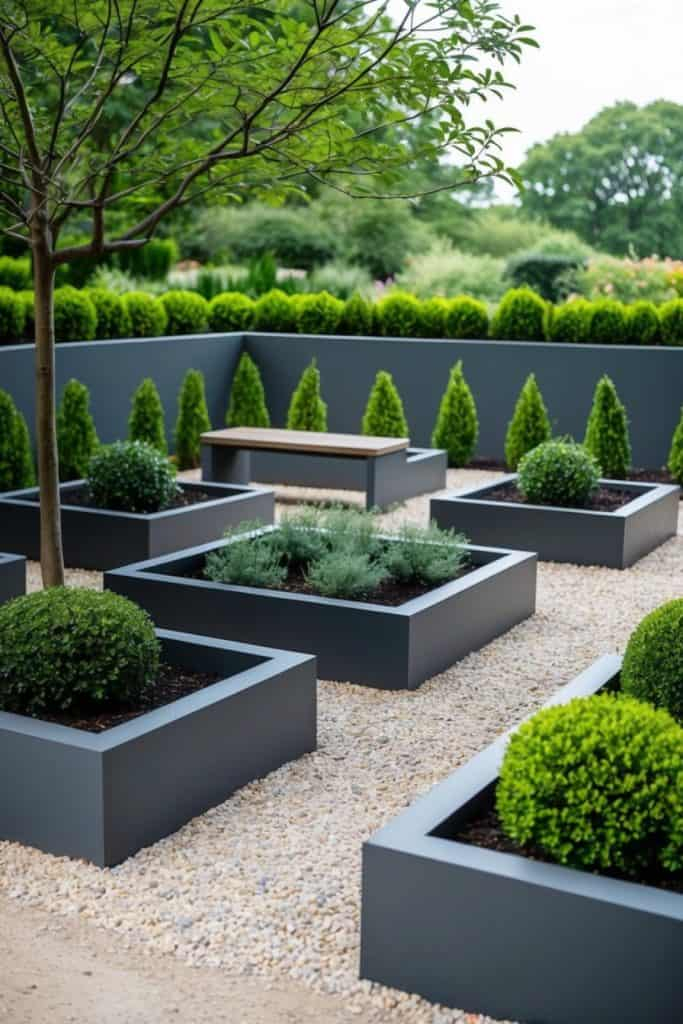
When you repeat a single plant type—say, a row of uniform boxwood spheres or a sweeping drift of lavender—you create rhythm. It’s visually soothing. The eye travels smoothly across the landscape instead of jumping around frantically. This "en masse" planting technique makes even a small yard feel larger and more cohesive. Plus, it simplifies maintenance. You only need to learn the care requirements for a few species. If you’re unsure where to start, look at what grows wild in your area. Nature has already done the hard work of selecting plants that survive and thrive. Mimic that resilience. It’s lazy gardening in the best possible way.
Hardscaping with Clean, Defined Lines
Hardscaping is the skeleton of your garden. It provides the structure that holds everything else together. In a minimalist front yard, these elements need to be sharp, clean, and deliberate. Soft, meandering paths can work, but often, straight lines and right angles create that modern, crisp aesthetic we’re after. Materials matter immensely here. You want things that age well. Concrete, slate, steel, and natural stone are top contenders. They don’t try to look like something they’re not.
Gravel is making a comeback, but not the messy, loose kind you find on old driveways. Think crushed granite or dark gray pebbles, tightly packed and edged with metal or stone borders. This creates a sleek, uniform surface that contrasts beautifully with green foliage. Large-scale pavers set in sand or moss offer a contemporary twist on traditional pathways. They break up the monotony of solid concrete while still maintaining a sense of openness. The key is defined edges. A crisp border between your mulch bed and your lawn (or gravel) signals intentionality. It shows that the design was thought out, not just happened.
Water features are also evolving. We’re moving away from loud, splashing fountains toward subtle, reflective pools or slim, modern bowls. These act as mirrors, reflecting the sky and surrounding architecture. They add a layer of tranquility and a hint of white noise that masks street sounds. In busy neighborhoods, this sonic buffer is invaluable. The sound of trickling water is primal; it lowers our heart rates. But keep it simple. A single, sculptural fountain made of metal or fiberglass can serve as a focal point without overwhelming the space. It’s about presence, not performance.
Strategic Lighting for Nighttime Drama
Daylight is great, but your front yard spends half its life in the dark. Don’t neglect it. Lighting in 2026 is all about subtlety. We’ve moved past the era of bright, glaring floodlights that turn your home into a spaceship landing pad. Now, it’s about layering light to create depth and mood. Low-voltage LED fixtures are the standard. They’re energy-efficient, long-lasting, and small enough to hide.
The best lighting is the kind you don’t see. Concealed strip lighting tucked under steps or along the edge of a pathway creates a soft, floating glow. It guides your feet safely without blinding your eyes. Bollard lights—those short, post-like fixtures—are perfect for lining a walkway. Choose sleek, unobtrusive designs in matte black or brushed steel. They should blend into the background during the day and emerge as gentle guides at night. Up-lighting a specimen tree or a textured wall adds vertical interest and drama. It pulls the eye upward, making the space feel taller and more grand.
Avoid over-lighting. You don’t need to illuminate every corner. Shadows are important. They create mystery and contrast. If everything is bright, nothing stands out. Focus on highlighting key architectural features or your primary plant specimens. Let the rest fall into darkness. This restraint saves energy and creates a more sophisticated ambiance. It turns your front yard into a serene evening retreat rather than a brightly lit stage. And remember, warm-white bulbs (around 2700K to 3000K) are much more inviting than cool, blue-toned lights. They mimic the warmth of sunset and firelight, making your home feel welcoming.
Embracing Low-Maintenance Materials
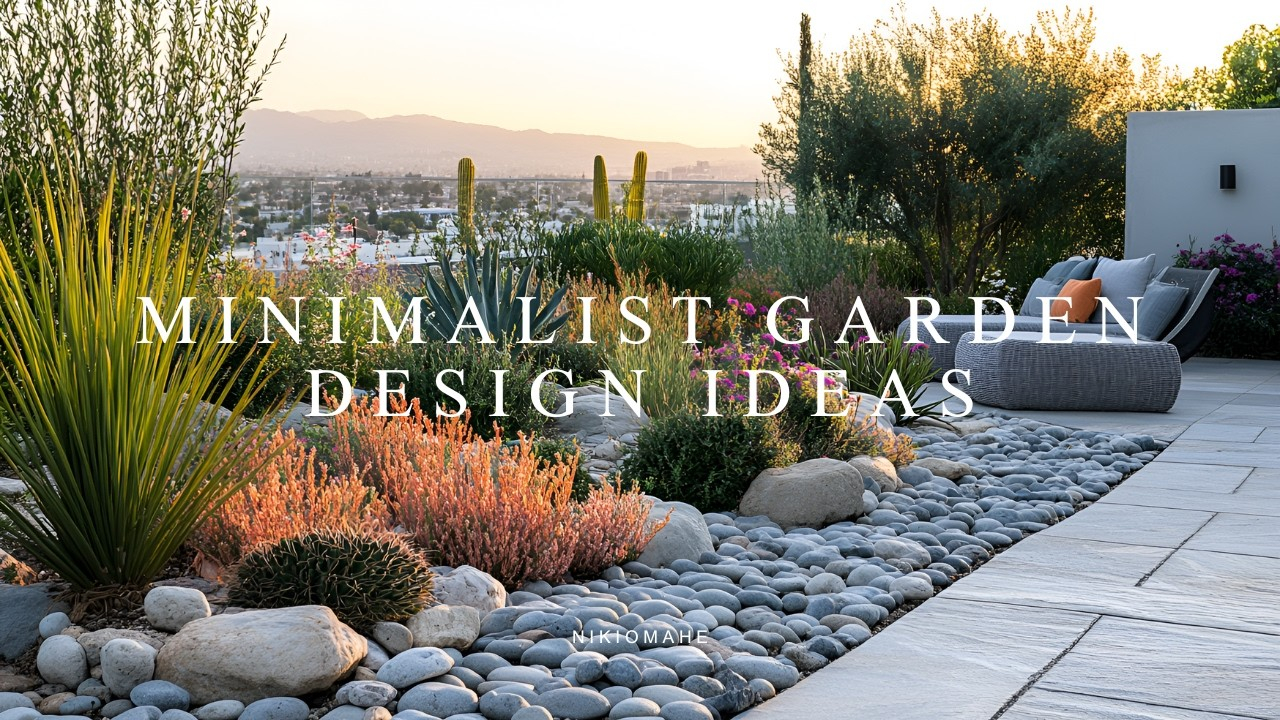
Let’s be real: nobody wants to spend their Saturday morning weeding. A truly timeless minimalist yard is designed to be low-effort. This starts with material selection. Mulch is your best friend. A thick layer of organic mulch suppresses weeds, retains moisture, and keeps soil temperatures stable. It also provides a rich, dark backdrop that makes green plants pop. In 2026, we’re seeing a rise in inorganic mulches like river rocks or decomposed granite for ultra-low-maintenance zones. They don’t break down, so you don’t have to replace them every year.
Hidden storage is another unsung hero of minimalist design. Clutter kills the vibe. Where do you put your hose? Your gardening tools? Your extra cushions? If they’re visible, the illusion of simplicity is broken. Incorporate built-in benches with lift-up seats for storage. Use decorative boxes that match your hardscape materials. Keep these items tucked away so the visual field remains clear. A tidy space feels larger and more peaceful. It’s not just about aesthetics; it’s about functionality. A beautiful yard that’s a hassle to maintain will eventually become a burden.
Consider durable, weather-resistant finishes for any furniture or decor. Teak, powder-coated aluminum, and stone withstand the elements with minimal care. Avoid fabrics that stain easily or metals that rust quickly unless you’re going for that specific patina look. The goal is to set it and forget it. You want to enjoy your yard, not serve it. By choosing materials that age gracefully and require little upkeep, you ensure your minimalist design stays looking fresh and intentional for years to come. It’s an investment in your free time.
While the backbone of your yard should be permanent and stable, a touch of transience keeps it from feeling sterile. This is where you can inject personality without committing to clutter. Potted plants are the easiest way to do this. They’re mobile. You can swap them out with the seasons. In spring, maybe it’s tulips or daffodils. In summer, vibrant geraniums or trailing ivy. In fall, ornamental kale or mums. Winter? Evergreen branches or bare, sculptural branches.
These transient elements add freshness and vitality. They signal the passage of time and connect you to the natural cycles of the year. Because they’re contained in pots, they don’t disrupt the clean lines of your permanent design. You can place a single large pot by the front door as a welcome gesture. Or group a few smaller ones on a patio. The key is to keep the pots themselves simple. Terracotta, concrete, or glazed ceramic in neutral tones work best. Avoid busy patterns or bright colors that clash with your restrained palette.
Seasonal décor can also play a role, but keep it minimal. A simple wreath on the door. A few pumpkins on the step in October. A string of subtle lights during the holidays. These small touches make the space feel lived-in and warm. They invite connection. But once the season passes, put them away. Don’t let holiday decorations linger into March. The beauty of minimalism is its clarity. By rotating these small accents, you keep the design dynamic and engaging without sacrificing the underlying calm. It’s the difference between a museum exhibit and a home. One is static; the other breathes.
Creating a timeless minimalist front yard isn’t about stripping away everything until there’s nothing left. It’s about stripping away the unnecessary so that what remains can shine. It’s about finding balance between structure and nature, between permanence and change. In 2026, this approach resonates because it aligns with how we want to live: simpler, slower, and more connected to our surroundings.
Start small. You don’t have to redo everything at once. Maybe you begin by clearing out a cluttered bed. Maybe you replace a noisy, high-maintenance lawn section with gravel and a single accent tree. Maybe you just add some subtle lighting. Each step brings you closer to that sense of peace. Remember, the goal isn’t perfection. It’s harmony. It’s creating a space that welcomes you home, every single day.
So take a deep breath. Look at your front yard with fresh eyes. What can you remove? What can you simplify? Trust your instincts. Less really is more. And in a world that’s constantly shouting, a quiet, beautiful front yard is the ultimate luxury.