
There is nothing quite like the feeling of stepping into your backyard and plucking a crisp, sun-warmed tomato right off the vine. Raised bed gardening is exploding in popularity this year, and for good reason. It saves your back, keeps pests at bay, and gives you total control over the soil. But if you aren’t careful, a simple weekend DIY project can quickly turn into a massive money pit.
We have all been there. You walk into the home improvement store thinking you will spend fifty bucks, and leave three hours later with a receipt that makes your eyes water. Let’s make sure that doesn’t happen to your garden. Building a raised bed shouldn’t require taking out a second mortgage, so let’s look at how to map out every single penny before you start digging.
Choosing Your Frame Material Wisely
The actual box is where most people start, and it is also where costs can wildly fluctuate. Untreated cedar and redwood are the gold standards because they resist rot naturally, but they will cost you a pretty penny in 2026. If you want that high-end look without the premium price tag, consider using thick construction-grade Douglas fir. It won’t last quite as long as cedar, but it will easily give you five to seven years of solid use for a fraction of the cost.
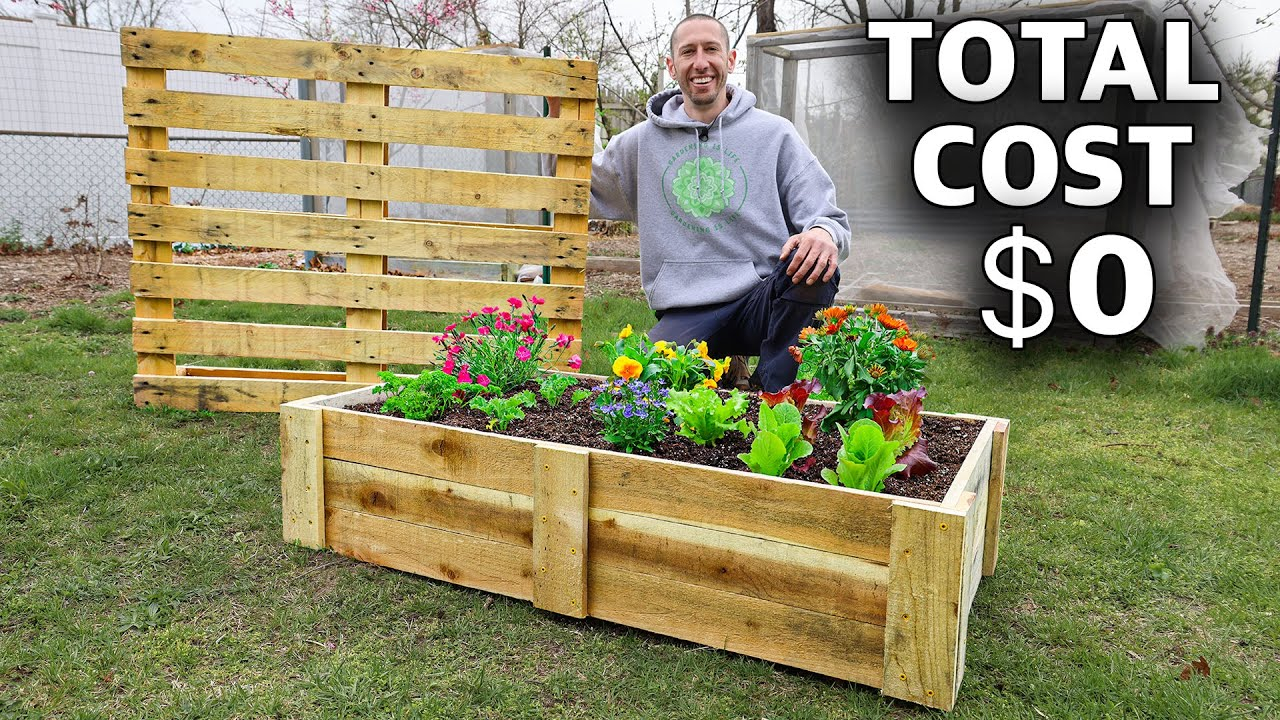
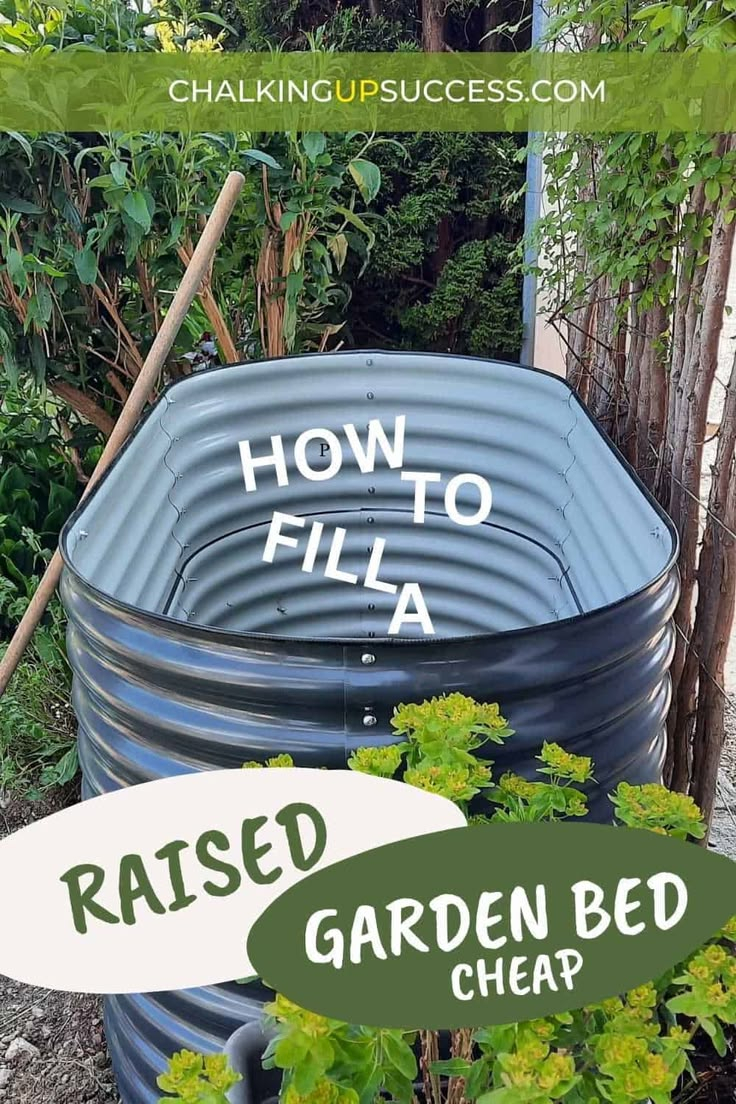
Another fantastic option that people often overlook is corrugated metal sheets combined with a simple wood frame. This look is incredibly trendy right now and offers amazing durability. For those on an absolute shoestring budget, don’t sleep on free pallet wood. Just make sure the pallets are stamped with an “HT” which means they were heat-treated rather than packed with nasty chemical pesticides.
The Great Soil Miscalculation
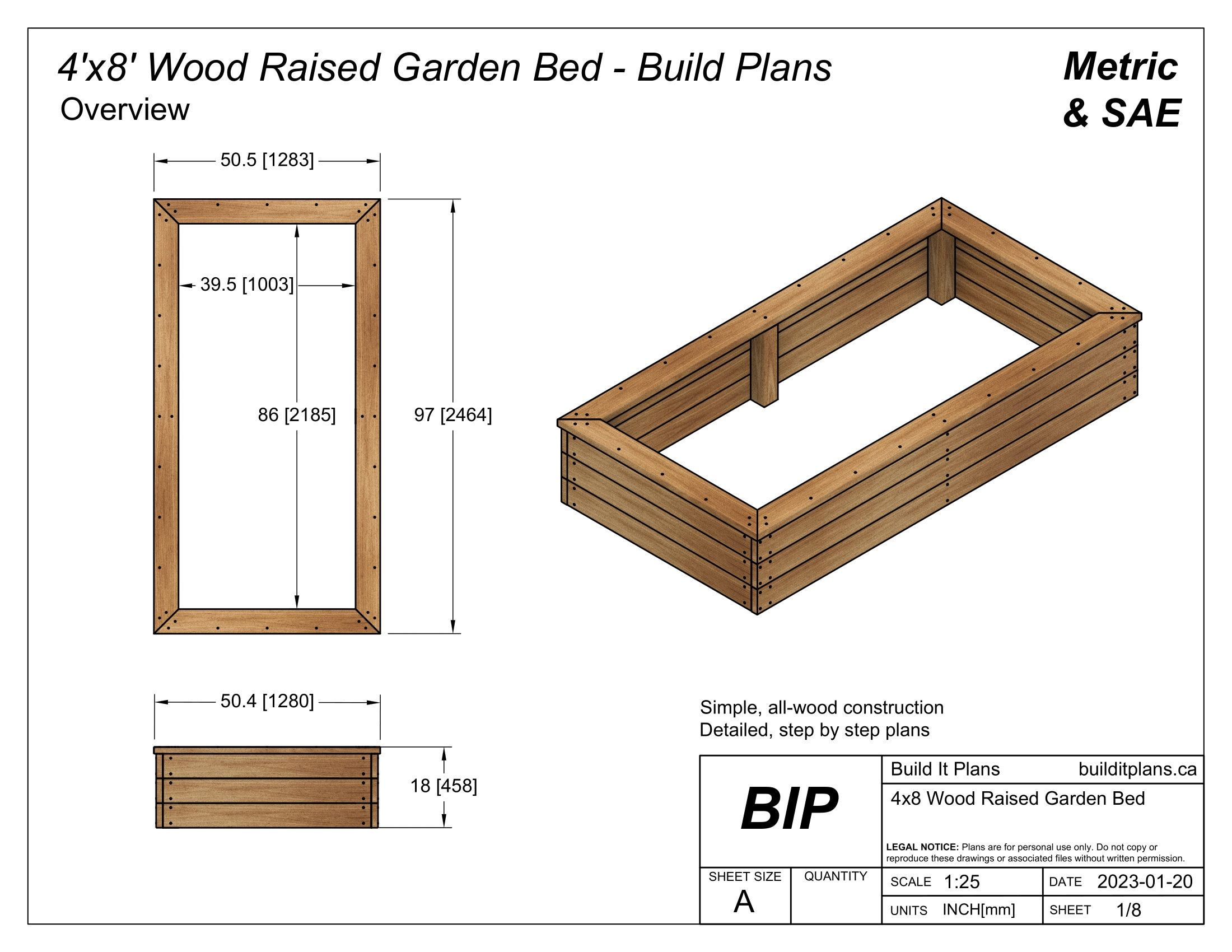
Here is the biggest trap in the gardening world: buying your soil by the bag. It seems easy and convenient when you are standing in the garden center, but filling a standard four-by-eight raised bed with individual bags of potting mix will absolutely drain your wallet. You will end up needing way more than you think, and those fifteen-dollar bags add up fast.
Instead, look up a local landscape supply yard and order your mix in bulk. Ask for a "3-way mix" or a specific raised bed blend, which usually contains topsoil, compost, and aged manure. Even with a delivery fee, buying bulk soil is almost always cheaper if you are building more than one bed. Plus, they just drop it right in your driveway.
Hardware and Corner Brackets
It is easy to forget about the tiny things that actually hold your box together. Standard drywall screws are going to rust and snap within a single season due to the moisture in the dirt. You need exterior-grade deck screws, preferably coated ones or stainless steel. They cost a bit more upfront, but they keep your bed from bursting open at the seams when the ground freezes and expands.
If you aren’t super confident in your carpentry skills, you might want to buy corner brackets. They make building a perfect square incredibly easy, but they can be pricey. A cheap workaround is using scrap pieces of 2×4 lumber in the inside corners and screwing your outer boards directly into them. It works just as well and keeps your hard-earned cash in your pocket.
Lining and Pest Protection
You build this beautiful bed, fill it with gorgeous soil, and three weeks later, aggressive weeds or gophers burrow up from underneath and ruin everything. Fixing this after the fact is an absolute nightmare. To prevent this, you need to line the bottom of your bed before the soil goes in.
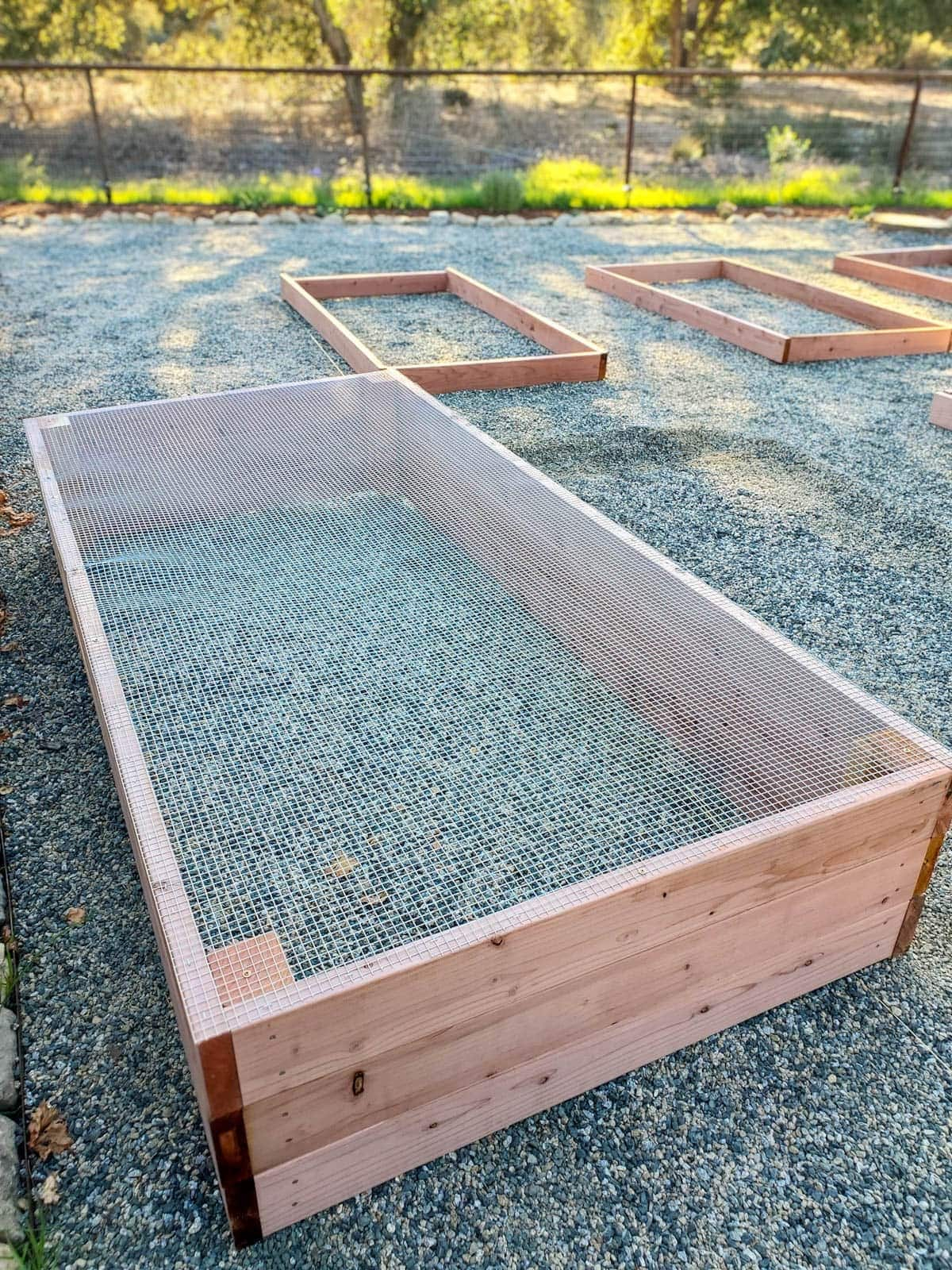
Hardware cloth—which is basically heavy-duty wire mesh—is essential if you have moles or gophers. Lay it across the bottom and staple it securely to the frame. On top of that, layer a few sheets of plain, unprinted cardboard. The cardboard smothers the grass and weeds underneath, then naturally breaks down over time to let your plants root deeply.
Water and Irrigation Setup
So many people forget that plants need a drink, and dragging a heavy hose across the yard every morning gets old real fast. If you just rely on a standard spray nozzle, you end up wasting a ton of water to evaporation. A basic drip irrigation kit or a simple soaker hose attached to an inexpensive mechanical timer is a game-changer for 2026.
Budgeting for this early means you can hide the ugly hoses right under the soil surface before you plant. It saves water, keeps your plants healthier by watering them right at the roots, and ensures your investment doesn’t dry up and die the first time you go away for a weekend trip.
Seeds, Starts, and Tools
Once the bed is built and filled, you actually need something to grow. Buying starter plants from a nursery gives you an instant garden, but it is the priciest route. A single tomato start can cost five dollars, whereas a whole packet of seeds containing dozens of plants costs the same.
Mix and match to save money. Buy seeds for things that grow incredibly fast and easy, like radishes, lettuce, and beans. Save your nursery budget for things that take a long time to start from seed, like peppers or eggplants. Oh, and check your local library. Many libraries now have free seed banks where you can take packets for absolutely nothing.
At the end of the day, a raised garden bed is an investment that