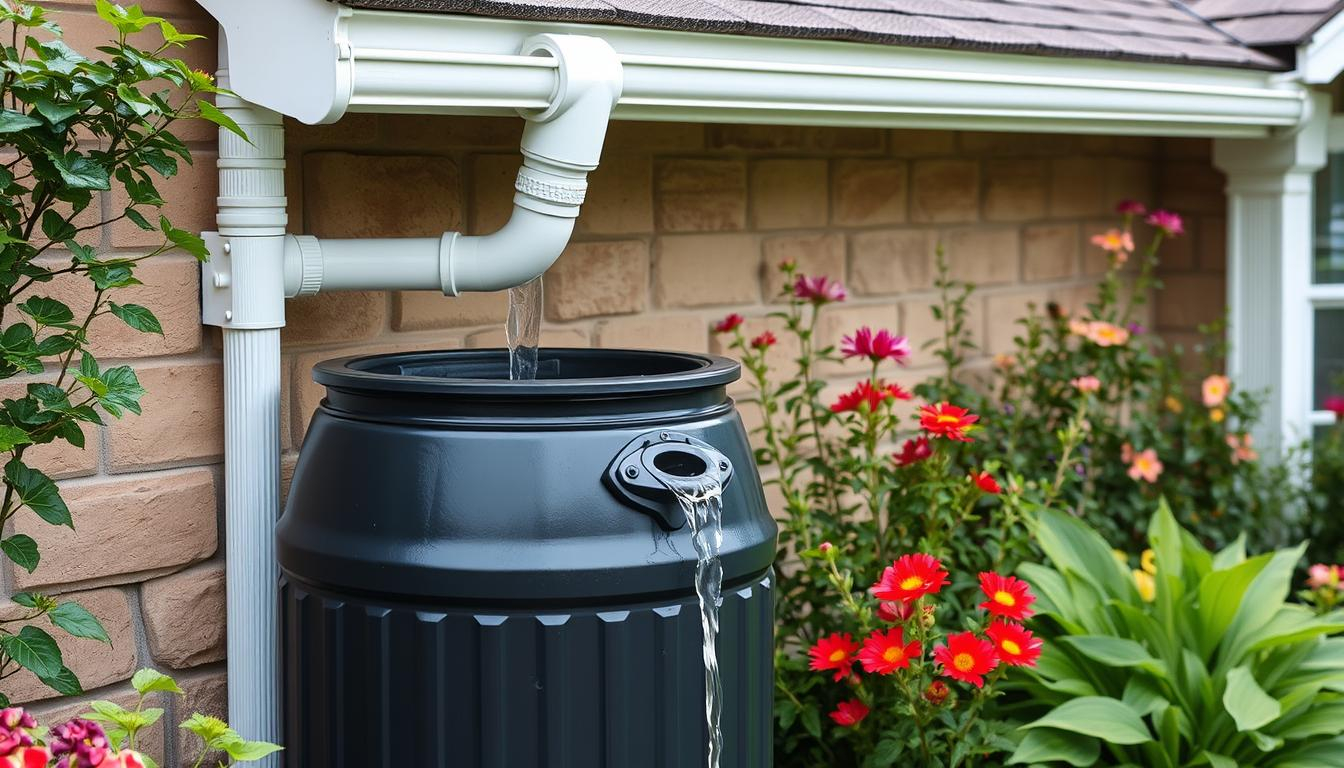

The metallic rattle of a garden hose spooling against the side of a house is a familiar weekend sound across American suburbs. For generations, keeping a green lawn meant pulling municipal tap water through endless loops of green rubber, watching the water meter spin faster with every dry July. But open a utility bill lately, and that suburban routine carries a sharper sting. Municipal water rates climb year after year, pushed higher by aging civic infrastructure, shifting climate patterns, and strained reservoirs.
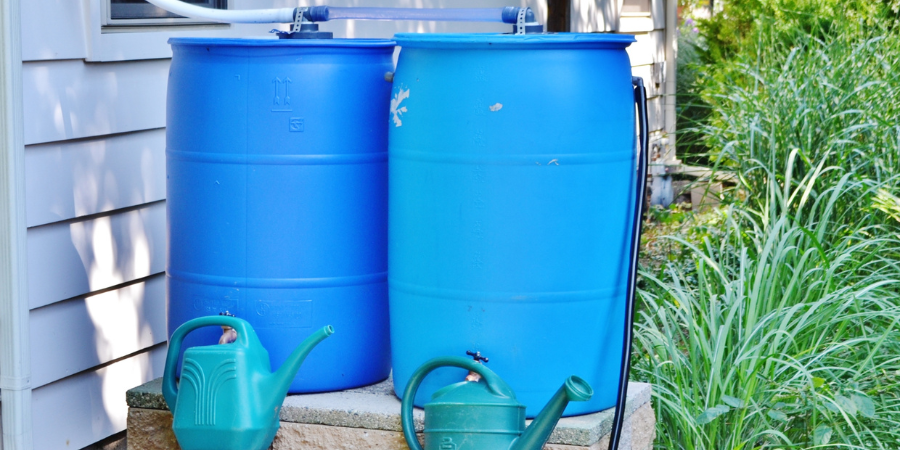
Step into almost any neighborhood home and garden center, and you will notice a quiet shift. Walk past the decorative planters and mulch bags, and you find a steady crowd hovering around rows of polyethylene drums equipped with brass spigots and mesh screens. These are not industrial leftovers; they are meticulously engineered residential rain barrels. A closer look at the price tags reveals a striking consensus. Across major hardware chains and specialized online suppliers, the price point keeps landing in a very specific window.
Homeowners are voting with their wallets, locking in on systems priced right around $140. This figure is not an arbitrary marketing trick. It represents a sweet spot where manufacturing durability meets household economics, capturing the exact intersection of UV-stabilized resins, heavy-duty brass fittings, and structural capacity that a typical American homestead requires. To understand why millions of gallons of runoff are suddenly being intercepted before they hit the storm drains, we have to look past the simple plastic drum and examine the financial and ecological calculus happening in backyards everywhere.
For decades, rainwater harvesting sat at the margins of suburban life, often relegated to off-grid homesteaders or eccentric gardeners. Today, the macroeconomic picture makes capturing rooftop runoff an exercise in basic financial common sense. The global rain barrel market has ballooned into a multi-billion-dollar sector, growing at a steady clip as municipal water restrictions tighten across the American West, Southwest, and even parts of the traditionally flush East Coast. When local water districts slap households with tiered drought surcharges, the math shifts overnight. A typical roof sheds hundreds of gallons of water during a single heavy summer thunderstorm. Letting that free, unchlorinated resource wash down a concrete driveway and into a municipal sewer system increasingly feels like pouring liquid cash straight down the drain.
The Financial Mechanics Behind the Mid-Tier Residential Water Catchment
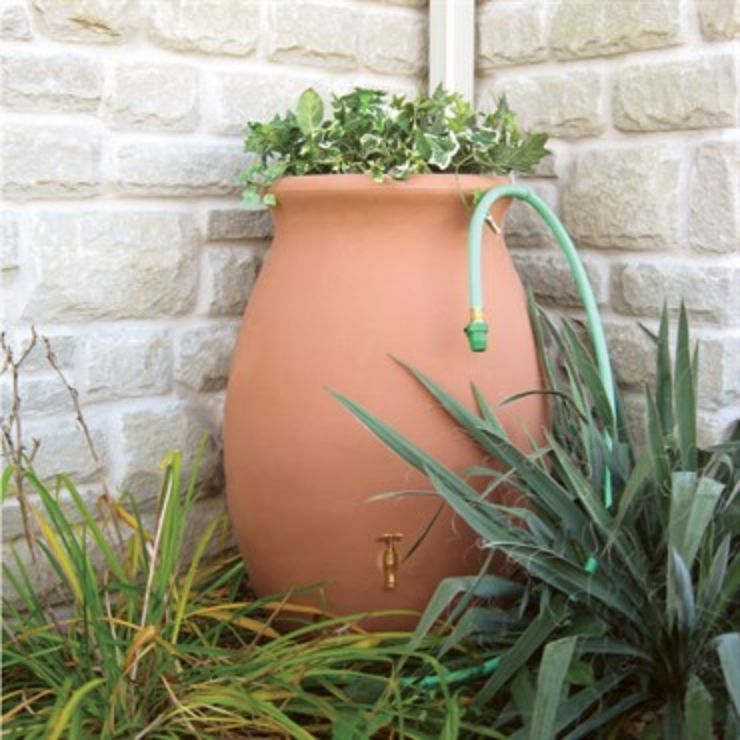
When market analysts track consumer spending on residential water management, pricing tiers tell a vivid story about buyer psychology and manufacturing reality. Entry-level containers, often cobbled together from salvaged food-grade drums with cheap plastic spigots, can be found for under $60. At the opposite end of the spectrum sit high-end architectural cisterns, stone-look urns, and complex multi-barrel manifolds that easily clear $400. Yet the vast majority of buyers bypass both extremes, landing squarely on the $120 to $160 bracket, with $140 acting as the gravitational center of the market.
This specific price point buys a very particular tier of manufacturing quality. A $140 rain barrel typically features high-density polyethylene (HDPE) infused with UV inhibitors to prevent the plastic from becoming brittle and cracking under constant summer sun exposure. It includes molded-in brass threaded inserts rather than cheap plastic screw-on spigots that tend to shear off under the weight of a heavy hose. It incorporates a heavy-gauge mosquito-proof stainless steel or tightly woven brass mesh screen across the top intake port, keeping disease vectors like mosquitoes from turning your water storage into a breeding ground.
Shipping logistics also play a silent, heavy hand in determining this price. Plastic barrels are essentially giant, hollow volumes of air. Transporting them from manufacturing plants to regional distribution centers and onto retail shelves costs a staggering amount in freight space relative to the product’s actual weight. Retailers and manufacturers have optimized the 50-to-60-gallon footprint because it maximizes trailer space efficiency while delivering a volume of water that a single able-bodied person can still maneuver, tip, and position before it is filled. Any larger, and the weight logistics become a structural nightmare for residential decks and foundations; any smaller, and the cost-per-gallon ratio spikes unfavorably.
Beyond the raw hardware, the broader economic ecosystem makes this $140 investment remarkably frictionless. Local municipal water boards and regional conservation districts across the country frequently run rain barrel subsidy programs. It is common for cities to offer mail-in rebates or direct point-of-sale discounts ranging from $25 to $50, effectively bringing the out-of-pocket cost of a premium barrel down to under $100. When you factor in the immediate savings on summer water bills—particularly for container gardens, raised vegetable beds, and delicate ornamental plants that thrive on soft, non-chlorinated rainwater—the payback period often shrinks to a single growing season.
Engineering the Runoff: Material Science, Structural Integrity, and Fitting Anatomy
A rain barrel is deceptively simple from a distance, but close inspection reveals an exercise in fluid dynamics and materials engineering. Your roof is an efficient catchment plane. A standard 2,000-square-foot roof can capture roughly 1,200 gallons of water for every inch of rainfall. Trying to harness that volume requires careful management of hydrostatics, overflow paths, and material fatigue. When water fills a 55-gallon drum, it weighs roughly 460 pounds. That sheer mass exerts immense outward pressure on the lower walls and threaded ports, which explains why bargain-bin plastics routinely fail at the seams within two years.
The industry standard $140 barrel relies on rotational molding, a manufacturing process that creates seamless, uniform wall thicknesses across the entire vessel. Unlike injection-molded plastics that can develop weak points along cooling lines, roto-molded HDPE distributes structural stress evenly. This structural integrity is critical when winter arrives. While smart homeowners disconnect and drain their barrels before freezing temperatures set in, unexpected early frosts can still catch a system off-guard. High-grade resins possess enough cold-impact resistance to survive minor freeze cycles without catastrophically splitting down the side.
Fittings represent another critical engineering hurdle. Water pressure inside a gravity-fed barrel is remarkably low, dictated entirely by the height of the spigot above the ground. At best, a barrel sitting on a standard concrete block cinder stand generates about 1.5 to 2 pounds per square inch (psi) of pressure at the tap. Standard garden hoses, designed to operate at 40 to 60 psi from a municipal spigot, struggle to draw water smoothly from low-pressure gravity systems unless connected to a dedicated soaker hose or gravity-feed drip line.
To maximize this meager pressure, $140 units routinely feature properly elevated brass bulkhead fittings positioned at the very bottom of the drum, along with a secondary overflow port located near the top rim. Managing overflow is non-negotiable; a full barrel receives dozens of gallons an hour during a downpour, and failing to divert excess water safely away from your home’s foundation can result in flooded basements or compromised footings. Consequently, these mid-tier systems include integrated hose-thread adapters on their overflow spouts, allowing homeowners to daisy-chain a second barrel or run a flexible extension hose far out into the yard.
Step-by-Step Installation Methodology for Maximum Capture Efficiency
Setting up a rain barrel correctly separates a functional water system from a frustrating backyard headache. Poor placement leads to tipping hazards, stagnant mosquito pools, or gutter backups. Follow this field-tested installation sequence to secure your investment and optimize water flow.
- Step 1 (Site Selection and Foundation Prep): Choose a downspout that drains a clean roof section away from high-traffic zones. Clear the earth, tamp down the soil, and build a sturdy, level platform using solid concrete pavers or cinder blocks. A sloping or shifting foundation under a 460-pound filled barrel is a disaster waiting to happen. Elevate the platform at least 12 to 18 inches off the ground to ensure you can easily slide a watering can beneath the spigot.
- Step 2 (Downspout Measurement and Cutting): Position your empty barrel on the newly leveled platform directly adjacent to the existing downspout. Measure up from the top intake port of the barrel, accounting for any diverter or filter components you plan to install. Using a fine-toothed hacksaw or metal snips, cut the aluminum or vinyl downspout cleanly, deburring any sharp edges.
- Step 3 (Integration of Diverters and First-Flush Filters): Install a flexible downspout extension or an automatic rain diverter kit into the cut section. A diverter is particularly valuable because it channels the initial surge of water—which often carries roof dust, bird droppings, and tree pollen—away from the barrel through a first-flush mechanism, ensuring only cleaner water enters your storage drum.
- Step 4 (Spigot and Overflow Sealing): Before hoisting the barrel into its final position, wrap all threaded pipe nipples and brass spigot fittings with multiple layers of PTFE plumber’s tape to prevent slow weeping leaks. Screw the spigot and overflow adapters firmly into their respective ports, tightening them securely without stripping the polymer threads.
- Step 5 (System Testing and Commissioning): Secure the debris screen across the top intake lid and position the downspout feed directly over it. Run a garden hose from your house spigot to fill the barrel manually for its initial test run. Check the bulkhead fitting, the bottom brass spigot, and the overflow hose connection for any drips. Once verified, your catchment system is live and ready for the next storm.
Common Pitfalls, Maintenance Missteps, and Field-Tested Workarounds
Even with a well-built system, negligence can turn a sustainable water source into a maintenance nightmare. Homeowners frequently run into predictable operational hurdles during the first few months of ownership. Understanding these failure points keeps your investment running smoothly through changing seasons.
- Pitfall 1 (Mosquito Infestation): Stagnant water is an open invitation for mosquitoes to lay eggs. If your mesh screen tears or the lid is left slightly ajar, a single female mosquito can hatch hundreds of larvae within days. Workaround: Inspect your intake screen monthly. If you spot wigglers, drop a biological mosquito dunk containing Bacillus thuringiensis israelensis (BTI) into the barrel; it is completely safe for plants, pets, and wildlife while instantly killing mosquito larvae.
- Pitfall 2 (Algae Blooms and UV Degradation): Clear or translucent plastic barrels let sunlight penetrate the water column, triggering rapid green algae growth that clogs drip irrigation emitters and fouls hoses. Workaround: Only purchase opaque, UV-stabilized dark green, black, or terra-cotta-colored barrels. If you inherited a semi-translucent drum, wrap it in a heavy-duty vinyl cover or paint it with exterior-grade plastic primer and paint to block light entirely.
- Pitfall 3 (Winter Freezing and Structural Cracking): Water expands by roughly 9 percent when it freezes into ice. Leaving a full or partially filled barrel connected during a hard freeze will warp fittings, crack the bulkhead, or split the polyethylene wall. Workaround: Implement a strict winterization protocol by late autumn. Disconnect the downspout, flip the barrel upside down or store it in a shed, and leave the bottom spigot wide open so any residual condensation drains completely.
- Pitfall 4 (Inadequate Water Pressure for Hoses): Expecting a gravity-fed barrel to power a standard spray nozzle across a large lawn leads to profound disappointment. Workaround: Accept the physical limitations of gravity flow. Utilize soaker hoses laid directly along garden rows, or simply fill watering cans at the spigot to hand-water potted plants and delicate seedlings where gentle application matters most.
- Pitfall 5 (Foundation Flooding from Overflow): Unmanaged overflow cascading directly next to a home’s foundation wall can seep into crawlspaces or basements over time. Workaround: Always attach a corrugated extension hose to the upper overflow port, directing excess storm runoff at least four to six feet away from your foundation wall or straight into a designated rain garden.
The Broader Ecological Ripple Effect of Decentralized Urban Water Capture
Zooming out from individual backyard economics reveals a profound shift in how communities handle stormwater management. Traditional municipal infrastructure relies on massive, centralized storm sewer networks designed to shuttle rainwater off paved surfaces and into local rivers as quickly as possible. This rapid conveyance model causes severe ecological damage: urban flash flooding, accelerated riverbank erosion, and the flushing of street-level pollutants—motor oil, heavy metals, lawn fertilizers—directly into local aquatic ecosystems.
When thousands of homeowners within a single watershed each install a 55-gallon rain barrel, the cumulative impact is staggering. Multiply those thousands of barrels by multiple rain events per season, and you are intercepting millions of gallons of stormwater right at the source. This decentralized retention acts like a microscopic sponge, flattening peak runoff curves during violent summer cloudbursts and taking immense pressure off aging municipal storm drains.
There is also a profound chemical benefit to plant life. Municipal tap water is heavily treated with chlorine, chloramines, and fluoride to make it safe for human consumption. While these additives are necessary for drinking water safety, they can stress sensitive soil microbiomes, accumulate in container soils over time, and shock delicate seedlings. Rainwater, by contrast, is naturally soft, slightly acidic, and free of chemical disinfectants. It contains trace amounts of atmospheric nitrogen that act as a gentle, natural foliar feed. Gardeners consistently report noticeably more vibrant growth in vegetable patches irrigated exclusively with captured roof runoff compared to those watered straight from the tap.
This cultural shift points toward a more resilient suburban model. As municipal water districts increasingly implement mandatory watering restrictions and tiered drought pricing, homeowners who rely entirely on public utilities find themselves vulnerable to external policy shifts. By taking a small, self-directed step toward decentralized water security for a modest investment, households reclaim a measure of independence. You stop paying top dollar for potable, treated drinking water just to wash mud off garden trowels or keep ornamental hostas alive through a dry spell.
Practical Frameworks for Scaling Your Water Harvesting Operation Over Time
Once you experience the practical utility of a single $140 rain barrel, the natural instinct is to want more capacity. A single 55-gallon drum can vanish astonishingly fast during the peak heat of August when thirsty tomato plants and hanging baskets demand daily hydration. Expanding your capacity does not require leaping into expensive, thousand-dollar underground cistern systems; it simply requires smart modular design.
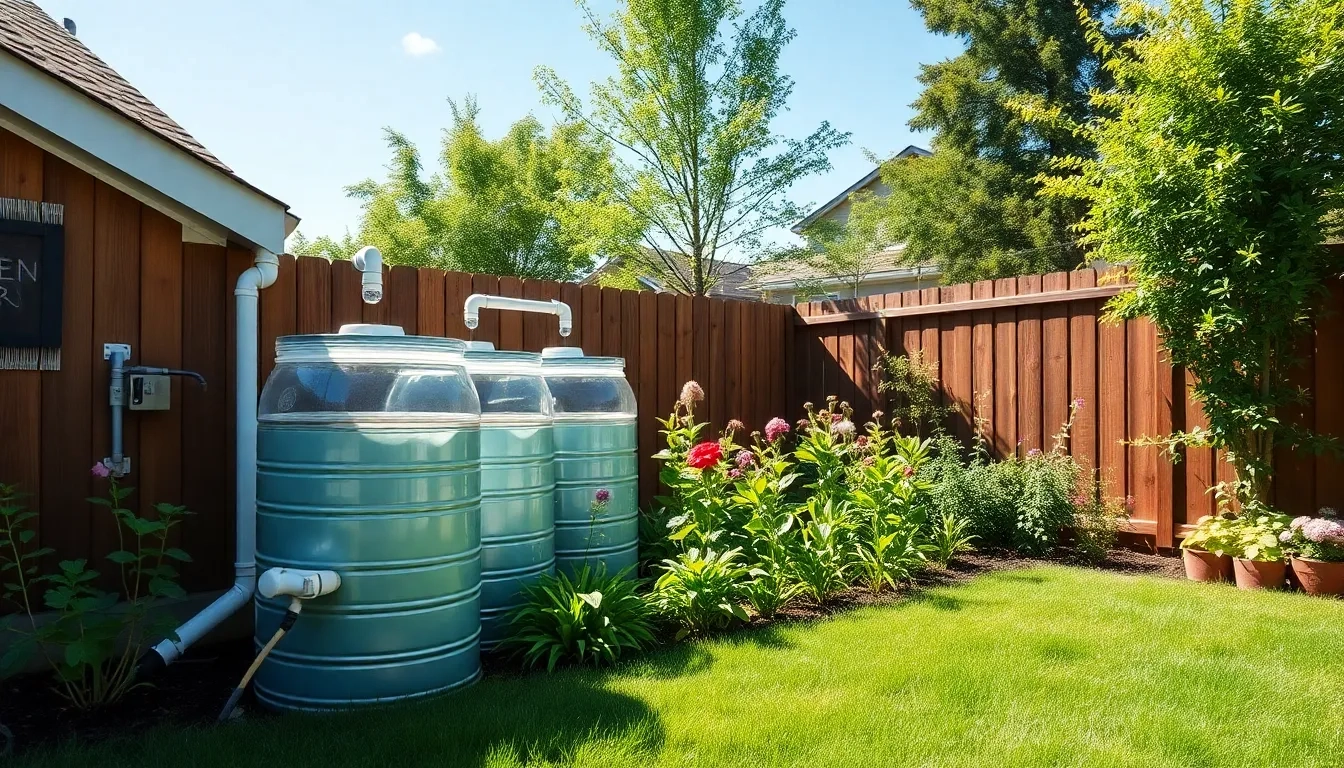
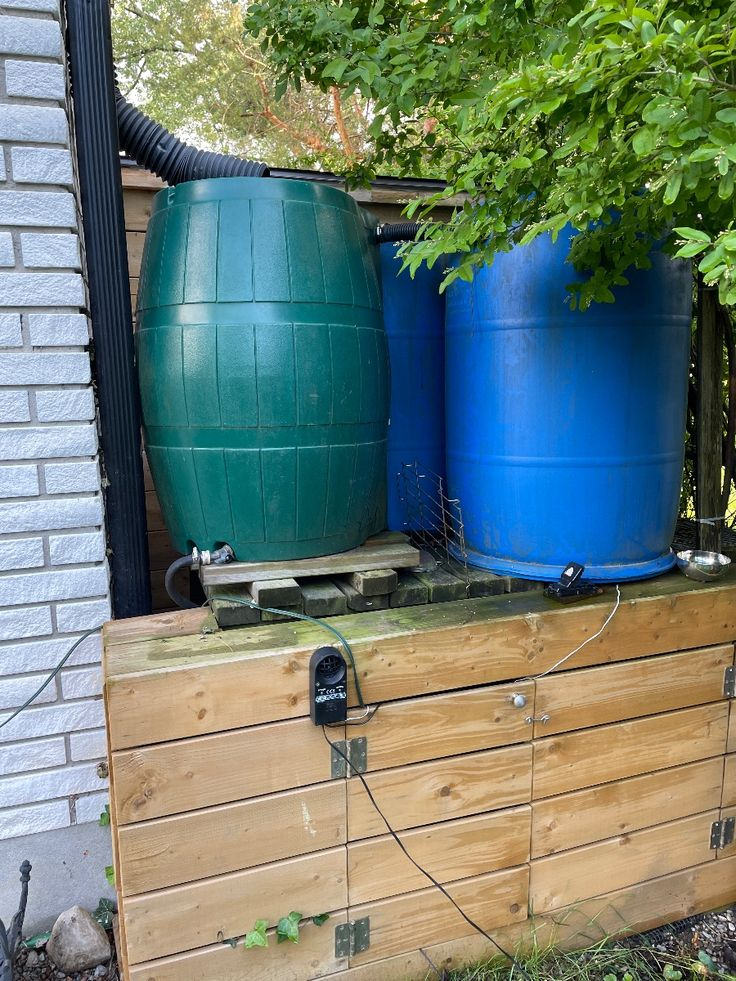
The most efficient expansion method involves manifolding. By purchasing a second matching barrel and positioning it directly beside the first, you can link them together using a bottom-interconnect kit consisting of bulkhead fittings and flexible tubing. This creates a communicating vessel system: water enters through the primary downspout feed, fills the first barrel, and automatically begins equalizing into the second barrel through the lower bridge hose, effectively doubling your storage capacity to 110 gallons while maintaining a single unified draw point at the primary spigot.
[ Roof Downspout ]
│
▼
┌──────────────┐     Interconnect      ┌──────────────┐
│  Barrel A    │ ◄───────────────────► │  Barrel B    │
│  (Primary)   │                       │  (Secondary) │
└──────┬───────┘                       └──────────────┘
│
▼
[ Main Spigot ]
When integrating multiple barrels, pay careful attention to structural support. Doubling water storage means doubling weight to nearly 1,000 pounds. Your paver pad must expand accordingly, providing a wide, level footprint that will not tilt or sink into saturated mud during prolonged wet weather spells. Furthermore, consider adding a first-flush diverter upstream of your manifold system. When you scale up your catchment volume, keeping fine roof particulate matter and heavy pollen out of your storage drums becomes even more critical to prevent organic rot and foul odors from developing in stagnant, multi-barrel networks.
Another smart scaling strategy involves separating your water uses by quality tier. While direct gravity-fed spigots work wonderfully for outdoor irrigation, some homeowners install simple low-voltage 12-volt DC inline diaphragm pumps powered by a small solar panel mounted on a nearby shed roof. This tiny pump setup boosts output pressure from 2 psi up to 30 psi, allowing you to run standard oscillating sprinklers or attach a high-pressure spray nozzle without losing throwing distance. It transforms a basic gravity drum into a pressurized utility station without adding a single dollar to your monthly electricity bill.
The widespread embrace of the $140 rain barrel is a fascinating study in practical sustainability. It proves that meaningful environmental action does not always require massive lifestyle overhauls or expensive, high-tech gadgetry. Sometimes, it simply looks like a well-designed plastic drum sitting quietly beside a downspout, quietly catching what falls freely from the sky.
As municipal water costs continue their upward trajectory and climate volatility brings unpredictable rainfall patterns to our doorsteps, small-scale decentralized infrastructure will only grow in importance. Taking control of your immediate outdoor water needs is an empowering act of domestic resilience. It connects us back to ancient rhythms of resource stewardship, turning every rainstorm from a potential drainage headache into a valuable household asset.
Take a look at your own roofline after reading this. Notice where the water flows when the clouds open up. Investing a modest amount of time and resources into capturing that runoff pays dividends that extend far beyond a slightly lower utility bill. It builds a greener, more resilient homestead, one captured gallon at a time.